
Balankanché: The Jaguar Throne—Chichén Itzá’s Sacred Underworld
What Makes This Special
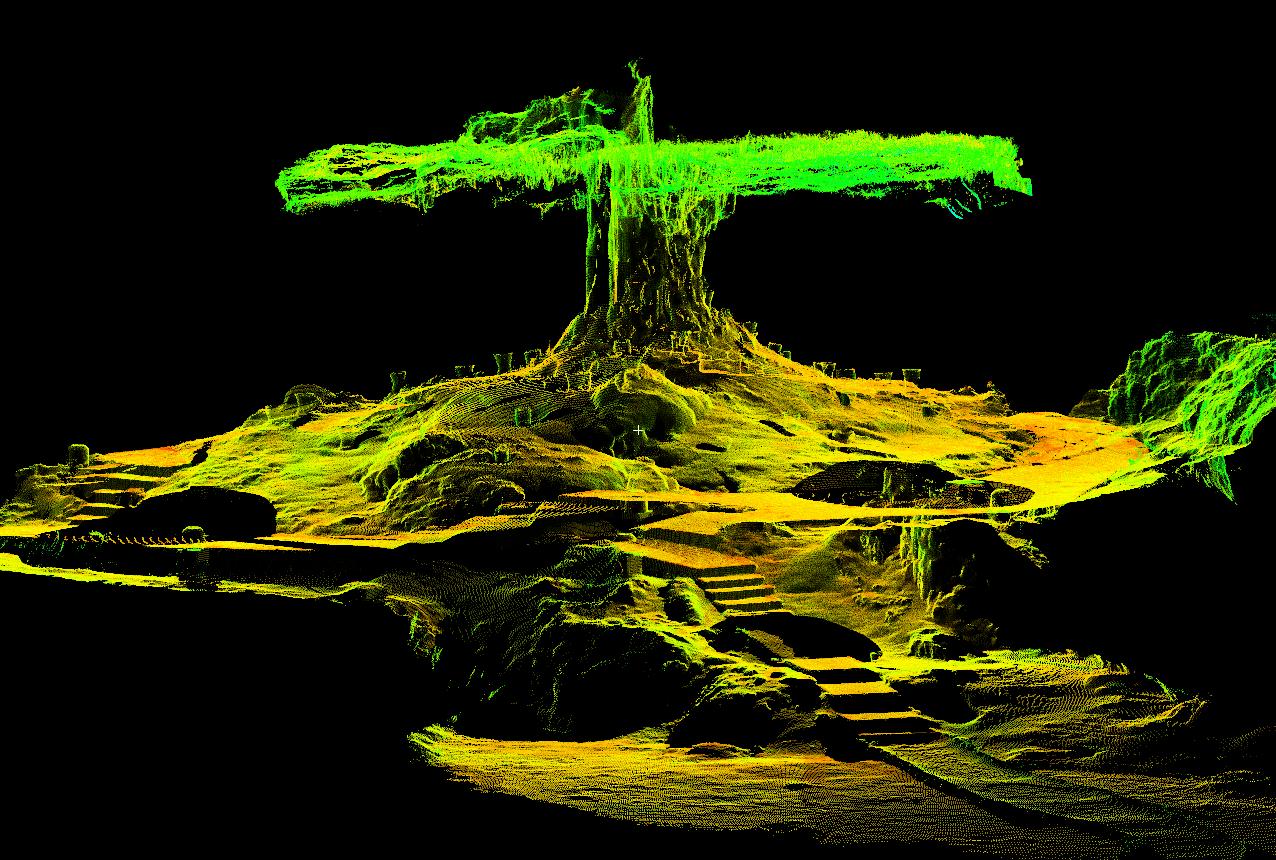
Just 6 km from Chichén Itzá, Balankanché is not a show-cave—it’s a ritual underworld preserved in place. In the main chamber, offerings of incense burners, vases, and jade ring a towering stalactite–stalagmite column that resembles a ya’axché (sacred ceiba tree). The cave’s Maya name evokes a priestly jaguar throne, and everything here—water drips, incense censer silhouettes, echoing darkness—speaks to rain-god worship and Chichén’s deep cosmology.
Deep History & Context
- Long ritual use: Ceremonial activity spans from the Late Preclassic through the Postclassic, peaking during Chichén Itzá’s rise. The cave functioned as a Chaac (rain-god) sanctuary tied to the region’s water table.
- Modern discovery: Although known locally, a sealed passage was opened in 1959 by guide José Humberto Gómez, revealing “frozen-in-time” assemblages that archaeologists documented in situ.
- Itzá connections: Incense burners and effigies reflect Chichén-era ritual; some scholars note Central Mexican/Tlaloc echoes alongside Maya Chaac symbolism, mirroring Chichén’s broader cultural blend.
Practical Information
- Status: Temporarily closed (as of Oct 29, 2025). Local and state sources have discussed reopening, but no firm public date has been issued. Verify current status in Pisté or with Yucatán’s Cultur/INAH offices before planning.
- When open (typical): Guided entry only; small groups; tours ~45 minutes; languages on a fixed schedule (often hourly, with Spanish/English alternation). Hours commonly 9:00 AM–4:00/5:00 PM.
- Entry Fee (when open): State-managed fee in the ~$130–150 MXN range; carry cash and small bills. Professional tripods/action cams may require extra permits/fees.
- Difficulty: Moderate. Humid, warm air; short stairways; some low ceilings and slick surfaces.
- Not recommended for: Claustrophobia, respiratory/cardiac conditions, or limited mobility.
- Facilities (parador): Parking, ticket office, basic restrooms, small photo exhibit (when operating).
What to Expect (When Operating)
- Guided, lights-on experience: Your guide sets the pace and lighting; please don’t touch formations or offerings.
- Main Chamber: The “ceiba” column surrounded by orderly offerings—incensarios, bowls, miniature plates—exactly where they were found.
- Atmosphere over theatrics: Expect heat and humidity rather than cool cavern breezes; it’s the ritual context that stuns.
Getting There
Location: Km 6 on the Pisté–Valladolid road (Hwy 180), municipality of Tinum; ~10–15 minutes from Chichén Itzá’s main gate.
- From Pisté/Chichén Itzá: Drive east toward Valladolid; look for signage to “Grutas de Balankanché.”
- Without a car: When open, taxis from Pisté commonly serve the cave; arrange round-trip and waiting time.
What to Bring
- Water and electrolytes (it’s hot and humid underground)
- Light, breathable clothing; closed-toe shoes with good grip
- Small cash for tickets/tips; permits if using pro gear
- Compact flashlight/headlamp (optional—guides provide lighting)
Tips & Safety
- Check status first: Confirm current opening before detouring from Chichén.
- Go early: Morning tours are less stuffy; groups are smaller.
- Mind the footing: Watch for slick limestone; hold the handrails.
- Respect the offerings: No touching, climbing, or flash where restricted; drones are not permitted without INAH authorization.
Nearby Pairings
- Chichén Itzá (UNESCO): Combine when Balankanché is open to connect surface monuments with the ritual underworld.
- Cenote Ik Kil / Pisté: Lunch and a swim, plus services and ATMs.
Sources (planning & background)
- INAH “Lugares” Balankanché (ES/EN) – overview, name meaning, health advisories & typical hours.
- Yucatán Cultur – visitor logistics (guided-only, small groups, language schedule).
- Regional news (2025) – closure/reopening updates for Balankanché/Loltún.
- Background features – discovery in 1959 and the in-situ offerings; context with Chichén Itzá rituals.
Helpful links: INAH (ES): Balamcanché; INAH (EN): Balamcanché; Cultur Yucatán (status & schedules): Balamcanché
Balankanché: The Jaguar Throne—Chichén Itzá’s Sacred Underworld
On This Page
A rare chance to stand inside a Maya rain-god sanctuary: in-situ offerings, a towering ‘ceiba’ formation, and powerful ties to Chichén Itzá—currently closed, so confirm status before you go.
Our Take
"Balankanché feels like Chichén Itzá’s living underworld—move quietly past incense burners and the ceiba-shaped column while the cave humidity and echoes do their work."
What Makes This Special
Just 6 km from Chichén Itzá, Balankanché is not a show-cave—it’s a ritual underworld preserved in place. In the main chamber, offerings of incense burners, vases, and jade ring a towering stalactite–stalagmite column that resembles a ya’axché (sacred ceiba tree). The cave’s Maya name evokes a priestly jaguar throne, and everything here—water drips, incense censer silhouettes, echoing darkness—speaks to rain-god worship and Chichén’s deep cosmology.
Deep History & Context
- Long ritual use: Ceremonial activity spans from the Late Preclassic through the Postclassic, peaking during Chichén Itzá’s rise. The cave functioned as a Chaac (rain-god) sanctuary tied to the region’s water table.
- Modern discovery: Although known locally, a sealed passage was opened in 1959 by guide José Humberto Gómez, revealing “frozen-in-time” assemblages that archaeologists documented in situ.
- Itzá connections: Incense burners and effigies reflect Chichén-era ritual; some scholars note Central Mexican/Tlaloc echoes alongside Maya Chaac symbolism, mirroring Chichén’s broader cultural blend.
Practical Information
- Status: Temporarily closed (as of Oct 29, 2025). Local and state sources have discussed reopening, but no firm public date has been issued. Verify current status in Pisté or with Yucatán’s Cultur/INAH offices before planning.
- When open (typical): Guided entry only; small groups; tours ~45 minutes; languages on a fixed schedule (often hourly, with Spanish/English alternation). Hours commonly 9:00 AM–4:00/5:00 PM.
- Entry Fee (when open): State-managed fee in the ~$130–150 MXN range; carry cash and small bills. Professional tripods/action cams may require extra permits/fees.
- Difficulty: Moderate. Humid, warm air; short stairways; some low ceilings and slick surfaces.
- Not recommended for: Claustrophobia, respiratory/cardiac conditions, or limited mobility.
- Facilities (parador): Parking, ticket office, basic restrooms, small photo exhibit (when operating).
What to Expect (When Operating)
- Guided, lights-on experience: Your guide sets the pace and lighting; please don’t touch formations or offerings.
- Main Chamber: The “ceiba” column surrounded by orderly offerings—incensarios, bowls, miniature plates—exactly where they were found.
- Atmosphere over theatrics: Expect heat and humidity rather than cool cavern breezes; it’s the ritual context that stuns.
Getting There
Location: Km 6 on the Pisté–Valladolid road (Hwy 180), municipality of Tinum; ~10–15 minutes from Chichén Itzá’s main gate.
- From Pisté/Chichén Itzá: Drive east toward Valladolid; look for signage to “Grutas de Balankanché.”
- Without a car: When open, taxis from Pisté commonly serve the cave; arrange round-trip and waiting time.
What to Bring
- Water and electrolytes (it’s hot and humid underground)
- Light, breathable clothing; closed-toe shoes with good grip
- Small cash for tickets/tips; permits if using pro gear
- Compact flashlight/headlamp (optional—guides provide lighting)
Tips & Safety
- Check status first: Confirm current opening before detouring from Chichén.
- Go early: Morning tours are less stuffy; groups are smaller.
- Mind the footing: Watch for slick limestone; hold the handrails.
- Respect the offerings: No touching, climbing, or flash where restricted; drones are not permitted without INAH authorization.
Nearby Pairings
- Chichén Itzá (UNESCO): Combine when Balankanché is open to connect surface monuments with the ritual underworld.
- Cenote Ik Kil / Pisté: Lunch and a swim, plus services and ATMs.
Sources (planning & background)
- INAH “Lugares” Balankanché (ES/EN) – overview, name meaning, health advisories & typical hours.
- Yucatán Cultur – visitor logistics (guided-only, small groups, language schedule).
- Regional news (2025) – closure/reopening updates for Balankanché/Loltún.
- Background features – discovery in 1959 and the in-situ offerings; context with Chichén Itzá rituals.
Helpful links: INAH (ES): Balamcanché; INAH (EN): Balamcanché; Cultur Yucatán (status & schedules): Balamcanché
Location
Plan Your Visit
Water/electrolytes, breathable clothing, closed-toe shoes with grip, cash, optional small flashlight
Ticket office, restrooms, small exhibit (operate with parador)
Confirm reopening before you go; plan taxi wait time; respect in-situ offerings; avoid flash where restricted