
Cenote Xlacah: Complete Visiting Guide
Update (November 2024): Dzibilchaltún Archaeological Zone — home to Cenote Xlacah — remains closed for restoration and Tren Maya works. Officials have discussed a reopening once upgrades finish, but no firm date has been announced. Confirm status directly with INAH or Yucatán’s Secretaría de Fomento Turístico before planning a visit.
Status at a Glance
- Current status: Temporarily closed to the public while infrastructure and visitor-center improvements continue.
- Last official update: October–November 2024 briefings from INAH and Sefotur noting that reopening is still pending final works and inspections.
- What this means: No swimming, onsite access, or ticket sales until authorities release a reopening notice.
- Who to follow: INAH’s press room (Prensa) and Sefotur’s social channels for the first public announcement.
Why Cenote Xlacah Still Matters
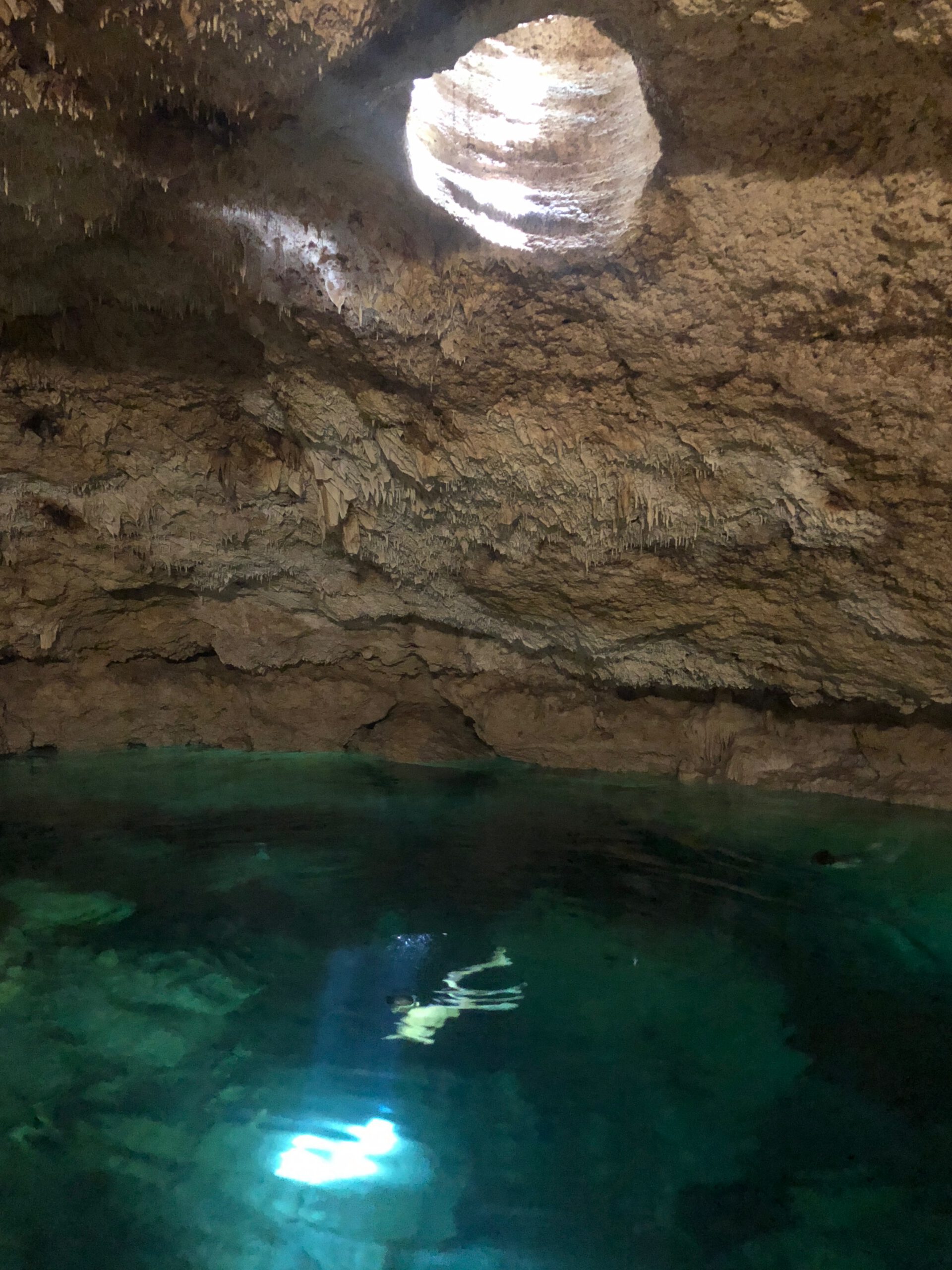
The cenote sits at the heart of Dzibilchaltún, one of the Maya world’s oldest continuously inhabited cities. Its wide, sunlight-filled basin supplied water, held ritual offerings, and framed equinox alignments for over a millennium. When the site reopens, expect shallow shelves for families, a deep-blue center for confident swimmers, and a layered experience that mixes archaeology, nature, and living Maya heritage.
How to Stay Updated
- Monitor INAH bulletins: Watch for press releases that reference Dzibilchaltún or Cenote Xlacah specifically.
- Check Sefotur/Yucatán Travel: They amplify reopening logistics (hours, ticketing, light & sound programming) once dates are confirmed.
- Call ahead: Before you drive out from Mérida, phone the Dzibilchaltún visitor center or ask a licensed local guide for the latest status.
- Plan flexible itineraries: Have alternate cenotes (Homún/Santa Bárbara, Cuzamá circuit, X’Batún) or coastal stops (Progreso, Chicxulub) in your back pocket.
Planning Ahead for Reopening
Use the downtime to sketch your ideal visit so you can move quickly once the gates reopen. Historically, visitors appreciated:
- Family-friendly layout: Gentle entry points, rentable life jackets, and lifeguard presence during peak hours.
- Easy logistics: Cenote access was bundled with the Dzibilchaltún archaeological ticket — a two-for-one history-plus-refresh break.
- Golden-hour photography: Late-afternoon light across the water and ruins made for memorable shots, especially around equinox season.
Expect the returning experience to include updated pathways, refreshed interpretation, and possibly revised hours or pricing — all reasons to verify details before you go.
Alternatives While You Wait
- Homún & Cuzamá: Community-run cenotes (Santa Bárbara, Canunchen, Cuzamá trio) remain open with guided access and clear conservation rules.
- San Antonio Mulix: Cenotes X’Batún and Dzonbacal pair turquoise water with birding-friendly jungle trails about 50 minutes from Mérida.
- Coastal cool-downs: Progreso, Chelem, or Chuburná offer beach days if you still want water + sun close to the capital.
Sources
- “INAH will reopen archaeological zones of Mayapán and Dzibilchaltún.” The Yucatán Times, 17 October 2024.
- “Authorities rush the reopening of the archaeological zone of Dzibilchaltún.” The Yucatán Times, 16 November 2024.
Last updated: 13 November 2025.
Cenote Xlacah: Complete Visiting Guide
On This Page
Cenote Xlacah remains closed for restoration—follow official INAH updates before you plan a visit and use this guide to prep for its eventual reopening.
Our Take
"Cenote Xlacah is still off-limits during Dzibilchaltún upgrades—treat it as a future must-see and double-check INAH before you go."
Update (November 2024): Dzibilchaltún Archaeological Zone — home to Cenote Xlacah — remains closed for restoration and Tren Maya works. Officials have discussed a reopening once upgrades finish, but no firm date has been announced. Confirm status directly with INAH or Yucatán’s Secretaría de Fomento Turístico before planning a visit.
Status at a Glance
- Current status: Temporarily closed to the public while infrastructure and visitor-center improvements continue.
- Last official update: October–November 2024 briefings from INAH and Sefotur noting that reopening is still pending final works and inspections.
- What this means: No swimming, onsite access, or ticket sales until authorities release a reopening notice.
- Who to follow: INAH’s press room (Prensa) and Sefotur’s social channels for the first public announcement.
Why Cenote Xlacah Still Matters
The cenote sits at the heart of Dzibilchaltún, one of the Maya world’s oldest continuously inhabited cities. Its wide, sunlight-filled basin supplied water, held ritual offerings, and framed equinox alignments for over a millennium. When the site reopens, expect shallow shelves for families, a deep-blue center for confident swimmers, and a layered experience that mixes archaeology, nature, and living Maya heritage.
How to Stay Updated
- Monitor INAH bulletins: Watch for press releases that reference Dzibilchaltún or Cenote Xlacah specifically.
- Check Sefotur/Yucatán Travel: They amplify reopening logistics (hours, ticketing, light & sound programming) once dates are confirmed.
- Call ahead: Before you drive out from Mérida, phone the Dzibilchaltún visitor center or ask a licensed local guide for the latest status.
- Plan flexible itineraries: Have alternate cenotes (Homún/Santa Bárbara, Cuzamá circuit, X’Batún) or coastal stops (Progreso, Chicxulub) in your back pocket.
Planning Ahead for Reopening
Use the downtime to sketch your ideal visit so you can move quickly once the gates reopen. Historically, visitors appreciated:
- Family-friendly layout: Gentle entry points, rentable life jackets, and lifeguard presence during peak hours.
- Easy logistics: Cenote access was bundled with the Dzibilchaltún archaeological ticket — a two-for-one history-plus-refresh break.
- Golden-hour photography: Late-afternoon light across the water and ruins made for memorable shots, especially around equinox season.
Expect the returning experience to include updated pathways, refreshed interpretation, and possibly revised hours or pricing — all reasons to verify details before you go.
Alternatives While You Wait
- Homún & Cuzamá: Community-run cenotes (Santa Bárbara, Canunchen, Cuzamá trio) remain open with guided access and clear conservation rules.
- San Antonio Mulix: Cenotes X’Batún and Dzonbacal pair turquoise water with birding-friendly jungle trails about 50 minutes from Mérida.
- Coastal cool-downs: Progreso, Chelem, or Chuburná offer beach days if you still want water + sun close to the capital.
Sources
- “INAH will reopen archaeological zones of Mayapán and Dzibilchaltún.” The Yucatán Times, 17 October 2024.
- “Authorities rush the reopening of the archaeological zone of Dzibilchaltún.” The Yucatán Times, 16 November 2024.
Last updated: 13 November 2025.
Location
Plan Your Visit
Wait for reopening notice before planning a packing list.
Closed during restoration; facilities will reopen with the site.
Monitor INAH and Sefotur updates; consider alternate cenotes near Mérida meanwhile.