
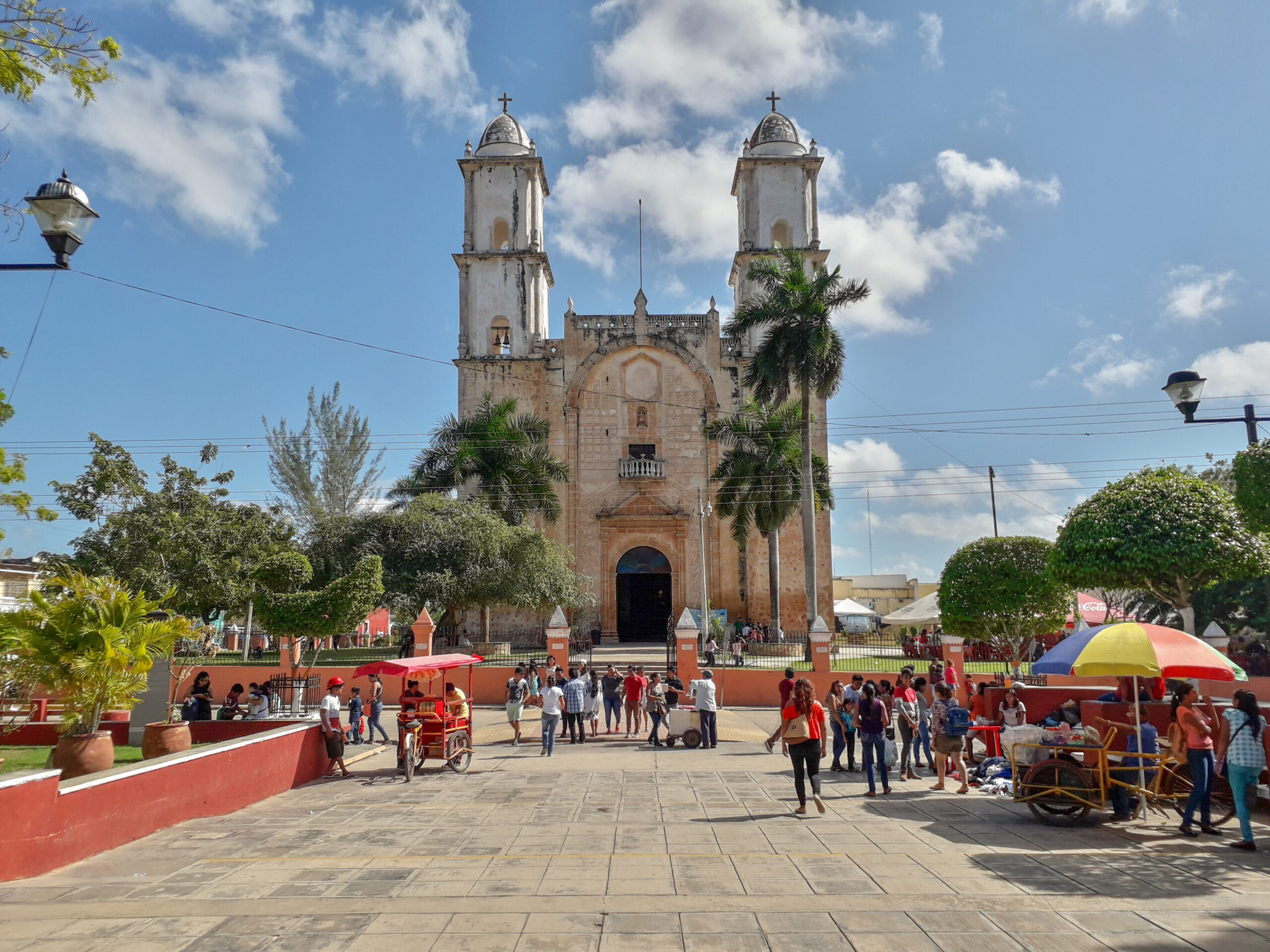
Discovering Peto: A Hidden Gem of the Yucatán Peninsula
Why It Matters
Peto is a quaint town nestled in the heart of the Yucatán Peninsula, rich in history and culture. Originally a Mayan settlement, it became a significant colonial hub during the Spanish conquest, influencing its architecture and traditions. The town is known for its vibrant community and annual festivals, which highlight the Mayan heritage and traditions that still thrive today. With a population of around 4,000, Peto offers an authentic Yucatán experience, showcasing the region’s unique blend of indigenous and colonial influences.
What to Do: Your Visit Timeline
For a fulfilling day in Peto, follow this itinerary:
- 8:30 AM – Arrival: Arrive in Peto via the main highway from Mérida, approximately a 2-hour drive. There is a public parking area near the town square, which is free and secure.
- 9:00 AM – Visit the Main Square: Start your day at the Plaza Principal, a hub of local activity. Take in the stunning colonial architecture of the surrounding buildings and the vibrant life of the town as you enjoy a morning coffee from a nearby café.
- 10:00 AM – Tour the Church of San Juan Bautista: Located just off the square, this beautiful church features a mix of colonial and Mayan architectural styles. Spend some time exploring the interior and learning about its history.
- 10:30 AM – Explore Local Markets: Head to the nearby market where you can find handmade crafts, textiles, and local produce. This is an excellent opportunity to interact with locals and purchase unique souvenirs.
- 11:30 AM – Visit the Museo de Peto: A small but informative museum that showcases the history and culture of Peto, including exhibits on Mayan artifacts and local traditions.
- 12:00 PM – Departure/Lunch: Enjoy a traditional Yucatecan lunch at a local eatery, such as Pollo Pibil or Cochinita, to get a taste of the region’s culinary delights.
Getting There
By Car
To reach Peto from Mérida, take the Carretera 184 heading southeast for approximately 130 km. The drive takes about 2 hours. Parking is available near the town square, and it is free of charge. The roads are generally in good condition, and a 4WD is not necessary.
By Colectivo or Bus
Colectivos and buses to Peto can be found at the main bus terminal in Mérida. Expect to pay around 50 MXN for a one-way ticket, with departures every hour. You should get off at the main square, which is the center of town.
By Taxi or Uber
A taxi from Mérida to Peto will cost approximately 1,000 MXN, while Uber is not widely available in this area. If you choose a taxi, be sure to negotiate the fare before starting your journey.
By Bike or Walking
Biking to Peto is feasible for experienced cyclists, as the distance from the nearest major towns is manageable. However, consider safety and road conditions. Bike rentals are available in larger cities like Mérida.
Nearby Attractions & Day Trip Ideas
Extend your visit to Peto by exploring these nearby points of interest:
- Chichen Itza (2 hours drive) – One of the New Seven Wonders of the World, this iconic Mayan archaeological site is a must-visit.
- Uxmal (1.5 hours drive) – Another stunning Mayan site known for its intricate architecture and the famous Pyramid of the Magician.
- Ek’ Balam (1.5 hours drive) – A lesser-known but equally impressive archaeological site featuring well-preserved ruins.
- Celestún Biosphere Reserve (1.5 hours drive) – A beautiful natural reserve known for its flamingo populations and diverse wildlife.
- Valladolid (1 hour drive) – A charming colonial town with vibrant markets and delicious local cuisine.
Insider Tips & Recommendations
- Visit early in the morning to avoid crowds, especially at the main attractions.
- Bring cash, as many local markets and eateries may not accept credit cards.
- For photography, the morning light is perfect for capturing the vibrant colors of the town and surrounding landscapes.
- Try local dishes such as Sopa de Lima and Panuchos at nearby eateries.
- Be respectful of local customs and traditions, especially when visiting religious sites.
Discovering Peto: A Hidden Gem of the Yucatán Peninsula
On This Page
Explore the charming town of Peto, where rich Mayan heritage meets colonial history, offering a unique glimpse into the heart of the Yucatán Peninsula.
Our Take
"Peto is a delightful off-the-beaten-path destination that offers an authentic slice of Yucatán life. The town's charm lies in its local culture and historical significance, though it may lack some tourist infrastructure."
Why It Matters
Peto is a quaint town nestled in the heart of the Yucatán Peninsula, rich in history and culture. Originally a Mayan settlement, it became a significant colonial hub during the Spanish conquest, influencing its architecture and traditions. The town is known for its vibrant community and annual festivals, which highlight the Mayan heritage and traditions that still thrive today. With a population of around 4,000, Peto offers an authentic Yucatán experience, showcasing the region’s unique blend of indigenous and colonial influences.
What to Do: Your Visit Timeline
For a fulfilling day in Peto, follow this itinerary:
- 8:30 AM – Arrival: Arrive in Peto via the main highway from Mérida, approximately a 2-hour drive. There is a public parking area near the town square, which is free and secure.
- 9:00 AM – Visit the Main Square: Start your day at the Plaza Principal, a hub of local activity. Take in the stunning colonial architecture of the surrounding buildings and the vibrant life of the town as you enjoy a morning coffee from a nearby café.
- 10:00 AM – Tour the Church of San Juan Bautista: Located just off the square, this beautiful church features a mix of colonial and Mayan architectural styles. Spend some time exploring the interior and learning about its history.
- 10:30 AM – Explore Local Markets: Head to the nearby market where you can find handmade crafts, textiles, and local produce. This is an excellent opportunity to interact with locals and purchase unique souvenirs.
- 11:30 AM – Visit the Museo de Peto: A small but informative museum that showcases the history and culture of Peto, including exhibits on Mayan artifacts and local traditions.
- 12:00 PM – Departure/Lunch: Enjoy a traditional Yucatecan lunch at a local eatery, such as Pollo Pibil or Cochinita, to get a taste of the region’s culinary delights.
Getting There
By Car
To reach Peto from Mérida, take the Carretera 184 heading southeast for approximately 130 km. The drive takes about 2 hours. Parking is available near the town square, and it is free of charge. The roads are generally in good condition, and a 4WD is not necessary.
By Colectivo or Bus
Colectivos and buses to Peto can be found at the main bus terminal in Mérida. Expect to pay around 50 MXN for a one-way ticket, with departures every hour. You should get off at the main square, which is the center of town.
By Taxi or Uber
A taxi from Mérida to Peto will cost approximately 1,000 MXN, while Uber is not widely available in this area. If you choose a taxi, be sure to negotiate the fare before starting your journey.
By Bike or Walking
Biking to Peto is feasible for experienced cyclists, as the distance from the nearest major towns is manageable. However, consider safety and road conditions. Bike rentals are available in larger cities like Mérida.
Nearby Attractions & Day Trip Ideas
Extend your visit to Peto by exploring these nearby points of interest:
- Chichen Itza (2 hours drive) – One of the New Seven Wonders of the World, this iconic Mayan archaeological site is a must-visit.
- Uxmal (1.5 hours drive) – Another stunning Mayan site known for its intricate architecture and the famous Pyramid of the Magician.
- Ek’ Balam (1.5 hours drive) – A lesser-known but equally impressive archaeological site featuring well-preserved ruins.
- Celestún Biosphere Reserve (1.5 hours drive) – A beautiful natural reserve known for its flamingo populations and diverse wildlife.
- Valladolid (1 hour drive) – A charming colonial town with vibrant markets and delicious local cuisine.
Insider Tips & Recommendations
- Visit early in the morning to avoid crowds, especially at the main attractions.
- Bring cash, as many local markets and eateries may not accept credit cards.
- For photography, the morning light is perfect for capturing the vibrant colors of the town and surrounding landscapes.
- Try local dishes such as Sopa de Lima and Panuchos at nearby eateries.
- Be respectful of local customs and traditions, especially when visiting religious sites.
Plan Your Visit
Sunscreen, cash, water bottle, comfortable shoes, and a camera.
Restrooms (clean), local eateries, no major gift shops, basic amenities available.