
El Cuyo, Yucatan
What Makes This Special
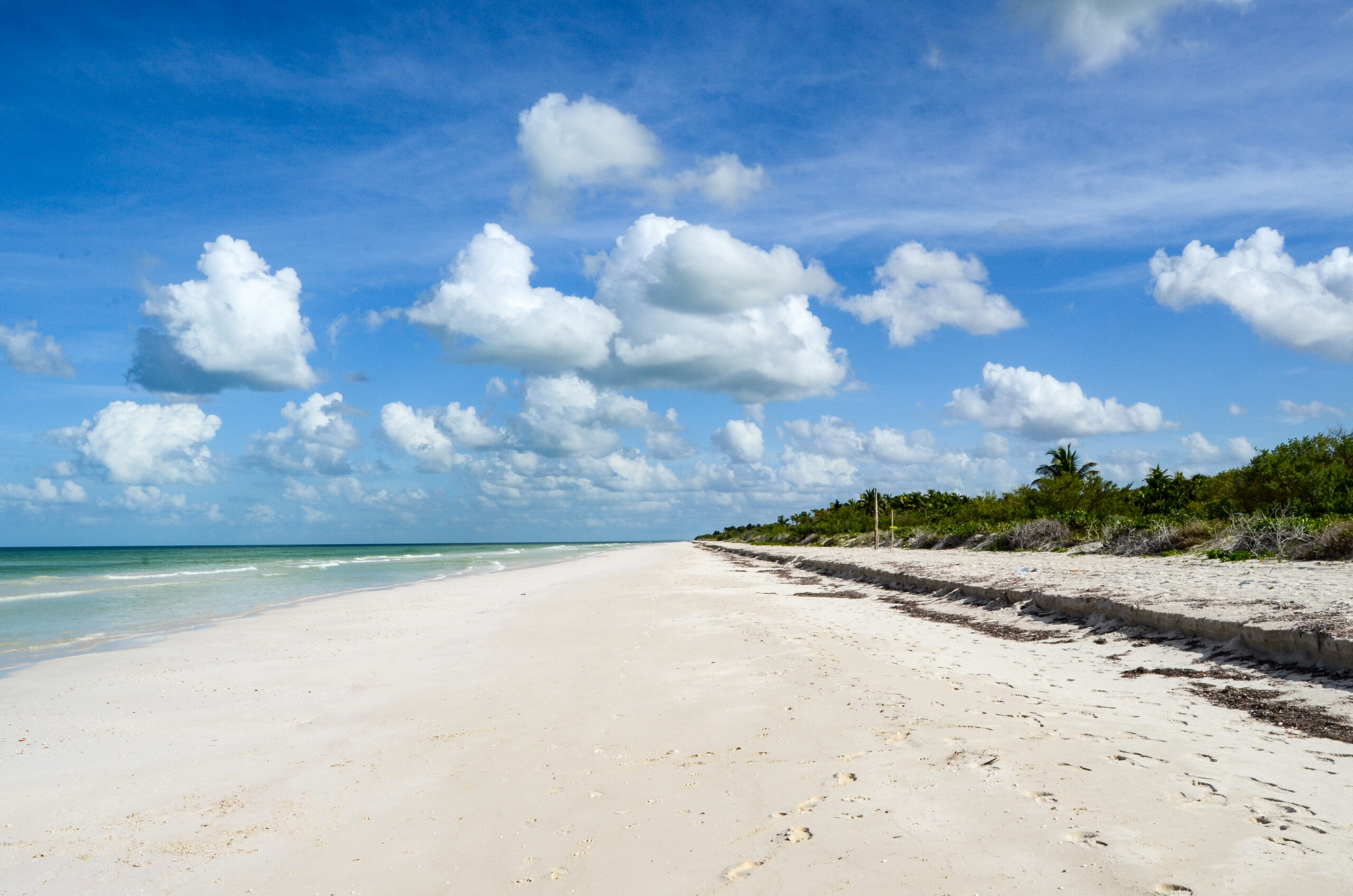
El Cuyo is a small Gulf-side beach town at the northeastern tip of Yucatán, where the Caribbean’s turquoise fades into the jade-green Gulf and the dunes give way to mangroves. Tucked within the Ría Lagartos Biosphere Reserve, it’s a rare blend of working fishing port and low-key eco-destination. Flamingos feed in the nearby lagoons, sea turtles nest on wide, pale-sand beaches, and steady seasonal winds make it one of Mexico’s most reliable kitesurfing spots. If you’re seeking a quieter alternative to the Riviera Maya or Holbox, El Cuyo’s sandy streets, pastel wooden houses, and unbroken beachscape feel delightfully unhurried.
Why travelers love it: broad, walkable beaches without beach clubs packed shoulder-to-shoulder; birdlife (especially flamingos in season); a laid-back center with simple seafood shacks; and a growing kitesurf scene with shallow launch areas ideal for learners and intermediates. The town still runs on local rhythms—fishing boats at dawn, siesta-timed afternoons, and starry, quiet nights.
History
El Cuyo’s story is tied to the coast. Before tourism, livelihoods came from the sea and nearby forests: fishing; harvesting palo de tinte (logwood) for dye; and chicle tapping in the region. As neighboring destinations developed, El Cuyo remained a humble port and weekend escape for Yucatec families. Its location on the edge of a protected reserve reined in large-scale development for years, preserving intact dunes and mangrove corridors that wildlife still depends on today.
In the past decade, word has spread—first among kiteboarders and nature lovers, then among travelers hunting authentic, smaller coastal towns. A handful of boutique guesthouses and cafés followed, but El Cuyo’s identity is still anchored in community, fishing, and stewardship of a fragile ecosystem where flamingos, turtles, and migratory birds set the calendar.
Practical Information
- Entry Fee: Free (it’s a town and public beach)
- Hours: Open 24/7
- Best Time to Visit:
- Nov–Jun: Most reliable wind for kitesurfing.
- Apr–Sep: Peak flamingo activity in the reserve; hatching often mid/late season.
- May–Oct: Sea turtle nesting (strict protection rules at night).
- Dec–Apr: Dry season weather and cooler nights.
- Facilities: Small groceries and eateries, simple beach amenities near the pier, pharmacy, clinic, fuel station (occasionally runs low), and one town ATM that can be out of cash; bring pesos.
- Payments: Many places are cash-first; some accept cards when internet/electricity cooperates.
- Connectivity: Wi-Fi and mobile data can be patchy; don’t count on video calls during peak hours or outages.
- Local Etiquette: Keep noise low at night, dim lights on the beachfront during turtle season, and pack out trash—El Cuyo’s environment is sensitive.
What to Expect
Landscape & vibe: A long, natural beach backed by dunes, palapas, and scattered homes. Streets are sandy; people get around on foot, bike, or moto. You’ll see fishing pangas dotting the horizon at sunrise and kites dancing on breezy days. Nights are dark and starry (bring a small flashlight).
Beach conditions: Gentle Gulf swells most of the year; windier from late fall to early summer. Sandbars shift; some stretches are glassy mornings with small chop by afternoon. Water entry is gradual and family-friendly, but always check daily conditions before swimming.
Food & drink: Expect fresh ceviche and catch-of-the-day plates, simple taco stands, a couple of cafés, and a handful of boutique hotel restaurants. Hours can be seasonal—arrive early for dinner on quiet nights.
Crowds: Weekends and holidays bring more visitors; weekdays are typically calm. Even at “busy” times, you can walk 10–15 minutes along the shore and have a large stretch to yourself.
Getting There
By Car
- From Cancún Airport / Cancún (≈2.5–3.5 hrs): Drive inland toward Kantunilkín and Colonia Yucatán, then continue north to El Cuyo. Paved highways most of the way; expect speed bumps (topes) in towns. Stock up on fuel and cash before the final stretch.
- From Mérida (≈3–4 hrs): Head east toward Valladolid or Tizimín, then to Colonia Yucatán and north to El Cuyo. Time depends on city traffic and stops.
- Parking: Street parking on sand near beach access points; some hotels have private spots. Avoid soft dune areas; never drive on the beach.
Public Transport
- Mérida → Tizimín: Frequent ADO/Oriente buses (≈2.5–3.5 hrs depending on route).
- Tizimín → El Cuyo: Colectivo/minivan service via Colonia Yucatán (typically runs all day; fares are modest—carry small bills and pesos).
- Cancún → El Cuyo: No direct bus; connect via Kantunilkín/Colonia Yucatán or via Valladolid/Tizimín. Total time ≈4–5 hrs with transfers.
- Tren Maya option: Ride to Valladolid (from Mérida/Cancún), then bus to Tizimín and colectivo to El Cuyo. Check current schedules; last-mile segments still run by bus/van.
Road Notes: Inland paved routes are the safest and most reliable. A coastal sand track between Las Coloradas and El Cuyo can be scenic but becomes unreliable or impassable after rains and is not recommended for standard rentals.
What to Bring
- Cash (MXN): Bring enough for meals, tips, and tours; the single ATM may be out of cash.
- Sun & sea kit: Reef-safe biodegradable sunscreen, hat, sunglasses, light long sleeves, and a beach umbrella if you need extra shade.
- Footwear: Sandals for town; water shoes if you like exploring shallows and rocky patches.
- Insect protection: Repellent for dawn/dusk near mangroves.
- Light & power: Small flashlight/headlamp; power bank for outages.
- Hydration: Reusable water bottle; buy purified water locally.
- Activity gear (optional): Kitesurf setup (or plan lessons/rentals), snorkel mask, binoculars for birding, and a dry bag for boat tours.
Tips & Safety
- Wildlife first: Keep 60+ meters from flamingo colonies and follow guide instructions; avoid drones near wildlife. During turtle season (roughly May–Oct), no bright lights on the beach at night; never touch turtles or nests.
- Water & sun: Midday UV can be intense—plan swims or walks early/late. Hydrate and use shade.
- Swimming: Generally mild conditions, but currents and chop vary with wind; supervise kids closely.
- Roads: Expect topes, occasional potholes, and sandy side streets. Drive cautiously, especially after rain.
- Services: Electricity and internet can be intermittent; carry cash for times when card terminals are down.
- Leave no trace: Pack out trash; stick to marked paths over dunes to protect vegetation.
Nearby Attractions
- Ría Lagartos Biosphere Reserve: Boat tours from Río Lagartos/San Felipe to spot flamingos, crocodiles, and shorebirds. Best wildlife viewing in the cooler hours; bring binoculars.
- Las Coloradas (Pink Salt Lakes): A popular day trip. The inland paved route via Colonia Yucatán is recommended; access to the pink ponds is controlled—go with official guides and respect restricted areas.
- Holbox (via Chiquilá): Island day/overnight from Chiquilá (ferry). Expect more visitors and services than El Cuyo.
- Valladolid: Colonial town for cafés, cenotes, and a charming plaza—nice stop on the way to/from Mérida or Cancún.
- Ek Balam ruins: Compact archaeological site near Valladolid with jungle views; combine with a cenote swim.
What to Do
- Kitesurfing: Consistent side-onshore winds Nov–Jun draw kiters of all levels. Several schools offer lessons and rentals; mornings are great for learners, afternoons for stronger breeze.
- Beach time: Walk for miles on quiet sand, hunt for shells after storms, or set up a shaded base for a slow reading day.
- Wildlife watching: Sunrise/sunset birding along the lagoon, seasonal boat tours to view flamingos (with proper distances), and, in late season, guided turtle-watching with conservation teams (where permitted).
- Kayak/SUP: Calm mornings are perfect for paddling the shoreline; advanced paddlers can explore wind-protected stretches near the lagoon (go with a guide if unfamiliar).
- Photography: Pastel houses, working boats, the red-and-white lighthouse, and painterly skies; a polarizing filter helps with glare off the water.
- Seafood tasting: Try the catch of the day, pescado frito, and shrimp ceviche; ask what’s local and in season.
Coordinates: 21.5157, -87.6788 · Elevation: Sea level · Beach type: Wide, pale sand with dunes and mangroves behind.
El Cuyo, Yucatan
On This Page
El Cuyo is a quiet Gulf-side beach town on the edge of the Ría Lagartos Reserve—flamingos, turtle nesting, and reliable wind for kitesurfing. Complete guide.
Our Take
"El Cuyo is where the jungle hands you turquoise—pastel houses, kiteboard breezes, and evenings that glow coral with barely another soul in sight."
What Makes This Special
El Cuyo is a small Gulf-side beach town at the northeastern tip of Yucatán, where the Caribbean’s turquoise fades into the jade-green Gulf and the dunes give way to mangroves. Tucked within the Ría Lagartos Biosphere Reserve, it’s a rare blend of working fishing port and low-key eco-destination. Flamingos feed in the nearby lagoons, sea turtles nest on wide, pale-sand beaches, and steady seasonal winds make it one of Mexico’s most reliable kitesurfing spots. If you’re seeking a quieter alternative to the Riviera Maya or Holbox, El Cuyo’s sandy streets, pastel wooden houses, and unbroken beachscape feel delightfully unhurried.
Why travelers love it: broad, walkable beaches without beach clubs packed shoulder-to-shoulder; birdlife (especially flamingos in season); a laid-back center with simple seafood shacks; and a growing kitesurf scene with shallow launch areas ideal for learners and intermediates. The town still runs on local rhythms—fishing boats at dawn, siesta-timed afternoons, and starry, quiet nights.
History
El Cuyo’s story is tied to the coast. Before tourism, livelihoods came from the sea and nearby forests: fishing; harvesting palo de tinte (logwood) for dye; and chicle tapping in the region. As neighboring destinations developed, El Cuyo remained a humble port and weekend escape for Yucatec families. Its location on the edge of a protected reserve reined in large-scale development for years, preserving intact dunes and mangrove corridors that wildlife still depends on today.
In the past decade, word has spread—first among kiteboarders and nature lovers, then among travelers hunting authentic, smaller coastal towns. A handful of boutique guesthouses and cafés followed, but El Cuyo’s identity is still anchored in community, fishing, and stewardship of a fragile ecosystem where flamingos, turtles, and migratory birds set the calendar.
Practical Information
- Entry Fee: Free (it’s a town and public beach)
- Hours: Open 24/7
- Best Time to Visit:
- Nov–Jun: Most reliable wind for kitesurfing.
- Apr–Sep: Peak flamingo activity in the reserve; hatching often mid/late season.
- May–Oct: Sea turtle nesting (strict protection rules at night).
- Dec–Apr: Dry season weather and cooler nights.
- Facilities: Small groceries and eateries, simple beach amenities near the pier, pharmacy, clinic, fuel station (occasionally runs low), and one town ATM that can be out of cash; bring pesos.
- Payments: Many places are cash-first; some accept cards when internet/electricity cooperates.
- Connectivity: Wi-Fi and mobile data can be patchy; don’t count on video calls during peak hours or outages.
- Local Etiquette: Keep noise low at night, dim lights on the beachfront during turtle season, and pack out trash—El Cuyo’s environment is sensitive.
What to Expect
Landscape & vibe: A long, natural beach backed by dunes, palapas, and scattered homes. Streets are sandy; people get around on foot, bike, or moto. You’ll see fishing pangas dotting the horizon at sunrise and kites dancing on breezy days. Nights are dark and starry (bring a small flashlight).
Beach conditions: Gentle Gulf swells most of the year; windier from late fall to early summer. Sandbars shift; some stretches are glassy mornings with small chop by afternoon. Water entry is gradual and family-friendly, but always check daily conditions before swimming.
Food & drink: Expect fresh ceviche and catch-of-the-day plates, simple taco stands, a couple of cafés, and a handful of boutique hotel restaurants. Hours can be seasonal—arrive early for dinner on quiet nights.
Crowds: Weekends and holidays bring more visitors; weekdays are typically calm. Even at “busy” times, you can walk 10–15 minutes along the shore and have a large stretch to yourself.
Getting There
By Car
- From Cancún Airport / Cancún (≈2.5–3.5 hrs): Drive inland toward Kantunilkín and Colonia Yucatán, then continue north to El Cuyo. Paved highways most of the way; expect speed bumps (topes) in towns. Stock up on fuel and cash before the final stretch.
- From Mérida (≈3–4 hrs): Head east toward Valladolid or Tizimín, then to Colonia Yucatán and north to El Cuyo. Time depends on city traffic and stops.
- Parking: Street parking on sand near beach access points; some hotels have private spots. Avoid soft dune areas; never drive on the beach.
Public Transport
- Mérida → Tizimín: Frequent ADO/Oriente buses (≈2.5–3.5 hrs depending on route).
- Tizimín → El Cuyo: Colectivo/minivan service via Colonia Yucatán (typically runs all day; fares are modest—carry small bills and pesos).
- Cancún → El Cuyo: No direct bus; connect via Kantunilkín/Colonia Yucatán or via Valladolid/Tizimín. Total time ≈4–5 hrs with transfers.
- Tren Maya option: Ride to Valladolid (from Mérida/Cancún), then bus to Tizimín and colectivo to El Cuyo. Check current schedules; last-mile segments still run by bus/van.
Road Notes: Inland paved routes are the safest and most reliable. A coastal sand track between Las Coloradas and El Cuyo can be scenic but becomes unreliable or impassable after rains and is not recommended for standard rentals.
What to Bring
- Cash (MXN): Bring enough for meals, tips, and tours; the single ATM may be out of cash.
- Sun & sea kit: Reef-safe biodegradable sunscreen, hat, sunglasses, light long sleeves, and a beach umbrella if you need extra shade.
- Footwear: Sandals for town; water shoes if you like exploring shallows and rocky patches.
- Insect protection: Repellent for dawn/dusk near mangroves.
- Light & power: Small flashlight/headlamp; power bank for outages.
- Hydration: Reusable water bottle; buy purified water locally.
- Activity gear (optional): Kitesurf setup (or plan lessons/rentals), snorkel mask, binoculars for birding, and a dry bag for boat tours.
Tips & Safety
- Wildlife first: Keep 60+ meters from flamingo colonies and follow guide instructions; avoid drones near wildlife. During turtle season (roughly May–Oct), no bright lights on the beach at night; never touch turtles or nests.
- Water & sun: Midday UV can be intense—plan swims or walks early/late. Hydrate and use shade.
- Swimming: Generally mild conditions, but currents and chop vary with wind; supervise kids closely.
- Roads: Expect topes, occasional potholes, and sandy side streets. Drive cautiously, especially after rain.
- Services: Electricity and internet can be intermittent; carry cash for times when card terminals are down.
- Leave no trace: Pack out trash; stick to marked paths over dunes to protect vegetation.
Nearby Attractions
- Ría Lagartos Biosphere Reserve: Boat tours from Río Lagartos/San Felipe to spot flamingos, crocodiles, and shorebirds. Best wildlife viewing in the cooler hours; bring binoculars.
- Las Coloradas (Pink Salt Lakes): A popular day trip. The inland paved route via Colonia Yucatán is recommended; access to the pink ponds is controlled—go with official guides and respect restricted areas.
- Holbox (via Chiquilá): Island day/overnight from Chiquilá (ferry). Expect more visitors and services than El Cuyo.
- Valladolid: Colonial town for cafés, cenotes, and a charming plaza—nice stop on the way to/from Mérida or Cancún.
- Ek Balam ruins: Compact archaeological site near Valladolid with jungle views; combine with a cenote swim.
What to Do
- Kitesurfing: Consistent side-onshore winds Nov–Jun draw kiters of all levels. Several schools offer lessons and rentals; mornings are great for learners, afternoons for stronger breeze.
- Beach time: Walk for miles on quiet sand, hunt for shells after storms, or set up a shaded base for a slow reading day.
- Wildlife watching: Sunrise/sunset birding along the lagoon, seasonal boat tours to view flamingos (with proper distances), and, in late season, guided turtle-watching with conservation teams (where permitted).
- Kayak/SUP: Calm mornings are perfect for paddling the shoreline; advanced paddlers can explore wind-protected stretches near the lagoon (go with a guide if unfamiliar).
- Photography: Pastel houses, working boats, the red-and-white lighthouse, and painterly skies; a polarizing filter helps with glare off the water.
- Seafood tasting: Try the catch of the day, pescado frito, and shrimp ceviche; ask what’s local and in season.
Coordinates: 21.5157, -87.6788 · Elevation: Sea level · Beach type: Wide, pale sand with dunes and mangroves behind.
Location
Plan Your Visit
Cash (MXN), reef-safe sunscreen, hat, sunglasses, insect repellent, reusable water bottle, flashlight/headlamp, power bank, water shoes
Small groceries and restaurants, pharmacy, clinic, simple beach palapas, one ATM (often low on cash), fuel station at the marina
Bring pesos; stock fuel before the final stretch; avoid coastal sand track to Las Coloradas after rains; respect wildlife buffers