
Espita, Yucatán: Pueblo Mágico Guide
What Makes This Special
\n
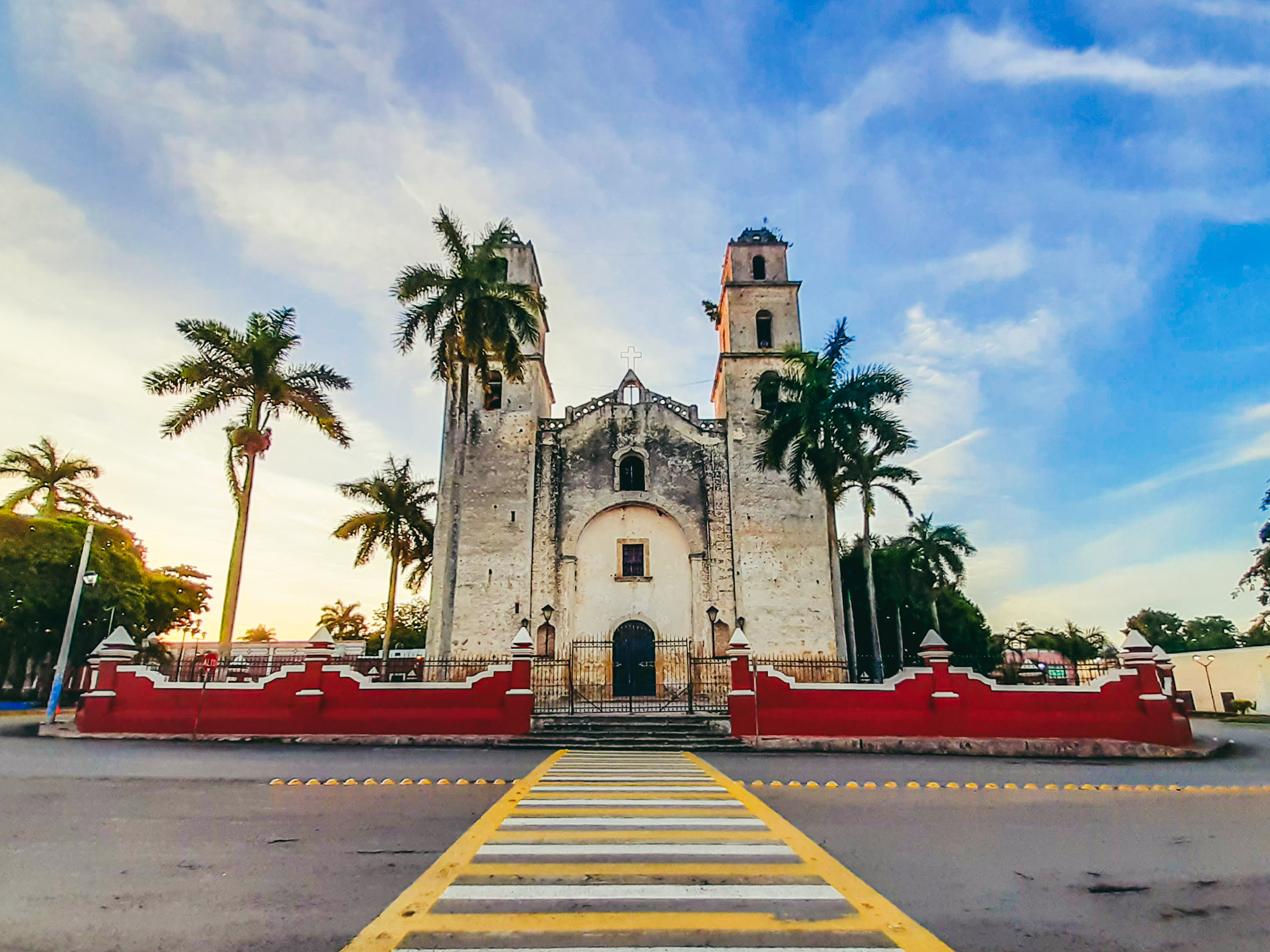
Espita is one of Yucatán’s newest Pueblos Mágicos (since 2023), a tranquil, colonial-era town set amid low jungle and maize country in the peninsula’s east. Nicknamed “La Atenas de Yucatán” (the Athens of Yucatán) for its 19th-century cultural boom, Espita charms with pastel streets, a handsome main square, and the 18th-century Parroquia de San José. It’s also a perfect base between Valladolid, Ek’ Balam, and the north-coast biospheres, yet it sees a fraction of the crowds.
\n\n
History
\n
Deep Maya Roots: Long before the Spanish arrived, the region belonged to the Maya province of the Cupules, a network of towns tied together by trade, subsistence maize-farming, and sacred cenotes. The place name “Espita” is often linked to Maya terms referencing water and springs—apt for a settlement ringed by karst wells that sustained life and agriculture.
\n
16th–17th centuries: Founding & Encomienda. After the conquest of the Yucatán peninsula, Spanish authorities folded the settlement into the encomienda system. A gridlike town center took shape around a modest chapel and plaza. Indigenous communities continued to speak Maya and maintain milpa cycles, while tribute, Catholic feast days, and new civic offices (like the cabildo) were layered onto local life. By the late 1600s, Espita had emerged as a rural hub linking Valladolid, Tizimín, and the coast.
\n
18th century: Parish & Plaza Life. Prosperity from maize, honey, and cattle supported the construction and enlargement of San José Parish, whose limestone façade and thick buttresses reflect frontier Yucatán’s solid, hurricane-ready architecture. Around the growing main square, arcaded houses and simple one-story homes blended Maya building knowledge (ventilation, courtyards, lime plasters) with colonial aesthetics.
\n
19th century: Schools, Salons & “La Atenas de Yucatán.” As regional trade expanded, Espita invested in literacy and civic culture: small schools, newspapers or broadsheets, literary circles, and music bands. Local elites sponsored public works and religious festivals, and itinerant teachers and musicians circulated through the east. This unusual concentration of learning and arts in a relatively small town earned Espita its enduring nickname, the “Athens of Yucatán.”
\n
Mid-1800s: Upheaval & Resilience. The wider peninsula convulsed with conflicts, shifting trade, and demographic changes. Espita’s position between cattle country and maize lands made it both exposed and resilient; communities relied on kin networks, milpas, and parish life to weather instability. Despite headwinds, the town preserved its civic institutions and religious calendar.
\n
Late 19th–early 20th centuries: Roads, Ranching & Crafts. New roads and mule trails linked Espita more tightly to Valladolid and the Gulf coast. While the henequén boom centered farther west, the east leaned on maize, beekeeping, and expanding ranching. Families added small-scale trades—tailoring, baking, carpentry—and the plaza thrived as a market for seasonal produce and textiles.
\n
20th century: Quiet Decades & Local Continuity. As economic activity concentrated in larger cities, Espita experienced out-migration and a slower pace of growth. Yet the town’s tangible heritage—churches, arcaded homes, street grid—remained intact, and intangible traditions—vaquerías, processions, culinary customs—continued, sustained by parish groups, school bands, and neighborhood committees.
\n
21st century: Heritage Recognition & Community Pride. Interest in culture-forward travel brought fresh attention to Espita’s architecture, festivals, and calm rhythm of life. In 2023 the town was named a Pueblo Mágico, a recognition embraced locally as a platform to restore façades, strengthen festivities, and showcase Maya-Yucatecan identity to visitors in a respectful, small-town frame.
\n\n
Practical Information
\n
-
- \n
- Entry Fee: Free (public town)
\n
-
- Hours: Open 24/7; most shops 9:00 AM–8:00 PM; restaurants vary
\n
-
- Best Time: December for the Fiesta de la Natividad (Dec 19–26); otherwise Nov–Mar for cooler weather; mornings and late afternoons year-round
\n
-
- Facilities: Restaurants, cafés, pharmacies, small groceries, fuel station, basic ATMs in town or in nearby Tizimín/Valladolid
\n
-
- Payment: Cash preferred; some businesses accept cards
\n
-
- Visit Length: Half day to full day
\n
\n\n
What to Expect
\n
Expect a peaceful, walkable center around the Parque Principal, where locals gather in the evenings. Key sights include the stone-façade San José Parish; the nearby Santuario de los Santos Reyes (Three Kings Sanctuary); colorful streets with vernacular Maya-colonial homes; and small bakeries and tortillerías perfuming the air. On festival days, you’ll catch vaquerías (traditional dances), bandas, and processions. Atmosphere is decidedly local and family-friendly; English is less common than in bigger hubs—another reason it feels authentic.
\n\n
Getting There
\n
By Car (from Valladolid ~52 km / ~1 hr): take MEX-180 east toward Tizimín, then connect north via Calotmul to Espita. From Tizimín (~28 km / ~35 min) follow MEX-295 south-west. From Mérida (~2.5–3 hrs), follow MEX-180D to Valladolid and continue as above.
\n
Public Transport: From Valladolid, frequent buses and colectivos toward Tizimín drop at Calotmul; transfer to a colectivo/taxi for the final leg to Espita. From Tizimín, colectivos depart regularly near the main cathedral area. From Mérida/Izamal, morning Noreste buses pass toward the east; confirm current times locally.
\n
Parking: Street parking around the main square; be mindful of signed restrictions during events. Some guesthouses provide off-street spots.
\n\n
What to Bring
\n
-
- \n
- Comfortable walking shoes (uneven sidewalks, cobbles)
\n
-
- Sun protection: hat, sunglasses, biodegradable sunscreen
\n
-
- Light, breathable clothing; a light layer for evenings in winter
\n
-
- Reusable water bottle; cash (small bills) for markets and colectivos
\n
-
- Camera/phone with wide-angle; portable charger
\n
\n\n
Tips & Safety
\n
-
- \n
- Go early or late for the best light and cooler temps; take a midday siesta like the locals.
\n
-
- Mind siesta hours: some shops close 2–5 PM.
\n
-
- Festival travel: book lodging in advance for December’s Natividad festivities.
\n
-
- Road safety: night driving in rural areas isn’t recommended due to unlit roads and livestock.
\n
-
- Respect local customs: dress modestly in churches and during religious events.
\n
\n\n
Nearby Attractions
\n
-
- \n
- Ek’ Balam Archaeological Zone (≈35–45 min): climbable Acropolis pyramid and lush jungle setting.
\n
-
- Valladolid (≈1 hr): colonial city with cenotes (Zací, Saamal), museums, dining.
\n
-
- Cenotes near Temozón/Calotmul (30–50 min): photogenic swimming spots to pair with Espita.
\n
-
- Ría Lagartos Biosphere (≈1.5–2 hrs via Tizimín): flamingos, mangroves, boat tours.
\n
-
- Tizimín (≈35 min): larger services; January Feria de Reyes in the region.
\n
“,
Espita, Yucatán: Pueblo Mágico Guide
On This Page
Explore Espita, Yucatán’s tranquil Pueblo Mágico: colonial streets, San José church, local festivals, and easy day-trip access to Ek’ Balam and Valladolid.
Our Take
"Espita is a shy Pueblo Mágico where crumbling mansions meet mezcal bars—perfect for slow afternoons and starry hacienda stays."
What Makes This Special
\n
Espita is one of Yucatán’s newest Pueblos Mágicos (since 2023), a tranquil, colonial-era town set amid low jungle and maize country in the peninsula’s east. Nicknamed “La Atenas de Yucatán” (the Athens of Yucatán) for its 19th-century cultural boom, Espita charms with pastel streets, a handsome main square, and the 18th-century Parroquia de San José. It’s also a perfect base between Valladolid, Ek’ Balam, and the north-coast biospheres, yet it sees a fraction of the crowds.
\n\n
History
\n
Deep Maya Roots: Long before the Spanish arrived, the region belonged to the Maya province of the Cupules, a network of towns tied together by trade, subsistence maize-farming, and sacred cenotes. The place name “Espita” is often linked to Maya terms referencing water and springs—apt for a settlement ringed by karst wells that sustained life and agriculture.
\n
16th–17th centuries: Founding & Encomienda. After the conquest of the Yucatán peninsula, Spanish authorities folded the settlement into the encomienda system. A gridlike town center took shape around a modest chapel and plaza. Indigenous communities continued to speak Maya and maintain milpa cycles, while tribute, Catholic feast days, and new civic offices (like the cabildo) were layered onto local life. By the late 1600s, Espita had emerged as a rural hub linking Valladolid, Tizimín, and the coast.
\n
18th century: Parish & Plaza Life. Prosperity from maize, honey, and cattle supported the construction and enlargement of San José Parish, whose limestone façade and thick buttresses reflect frontier Yucatán’s solid, hurricane-ready architecture. Around the growing main square, arcaded houses and simple one-story homes blended Maya building knowledge (ventilation, courtyards, lime plasters) with colonial aesthetics.
\n
19th century: Schools, Salons & “La Atenas de Yucatán.” As regional trade expanded, Espita invested in literacy and civic culture: small schools, newspapers or broadsheets, literary circles, and music bands. Local elites sponsored public works and religious festivals, and itinerant teachers and musicians circulated through the east. This unusual concentration of learning and arts in a relatively small town earned Espita its enduring nickname, the “Athens of Yucatán.”
\n
Mid-1800s: Upheaval & Resilience. The wider peninsula convulsed with conflicts, shifting trade, and demographic changes. Espita’s position between cattle country and maize lands made it both exposed and resilient; communities relied on kin networks, milpas, and parish life to weather instability. Despite headwinds, the town preserved its civic institutions and religious calendar.
\n
Late 19th–early 20th centuries: Roads, Ranching & Crafts. New roads and mule trails linked Espita more tightly to Valladolid and the Gulf coast. While the henequén boom centered farther west, the east leaned on maize, beekeeping, and expanding ranching. Families added small-scale trades—tailoring, baking, carpentry—and the plaza thrived as a market for seasonal produce and textiles.
\n
20th century: Quiet Decades & Local Continuity. As economic activity concentrated in larger cities, Espita experienced out-migration and a slower pace of growth. Yet the town’s tangible heritage—churches, arcaded homes, street grid—remained intact, and intangible traditions—vaquerías, processions, culinary customs—continued, sustained by parish groups, school bands, and neighborhood committees.
\n
21st century: Heritage Recognition & Community Pride. Interest in culture-forward travel brought fresh attention to Espita’s architecture, festivals, and calm rhythm of life. In 2023 the town was named a Pueblo Mágico, a recognition embraced locally as a platform to restore façades, strengthen festivities, and showcase Maya-Yucatecan identity to visitors in a respectful, small-town frame.
\n\n
Practical Information
\n
-
- \n
- Entry Fee: Free (public town)
\n
-
- Hours: Open 24/7; most shops 9:00 AM–8:00 PM; restaurants vary
\n
-
- Best Time: December for the Fiesta de la Natividad (Dec 19–26); otherwise Nov–Mar for cooler weather; mornings and late afternoons year-round
\n
-
- Facilities: Restaurants, cafés, pharmacies, small groceries, fuel station, basic ATMs in town or in nearby Tizimín/Valladolid
\n
-
- Payment: Cash preferred; some businesses accept cards
\n
-
- Visit Length: Half day to full day
\n
\n\n
What to Expect
\n
Expect a peaceful, walkable center around the Parque Principal, where locals gather in the evenings. Key sights include the stone-façade San José Parish; the nearby Santuario de los Santos Reyes (Three Kings Sanctuary); colorful streets with vernacular Maya-colonial homes; and small bakeries and tortillerías perfuming the air. On festival days, you’ll catch vaquerías (traditional dances), bandas, and processions. Atmosphere is decidedly local and family-friendly; English is less common than in bigger hubs—another reason it feels authentic.
\n\n
Getting There
\n
By Car (from Valladolid ~52 km / ~1 hr): take MEX-180 east toward Tizimín, then connect north via Calotmul to Espita. From Tizimín (~28 km / ~35 min) follow MEX-295 south-west. From Mérida (~2.5–3 hrs), follow MEX-180D to Valladolid and continue as above.
\n
Public Transport: From Valladolid, frequent buses and colectivos toward Tizimín drop at Calotmul; transfer to a colectivo/taxi for the final leg to Espita. From Tizimín, colectivos depart regularly near the main cathedral area. From Mérida/Izamal, morning Noreste buses pass toward the east; confirm current times locally.
\n
Parking: Street parking around the main square; be mindful of signed restrictions during events. Some guesthouses provide off-street spots.
\n\n
What to Bring
\n
-
- \n
- Comfortable walking shoes (uneven sidewalks, cobbles)
\n
-
- Sun protection: hat, sunglasses, biodegradable sunscreen
\n
-
- Light, breathable clothing; a light layer for evenings in winter
\n
-
- Reusable water bottle; cash (small bills) for markets and colectivos
\n
-
- Camera/phone with wide-angle; portable charger
\n
\n\n
Tips & Safety
\n
-
- \n
- Go early or late for the best light and cooler temps; take a midday siesta like the locals.
\n
-
- Mind siesta hours: some shops close 2–5 PM.
\n
-
- Festival travel: book lodging in advance for December’s Natividad festivities.
\n
-
- Road safety: night driving in rural areas isn’t recommended due to unlit roads and livestock.
\n
-
- Respect local customs: dress modestly in churches and during religious events.
\n
\n\n
Nearby Attractions
\n
-
- \n
- Ek’ Balam Archaeological Zone (≈35–45 min): climbable Acropolis pyramid and lush jungle setting.
\n
-
- Valladolid (≈1 hr): colonial city with cenotes (Zací, Saamal), museums, dining.
\n
-
- Cenotes near Temozón/Calotmul (30–50 min): photogenic swimming spots to pair with Espita.
\n
-
- Ría Lagartos Biosphere (≈1.5–2 hrs via Tizimín): flamingos, mangroves, boat tours.
\n
-
- Tizimín (≈35 min): larger services; January Feria de Reyes in the region.
\n
“,
Location
Plan Your Visit
Sun hat, biodegradable sunscreen, comfy shoes, cash, reusable water bottle
Restaurants, cafés, pharmacies, basic ATMs, fuel station
Plan around siesta hours; carry cash; avoid rural night driving