
Izamal: The Yellow City Guide
What Makes This Special
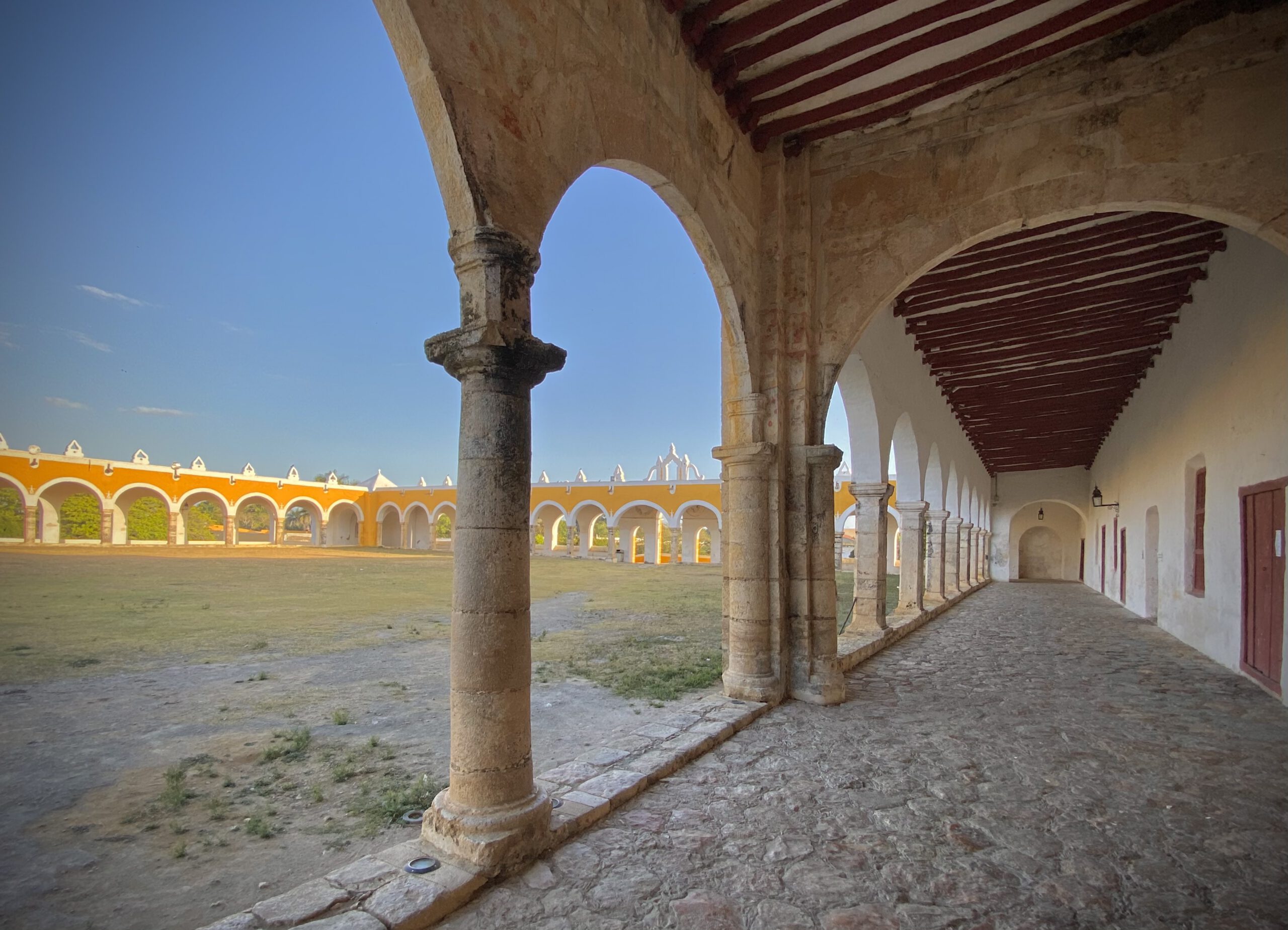
Izamal—nicknamed La Ciudad Amarilla (The Yellow City)—is one of Yucatán’s most photogenic Pueblo Mágico towns. Nearly every building around the historic center is painted in warm shades of yellow and white, creating a sunlit backdrop for colonial arcades, quiet plazas, and traditional calesa (horse-drawn carriage) rides. What truly sets Izamal apart is the way three cultures overlap in one walkable place: pre-Hispanic Maya pyramids, a 16th-century Franciscan convent, and a lived-in, contemporary Yucatecan town.
Highlights include climbing the Kinich Kakmó pyramid for sweeping peninsula views, strolling the massive arcaded atrium of the Convento de San Antonio de Padua, and browsing the Centro Cultural y Artesanal for a curated introduction to folk art from across Mexico. Add regional dishes like cochinita pibil, poc chuc, and papadzules at beloved eateries, and you’ve got a perfect half-day or full-day trip from Mérida—or an overnight escape with golden-hour magic.
History
Long before the Spanish arrived, Izamal was a major Maya pilgrimage center associated with the creator deity Itzamná and the sun god Kinich Kakmó. The city flourished during the Late Pre-classic through Late Classic periods, leaving a constellation of platforms and pyramids across today’s town—among them Kinich Kakmó, Itzamatul, and Kabul. After the conquest, Franciscans built a vast convent complex (1550s-1561) over a leveled Maya platform. The convent’s monumental atrium—framed by hundreds of arches—became both a center of evangelization and a symbol of the new colonial order, literally and metaphorically built atop the older ceremonial city.
In the modern era, Izamal has retained its ceremonial importance (pilgrimages still take place) and was recognized as Yucatán’s first Pueblo Mágico in 2002. The yellow palette you see today was standardized to unify the historic center’s look, and the town’s compact scale has helped it keep a calmer, small-city rhythm even as day-trippers arrive from Mérida and the Riviera Maya.
Practical Information
- Entry & Fees: Wandering town and plazas is free. Kinich Kakmó pyramid is typically free; Centro Cultural y Artesanal charges a small fee (around $25 MXN). The evening video-mapping show at the convent (Caminos/Paths of Light) sells separate tickets.
- Hours: Town is open 24/7. Convent complex and museums usually operate daylight/early-evening hours; pyramids commonly 9:00 AM–5:00 PM.
- Best For: Culture lovers, photographers, families, foodies, and history buffs.
- Recommended Time: Half day (4–5 hrs) for highlights; full day to include artisan center, market lunch, and sunset atop Kinich Kakmó.
- Payments: Cash is widely useful; some restaurants accept cards. ATMs are near the main square.
- Accessibility: Streets and the convent atrium are largely accessible; pyramids require steep, uneven steps.
- Evening Show: The convent’s Paths of Light video-mapping typically runs several nights weekly; verify current days/times at the tourist office or online before you go.
What to Expect
Atmosphere: A low-rise historic town with mellow traffic, ringing church bells, and a golden monochrome that glows at sunrise and sunset. Weekends bring more visitors; weekdays are calmer.
Top Things to Do:
- Climb Pirámide de Kinich Kakmó: One of Yucatán’s largest pyramids by volume. The short but steep climb rewards you with panoramic views over yellow streets and green lowlands. Wear grippy shoes; steps can be large and uneven.
- Convento de San Antonio de Padua: Cross the immense arcaded atrium, step into the basilica, and browse the small on-site exhibits. It’s the visual heart of town and ideal for photos.
- Centro Cultural y Artesanal: A small, well-curated museum and gallery showcasing Mexican folk art (textiles, ceramics, woodwork). Great for context and quality souvenirs.
- Parque Itzamná & Arcades: Linger under the arches, people-watch, and photograph the colonial facades. Horse-drawn carriages line up here for short town circuits.
- Other Maya Structures: Walk or calesa to Itzamatul and Kabul for quieter, atmospheric ruins embedded in the neighborhood grid.
- Evening Video-Mapping: If it’s running during your visit, the convent’s projection show narrates Izamal’s layered history on monumental walls—memorable in the cool of evening.
Where to Eat & Drink:
- Kinich — The town classic for regional Yucatecan cuisine under palm-roofed palapas. Order poc chuc, papadzules, panuchos, sikil p’ak, and house-made tortillas. Expect a short wait during peak lunch.
- Restaurante Zamná — Cozy spot for traditional plates and daily specials; good for a late lunch after sightseeing.
- Los Arcos — Casual, centrally located option with solid Yucatecan standards and people-watching near the arcades.
- Mercado Municipal Stalls — For very local flavors: tortas and tacos of cochinita or lechón, salbutes, and fresh juices at humble counters like Lonchería stands inside the market.
- Cafés — Try El Andén Coffee Shop or small bakeries around the square for a mid-morning iced coffee and pastry.
Getting There
From Mérida by Car (≈70–75 km / ~1–1.25 hrs): Take Highway 180 east toward Hoctún; at Hoctún follow YUC-11 north to Izamal. Parking is typically on-street around the main square; drive slowly over cobblestones and watch for one-way streets.
By Bus from Mérida: Second-class buses (e.g., Oriente) run frequently from central terminals toward Izamal, usually taking 1.5–2 hours due to intermediate stops. Check current departures at the station on travel day.
By Train (Tren Maya): Izamal has a station on the Mérida–Cancún corridor. Services and exact times change; consult the official booking site or station information and plan onward transport (taxi/colectivo) from the station to the historic center.
On Foot/Local Transport: The historic center is compact; most sights are a 5–10-minute walk apart. Calesa carriage rides provide short narrated loops; confirm price and route before boarding.
What to Bring
- Sun protection: wide-brim hat, sunglasses, lightweight long sleeves, and reef-safe/biodegradable sunscreen.
- Comfortable closed-toe shoes with grip for pyramid steps and cobblestones.
- Reusable water bottle; hydration is essential year-round.
- Small bills for market snacks, museum fees, and tips.
- Camera/phone with extra battery; golden hour is spectacular on yellow facades.
Tips & Safety
- Beat the Heat: Plan outdoor climbs and photo walks for early morning or late afternoon; rest midday under the arcades or at a long lunch.
- Climbing Safety: Pyramid steps are tall and irregular; descend slowly, facing inward if needed. Avoid climbing in rain.
- Respect Sacred Spaces: The convent is an active religious site; dress modestly and keep voices low during services.
- Ethics Note: If considering a calesa ride, choose operators following good animal-care practices; if you’re unsure, opt to explore on foot.
- Cash & Connectivity: ATMs exist but may run low; carry cash. Mobile data is generally reliable in the center.
- Evening Plans: If attending the video-mapping show, arrive early to secure seats and confirm the language of narration.
Nearby Attractions
- Aké Ruins (≈35–45 min drive): A low-key archaeological site connected to Izamal by ancient sakbé (white road). Climbable structures and a tranquil, rural setting.
- Homún & Cuzamá Cenotes (≈50–70 min): Spend a half-day swimming crystal-clear underground pools. In Homún, a moto-taxi guide can help link multiple cenotes efficiently.
- Tixkokob (≈35–40 min): Hammock-weaving town—visit small workshops for high-quality, hand-tied hammocks.
- Mérida (≈1–1.25 hrs): Colonial capital with museums, nightly cultural events, and an expansive dining scene; combine Izamal as a day trip or stopover.
- Chichén Itzá/Valladolid: East along the same corridor; possible via car, bus, or train with careful timing.
Izamal: The Yellow City Guide
On This Page
Izamal, Yucatán’s Yellow City: climb Kinich Kakmó, explore the vast convent, browse folk art, and savor classic Yucatecan cuisine—all in a golden, walkable town.
Our Take
"Izamal glows golden at every hour—climb the pyramid for rooftop vistas, then linger over corn cakes in arcaded convent courtyards."
What Makes This Special
Izamal—nicknamed La Ciudad Amarilla (The Yellow City)—is one of Yucatán’s most photogenic Pueblo Mágico towns. Nearly every building around the historic center is painted in warm shades of yellow and white, creating a sunlit backdrop for colonial arcades, quiet plazas, and traditional calesa (horse-drawn carriage) rides. What truly sets Izamal apart is the way three cultures overlap in one walkable place: pre-Hispanic Maya pyramids, a 16th-century Franciscan convent, and a lived-in, contemporary Yucatecan town.
Highlights include climbing the Kinich Kakmó pyramid for sweeping peninsula views, strolling the massive arcaded atrium of the Convento de San Antonio de Padua, and browsing the Centro Cultural y Artesanal for a curated introduction to folk art from across Mexico. Add regional dishes like cochinita pibil, poc chuc, and papadzules at beloved eateries, and you’ve got a perfect half-day or full-day trip from Mérida—or an overnight escape with golden-hour magic.
History
Long before the Spanish arrived, Izamal was a major Maya pilgrimage center associated with the creator deity Itzamná and the sun god Kinich Kakmó. The city flourished during the Late Pre-classic through Late Classic periods, leaving a constellation of platforms and pyramids across today’s town—among them Kinich Kakmó, Itzamatul, and Kabul. After the conquest, Franciscans built a vast convent complex (1550s-1561) over a leveled Maya platform. The convent’s monumental atrium—framed by hundreds of arches—became both a center of evangelization and a symbol of the new colonial order, literally and metaphorically built atop the older ceremonial city.
In the modern era, Izamal has retained its ceremonial importance (pilgrimages still take place) and was recognized as Yucatán’s first Pueblo Mágico in 2002. The yellow palette you see today was standardized to unify the historic center’s look, and the town’s compact scale has helped it keep a calmer, small-city rhythm even as day-trippers arrive from Mérida and the Riviera Maya.
Practical Information
- Entry & Fees: Wandering town and plazas is free. Kinich Kakmó pyramid is typically free; Centro Cultural y Artesanal charges a small fee (around $25 MXN). The evening video-mapping show at the convent (Caminos/Paths of Light) sells separate tickets.
- Hours: Town is open 24/7. Convent complex and museums usually operate daylight/early-evening hours; pyramids commonly 9:00 AM–5:00 PM.
- Best For: Culture lovers, photographers, families, foodies, and history buffs.
- Recommended Time: Half day (4–5 hrs) for highlights; full day to include artisan center, market lunch, and sunset atop Kinich Kakmó.
- Payments: Cash is widely useful; some restaurants accept cards. ATMs are near the main square.
- Accessibility: Streets and the convent atrium are largely accessible; pyramids require steep, uneven steps.
- Evening Show: The convent’s Paths of Light video-mapping typically runs several nights weekly; verify current days/times at the tourist office or online before you go.
What to Expect
Atmosphere: A low-rise historic town with mellow traffic, ringing church bells, and a golden monochrome that glows at sunrise and sunset. Weekends bring more visitors; weekdays are calmer.
Top Things to Do:
- Climb Pirámide de Kinich Kakmó: One of Yucatán’s largest pyramids by volume. The short but steep climb rewards you with panoramic views over yellow streets and green lowlands. Wear grippy shoes; steps can be large and uneven.
- Convento de San Antonio de Padua: Cross the immense arcaded atrium, step into the basilica, and browse the small on-site exhibits. It’s the visual heart of town and ideal for photos.
- Centro Cultural y Artesanal: A small, well-curated museum and gallery showcasing Mexican folk art (textiles, ceramics, woodwork). Great for context and quality souvenirs.
- Parque Itzamná & Arcades: Linger under the arches, people-watch, and photograph the colonial facades. Horse-drawn carriages line up here for short town circuits.
- Other Maya Structures: Walk or calesa to Itzamatul and Kabul for quieter, atmospheric ruins embedded in the neighborhood grid.
- Evening Video-Mapping: If it’s running during your visit, the convent’s projection show narrates Izamal’s layered history on monumental walls—memorable in the cool of evening.
Where to Eat & Drink:
- Kinich — The town classic for regional Yucatecan cuisine under palm-roofed palapas. Order poc chuc, papadzules, panuchos, sikil p’ak, and house-made tortillas. Expect a short wait during peak lunch.
- Restaurante Zamná — Cozy spot for traditional plates and daily specials; good for a late lunch after sightseeing.
- Los Arcos — Casual, centrally located option with solid Yucatecan standards and people-watching near the arcades.
- Mercado Municipal Stalls — For very local flavors: tortas and tacos of cochinita or lechón, salbutes, and fresh juices at humble counters like Lonchería stands inside the market.
- Cafés — Try El Andén Coffee Shop or small bakeries around the square for a mid-morning iced coffee and pastry.
Getting There
From Mérida by Car (≈70–75 km / ~1–1.25 hrs): Take Highway 180 east toward Hoctún; at Hoctún follow YUC-11 north to Izamal. Parking is typically on-street around the main square; drive slowly over cobblestones and watch for one-way streets.
By Bus from Mérida: Second-class buses (e.g., Oriente) run frequently from central terminals toward Izamal, usually taking 1.5–2 hours due to intermediate stops. Check current departures at the station on travel day.
By Train (Tren Maya): Izamal has a station on the Mérida–Cancún corridor. Services and exact times change; consult the official booking site or station information and plan onward transport (taxi/colectivo) from the station to the historic center.
On Foot/Local Transport: The historic center is compact; most sights are a 5–10-minute walk apart. Calesa carriage rides provide short narrated loops; confirm price and route before boarding.
What to Bring
- Sun protection: wide-brim hat, sunglasses, lightweight long sleeves, and reef-safe/biodegradable sunscreen.
- Comfortable closed-toe shoes with grip for pyramid steps and cobblestones.
- Reusable water bottle; hydration is essential year-round.
- Small bills for market snacks, museum fees, and tips.
- Camera/phone with extra battery; golden hour is spectacular on yellow facades.
Tips & Safety
- Beat the Heat: Plan outdoor climbs and photo walks for early morning or late afternoon; rest midday under the arcades or at a long lunch.
- Climbing Safety: Pyramid steps are tall and irregular; descend slowly, facing inward if needed. Avoid climbing in rain.
- Respect Sacred Spaces: The convent is an active religious site; dress modestly and keep voices low during services.
- Ethics Note: If considering a calesa ride, choose operators following good animal-care practices; if you’re unsure, opt to explore on foot.
- Cash & Connectivity: ATMs exist but may run low; carry cash. Mobile data is generally reliable in the center.
- Evening Plans: If attending the video-mapping show, arrive early to secure seats and confirm the language of narration.
Nearby Attractions
- Aké Ruins (≈35–45 min drive): A low-key archaeological site connected to Izamal by ancient sakbé (white road). Climbable structures and a tranquil, rural setting.
- Homún & Cuzamá Cenotes (≈50–70 min): Spend a half-day swimming crystal-clear underground pools. In Homún, a moto-taxi guide can help link multiple cenotes efficiently.
- Tixkokob (≈35–40 min): Hammock-weaving town—visit small workshops for high-quality, hand-tied hammocks.
- Mérida (≈1–1.25 hrs): Colonial capital with museums, nightly cultural events, and an expansive dining scene; combine Izamal as a day trip or stopover.
- Chichén Itzá/Valladolid: East along the same corridor; possible via car, bus, or train with careful timing.
Location
Plan Your Visit
Wide-brim hat, biodegradable sunscreen, water, grippy shoes, small bills
ATMs, public restrooms near plaza, cafes, artisan center, taxis/calesas
Arrive early, carry cash, verify evening show times, confirm calesa price/route