
Kulubá (Tizimín): Classic & Terminal Classic Palaces in the Jungle
What Makes This Special
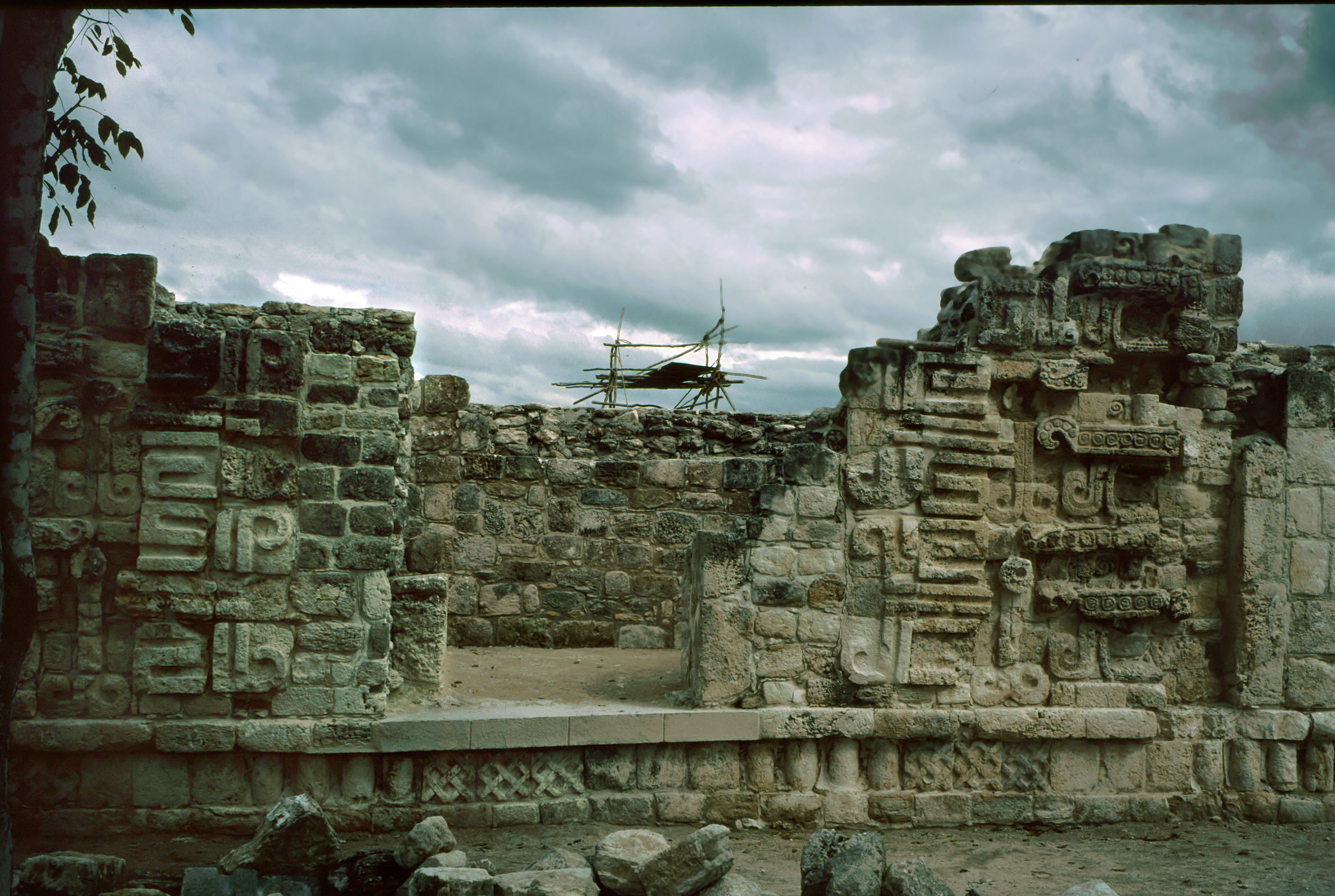
Kulubá is a rarely visited Maya city deep in cattle-ranch country east of Tizimín. You come for its palatial architecture—massive platforms and long-room buildings—set in a quiet patch of semi-deciduous jungle. The site’s standout is a Late Classic palace later interrupted by a Terminal Classic, Itzá-style addition linked to the rise of nearby Chichén Itzá. It’s the story of two eras carved into one monumental staircase, with birdsong and forest light filtering through the ruins.
Deep History (Why It Matters)
- Late Classic → Terminal Classic arc (c. 600–1050 CE): Kulubá flourished in the Late Classic and then shows clear Terminal Classic influence from Chichén Itzá. Excavations at the so-called Palacio de los Pilares (Palace of the Pillars) revealed a grand vaulted building with megalithic stairways (Late Classic); in a second stage, an Itzá Palace was inserted mid-stair, echoing open-front columned halls at Chichén (Terminal Classic).
- Regional web: Kulubá sat in the northeast Yucatán network alongside Ek’ Balam and (especially) Chichén Itzá; its architecture preserves that shifting power dynamic.
Classic vs. Terminal Classic Palaces—What to Look For
- Palacio de los Pilares (Late Classic): A long, single-vaulted range backed by pillars (pilasters) and reached by broad, megalithic steps—think big stone blocks and steep risers.
- Palacio Itzá (Terminal Classic): Later construction inserted into the middle of the earlier stair; open-fronted, with interior columns and benches—hallmarks of Chichén Itzá’s hypostyle vocabulary.
- Groups A, B, C: Three principal groups scattered in low forest; façades show Puuc-style elements blended with Itzá traits.
Practical Information
- Status: Restoration and access have been evolving. As of late 2025, local authorities have announced public opening plans, but on-the-ground protocols can vary; verify current access in Tizimín before you go.
- Hours: Historically daylight (often cited ~8:00 AM–5:00 PM) with caretaker registration; confirm locally.
- Entry Fee: Historically free/by donation when informal; an INAH ticket may be instituted upon full opening—carry cash (small bills).
- Recommended Visit Length: 1.5–3 hours.
- Difficulty: Easy–moderate (flat trails, uneven stones; limited shade).
- Facilities: Minimal on-site; no vendors; occasional caretaker presence.
- Accessibility: Not wheelchair accessible; rustic paths and low steps.
- Road Conditions: Last stretch can be very rough/muddy in the rainy season; high-clearance advisable.
What to Expect
- Jungle ambience: Low forest, birds, and quiet—often few other visitors.
- Big platforms & long rooms: Walk the bases and room blocks that define Kulubá’s civic-elite core.
- Megalithic stairs: Look for oversized stone treads and tall risers on the main stairways.
- Style mashup: Puuc mosaics in places, plus columned “Itzá” elements—architectural evidence of shifting power.
Getting There
Location: Northeast Yucatán. ~37 km SE of Tizimín; ~52 km WSW of Valladolid.
- From Tizimín: Take the road toward Colonia Yucatán; around km 25 turn south toward Tixcancal. Pass the San Pedro Juárez area and ranches (e.g., “Los Pinos”) to the site turnoff. Signage is limited; offline maps help.
- From Valladolid (about 1–1.5 hrs): Drive NW toward Tizimín, then follow the spur to Colonia Yucatán and the turnoff as above.
- Without a car: Limited public transport; arrange a taxi from Tizimín (round trip + wait time) or go with a local guide.
Parking: Informal roadside/clearing; no shade structures—don’t leave valuables visible.
What to Bring
- Water (1–1.5 L pp) and electrolytes
- Hat, sunglasses, mineral sunscreen; light long sleeves
- Closed-toe shoes with good grip
- Insect repellent (especially wet season)
- Offline map and cash (small bills)
Tips & Safety
- Seasonality: Rains can make the access road muddy—reassess if conditions look bad.
- Respect the ruins: Don’t climb fragile masonry; avoid touching carved stones.
- Plan B: If access is temporarily restricted, pair your day with Ek’ Balam or Río Lagartos and try again with local guidance.
Nearby & Pairings
- Tizimín: Base town for supplies, fuel, and taxis.
- Ek’ Balam: Monumental acropolis and sculpted stucco (about 1–1.5 hrs by car).
- Valladolid: Colonial hub with cenotes and dining (roughly an hour+ away).
- Río Lagartos/Las Coloradas: Flamingos and salt flats on the coast—great combo if you’re based in Tizimín.
FAQs
- Is Kulubá officially open? Official opening has been announced; on-site arrangements may still feel low-key. Confirm in Tizimín the day before your visit.
- How long do I need? 1.5–3 hours at an unhurried pace.
- Why is Kulubá important? Its palaces capture a transition from Late Classic traditions to Terminal Classic, Itzá-influenced forms—tangible evidence of Chichén Itzá’s expansion.
Kulubá (Tizimín): Classic & Terminal Classic Palaces in the Jungle
On This Page
Northeast Yucatán’s jungle-wrapped palaces: a Late Classic ‘Palace of the Pillars’ later interrupted by an Itzá-style hall—Kulubá captures the Classic → Terminal Classic transition in stone.
Our Take
"Kulubá is still half-swallowed by forest—walk the path to find vaulted palaces and the remnants of a city that sat between Coba, Ek Balam, and Chichén Itzá."
What Makes This Special
Kulubá is a rarely visited Maya city deep in cattle-ranch country east of Tizimín. You come for its palatial architecture—massive platforms and long-room buildings—set in a quiet patch of semi-deciduous jungle. The site’s standout is a Late Classic palace later interrupted by a Terminal Classic, Itzá-style addition linked to the rise of nearby Chichén Itzá. It’s the story of two eras carved into one monumental staircase, with birdsong and forest light filtering through the ruins.
Deep History (Why It Matters)
- Late Classic → Terminal Classic arc (c. 600–1050 CE): Kulubá flourished in the Late Classic and then shows clear Terminal Classic influence from Chichén Itzá. Excavations at the so-called Palacio de los Pilares (Palace of the Pillars) revealed a grand vaulted building with megalithic stairways (Late Classic); in a second stage, an Itzá Palace was inserted mid-stair, echoing open-front columned halls at Chichén (Terminal Classic).
- Regional web: Kulubá sat in the northeast Yucatán network alongside Ek’ Balam and (especially) Chichén Itzá; its architecture preserves that shifting power dynamic.
Classic vs. Terminal Classic Palaces—What to Look For
- Palacio de los Pilares (Late Classic): A long, single-vaulted range backed by pillars (pilasters) and reached by broad, megalithic steps—think big stone blocks and steep risers.
- Palacio Itzá (Terminal Classic): Later construction inserted into the middle of the earlier stair; open-fronted, with interior columns and benches—hallmarks of Chichén Itzá’s hypostyle vocabulary.
- Groups A, B, C: Three principal groups scattered in low forest; façades show Puuc-style elements blended with Itzá traits.
Practical Information
- Status: Restoration and access have been evolving. As of late 2025, local authorities have announced public opening plans, but on-the-ground protocols can vary; verify current access in Tizimín before you go.
- Hours: Historically daylight (often cited ~8:00 AM–5:00 PM) with caretaker registration; confirm locally.
- Entry Fee: Historically free/by donation when informal; an INAH ticket may be instituted upon full opening—carry cash (small bills).
- Recommended Visit Length: 1.5–3 hours.
- Difficulty: Easy–moderate (flat trails, uneven stones; limited shade).
- Facilities: Minimal on-site; no vendors; occasional caretaker presence.
- Accessibility: Not wheelchair accessible; rustic paths and low steps.
- Road Conditions: Last stretch can be very rough/muddy in the rainy season; high-clearance advisable.
What to Expect
- Jungle ambience: Low forest, birds, and quiet—often few other visitors.
- Big platforms & long rooms: Walk the bases and room blocks that define Kulubá’s civic-elite core.
- Megalithic stairs: Look for oversized stone treads and tall risers on the main stairways.
- Style mashup: Puuc mosaics in places, plus columned “Itzá” elements—architectural evidence of shifting power.
Getting There
Location: Northeast Yucatán. ~37 km SE of Tizimín; ~52 km WSW of Valladolid.
- From Tizimín: Take the road toward Colonia Yucatán; around km 25 turn south toward Tixcancal. Pass the San Pedro Juárez area and ranches (e.g., “Los Pinos”) to the site turnoff. Signage is limited; offline maps help.
- From Valladolid (about 1–1.5 hrs): Drive NW toward Tizimín, then follow the spur to Colonia Yucatán and the turnoff as above.
- Without a car: Limited public transport; arrange a taxi from Tizimín (round trip + wait time) or go with a local guide.
Parking: Informal roadside/clearing; no shade structures—don’t leave valuables visible.
What to Bring
- Water (1–1.5 L pp) and electrolytes
- Hat, sunglasses, mineral sunscreen; light long sleeves
- Closed-toe shoes with good grip
- Insect repellent (especially wet season)
- Offline map and cash (small bills)
Tips & Safety
- Seasonality: Rains can make the access road muddy—reassess if conditions look bad.
- Respect the ruins: Don’t climb fragile masonry; avoid touching carved stones.
- Plan B: If access is temporarily restricted, pair your day with Ek’ Balam or Río Lagartos and try again with local guidance.
Nearby & Pairings
- Tizimín: Base town for supplies, fuel, and taxis.
- Ek’ Balam: Monumental acropolis and sculpted stucco (about 1–1.5 hrs by car).
- Valladolid: Colonial hub with cenotes and dining (roughly an hour+ away).
- Río Lagartos/Las Coloradas: Flamingos and salt flats on the coast—great combo if you’re based in Tizimín.
FAQs
- Is Kulubá officially open? Official opening has been announced; on-site arrangements may still feel low-key. Confirm in Tizimín the day before your visit.
- How long do I need? 1.5–3 hours at an unhurried pace.
- Why is Kulubá important? Its palaces capture a transition from Late Classic traditions to Terminal Classic, Itzá-influenced forms—tangible evidence of Chichén Itzá’s expansion.
Location
Plan Your Visit
Water, hat, sunscreen, insect repellent, sturdy shoes, cash (small bills), offline map
No vendors; occasional caretaker presence; minimal signage
Check access in Tizimín day-of; consider high-clearance vehicle; combine with Ek’ Balam or Río Lagartos