
Labná: Complete Visiting Guide (Ruta Puuc)
What Makes This Special
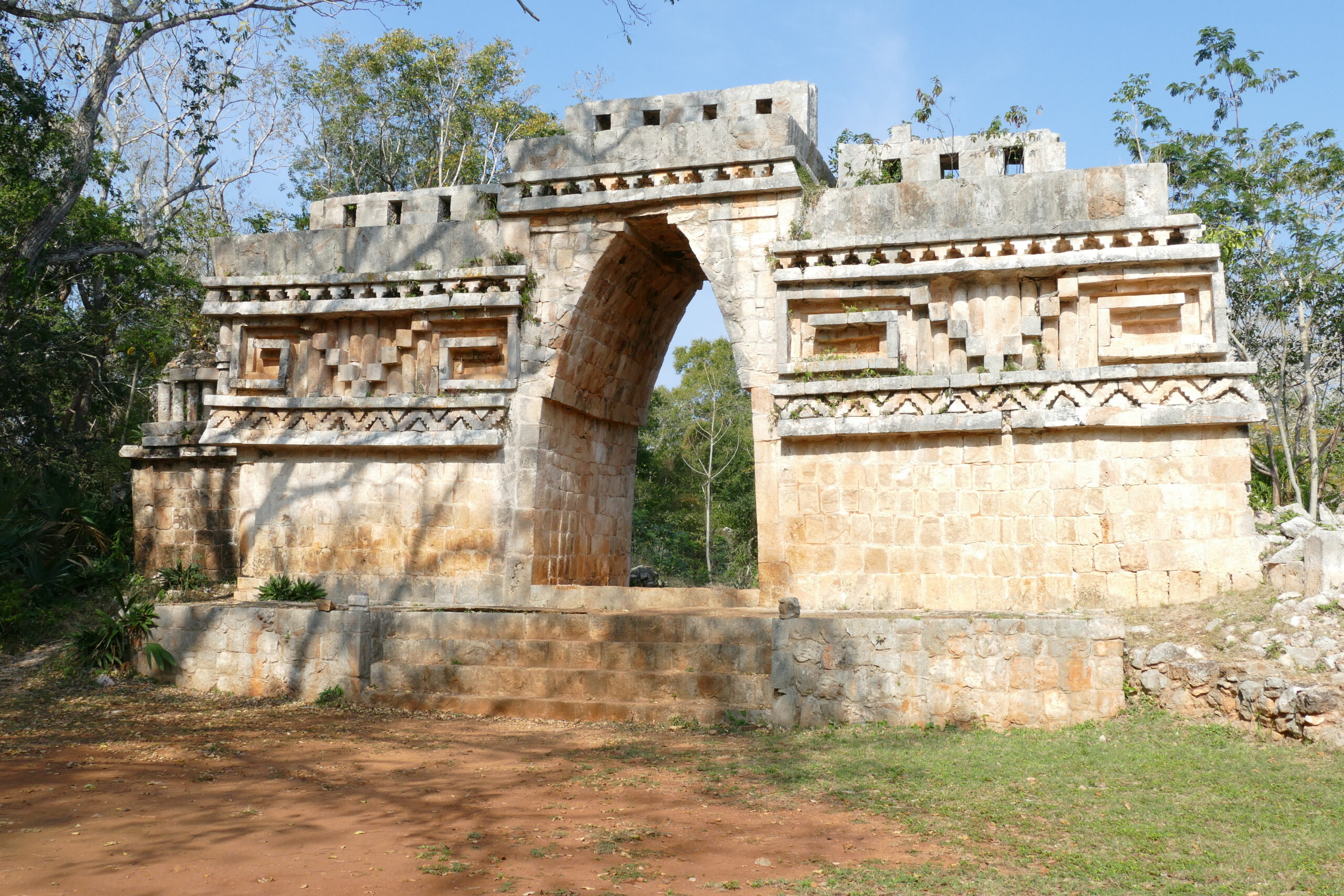
Labná is a serene Maya archaeological site on the famed Ruta Puuc, best known for its exquisitely carved Gateway Arch (El Arco), the long, multi-room Palace (El Palacio), and the hilltop Observatory/Lookout (El Mirador). Unlike larger, busier ruins, Labná offers a peaceful, immersive experience where Puuc-style details—mosaic stonework, geometric friezes, and masks of the rain god Chaac—are easy to study up close without the crowds. It’s an ideal stop for travelers who want craftsmanship, quiet paths, and evocative photography.
Architecturally, Labná distills what makes the Puuc region unique: smooth lower walls capped with elaborate, lace-like stone filigree above. A sacbé (ancient white road) historically connected the ceremonial areas, culminating in the freestanding arch—one of the most photogenic structures in all of Maya architecture. Together with Uxmal, Sayil, and Xlapak, Labná forms part of a UNESCO-listed cultural landscape celebrating the heights of Late Classic Puuc civilization.
History
Settled as early as the Late Preclassic and flourishing during the Late to Terminal Classic (roughly 600–1000 CE), Labná was a mid-size ceremonial and residential center integrated into the broader Puuc network. Its masonry sophistication hints at deep social organization and strong ties to regional hubs such as Uxmal and Kabah. Explorers John Lloyd Stephens and Frederick Catherwood documented Labná in the 1840s, with Catherwood’s drawings of the arch helping to popularize Puuc architecture worldwide.
The site’s name is often translated as “old house(s),” and its surviving monuments still communicate everyday and elite life: multi-level living quarters in the Palace, processional movement along the sacbé, ritual focus at the Mirador, and civic-ceremonial thresholds marked by the Arco. Today, Labná’s scale makes it approachable—plan on seeing the major groups without feeling rushed.
Practical Information
- Entry Fee: $75 MXN per person (local INAH ticket office)
- Hours: 8:00 AM – 5:00 PM daily (last entry 4:00 PM)
- Recommended Visit Length: 1–1.5 hours on site (2–3 hours if combining with Sayil/Xlapak)
- Facilities: Restrooms at/near the entrance; basic on-site services; occasional authorized guides
- Payments: Bring cash (small notes recommended)
- Rules & Restrictions: No food inside monument areas; no smoking; pets not allowed; drones require prior INAH authorization; respect roped-off areas
- Crowds: Light; expect more visitors on weekends/holidays
What to Expect
Labná is compact, walkable, and atmospheric. Trails are mostly unpaved with gentle inclines. Expect hot, dry conditions most of the year with limited shade—start early. Highlights include:
- El Arco (Gateway Arch): A freestanding ceremonial arch with rich Puuc ornament—your must-take photo. Morning light brings out texture; late afternoon gives warm tones.
- El Palacio (The Palace): A long, multi-room residential complex with classic Puuc features: columned facades, intricate stone latticework, and expressive Chaac masks.
- El Mirador (Lookout): A temple atop a small pyramid mound. The cresting and vantage point help visualize the site’s layout and the surrounding low hills (puuc means “hill” in Maya).
- Sacbé & Courtyards: Short walks link plazas and structures; keep an eye out for carved details that reward slow exploration.
Wildlife sightings (birds, iguanas, butterflies) are common. There are no vendors inside the monument zone; carry water. Cell signal can be spotty.
Getting There
From Mérida (approx. 2–2.5 hours by car):
- Take Federal Highway 261 (Mérida–Uxmal/Campeche) south past Muna and Santa Elena.
- Follow signed turnoffs for the Ruta Puuc / Emiliano Zapata and continue toward Oxkutzcab; watch for the Labná entrance sign.
Driving Notes: Roads are paved and generally in good condition; expect speed bumps (topes) near villages. Fuel up before leaving Mérida or Ticul/Oxkutzcab. Parking is at the site entrance (small, uncovered lot).
Public Transport & Tours: Independent public transport to the minor Puuc sites is limited and time-consuming; most visitors either self-drive or join a Ruta Puuc day tour that combines Labná with nearby ruins. If using a taxi from Ticul or Oxkutzcab, negotiate round-trip and waiting time.
What to Bring
- 1–2 liters of water per person; electrolytes recommended
- Sun protection: hat, sunglasses, breathable long sleeves; reef-safe/biodegradable sunscreen if needed
- Comfortable walking shoes or hiking sandals (uneven limestone paths)
- Cash (tickets, tips); small bills
- Light snack for after your visit (consume outside monument area)
- Camera/phone with extra battery; a lens cloth for dust
- In rainy months (May–Oct): compact rain jacket, quick-dry layers, insect repellent
Tips & Safety
Beat the Heat: Arrive at opening (8:00 AM) for cooler temps and lovely light. Shade is limited—pace yourself and hydrate.
Footing & Access: Expect stairs and uneven ground. Closed-toe shoes are safer on limestone edges. Those with mobility concerns may find paths challenging.
Site Etiquette: Do not climb on restricted structures or touch carvings. Keep drones and commercial photography within INAH regulations. Pack out all trash.
Weather: Sudden showers are possible in rainy season; trails can be slick. Carry a small towel or bandana for sweat and lens care.
Safety: The site is calm and family-friendly. Keep valuables out of sight in your vehicle and avoid leaving bags unattended.
Nearby Attractions
- Sayil (10–15 minutes): Another Puuc gem with a massive palace facade and quiet trails.
- Xlapak (5–10 minutes): Small site set in forest; exquisite Puuc ornament on compact temples.
- Kabah (30–40 minutes, toward Uxmal): Famous for its Codz Poop (Palace of the Masks) covered in Chaac masks.
- Uxmal (45–60 minutes): The region’s showstopper—combine on a longer Puuc day if time/energy allow.
- Loltún Caves (approx. 45–60 minutes): Guided cave system with archaeology and geology highlights; pairs well with Puuc ruins.
- Ticul & Oxkutzcab: Nearby towns for lunch, fuel, ATMs, and ceramics/fruit markets.
Labná: Complete Visiting Guide (Ruta Puuc)
On This Page
Quiet Puuc jewel with a famed Gateway Arch, ornate Palace, and easy trails. Practical guide with hours, price, what to bring, and nearby Ruta Puuc sites.
Our Take
"Labná charms with detail—its latticework arch, roof combs, and shady sacbé feel like Puuc architecture in miniature, best appreciated with a slow lap and camera in hand."
What Makes This Special
Labná is a serene Maya archaeological site on the famed Ruta Puuc, best known for its exquisitely carved Gateway Arch (El Arco), the long, multi-room Palace (El Palacio), and the hilltop Observatory/Lookout (El Mirador). Unlike larger, busier ruins, Labná offers a peaceful, immersive experience where Puuc-style details—mosaic stonework, geometric friezes, and masks of the rain god Chaac—are easy to study up close without the crowds. It’s an ideal stop for travelers who want craftsmanship, quiet paths, and evocative photography.
Architecturally, Labná distills what makes the Puuc region unique: smooth lower walls capped with elaborate, lace-like stone filigree above. A sacbé (ancient white road) historically connected the ceremonial areas, culminating in the freestanding arch—one of the most photogenic structures in all of Maya architecture. Together with Uxmal, Sayil, and Xlapak, Labná forms part of a UNESCO-listed cultural landscape celebrating the heights of Late Classic Puuc civilization.
History
Settled as early as the Late Preclassic and flourishing during the Late to Terminal Classic (roughly 600–1000 CE), Labná was a mid-size ceremonial and residential center integrated into the broader Puuc network. Its masonry sophistication hints at deep social organization and strong ties to regional hubs such as Uxmal and Kabah. Explorers John Lloyd Stephens and Frederick Catherwood documented Labná in the 1840s, with Catherwood’s drawings of the arch helping to popularize Puuc architecture worldwide.
The site’s name is often translated as “old house(s),” and its surviving monuments still communicate everyday and elite life: multi-level living quarters in the Palace, processional movement along the sacbé, ritual focus at the Mirador, and civic-ceremonial thresholds marked by the Arco. Today, Labná’s scale makes it approachable—plan on seeing the major groups without feeling rushed.
Practical Information
- Entry Fee: $75 MXN per person (local INAH ticket office)
- Hours: 8:00 AM – 5:00 PM daily (last entry 4:00 PM)
- Recommended Visit Length: 1–1.5 hours on site (2–3 hours if combining with Sayil/Xlapak)
- Facilities: Restrooms at/near the entrance; basic on-site services; occasional authorized guides
- Payments: Bring cash (small notes recommended)
- Rules & Restrictions: No food inside monument areas; no smoking; pets not allowed; drones require prior INAH authorization; respect roped-off areas
- Crowds: Light; expect more visitors on weekends/holidays
What to Expect
Labná is compact, walkable, and atmospheric. Trails are mostly unpaved with gentle inclines. Expect hot, dry conditions most of the year with limited shade—start early. Highlights include:
- El Arco (Gateway Arch): A freestanding ceremonial arch with rich Puuc ornament—your must-take photo. Morning light brings out texture; late afternoon gives warm tones.
- El Palacio (The Palace): A long, multi-room residential complex with classic Puuc features: columned facades, intricate stone latticework, and expressive Chaac masks.
- El Mirador (Lookout): A temple atop a small pyramid mound. The cresting and vantage point help visualize the site’s layout and the surrounding low hills (puuc means “hill” in Maya).
- Sacbé & Courtyards: Short walks link plazas and structures; keep an eye out for carved details that reward slow exploration.
Wildlife sightings (birds, iguanas, butterflies) are common. There are no vendors inside the monument zone; carry water. Cell signal can be spotty.
Getting There
From Mérida (approx. 2–2.5 hours by car):
- Take Federal Highway 261 (Mérida–Uxmal/Campeche) south past Muna and Santa Elena.
- Follow signed turnoffs for the Ruta Puuc / Emiliano Zapata and continue toward Oxkutzcab; watch for the Labná entrance sign.
Driving Notes: Roads are paved and generally in good condition; expect speed bumps (topes) near villages. Fuel up before leaving Mérida or Ticul/Oxkutzcab. Parking is at the site entrance (small, uncovered lot).
Public Transport & Tours: Independent public transport to the minor Puuc sites is limited and time-consuming; most visitors either self-drive or join a Ruta Puuc day tour that combines Labná with nearby ruins. If using a taxi from Ticul or Oxkutzcab, negotiate round-trip and waiting time.
What to Bring
- 1–2 liters of water per person; electrolytes recommended
- Sun protection: hat, sunglasses, breathable long sleeves; reef-safe/biodegradable sunscreen if needed
- Comfortable walking shoes or hiking sandals (uneven limestone paths)
- Cash (tickets, tips); small bills
- Light snack for after your visit (consume outside monument area)
- Camera/phone with extra battery; a lens cloth for dust
- In rainy months (May–Oct): compact rain jacket, quick-dry layers, insect repellent
Tips & Safety
Beat the Heat: Arrive at opening (8:00 AM) for cooler temps and lovely light. Shade is limited—pace yourself and hydrate.
Footing & Access: Expect stairs and uneven ground. Closed-toe shoes are safer on limestone edges. Those with mobility concerns may find paths challenging.
Site Etiquette: Do not climb on restricted structures or touch carvings. Keep drones and commercial photography within INAH regulations. Pack out all trash.
Weather: Sudden showers are possible in rainy season; trails can be slick. Carry a small towel or bandana for sweat and lens care.
Safety: The site is calm and family-friendly. Keep valuables out of sight in your vehicle and avoid leaving bags unattended.
Nearby Attractions
- Sayil (10–15 minutes): Another Puuc gem with a massive palace facade and quiet trails.
- Xlapak (5–10 minutes): Small site set in forest; exquisite Puuc ornament on compact temples.
- Kabah (30–40 minutes, toward Uxmal): Famous for its Codz Poop (Palace of the Masks) covered in Chaac masks.
- Uxmal (45–60 minutes): The region’s showstopper—combine on a longer Puuc day if time/energy allow.
- Loltún Caves (approx. 45–60 minutes): Guided cave system with archaeology and geology highlights; pairs well with Puuc ruins.
- Ticul & Oxkutzcab: Nearby towns for lunch, fuel, ATMs, and ceramics/fruit markets.
Location
Plan Your Visit
Water, hat, sun protection, sturdy shoes, cash, light snack
Restrooms at entrance; occasional authorized guides
Arrive at 8 AM, carry cash and water, combine with Sayil & Xlapak