
Motul de Carrillo Puerto – Heart of Yucatán’s History and Culture
What Makes This Town Special
Motul de Carrillo Puerto captures the essence of Yucatán’s layered identity — where ancient Maya roots, colonial heritage, and revolutionary ideals meet in one living town. Declared a Pueblo Mágico in 2023, Motul is more than a historical stop: it’s a microcosm of the region’s resilience and creativity. Visitors will find tranquil plazas, centuries-old churches, vibrant markets, and the birthplace of Yucatán’s most famous breakfast dish — Huevos Motuleños. Located only 45 km from Mérida, Motul offers the warmth of a small town infused with deep history and authentic local life.
History
Motul’s origins trace back to pre-Hispanic Maya civilization. Its name, derived from the Maya word ‘Mutul’, likely refers to a bird or a knot — symbols of unity and continuity. Founded by the priest Zac Mutul, the settlement became part of the Ceh Pech kingdom after the fall of Mayapán in the 15th century. Spanish colonizers arrived in the 16th century and established the Church and Convent of San Juan Bautista, completed around 1651. During the henequén boom of the 19th century, Motul became a prosperous town surrounded by haciendas. In the early 20th century, it rose to prominence as the birthplace of Felipe Carrillo Puerto, the reformist governor who championed Maya rights, women’s suffrage, and land redistribution. His legacy endures in the town’s full name: Motul de Carrillo Puerto.
What to See and Do
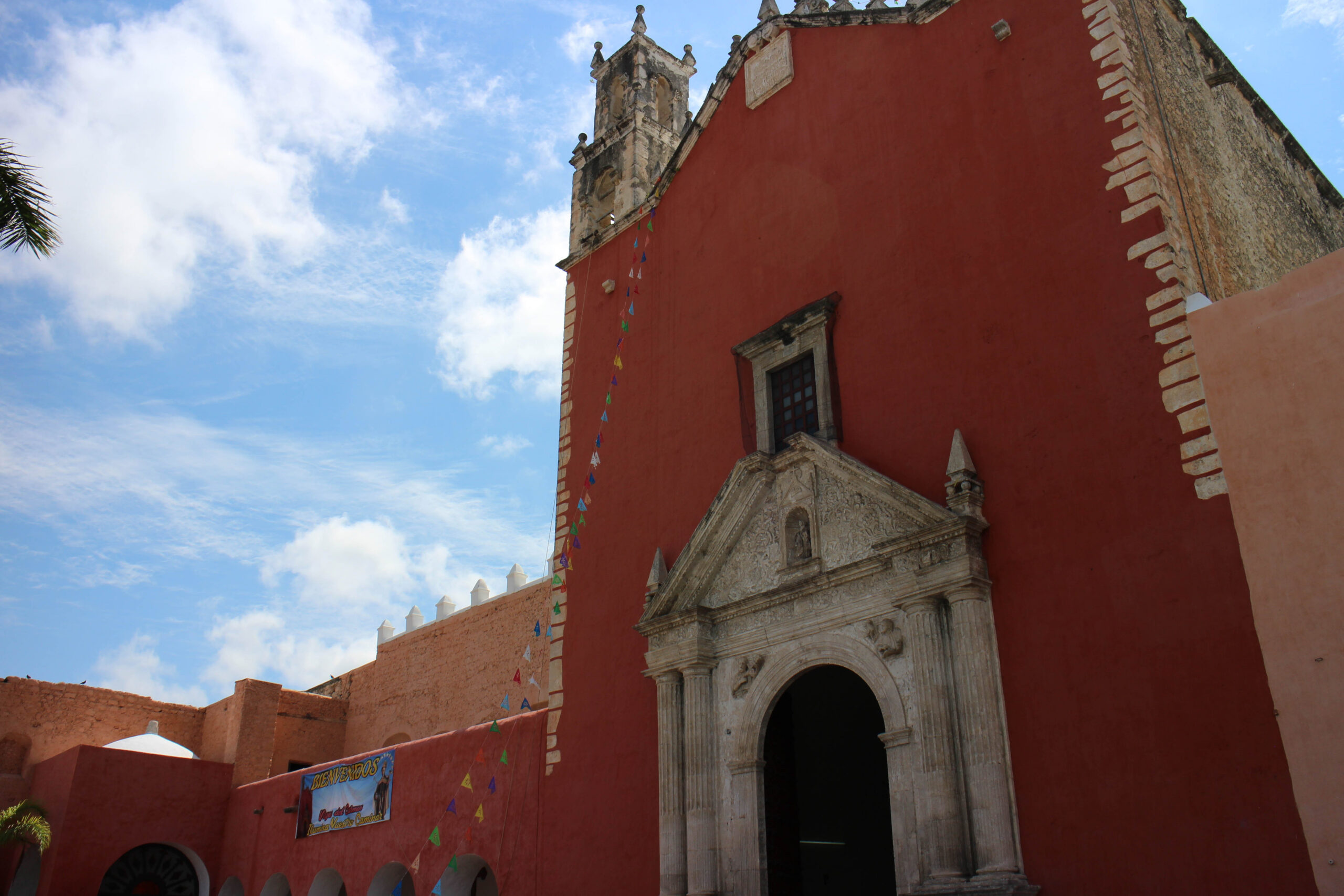
- San Juan Bautista Convent: A 16th-century architectural masterpiece blending Spanish and Maya craftsmanship. Visitors can explore its wide atrium, vaulted corridors, and centuries-old frescoes — a silent witness to Yucatán’s colonial past.
- Parque Felipe Carrillo Puerto: The heart of local life. Sit beneath the shade of flamboyant trees and observe the rhythm of daily life — children playing, vendors selling snacks, and elders chatting about politics and football.
- Cenote Sambulá: Just a few blocks from the plaza, this underground cenote features crystal-clear water inside a dramatic limestone cavern. Accessible by stairs, it’s perfect for a refreshing swim after exploring town.
- Haciendas Around Motul: Discover the ruins of former henequén estates like Hacienda Kancabchén Ucí and Hacienda Xinteilá, offering glimpses of the region’s agricultural and social past.
- Museo Felipe Carrillo Puerto: A small museum dedicated to Motul’s most famous son, detailing his revolutionary ideals and the impact of his reforms on Yucatán’s modern identity.
Culture and Traditions
Motul’s cultural rhythm remains deeply Yucatecan. Each July, the town celebrates the Fiesta de la Virgen del Carmen with processions, fireworks, and vaquerías — traditional dances featuring embroidered dresses, live brass bands, and cowboy boots. Locals still speak Maya alongside Spanish, and the market brims with regional delicacies like panuchos, salbutes, and the iconic Huevos Motuleños — fried eggs layered with beans, salsa, ham, and plantains, invented right here in the 1920s. The dish reflects Motul’s character: humble, colorful, and rich with contrasts.
Modern Life and Economy
Though the henequén era ended, Motul remains economically diverse. Agriculture, small manufacturing, and growing tourism sustain its population. Many residents work in nearby Mérida, yet return daily to the tranquility of Motul. Recent efforts under the Pueblo Mágico program aim to restore historic buildings, promote culinary tourism, and encourage local crafts. As the town evolves, it maintains a balance between modernization and heritage preservation — a delicate art that reflects the broader Yucatecan experience.
Practical Information
- Entry Fee: No entry fee to the town itself. Cenote Sambulá charges approximately 50–80 MXN per person.
- Hours: Most attractions (convent, museum, cenote) open 8:00 AM – 5:00 PM. Markets are busiest from 7:00–11:00 AM.
- Best Time to Visit: Early morning or late afternoon, especially on Sundays when locals gather in the plaza for breakfast and socializing.
- Facilities: Public restrooms near the plaza, changing rooms at the cenote, street parking, ATMs, and small restaurants.
Motul is best explored on foot. Start at the plaza, visit the convent, enjoy breakfast at Doña Evelia’s famous Huevos Motuleños stand, and cool off at Cenote Sambulá. It’s a half-day adventure full of flavor and history.
Getting There
By Car
From Mérida, take the Motul Highway (Carretera 176) northeast. The drive takes about 45 minutes. Parking is available near the plaza or the cenote. Roads are well maintained, and signage is clear.
By Bus or Colectivo
Buses and colectivos depart regularly from Mérida’s Noreste Terminal (Calle 67 x 50). The ride costs around 40–50 MXN and takes roughly one hour. You’ll be dropped near the town center.
By Taxi or Tour
Taxis from Mérida cost around 400–500 MXN one-way. Some tour companies offer full-day routes combining Motul with nearby haciendas or cenotes, ideal for visitors without cars.
What to Bring
Bring comfortable walking shoes, a hat, reusable water bottle, swimsuit for the cenote, and cash (many places don’t accept cards). If you plan to eat at the market, small bills are best. For photography, visit in the morning when light softens the church’s stone façade.
Tips & Safety
Motul is a peaceful and safe destination, but like all towns, caution is wise. Avoid leaving valuables in parked cars. Respect local customs — especially during religious festivals. For cenote swimming, wear eco-friendly sunscreen and watch your footing on slippery limestone stairs. Locals are friendly and often eager to share recommendations or stories about Felipe Carrillo Puerto’s legacy.
Nearby Attractions
From Motul, you can easily explore the nearby Hacienda Tabi ruins, the charming coastal town of Telchac Puerto (30 minutes north), and the Dzilam de Bravo Biosphere Reserve. On your return to Mérida, stop by Baca or Tixkokob for hammock weaving demonstrations — a perfect complement to Motul’s cultural immersion.
Motul de Carrillo Puerto – Heart of Yucatán’s History and Culture
On This Page
Explore Motul, Yucatán — a Pueblo Mágico known for its rich Maya roots, colonial convents, revolutionary history, and the birthplace of the iconic Huevos Motuleños. Just 45 minutes from Mérida, it’s a must-visit for travelers seeking authentic Yucatecan culture.
Our Take
"Motul is one of the most culturally rich towns in Yucatán. Between its revolutionary history, colonial architecture, and world-famous Huevos Motuleños, it’s a rewarding stop just outside Mérida. Ideal for travelers seeking authenticity without crowds."
What Makes This Town Special
Motul de Carrillo Puerto captures the essence of Yucatán’s layered identity — where ancient Maya roots, colonial heritage, and revolutionary ideals meet in one living town. Declared a Pueblo Mágico in 2023, Motul is more than a historical stop: it’s a microcosm of the region’s resilience and creativity. Visitors will find tranquil plazas, centuries-old churches, vibrant markets, and the birthplace of Yucatán’s most famous breakfast dish — Huevos Motuleños. Located only 45 km from Mérida, Motul offers the warmth of a small town infused with deep history and authentic local life.
History
Motul’s origins trace back to pre-Hispanic Maya civilization. Its name, derived from the Maya word ‘Mutul’, likely refers to a bird or a knot — symbols of unity and continuity. Founded by the priest Zac Mutul, the settlement became part of the Ceh Pech kingdom after the fall of Mayapán in the 15th century. Spanish colonizers arrived in the 16th century and established the Church and Convent of San Juan Bautista, completed around 1651. During the henequén boom of the 19th century, Motul became a prosperous town surrounded by haciendas. In the early 20th century, it rose to prominence as the birthplace of Felipe Carrillo Puerto, the reformist governor who championed Maya rights, women’s suffrage, and land redistribution. His legacy endures in the town’s full name: Motul de Carrillo Puerto.
What to See and Do
- San Juan Bautista Convent: A 16th-century architectural masterpiece blending Spanish and Maya craftsmanship. Visitors can explore its wide atrium, vaulted corridors, and centuries-old frescoes — a silent witness to Yucatán’s colonial past.
- Parque Felipe Carrillo Puerto: The heart of local life. Sit beneath the shade of flamboyant trees and observe the rhythm of daily life — children playing, vendors selling snacks, and elders chatting about politics and football.
- Cenote Sambulá: Just a few blocks from the plaza, this underground cenote features crystal-clear water inside a dramatic limestone cavern. Accessible by stairs, it’s perfect for a refreshing swim after exploring town.
- Haciendas Around Motul: Discover the ruins of former henequén estates like Hacienda Kancabchén Ucí and Hacienda Xinteilá, offering glimpses of the region’s agricultural and social past.
- Museo Felipe Carrillo Puerto: A small museum dedicated to Motul’s most famous son, detailing his revolutionary ideals and the impact of his reforms on Yucatán’s modern identity.
Culture and Traditions
Motul’s cultural rhythm remains deeply Yucatecan. Each July, the town celebrates the Fiesta de la Virgen del Carmen with processions, fireworks, and vaquerías — traditional dances featuring embroidered dresses, live brass bands, and cowboy boots. Locals still speak Maya alongside Spanish, and the market brims with regional delicacies like panuchos, salbutes, and the iconic Huevos Motuleños — fried eggs layered with beans, salsa, ham, and plantains, invented right here in the 1920s. The dish reflects Motul’s character: humble, colorful, and rich with contrasts.
Modern Life and Economy
Though the henequén era ended, Motul remains economically diverse. Agriculture, small manufacturing, and growing tourism sustain its population. Many residents work in nearby Mérida, yet return daily to the tranquility of Motul. Recent efforts under the Pueblo Mágico program aim to restore historic buildings, promote culinary tourism, and encourage local crafts. As the town evolves, it maintains a balance between modernization and heritage preservation — a delicate art that reflects the broader Yucatecan experience.
Practical Information
- Entry Fee: No entry fee to the town itself. Cenote Sambulá charges approximately 50–80 MXN per person.
- Hours: Most attractions (convent, museum, cenote) open 8:00 AM – 5:00 PM. Markets are busiest from 7:00–11:00 AM.
- Best Time to Visit: Early morning or late afternoon, especially on Sundays when locals gather in the plaza for breakfast and socializing.
- Facilities: Public restrooms near the plaza, changing rooms at the cenote, street parking, ATMs, and small restaurants.
Motul is best explored on foot. Start at the plaza, visit the convent, enjoy breakfast at Doña Evelia’s famous Huevos Motuleños stand, and cool off at Cenote Sambulá. It’s a half-day adventure full of flavor and history.
Getting There
By Car
From Mérida, take the Motul Highway (Carretera 176) northeast. The drive takes about 45 minutes. Parking is available near the plaza or the cenote. Roads are well maintained, and signage is clear.
By Bus or Colectivo
Buses and colectivos depart regularly from Mérida’s Noreste Terminal (Calle 67 x 50). The ride costs around 40–50 MXN and takes roughly one hour. You’ll be dropped near the town center.
By Taxi or Tour
Taxis from Mérida cost around 400–500 MXN one-way. Some tour companies offer full-day routes combining Motul with nearby haciendas or cenotes, ideal for visitors without cars.
What to Bring
Bring comfortable walking shoes, a hat, reusable water bottle, swimsuit for the cenote, and cash (many places don’t accept cards). If you plan to eat at the market, small bills are best. For photography, visit in the morning when light softens the church’s stone façade.
Tips & Safety
Motul is a peaceful and safe destination, but like all towns, caution is wise. Avoid leaving valuables in parked cars. Respect local customs — especially during religious festivals. For cenote swimming, wear eco-friendly sunscreen and watch your footing on slippery limestone stairs. Locals are friendly and often eager to share recommendations or stories about Felipe Carrillo Puerto’s legacy.
Nearby Attractions
From Motul, you can easily explore the nearby Hacienda Tabi ruins, the charming coastal town of Telchac Puerto (30 minutes north), and the Dzilam de Bravo Biosphere Reserve. On your return to Mérida, stop by Baca or Tixkokob for hammock weaving demonstrations — a perfect complement to Motul’s cultural immersion.
Plan Your Visit
Comfortable shoes, hat, camera, cash, swimsuit, eco-friendly sunscreen, insect repellent.
Public restrooms, local restaurants, cenote changing rooms, market stalls, small museum, ATMs.