
Tekit, Yucatán: Capital de la Guayabera
What Makes This Special
Tucked into Yucatán’s southern heartland, Tekit is affectionately known as the Capital de la Guayabera—a small town where dozens of family workshops design, cut, and stitch Mexico’s most emblematic warm-weather shirt. Travelers come to Tekit to shop straight from the makers, request custom sizes or monograms, compare fabrics (cool cotton vs. elegant linen), and watch artisans at work. Unlike browsing a mall rack, shopping in Tekit feels like stepping into a living atelier: bolts of fabric stacked high, pattern pieces pinned to tables, and hum of sewing machines drifting into the street.
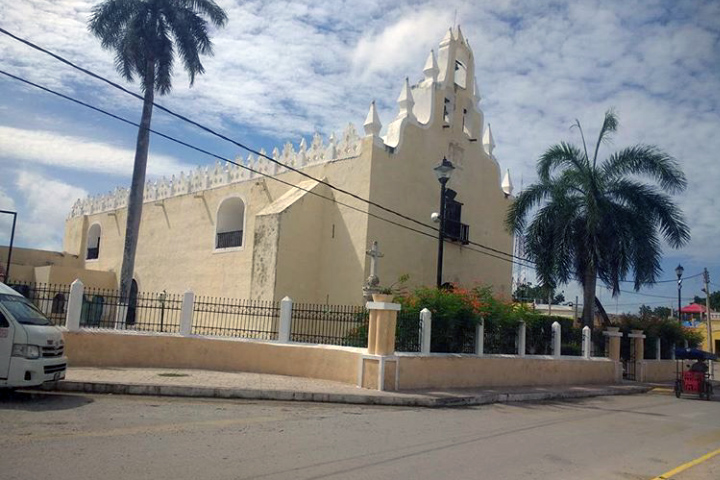
Beyond fashion, Tekit sits along the historic Ruta de los Conventos; its ornate parish church anchors a shady plaza that frames daily life—kids on bikes, vendors with aguas frescas, and tailors finishing buttonholes before the afternoon heat. Come for the guayaberas, stay for the slow, friendly rhythm of a Yucatecan pueblo.
History
Tekit traces its roots to pre-Hispanic times within the Xiú sphere of influence centered in Maní. The town’s name is commonly rendered as “place which sprawls,” reflecting a settlement that extended over low, fertile ground. Spanish missionaries established a parish here in the 16th century; the current Iglesia de San Antonio de Padua preserves that colonial lineage with a richly adorned interior of saintly niches and devotional art. Through the 19th and early 20th centuries, Tekit lived by milpa agriculture and regional trade; sewing skills passed within families began to professionalize mid-century as tailors specialized in the airy, pleated guayabera that had become a Yucatecan staple.
By the late 20th century, Tekit’s cluster of talleres (workshops) formed a cottage industry: small brands, cooperative storefronts around the plaza, and home-based production lines. Today the town celebrates that identity with an annual guayabera fair featuring runway shows, music, and workshops, while day-to-day commerce remains intimate and personal—shaped by family names more than big labels.
Practical Information
- Entry & Fees: Visiting the town and church is free. Shopping and dining are pay-as-you-go.
- Hours: Town is accessible 24/7; most guayabera shops open roughly 10:00 AM–8:00 PM (hours vary by workshop and day, especially Sundays).
- Best Time: Mornings and late afternoons to avoid midday heat. The town’s guayabera fair typically runs in late July to early August; weekends fill up fast.
- How Long to Visit: Half day to full day if you plan to comparison-shop, get measured, and enjoy a leisurely lunch.
- Payments: Bring cash. Some shops accept cards, but reliability varies; an ATM is usually available near the main square.
- Price Pointers (shopping): Basic cotton guayaberas often start around budget-friendly ranges; premium linen and hand-finished styles cost more. Custom work can be ready same-day or within 24–48 hours depending on complexity and festival crowds.
- Facilities: Plaza seating, small groceries, pharmacies, restrooms at eateries; workshops may have fans but rarely A/C.
What to Expect
The Plaza Circuit: Start at the main square and loop through the surrounding blocks where many talleres keep storefronts. You’ll see fabric swatches, size charts, and tailors happy to explain differences in cuts (classic straight vs. fitted), collar styles, and embroidery techniques. Don’t be shy about asking for sleeve or torso adjustments; that’s the local superpower.
The Church: Step into the 16th-century parish of San Antonio de Padua. It’s strikingly ornate compared with the austere façades common in the region—expect glittering niches and a museum-like array of santos, especially meaningful during feast days.
Shopping Rhythm: Most visitors pop in and out of 5–8 shops before deciding. If you’re commissioning custom work, a tailor will measure shoulders, chest, sleeve length, and sometimes tweak pleat spacing. Linen comes in classic whites and creams; cottons add pastel blues, guayaba pink, and crisp black. Inspect stitching (straight seams, clean buttonholes) and the drape—good linen falls softly without stiffness.
Where to Eat (in and near Tekit):
- Gilda Restaurante (Tekit): Casual spot for classic Yucatecan plates—think queso relleno, escabeche, and poc chuc—ideal after a morning shop.
- Casona de la Guayabera (Tekit): Local option near the center; simple snacks and refreshments between store visits.
- Principe Tutul-Xiu (Maní, ~15–20 min): A regional favorite for poc chuc if you’re pairing Tekit with a Maní convent stop.
Atmosphere: Friendly, unhurried, and safe. Expect warm temperatures much of the year; shade breaks on the plaza are part of the charm.
Getting There
From Mérida by Car (~60–70 km / about 1 hour): Exit the Periférico to the southeast toward Acanceh/Tecoh on Highway 184, then continue past Tecoh toward Tekit following posted signs. Roads are paved and well marked; watch for topes (speed bumps) when entering towns.
By Bus/Colectivo: Second-class buses and colectivos run from Mérida toward Tekit and nearby towns along Highway 184. Typical bus time is around an hour to 75 minutes depending on stops; fares are inexpensive. In Tekit, most services stop near the center—confirm return schedules, especially late evenings.
Parking: Street parking around the plaza; on festival weekends, arrive early or be prepared to park a few blocks away.
What to Bring
- Light, breathable clothing and comfortable walking shoes
- Cash (small bills) for purchases, tips, and snacks
- Sun protection: hat, sunglasses, and reef-safe sunscreen
- Reusable water bottle; electrolytes in hotter months
- Foldable tote for carrying shirts without creasing
- Measurements of the person you’re shopping for (chest, shoulders, sleeve length) if buying gifts
Tips & Safety
- Custom First: If you’re hard to fit, start by asking about made-to-measure; same-day hemming is common.
- Fabric Check: Linen should feel cool and supple; hold it to the light to gauge transparency and weave tightness.
- Stitching & Details: Inspect buttonholes, pleats/alforzas, and collar symmetry. Quality shows in the small stuff.
- Haggle Kindly: Prices are usually fair; respectful negotiation on bulk orders or cash payments is normal. Ask about festival promos.
- Heat & Hydration: Midday sun can be intense—shop mornings, then break for lunch and church, returning late afternoon.
- Festival Crowds: During the guayabera fair, parking and lines grow; book lodging nearby or visit mid-week.
- Respectful Dress: Shoulders covered inside the church; no flash during services.
Nearby Attractions
- Maní (15–20 min): Visit the 16th-century Convento de San Miguel Arcángel and sample famous poc chuc. Pairs perfectly with a Tekit shopping day.
- Mayapán (35–45 min): Compact Maya archaeological site with an impressive circular observatory—less crowded than the big names.
- Ticul (30–40 min): Pottery workshops and shoe factories; another hands-on craft stop.
- Cuzamá Cenotes (45–60 min): A string of photogenic cenotes—great for a cooling dip after a hot shopping circuit.
- Acanceh & Tecoh (en route): Pyramid at Acanceh’s plaza and Tecoh’s hilltop church add easy cultural stops on the drive.
Tekit, Yucatán: Capital de la Guayabera
On This Page
Tekit, Yucatán—home of Mexico’s iconic guayabera. Shop straight from family workshops, visit a 16th-century church, and enjoy classic Yucatecan food near the plaza.
Our Take
"Tekit’s guayabera ateliers and honeyed main square make it the tailoring capital of Yucatán—custom threads and mellow café chatter guaranteed."
What Makes This Special
Tucked into Yucatán’s southern heartland, Tekit is affectionately known as the Capital de la Guayabera—a small town where dozens of family workshops design, cut, and stitch Mexico’s most emblematic warm-weather shirt. Travelers come to Tekit to shop straight from the makers, request custom sizes or monograms, compare fabrics (cool cotton vs. elegant linen), and watch artisans at work. Unlike browsing a mall rack, shopping in Tekit feels like stepping into a living atelier: bolts of fabric stacked high, pattern pieces pinned to tables, and hum of sewing machines drifting into the street.
Beyond fashion, Tekit sits along the historic Ruta de los Conventos; its ornate parish church anchors a shady plaza that frames daily life—kids on bikes, vendors with aguas frescas, and tailors finishing buttonholes before the afternoon heat. Come for the guayaberas, stay for the slow, friendly rhythm of a Yucatecan pueblo.
History
Tekit traces its roots to pre-Hispanic times within the Xiú sphere of influence centered in Maní. The town’s name is commonly rendered as “place which sprawls,” reflecting a settlement that extended over low, fertile ground. Spanish missionaries established a parish here in the 16th century; the current Iglesia de San Antonio de Padua preserves that colonial lineage with a richly adorned interior of saintly niches and devotional art. Through the 19th and early 20th centuries, Tekit lived by milpa agriculture and regional trade; sewing skills passed within families began to professionalize mid-century as tailors specialized in the airy, pleated guayabera that had become a Yucatecan staple.
By the late 20th century, Tekit’s cluster of talleres (workshops) formed a cottage industry: small brands, cooperative storefronts around the plaza, and home-based production lines. Today the town celebrates that identity with an annual guayabera fair featuring runway shows, music, and workshops, while day-to-day commerce remains intimate and personal—shaped by family names more than big labels.
Practical Information
- Entry & Fees: Visiting the town and church is free. Shopping and dining are pay-as-you-go.
- Hours: Town is accessible 24/7; most guayabera shops open roughly 10:00 AM–8:00 PM (hours vary by workshop and day, especially Sundays).
- Best Time: Mornings and late afternoons to avoid midday heat. The town’s guayabera fair typically runs in late July to early August; weekends fill up fast.
- How Long to Visit: Half day to full day if you plan to comparison-shop, get measured, and enjoy a leisurely lunch.
- Payments: Bring cash. Some shops accept cards, but reliability varies; an ATM is usually available near the main square.
- Price Pointers (shopping): Basic cotton guayaberas often start around budget-friendly ranges; premium linen and hand-finished styles cost more. Custom work can be ready same-day or within 24–48 hours depending on complexity and festival crowds.
- Facilities: Plaza seating, small groceries, pharmacies, restrooms at eateries; workshops may have fans but rarely A/C.
What to Expect
The Plaza Circuit: Start at the main square and loop through the surrounding blocks where many talleres keep storefronts. You’ll see fabric swatches, size charts, and tailors happy to explain differences in cuts (classic straight vs. fitted), collar styles, and embroidery techniques. Don’t be shy about asking for sleeve or torso adjustments; that’s the local superpower.
The Church: Step into the 16th-century parish of San Antonio de Padua. It’s strikingly ornate compared with the austere façades common in the region—expect glittering niches and a museum-like array of santos, especially meaningful during feast days.
Shopping Rhythm: Most visitors pop in and out of 5–8 shops before deciding. If you’re commissioning custom work, a tailor will measure shoulders, chest, sleeve length, and sometimes tweak pleat spacing. Linen comes in classic whites and creams; cottons add pastel blues, guayaba pink, and crisp black. Inspect stitching (straight seams, clean buttonholes) and the drape—good linen falls softly without stiffness.
Where to Eat (in and near Tekit):
- Gilda Restaurante (Tekit): Casual spot for classic Yucatecan plates—think queso relleno, escabeche, and poc chuc—ideal after a morning shop.
- Casona de la Guayabera (Tekit): Local option near the center; simple snacks and refreshments between store visits.
- Principe Tutul-Xiu (Maní, ~15–20 min): A regional favorite for poc chuc if you’re pairing Tekit with a Maní convent stop.
Atmosphere: Friendly, unhurried, and safe. Expect warm temperatures much of the year; shade breaks on the plaza are part of the charm.
Getting There
From Mérida by Car (~60–70 km / about 1 hour): Exit the Periférico to the southeast toward Acanceh/Tecoh on Highway 184, then continue past Tecoh toward Tekit following posted signs. Roads are paved and well marked; watch for topes (speed bumps) when entering towns.
By Bus/Colectivo: Second-class buses and colectivos run from Mérida toward Tekit and nearby towns along Highway 184. Typical bus time is around an hour to 75 minutes depending on stops; fares are inexpensive. In Tekit, most services stop near the center—confirm return schedules, especially late evenings.
Parking: Street parking around the plaza; on festival weekends, arrive early or be prepared to park a few blocks away.
What to Bring
- Light, breathable clothing and comfortable walking shoes
- Cash (small bills) for purchases, tips, and snacks
- Sun protection: hat, sunglasses, and reef-safe sunscreen
- Reusable water bottle; electrolytes in hotter months
- Foldable tote for carrying shirts without creasing
- Measurements of the person you’re shopping for (chest, shoulders, sleeve length) if buying gifts
Tips & Safety
- Custom First: If you’re hard to fit, start by asking about made-to-measure; same-day hemming is common.
- Fabric Check: Linen should feel cool and supple; hold it to the light to gauge transparency and weave tightness.
- Stitching & Details: Inspect buttonholes, pleats/alforzas, and collar symmetry. Quality shows in the small stuff.
- Haggle Kindly: Prices are usually fair; respectful negotiation on bulk orders or cash payments is normal. Ask about festival promos.
- Heat & Hydration: Midday sun can be intense—shop mornings, then break for lunch and church, returning late afternoon.
- Festival Crowds: During the guayabera fair, parking and lines grow; book lodging nearby or visit mid-week.
- Respectful Dress: Shoulders covered inside the church; no flash during services.
Nearby Attractions
- Maní (15–20 min): Visit the 16th-century Convento de San Miguel Arcángel and sample famous poc chuc. Pairs perfectly with a Tekit shopping day.
- Mayapán (35–45 min): Compact Maya archaeological site with an impressive circular observatory—less crowded than the big names.
- Ticul (30–40 min): Pottery workshops and shoe factories; another hands-on craft stop.
- Cuzamá Cenotes (45–60 min): A string of photogenic cenotes—great for a cooling dip after a hot shopping circuit.
- Acanceh & Tecoh (en route): Pyramid at Acanceh’s plaza and Tecoh’s hilltop church add easy cultural stops on the drive.
Location
Plan Your Visit
Cash, hat, sunglasses, sunscreen, water, comfortable shoes, tote bag
ATMs near plaza, eateries, small groceries, public restrooms at venues
Compare several talleres, ask about custom sizing and fabric, visit church at midday heat