
Valladolid, Yucatán: The Ultimate Traveler’s Guide
What Makes This Special
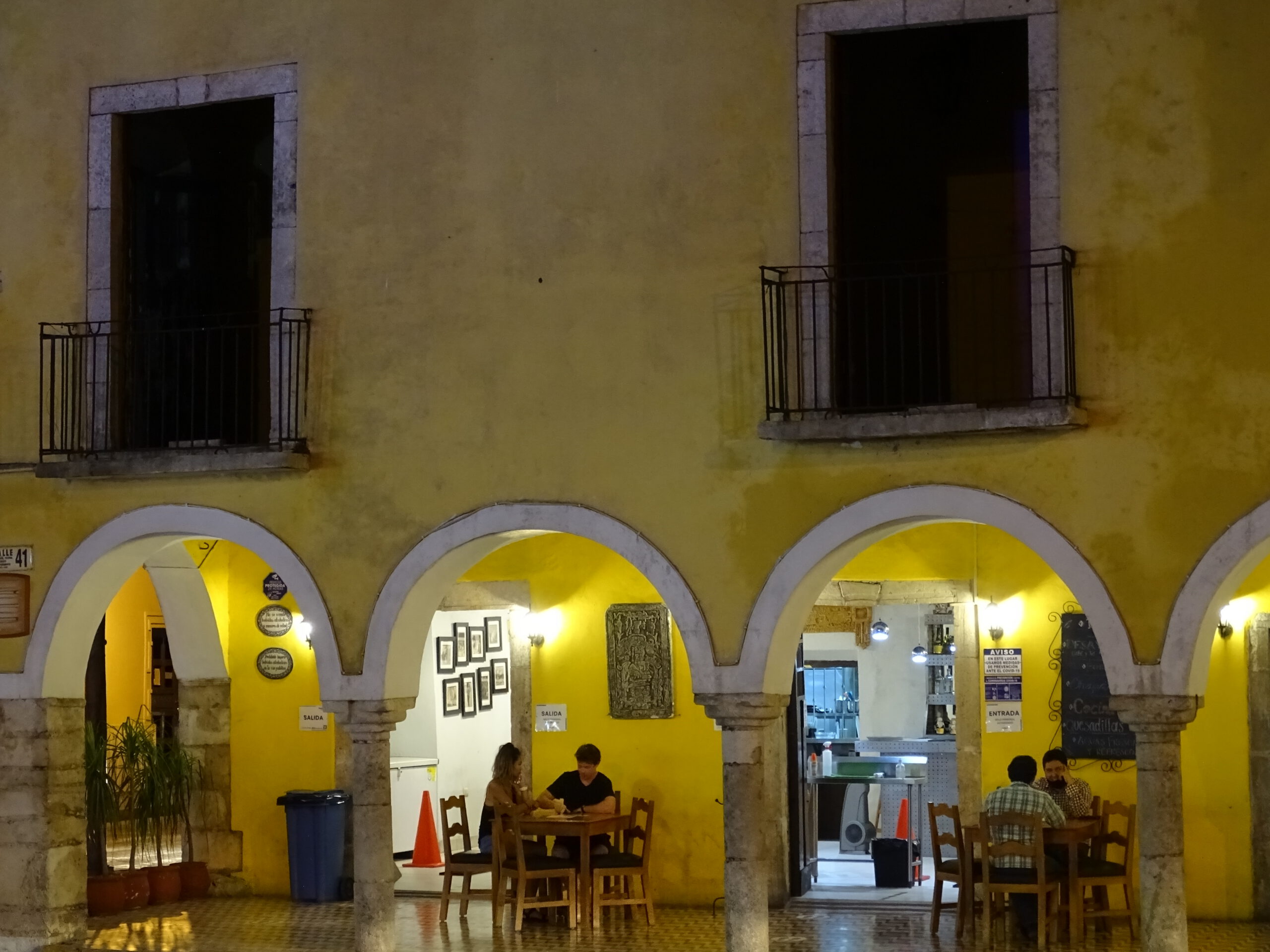
Valladolid is the pastel-colored heart of Yucatán—an elegant, lived-in colonial city where Maya heritage and Spanish architecture share the same streets. It’s a place where you can swim in a cenote at lunchtime, stroll a 16th-century convent by golden hour, then eat slow-roasted cochinita pibil in the plaza as the church bells ring. What makes Valladolid special is its balance: small but substantial, charming yet practical, deeply traditional while welcoming travelers. It’s also perfectly positioned for day trips to world-class ruins (Chichén Itzá and Ek Balam), flamingo-filled biospheres (Río Lagartos), pink lagoons (Las Coloradas), and a constellation of cenotes.
- Culture you can feel: Daily life unfolds in the zócalo, with families, street vendors, and evening music. Maya language and customs are part of everyday commerce.
- Walkable, photogenic core: Calzada de los Frailes—Valladolid’s most iconic street—connects the main square to the San Bernardino convent, lined with boutiques, cafes, and restored casonas.
- Cenotes in the city: Cenote Zací sits just a few blocks from the plaza; several more lie within bicycling distance.
- Food with identity: From lomitos de Valladolid and longaniza ahumada to Yucatecan sweets and evening marquesitas, local flavors are distinct and memorable.
History
Valladolid was founded by the Spanish in 1543 and relocated to its present site a year later, built over the Maya settlement of Zací. Its history is layered: Maya roots, colonial consolidation, 19th-century upheavals like the Caste War, and 20th-century modernization. Many landmarks reflect these eras: the fortress-like Convento de San Bernardino de Siena (mid-1500s) at the end of Calzada de los Frailes; the parish church of San Servacio framing the main square; and pastel townhouses whose wooden portones hide airy courtyards. Today’s Valladolid is part heritage town, part gateway to nearby archaeological sites and cenote country, with a growing creative scene of boutique stays and kitchens reviving classic recipes.
Practical Information
- Entry/Hours: The city itself is open 24/7; individual attractions (museums, cenotes, convent) keep their own hours.
- Costs: Strolling the historic center is free. Expect modest entry fees (typically $80–$250 MXN) for cenotes and museums; archaeological sites are priced separately.
- Visit Length: 1–3 days in town is ideal: one full day for core sights and food, another for cenotes, and a third for a major day trip.
- Best Time: November–March for cooler, drier weather; arrive at major sights early or late for softer light and fewer crowds.
- Money: ATMs near the plaza and along Calzada de los Frailes; small cenotes and street vendors are often cash only.
- Connectivity: Good cell coverage and widespread Wi-Fi in hotels/cafes.
- Local Transport: Walk, bike, taxi, and colectivos; ride-hailing availability varies.
What to Expect
The historic center clusters around Parque Francisco Cantón (the plaza), anchored by the twin-towered San Servacio church. Streets radiate outward to colorful quarters and restored mansions. Calzada de los Frailes is the star promenade, perfect for late-afternoon photos, window-shopping, and cafe breaks.
Key sights in town
- Convento de San Bernardino de Siena: A 16th-century Franciscan complex with cloisters, a simple church, gardens, and evening light shows in high season. The surrounding barrios are great for golden-hour strolls.
- Calzada de los Frailes: Designer boutiques, galleries, cafes, and casonas; look for hand-woven textiles and regional ceramics.
- Parque Francisco Cantón & San Servacio: The social core—come for snacks, music, and people-watching at dusk.
- Cenote Zací: An open cenote within city limits; dramatic limestone overhang and turquoise water. Go early for quieter swims.
- Casa de los Venados (private folk-art house): Home-museum with an outstanding collection of Mexican folk art (guided tour times vary).
- Mercado Municipal: A morning stop for fruit juices, panuchos, and stacks of fresh tortillas; nearby butcher stalls sell the famous longaniza.
Day trips
- Chichén Itzá: World-renowned Maya capital (about 45 minutes west). Combine with a cenote swim on the return.
- Ek Balam: Smaller but climbable pyramids and impressive stucco friezes (about 30 minutes north). Pair with Cenote X’Canche next door.
- Río Lagartos & Las Coloradas: Boat tours for flamingos and mangroves; pink-hued salt flats for photography (allow a full day).
- Cenote circuit: Dozens within an hour—some cavernous (grutas), some open bowls—each with different depth, amenities, and mood.
What to Eat (and Where to Find It)
Valladolid’s cuisine is deeply Yucatecan with distinctive local specialties. Use the plaza, Calzada de los Frailes, and Mercado Municipal as anchors; branch into side streets for family-run loncherías and evening street stands.
- Lomitos de Valladolid: Pork cubes in a mild tomato sauce, often topped with a boiled egg—simple, comforting, and unique to the city.
- Longaniza de Valladolid: Smoky, paprika-tinted sausage—try it grilled in tacos, with beans, or in a torta.
- Cochinita pibil: A Yucatán staple—achiote-marinated pork slowly roasted in banana leaves. Sundays are prime time; look for early-morning stands.
- Escabeche oriental: Roasted chicken in vinegary broth with onions and spices—tangy and aromatic.
- Street snacks: Panuchos, salbutes, and late-night marquesitas (crispy crepes with Edam cheese and fillings) around the plaza.
- Sweet things: Polvorizas, coconut candies, and dulce de papaya.
How to dine smart: For breakfast, hit Mercado Municipal for juice and salbutes. Lunch is the main meal—traditional kitchens serve comida corrida (set menus). Evenings are for strolls and light bites along the Calzada or the plaza. Reservations help at small, chef-driven spots; many casual places are walk-in.
Where to Stay
Pick based on atmosphere and logistics:
- Near the Plaza (Centro): Best for first-timers and families. You’ll be steps from San Servacio, evening snacks, and taxis. Expect colonial guesthouses, classic hotels with courtyards, and a few modern boutiques.
- Calzada de los Frailes: Design-forward inns and intimate B&Bs in restored casonas; ideal for couples and photographers. Quiet at night, charming by day.
- Outskirts & Haciendas: For resort-style pools, gardens, and a retreat vibe. Good if you have a car and plan day trips.
Budgeting (typical ranges; seasonal): hostels and basic inns from $20–$45 USD; mid-range boutiques $70–$150; stylish haciendas/boutiques $160–$350+. Book early for major holidays and winter months.
Getting There
By road: Valladolid sits on Highway 180/180D about 160–170 km from both Mérida (west) and Cancún (east). Driving time is roughly 2–2.5 hours from either city depending on toll vs. free road. Parking is street-side or in small private lots near hotels and sights.
By bus: ADO and other lines run frequent first- and second-class buses from Mérida, Cancún, Playa del Carmen, and Tulum. The station is walkable to the plaza.
Local transport: Walk most of the center; for farther cenotes or outlying barrios, use taxis, bikes, or colectivos. Many hotels can arrange drivers for day trips.
What to Bring
- Light, breathable clothing; a light sweater for December–February nights
- Comfortable walking shoes or sandals with grip
- Swimwear, quick-dry towel, and water shoes for cenotes
- Biodegradable sunscreen and insect repellent (apply after swimming per cenote rules)
- Reusable water bottle; small daypack
- Cash (small bills) for markets, cenotes, and taxis; card for hotels and upscale dining
- Hat, sunglasses, and a compact rain jacket in May–October
Tips & Safety
- Early/later is better: Visit major sights at opening or near sunset for cooler temps and softer light.
- Hydration & heat: Yucatán is humid; pace yourself, seek shade, and sip electrolytes.
- Cenote etiquette: Quick rinse before swimming; no regular sunscreen in the water; follow life-jacket rules; no jumping where prohibited.
- Markets & money: Keep small bills handy; ask prices first; be courteous when photographing stalls or artisans.
- Driving: Mind speed bumps (topes) entering towns; carry cash for tolls on 180D.
- Evenings: Central Valladolid is lively and generally calm; use normal big-city awareness at ATMs and late at night.
Nearby Attractions
- Chichén Itzá (45–50 min): Arrive for opening; pair with a cenote swim afterward.
- Ek Balam & Cenote X’Canche (30–40 min): Archaeology + refreshing dip next door.
- Río Lagartos & Las Coloradas (1.5–2.5 hrs): Flamingo boat tours, mangroves, and pink lagoons.
- Cenote Loop: Within 60 minutes are dozens of options—from photogenic open bowls to atmospheric caverns.
- Izamal (Yellow City): Day trip to a photogenic colonial-Maya town west toward Mérida.
Valladolid, Yucatán: The Ultimate Traveler’s Guide
On This Page
Plan the perfect trip to Valladolid, Yucatán: walkable colonial streets, cenotes in town, standout Maya cuisine, and easy day trips to Chichén Itzá and Ek Balam.
Our Take
"Valladolid balances convent calm with cenote day trips—color-washed blocks, indie boutiques, and evening laps around Parque Francisco Cantón."
What Makes This Special
Valladolid is the pastel-colored heart of Yucatán—an elegant, lived-in colonial city where Maya heritage and Spanish architecture share the same streets. It’s a place where you can swim in a cenote at lunchtime, stroll a 16th-century convent by golden hour, then eat slow-roasted cochinita pibil in the plaza as the church bells ring. What makes Valladolid special is its balance: small but substantial, charming yet practical, deeply traditional while welcoming travelers. It’s also perfectly positioned for day trips to world-class ruins (Chichén Itzá and Ek Balam), flamingo-filled biospheres (Río Lagartos), pink lagoons (Las Coloradas), and a constellation of cenotes.
- Culture you can feel: Daily life unfolds in the zócalo, with families, street vendors, and evening music. Maya language and customs are part of everyday commerce.
- Walkable, photogenic core: Calzada de los Frailes—Valladolid’s most iconic street—connects the main square to the San Bernardino convent, lined with boutiques, cafes, and restored casonas.
- Cenotes in the city: Cenote Zací sits just a few blocks from the plaza; several more lie within bicycling distance.
- Food with identity: From lomitos de Valladolid and longaniza ahumada to Yucatecan sweets and evening marquesitas, local flavors are distinct and memorable.
History
Valladolid was founded by the Spanish in 1543 and relocated to its present site a year later, built over the Maya settlement of Zací. Its history is layered: Maya roots, colonial consolidation, 19th-century upheavals like the Caste War, and 20th-century modernization. Many landmarks reflect these eras: the fortress-like Convento de San Bernardino de Siena (mid-1500s) at the end of Calzada de los Frailes; the parish church of San Servacio framing the main square; and pastel townhouses whose wooden portones hide airy courtyards. Today’s Valladolid is part heritage town, part gateway to nearby archaeological sites and cenote country, with a growing creative scene of boutique stays and kitchens reviving classic recipes.
Practical Information
- Entry/Hours: The city itself is open 24/7; individual attractions (museums, cenotes, convent) keep their own hours.
- Costs: Strolling the historic center is free. Expect modest entry fees (typically $80–$250 MXN) for cenotes and museums; archaeological sites are priced separately.
- Visit Length: 1–3 days in town is ideal: one full day for core sights and food, another for cenotes, and a third for a major day trip.
- Best Time: November–March for cooler, drier weather; arrive at major sights early or late for softer light and fewer crowds.
- Money: ATMs near the plaza and along Calzada de los Frailes; small cenotes and street vendors are often cash only.
- Connectivity: Good cell coverage and widespread Wi-Fi in hotels/cafes.
- Local Transport: Walk, bike, taxi, and colectivos; ride-hailing availability varies.
What to Expect
The historic center clusters around Parque Francisco Cantón (the plaza), anchored by the twin-towered San Servacio church. Streets radiate outward to colorful quarters and restored mansions. Calzada de los Frailes is the star promenade, perfect for late-afternoon photos, window-shopping, and cafe breaks.
Key sights in town
- Convento de San Bernardino de Siena: A 16th-century Franciscan complex with cloisters, a simple church, gardens, and evening light shows in high season. The surrounding barrios are great for golden-hour strolls.
- Calzada de los Frailes: Designer boutiques, galleries, cafes, and casonas; look for hand-woven textiles and regional ceramics.
- Parque Francisco Cantón & San Servacio: The social core—come for snacks, music, and people-watching at dusk.
- Cenote Zací: An open cenote within city limits; dramatic limestone overhang and turquoise water. Go early for quieter swims.
- Casa de los Venados (private folk-art house): Home-museum with an outstanding collection of Mexican folk art (guided tour times vary).
- Mercado Municipal: A morning stop for fruit juices, panuchos, and stacks of fresh tortillas; nearby butcher stalls sell the famous longaniza.
Day trips
- Chichén Itzá: World-renowned Maya capital (about 45 minutes west). Combine with a cenote swim on the return.
- Ek Balam: Smaller but climbable pyramids and impressive stucco friezes (about 30 minutes north). Pair with Cenote X’Canche next door.
- Río Lagartos & Las Coloradas: Boat tours for flamingos and mangroves; pink-hued salt flats for photography (allow a full day).
- Cenote circuit: Dozens within an hour—some cavernous (grutas), some open bowls—each with different depth, amenities, and mood.
What to Eat (and Where to Find It)
Valladolid’s cuisine is deeply Yucatecan with distinctive local specialties. Use the plaza, Calzada de los Frailes, and Mercado Municipal as anchors; branch into side streets for family-run loncherías and evening street stands.
- Lomitos de Valladolid: Pork cubes in a mild tomato sauce, often topped with a boiled egg—simple, comforting, and unique to the city.
- Longaniza de Valladolid: Smoky, paprika-tinted sausage—try it grilled in tacos, with beans, or in a torta.
- Cochinita pibil: A Yucatán staple—achiote-marinated pork slowly roasted in banana leaves. Sundays are prime time; look for early-morning stands.
- Escabeche oriental: Roasted chicken in vinegary broth with onions and spices—tangy and aromatic.
- Street snacks: Panuchos, salbutes, and late-night marquesitas (crispy crepes with Edam cheese and fillings) around the plaza.
- Sweet things: Polvorizas, coconut candies, and dulce de papaya.
How to dine smart: For breakfast, hit Mercado Municipal for juice and salbutes. Lunch is the main meal—traditional kitchens serve comida corrida (set menus). Evenings are for strolls and light bites along the Calzada or the plaza. Reservations help at small, chef-driven spots; many casual places are walk-in.
Where to Stay
Pick based on atmosphere and logistics:
- Near the Plaza (Centro): Best for first-timers and families. You’ll be steps from San Servacio, evening snacks, and taxis. Expect colonial guesthouses, classic hotels with courtyards, and a few modern boutiques.
- Calzada de los Frailes: Design-forward inns and intimate B&Bs in restored casonas; ideal for couples and photographers. Quiet at night, charming by day.
- Outskirts & Haciendas: For resort-style pools, gardens, and a retreat vibe. Good if you have a car and plan day trips.
Budgeting (typical ranges; seasonal): hostels and basic inns from $20–$45 USD; mid-range boutiques $70–$150; stylish haciendas/boutiques $160–$350+. Book early for major holidays and winter months.
Getting There
By road: Valladolid sits on Highway 180/180D about 160–170 km from both Mérida (west) and Cancún (east). Driving time is roughly 2–2.5 hours from either city depending on toll vs. free road. Parking is street-side or in small private lots near hotels and sights.
By bus: ADO and other lines run frequent first- and second-class buses from Mérida, Cancún, Playa del Carmen, and Tulum. The station is walkable to the plaza.
Local transport: Walk most of the center; for farther cenotes or outlying barrios, use taxis, bikes, or colectivos. Many hotels can arrange drivers for day trips.
What to Bring
- Light, breathable clothing; a light sweater for December–February nights
- Comfortable walking shoes or sandals with grip
- Swimwear, quick-dry towel, and water shoes for cenotes
- Biodegradable sunscreen and insect repellent (apply after swimming per cenote rules)
- Reusable water bottle; small daypack
- Cash (small bills) for markets, cenotes, and taxis; card for hotels and upscale dining
- Hat, sunglasses, and a compact rain jacket in May–October
Tips & Safety
- Early/later is better: Visit major sights at opening or near sunset for cooler temps and softer light.
- Hydration & heat: Yucatán is humid; pace yourself, seek shade, and sip electrolytes.
- Cenote etiquette: Quick rinse before swimming; no regular sunscreen in the water; follow life-jacket rules; no jumping where prohibited.
- Markets & money: Keep small bills handy; ask prices first; be courteous when photographing stalls or artisans.
- Driving: Mind speed bumps (topes) entering towns; carry cash for tolls on 180D.
- Evenings: Central Valladolid is lively and generally calm; use normal big-city awareness at ATMs and late at night.
Nearby Attractions
- Chichén Itzá (45–50 min): Arrive for opening; pair with a cenote swim afterward.
- Ek Balam & Cenote X’Canche (30–40 min): Archaeology + refreshing dip next door.
- Río Lagartos & Las Coloradas (1.5–2.5 hrs): Flamingo boat tours, mangroves, and pink lagoons.
- Cenote Loop: Within 60 minutes are dozens of options—from photogenic open bowls to atmospheric caverns.
- Izamal (Yellow City): Day trip to a photogenic colonial-Maya town west toward Mérida.
Location
Plan Your Visit
Breathable clothing, swimwear, water shoes, biodegradable sunscreen, hat, cash (small bills), reusable bottle
ATMs near plaza, pharmacies, clinics, tourist information, bike rentals, cafes with Wi-Fi
Visit major sights early or late; carry small bills; hydrate; follow cenote rules