
Xlapak Ruins: Complete Visiting Guide
What Makes This Special
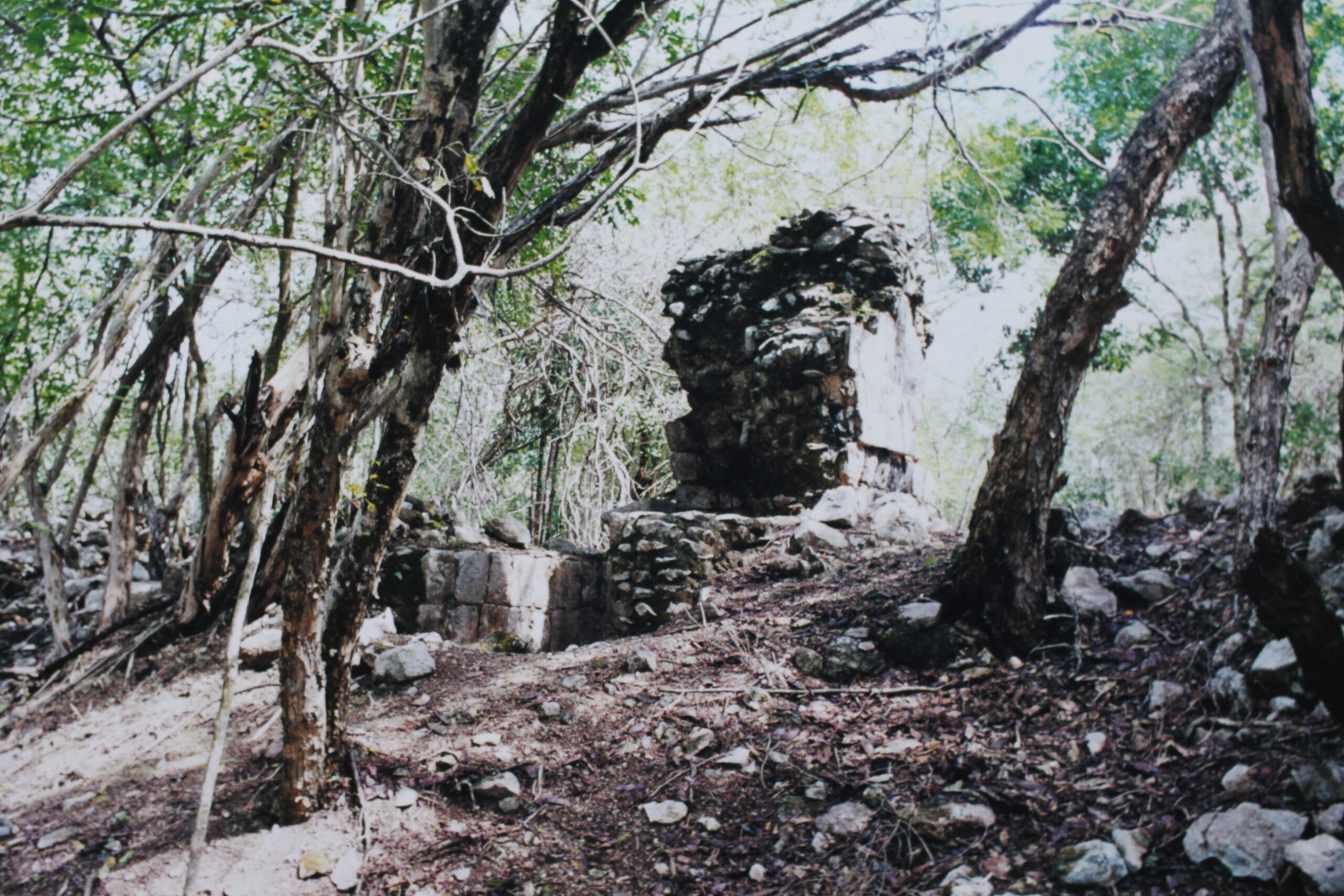
Xlapak is a petite, low-key archaeological zone along the famous Ruta Puuc that rewards visitors with exquisite Puuc-style stonework minus the crowds. The star is a compact palace façade adorned with stacked Chaac (rain-god) masks—classic Puuc iconography carved in crisp relief. Because the site sits between Sayil and Labná, it makes a perfect pause on a Puuc circuit, offering a peaceful forested loop trail, birdsong, and photogenic masonry that’s easy to appreciate up close.
Unlike blockbuster sites such as Uxmal, Xlapak’s scale is intimate: three small groups of structures tucked into a gentle valley. You’ll stand mere steps from mosaic-rich walls, trace the outlines of rooms and doorways, and notice construction details like corner masks, lattice patterns, and cornice moldings that epitomize late Classic Puuc craftsmanship. It’s also delightfully quiet—often you’ll have it nearly to yourself—so you can slow down, spot motmots and woodpeckers, and enjoy the jungle ambience.
History
The Puuc region flourished in the Late to Terminal Classic (roughly 750–950 CE). Xlapak (“old walls” in Yucatec Maya) blossomed during this era, benefiting from fertile valleys and ingenious water-management solutions, including chultunes (bottle-shaped cisterns) and seasonal aguadas. The site’s architecture is firmly Puuc: well-cut limestone veneer blocks over a rubble core; elegant, low buildings; and richly decorated façades featuring Chaac masks, geometric fretwork, and medial moldings. Though smaller and less restored than neighbors, Xlapak’s main palace captures the Puuc aesthetic in a concentrated, photogenic tableau.
Archaeological work across the Puuc began in the late 19th and early 20th centuries, with subsequent conservation by Mexico’s INAH (Instituto Nacional de Antropología e Historia). At Xlapak, stabilization focused on key façades so visitors could safely appreciate the decorative program while much of the broader settlement remains as low mounds within the forest.
Practical Information
- Hours: 8:00 AM – 4:00 PM daily
- Entry Fee: $75 MXN per person
- Recommended Visit Length: 45–90 minutes
- Difficulty: Easy (flat dirt paths with some uneven stones)
- Facilities: Small parking area and ranger presence; no shops; restrooms are limited or may be unavailable—plan accordingly
- Payments: Bring cash in small bills
- Phone (INAH Yucatán): +52 (999) 913 4034; +52 (999) 944 0043
- Accessibility: Not wheelchair accessible; expect uneven surfaces and a few low steps
- Best Time to Visit: Early morning for cooler temps and solitude; weekdays are quietest
What to Expect
After a short walk from the parking area, you’ll follow a shady loop path through low jungle. The trail connects three compact groups, with the best-preserved façade—often called the Palace—near the center of the circuit. Look for:
- Chaac masks: Protruding stone noses and stacked deity masks at corners and over doorways.
- Puuc mosaic work: Geometric lattice patterns and medial moldings typical of the style.
- Low platforms and rooms: Trace floor plans and thresholds that evoke daily life.
- Birdlife & shade: A forested setting with motmots, flycatchers, and welcome canopy cover.
The ambiance is contemplative and uncrowded. Expect a rustic experience with minimal signage—bring a guidebook or download notes beforehand. Photography is easy thanks to open sightlines and low structures; a wide-angle lens is handy for full façades, while a short telephoto helps isolate decorative details.
Getting There
Location: Xlapak lies on the Ruta Puuc between Sayil and Labná, about 113 km (70 mi) south of Mérida and ~37–40 km southeast of Uxmal. It’s well-signed from the Ruta Puuc spur road off Federal Highway 261.
- From Mérida (approx. 2 hrs): Drive south on Hwy 261 toward Uxmal. Continue past Muna and Santa Elena. At the signed junction for the Ruta Puuc, follow the spur; Xlapak appears after Sayil and before Labná. A small lot is at the trailhead.
- From Uxmal (45–50 min): Continue southeast on the Ruta Puuc road, passing Kabah and Sayil; watch for the Xlapak sign on your right.
Without a car: Colectivos and second-class buses run Mérida ↔ Ticul/Santa Elena, but service on the Ruta Puuc spur is limited. The most practical non-driving options are a guided Ruta Puuc tour from Mérida or hiring a taxi at Santa Elena/Ticul to wait while you visit multiple sites (agree the round-trip price and waiting time in advance).
Parking: Small, free lot by the entrance (no formal shade structures—avoid leaving valuables in sight).
What to Bring
- Sun protection: hat, sunglasses, mineral sunscreen
- Water (at least 1 liter per person); there are no vendors on site
- Comfortable closed-toe shoes with grip (uneven stones)
- Light, breathable clothing; insect repellent in wet season
- Cash (small bills) for entry and tips
- Offline map or downloaded notes—cell signal can be patchy
- Camera or phone with wide-angle option for façades
Tips & Safety
- Beat the heat: Arrive near opening (8–10 AM) or late afternoon. Midday is hot and shade is dappled, not complete.
- Route order: If driving the full Ruta Puuc, a good flow is Uxmal → Kabah → Sayil → Xlapak → Labná. This places Xlapak as a restorative, quiet stop before ending at the picturesque arch of Labná.
- Footing: Watch for loose stones and tree roots along the loop; rain can make limestone slick.
- Wildlife & respect: Don’t climb unreconstructed mounds; keep a respectful distance from fauna.
- Hydration: No on-site vendors—carry enough water for the loop and drive.
- Stewardship: Pack out all trash; food and pets are not permitted in Mexico’s archaeological zones.
Nearby Attractions
- Sayil: Grand multi-level palace and long, photogenic façades (5–10 min by car).
- Labná: The iconic corbelled arch and labyrinthine palace group (10–15 min).
- Kabah: The famous Codz Poop (“Palace of the Masks”) draped in Chaac masks (25–30 min).
- Uxmal (UNESCO): The Pyramid of the Magician and the Governor’s Palace—Puuc at monumental scale (~45–50 min).
- Santa Elena: Handy base town for the Ruta Puuc with simple eateries and guesthouses.
Practical Notes & FAQs
- How long do I need? Most visitors explore comfortably in 45–60 minutes; architecture buffs may linger up to 90 minutes photographing details.
- Are there guides on site? Not typically. Consider hiring a certified guide at Uxmal or Kabah for the broader Puuc context.
- Can I combine multiple sites in a day? Yes—Xlapak is designed to be part of a Ruta Puuc day. Plan 30–60 minutes per minor site plus driving time; add 2–3 hours if including Uxmal.
- When is it least crowded? Weekdays outside holiday periods. You may encounter only a few other visitors.
Visitor Etiquette
Please help protect the site: don’t climb on fragile masonry, avoid touching decorative stonework, and remain on established paths. Drones require explicit authorization from site authorities.
Sources (for planning)
Official information and current fee/hours from INAH: INAH Xlapak (ES), INAH Xlapak (EN). Location context: Mapcarta. Background on the Puuc era and Xlapak’s chronology: INAH feature (2025).
Xlapak Ruins: Complete Visiting Guide
On This Page
Quiet Puuc-style gem near Santa Elena with exquisite Chaac-mask façades and a shady loop trail. Easy 45–90 min visit. Hours, fee, tips, and driving directions inside.
Our Take
"Xlapak is the quietest Puuc stop—wander shaded trails to spot the crumbling Palacio, then linger to hear nothing but cicadas and wind through the ceibas."
What Makes This Special
Xlapak is a petite, low-key archaeological zone along the famous Ruta Puuc that rewards visitors with exquisite Puuc-style stonework minus the crowds. The star is a compact palace façade adorned with stacked Chaac (rain-god) masks—classic Puuc iconography carved in crisp relief. Because the site sits between Sayil and Labná, it makes a perfect pause on a Puuc circuit, offering a peaceful forested loop trail, birdsong, and photogenic masonry that’s easy to appreciate up close.
Unlike blockbuster sites such as Uxmal, Xlapak’s scale is intimate: three small groups of structures tucked into a gentle valley. You’ll stand mere steps from mosaic-rich walls, trace the outlines of rooms and doorways, and notice construction details like corner masks, lattice patterns, and cornice moldings that epitomize late Classic Puuc craftsmanship. It’s also delightfully quiet—often you’ll have it nearly to yourself—so you can slow down, spot motmots and woodpeckers, and enjoy the jungle ambience.
History
The Puuc region flourished in the Late to Terminal Classic (roughly 750–950 CE). Xlapak (“old walls” in Yucatec Maya) blossomed during this era, benefiting from fertile valleys and ingenious water-management solutions, including chultunes (bottle-shaped cisterns) and seasonal aguadas. The site’s architecture is firmly Puuc: well-cut limestone veneer blocks over a rubble core; elegant, low buildings; and richly decorated façades featuring Chaac masks, geometric fretwork, and medial moldings. Though smaller and less restored than neighbors, Xlapak’s main palace captures the Puuc aesthetic in a concentrated, photogenic tableau.
Archaeological work across the Puuc began in the late 19th and early 20th centuries, with subsequent conservation by Mexico’s INAH (Instituto Nacional de Antropología e Historia). At Xlapak, stabilization focused on key façades so visitors could safely appreciate the decorative program while much of the broader settlement remains as low mounds within the forest.
Practical Information
- Hours: 8:00 AM – 4:00 PM daily
- Entry Fee: $75 MXN per person
- Recommended Visit Length: 45–90 minutes
- Difficulty: Easy (flat dirt paths with some uneven stones)
- Facilities: Small parking area and ranger presence; no shops; restrooms are limited or may be unavailable—plan accordingly
- Payments: Bring cash in small bills
- Phone (INAH Yucatán): +52 (999) 913 4034; +52 (999) 944 0043
- Accessibility: Not wheelchair accessible; expect uneven surfaces and a few low steps
- Best Time to Visit: Early morning for cooler temps and solitude; weekdays are quietest
What to Expect
After a short walk from the parking area, you’ll follow a shady loop path through low jungle. The trail connects three compact groups, with the best-preserved façade—often called the Palace—near the center of the circuit. Look for:
- Chaac masks: Protruding stone noses and stacked deity masks at corners and over doorways.
- Puuc mosaic work: Geometric lattice patterns and medial moldings typical of the style.
- Low platforms and rooms: Trace floor plans and thresholds that evoke daily life.
- Birdlife & shade: A forested setting with motmots, flycatchers, and welcome canopy cover.
The ambiance is contemplative and uncrowded. Expect a rustic experience with minimal signage—bring a guidebook or download notes beforehand. Photography is easy thanks to open sightlines and low structures; a wide-angle lens is handy for full façades, while a short telephoto helps isolate decorative details.
Getting There
Location: Xlapak lies on the Ruta Puuc between Sayil and Labná, about 113 km (70 mi) south of Mérida and ~37–40 km southeast of Uxmal. It’s well-signed from the Ruta Puuc spur road off Federal Highway 261.
- From Mérida (approx. 2 hrs): Drive south on Hwy 261 toward Uxmal. Continue past Muna and Santa Elena. At the signed junction for the Ruta Puuc, follow the spur; Xlapak appears after Sayil and before Labná. A small lot is at the trailhead.
- From Uxmal (45–50 min): Continue southeast on the Ruta Puuc road, passing Kabah and Sayil; watch for the Xlapak sign on your right.
Without a car: Colectivos and second-class buses run Mérida ↔ Ticul/Santa Elena, but service on the Ruta Puuc spur is limited. The most practical non-driving options are a guided Ruta Puuc tour from Mérida or hiring a taxi at Santa Elena/Ticul to wait while you visit multiple sites (agree the round-trip price and waiting time in advance).
Parking: Small, free lot by the entrance (no formal shade structures—avoid leaving valuables in sight).
What to Bring
- Sun protection: hat, sunglasses, mineral sunscreen
- Water (at least 1 liter per person); there are no vendors on site
- Comfortable closed-toe shoes with grip (uneven stones)
- Light, breathable clothing; insect repellent in wet season
- Cash (small bills) for entry and tips
- Offline map or downloaded notes—cell signal can be patchy
- Camera or phone with wide-angle option for façades
Tips & Safety
- Beat the heat: Arrive near opening (8–10 AM) or late afternoon. Midday is hot and shade is dappled, not complete.
- Route order: If driving the full Ruta Puuc, a good flow is Uxmal → Kabah → Sayil → Xlapak → Labná. This places Xlapak as a restorative, quiet stop before ending at the picturesque arch of Labná.
- Footing: Watch for loose stones and tree roots along the loop; rain can make limestone slick.
- Wildlife & respect: Don’t climb unreconstructed mounds; keep a respectful distance from fauna.
- Hydration: No on-site vendors—carry enough water for the loop and drive.
- Stewardship: Pack out all trash; food and pets are not permitted in Mexico’s archaeological zones.
Nearby Attractions
- Sayil: Grand multi-level palace and long, photogenic façades (5–10 min by car).
- Labná: The iconic corbelled arch and labyrinthine palace group (10–15 min).
- Kabah: The famous Codz Poop (“Palace of the Masks”) draped in Chaac masks (25–30 min).
- Uxmal (UNESCO): The Pyramid of the Magician and the Governor’s Palace—Puuc at monumental scale (~45–50 min).
- Santa Elena: Handy base town for the Ruta Puuc with simple eateries and guesthouses.
Practical Notes & FAQs
- How long do I need? Most visitors explore comfortably in 45–60 minutes; architecture buffs may linger up to 90 minutes photographing details.
- Are there guides on site? Not typically. Consider hiring a certified guide at Uxmal or Kabah for the broader Puuc context.
- Can I combine multiple sites in a day? Yes—Xlapak is designed to be part of a Ruta Puuc day. Plan 30–60 minutes per minor site plus driving time; add 2–3 hours if including Uxmal.
- When is it least crowded? Weekdays outside holiday periods. You may encounter only a few other visitors.
Visitor Etiquette
Please help protect the site: don’t climb on fragile masonry, avoid touching decorative stonework, and remain on established paths. Drones require explicit authorization from site authorities.
Sources (for planning)
Official information and current fee/hours from INAH: INAH Xlapak (ES), INAH Xlapak (EN). Location context: Mapcarta. Background on the Puuc era and Xlapak’s chronology: INAH feature (2025).
Location
Plan Your Visit
Water, hat, mineral sunscreen, sturdy shoes, insect repellent (wet season), cash
Small parking; ranger presence; no shops; restrooms limited or unavailable—plan ahead
Combine with Sayil and Labná; arrive early; carry enough water; agree taxi rates in advance if not driving