
Best Restaurants in Mérida: Complete Dining Guide
A Food Lover’s Paradise
Mérida rivals Oaxaca and Puebla as one of Mexico’s great culinary capitals, blending ancient Maya heritage with Spanish, Middle Eastern, and even Dutch influences. Iconic dishes like cochinita pibil, panuchos, salbutes, and relleno negro are must-tries.
From Street Eats to Fine Dining: The city offers everything from 20-peso market snacks to upscale restaurants in restored colonial mansions. You can devour tacos from a bustling stall at breakfast and savor a chef’s tasting menu by dinner.
Yucatecan Cuisine at Heart
Local food is the star – think slow-roasted pork, tangy sour oranges, fiery habaneros, and the aromatic herb chaya. Even the fanciest spots proudly serve traditional Yucatecan dishes (yes, you can order panuchos with your wine).
Hidden Gems & Local Haunts
Beyond the tourist hotspots, Mérida is full of family-run eateries and lively cantinas where botanas (free snacks) magically appear with every drink. These authentic spots offer a chance to eat like a local and make new friends over spicy salsa and cold beer.
Inclusive for All Diets
Vegetarians, vegans, and gluten-free travelers won’t go hungry. Many regional staples are corn-based and meat-free versions abound – from eggy papadzules to creative vegan tacos – and a growing crop of plant-forward cafés cater to every need.
Food Festivals Galore
Mérida celebrates its food with high-energy festivals. From the Feria del Panucho to the Festival de la Chicharra, there’s almost always a fiesta honoring Yucatecan specialties. Time your visit right, and you might feast on dozens of varieties of panuchos or crunch on freshly fried chicharrón with the whole city.
A Taste of Yucatán: Mérida’s Vibrant Culinary Scene
Mérida greets you with the mouthwatering smell of lechón al horno and the sizzle of frying tortillas. As Yucatán’s capital, this city is a food lover’s paradise blending cultures and flavors. Ancient Maya culinary traditions form the base of most dishes, from the use of corn masa in tortillas and tamales to the habanero chiles and tropical fruits in sauces. Over the centuries, influences from Spanish colonizers, Lebanese immigrants, Dutch merchants, and neighboring Caribbean regions have layered in new ingredients and techniques. The result? Yucatecan cuisine is unlike any other – a rich tapestry where European ingredients like bitter oranges and Edam cheese meet native Recados (spice pastes) and banana leaves.
It’s often said that Mérida ranks alongside Oaxaca as having some of the best food in Mexico, and you’ll believe it as soon as you take your first bite. Here, every meal is an adventure. One moment you’re perched on a plastic stool at a busy market stall, dripping cochinita pibil juice down your chin; the next, you’re in a stylish courtyard restaurant toasting with mezcal as a trio strums trova yucateca music in the background. The city’s food scene is diverse in experience but united by one thing: passion for flavor. Yucatecos are proud of their regional dishes, and even upscale eateries make sure to include local classics on the menu. Whether you’re splurging on a multi-course tasting menu or nibbling late-night marquesitas (crispy filled crepes) from a street cart, Mérida delivers bold, unforgettable tastes of Yucatán.
The Must-Try Dishes
Before we dive into specific restaurants, let’s whet your appetite with a quick primer on iconic Yucatecan dishes you’ll encounter everywhere (and absolutely need to try):
Cochinita Pibil
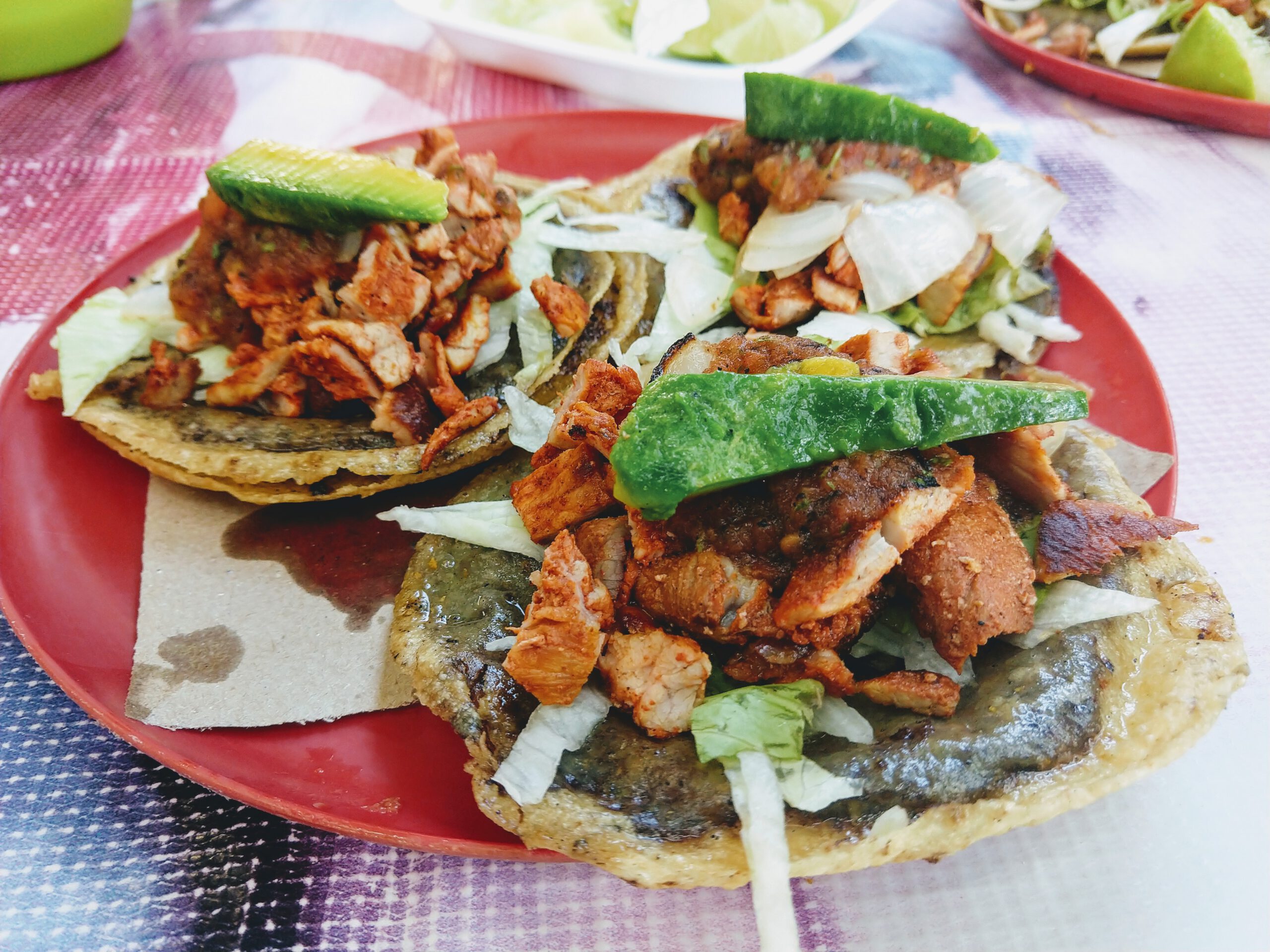
Arguably Yucatán’s most famous dish – succulent pork marinated in achiote (annatto) and sour orange, wrapped in banana leaves and pit-roasted (pib means buried oven) until fork-tender. Traditionally served as tacos or tortas, topped with pickled red onion and a squeeze of lime. Many locals swear by cochinita only for breakfast (Sunday mornings see long lines at the best stands!), but truthfully it’s delicious any time of day.
Panuchos & Salbutes
These are the Yucatecan answer to tostadas – small fried tortillas loaded with toppings. Salbutes are puffed and soft, while panuchos have a hidden layer of refried black beans inside, giving them a delightful heartiness. Commonly topped with shredded turkey or cochinita, lettuce, avocado, and pickled onion, they’re the ultimate local “antojito” (snack). You’ll often order them by the pair…or dozen.
Sopa de Lima
A light yet intensely flavorful soup made with chicken or turkey broth, aromatic lima agria (a local lime that’s more sweet-bitter than sour) juice, shredded meat, and crisp fried tortilla strips. Comforting and bright, it’s a must on any Yucatecan menu – a zesty cure-all for whatever ails you. The best versions balance the citrus tang with rich, slow-cooked broth.
Relleno Negro (and its cousin Relleno Blanco)
Don’t be put off by the inky color – relleno negro is a culinary marvel. Turkey meat and pork are stewed in a blackened chile sauce thickened with toasted tortillas, garlic, and spices, creating a hearty dark gravy. It’s served with boiled egg slices and often as tacos or panucho topping. Relleno blanco is a rarer variant with a white gravy (turkey stock thickened with corn masa) and tomato, yielding a milder stew. Both are born from Maya-Spanish fusion and taste like history in a bowl.
Papadzules
A favorite for vegetarians (and everyone else). Imagine enchiladas but distinctly Yucatecan – corn tortillas filled with chopped hard-boiled egg, drenched in a smooth pumpkin seed (pepita) sauce, and drizzled with tomato sauce. It’s rich, nutty, and absolutely satisfying. The name comes from the Maya words for “food of the lords,” and indeed you’ll feel royally content eating it.
Poc Chuc
Tender pork fillet marinated in sour orange and grilled or slow-roasted. A simpler dish than cochinita but no less delicious – the citrusy tang and smoky char make each bite a joy. Usually served with pickled onions, avocado, and a side of black bean puree. It’s a great introduction to the Yucatán’s love affair with the sour orange (naranja agria), a key ingredient in many recipes.
Marquesitas
For dessert or a street snack, hunt down a marquesita cart in the evening. These crispy rolled crepes are cooked on a charcoal-fired griddle and filled with your choice of sweets – classics include Nutella, dulce de leche, or fruit jams, always with a sprinkle of grated Edam cheese for that sweet-salty magic. The combination of molten caramel or chocolate with slightly funky cheese in a crunchy wafer is strangely addictive (trust us).
These are just a taste – we haven’t even mentioned tamales colados (silky smooth tamales
), pan de cazón (tortillas layered with shark meat and black beans), or dulce de papaya (candied green papaya with Edam cheese) yet. But fear not: by the time you eat your way through Mérida, you’ll likely have sampled all of the above and then some. Now, let’s explore where to find these delights, from the fanciest dining rooms to the humblest market stalls.
High-End Dining: Yucatecan Flavors with a Gourmet Twist
Mérida’s upscale restaurant scene is exciting and innovative, with chefs reimagining Yucatecan cuisine in beautiful settings. Don’t picture stuffy white-tablecloth French restaurants – even the fanciest places here draw from local tradition, often housed in historic buildings that exude colonial charm or modern elegance. You might dine under the stars on a rooftop terrace or in a restored hacienda salon, enjoying contemporary presentations of ancient Maya ingredients. Here are a few high-end standouts:
K’u’uk
If you’re in the mood for a culinary adventure, K’u’uk offers a multi-course tasting menu that’s pure creativity. Housed in a grand mansion in the upscale Itzimná neighborhood, K’u’uk (meaning “sprout” in Maya) is often praised as one of Mérida’s top fine dining experiences. The chefs use indigenous Mexican ingredients with cutting-edge techniques – think edible “cenote water” palate cleansers and beautifully plated dishes inspired by Yucatecan landscapes. One course might reinterpret dzic de venado (shredded venison salad) as a delicate tartare, and the next serves sopa de lima as an ethereal foam. It’s pricey by local standards (expect something like a US$100+ tasting menu), but for gourmands it’s an unforgettable evening. Insider tip: Opt for the beverage pairing to sip local spirits and juices tailored to each dish.
Néctar
Run by Chef Roberto Solís – one of the pioneers of “New Yucatecan Cuisine” – Néctar is another must for foodies. The restaurant is stylish and minimalist, letting the food take center stage. Solís, who has trained abroad (even at Noma in Copenhagen), applies modern techniques to Yucatán’s pantry. The result: elegant dishes like a perfectly seared local fish in chilmole (black chile sauce) or a deconstructed queso relleno (the traditional stuffed cheese) that turns this heavy dish into something light and artistic. Néctar’s mantra is a “deep exploration of endemic ingredients” and the menu indeed reads like a love letter to the region’s produce. Despite the sophistication, flavors remain comforting and true to their roots. Don’t skip the house-made tortillas – they might be the best you ever have, especially when used to scoop up that last bit of sauce!
Picheta
For dinner with a view, Picheta is unparalleled. Set atop a 350-year-old building right on Plaza Grande (the main square), this contemporary Yucatecan restaurant features a rooftop terrace where you can dine while gazing at the illuminated cathedral and city hall. The ambiance is both romantic and relaxed – often with a live trova guitarist strumming in the background. Picheta’s menu balances regional tradition and modern flair: you can start with a classic lime soup or a creative Yucassotto (risotto made with local ingredients), then move on to dishes like soft-shell crab in pipián sauce or an aged steak with local spices. One standout here is the “Dzidakán” – a slow-cooked pork belly (castacán) glazed to perfection, combining that crispy Yucatecan pork love with fine dining presentation. As I slice into the melt-in-your-mouth pork while watching a fiery sunset over Mérida’s central plaza, it strikes me that moments (and meals) like this are why we travel.
Ixi’im
If you’re willing to venture about 45 minutes outside Mérida to the luxurious Chablé Yucatán resort, Ixi’im is the destination restaurant that has put the region on the global culinary map. Helmed originally by a Michelin-starred chef and now led by Chef Luis Ronzón, Ixi’im offers a refined menu that merges Mexican cuisine with Yucatecan ingredients in an absolutely breathtaking setting (an old hacienda engine house filled with the world’s largest tequila collection!). While not in the city proper, many travelers make a pilgrimage here. Picture courses like a smoked quail with recado and xcatik pepper sauce or a chocolate dessert using locally grown cacao. It’s an indulgence in every sense – including cost – but as you walk through torch-lit gardens after dinner, stomach full of achiote-spiced delights, you’ll understand the hype. Note: Reservations are a must, and consider arranging transport in advance due to the distance.
Rosas & Xocolate
Back in town on the elegant Paseo de Montejo, this boutique hotel’s restaurant is beloved for its chic vibe and creative menu. Named for its signature use of roses and chocolate (both important to Maya and Mexican culture), the menu here might have items like a cocoa-infused relleno negro or duck breast with a subtle rose petal sauce. Even their cocktails play with local ingredients – try a mezcal with xtabentún (Mayan anise liqueur) and honey. The courtyard seating, framed by pink walls and a small pool, invites you to linger. It’s a great spot for a stylish brunch or a fancy date night.
Despite the upscale settings, Mérida’s fine dining is never pretentious. You’ll often see locals in smart-casual attire, some even in guayabera shirts and jeans. In fact, one delightful surprise is that even at a “fancy” restaurant like MUGY (Museo de la Gastronomía Yucateca, which straddles the line between mid-range and fine dining), you can show up in shorts and still be welcomed. So don’t worry about packing a suit – just your appetite and maybe a collared shirt. These restaurants prove that Yucatecan food can be world-class without losing its soul. After a meal at one of them, you’ll appreciate how deep the culinary traditions run here, and how eager the new generation of chefs is to honor and reinvent those flavors.
Classic Yucatecan Spots and Mid-Range Favorites
Sometimes, the best way to experience a region’s food is in a traditional setting – the kind of welcoming, unhurried restaurants where families gather on Sunday afternoons, and the menu reads like a greatest hits of Yucatán. Mérida has plenty of mid-range eateries that are both tourist-friendly and adored by locals. These places won’t break the bank, but they don’t skimp on atmosphere or authenticity. They’re perfect for long lunches or casual dinners where you can truly immerse yourself in Yucatecan flavors (and probably roll out very full and happy). Let’s walk through a few favorites:
La Chaya Maya
This is the Mérida institution everyone will point you to – and rightly so. With its charming thatched-roof entry and women patting tortillas by hand in the courtyard, La Chaya Maya strikes a balance between being mildly touristy and utterly authentic. The restaurant is named after the leafy green chaya (kind of like Yucatecan spinach) used in many regional dishes. Virtually every Yucatecan specialty is on their extensive menu: huevos motuleños for breakfast (eggs over tortillas with bean spread, cheese, peas, and plantains), pan de cazón, several kinds of tamales, poc chuc, relleno negro, lomitos de Valladolid (pork in tomato sauce)… you name it. If you’re overwhelmed, a great strategy is to order one of the sampler platters or a comida corrida daily special, which gives you a small taste of multiple dishes. I still dream about their papadzules – I ordered them on a whim and the blend of creamy pumpkin seed sauce with the soft egg-filled tortillas was divine. Despite its popularity (it often has a line out the door), service is friendly and quick. Pro tip: They actually have two locations one block apart in Centro. If one is packed, the other might have a table. Either way, expect a short wait at peak times, but it’s absolutely worth it. Sitting in their airy dining room, sipping an agua de chaya (chaya leaf lemonade) and listening to the gentle clatter of dishes from the open kitchen, you’ll feel like you’ve been adopted into a big Yucatecan family for the meal.
Museo de la Gastronomía Yucateca (MUGY): Part restaurant, part museum, MUGY is a fantastic introduction to Yucatán’s food culture. Tucked in a colonial house downtown, it features a lovely open-air courtyard dining area surrounded by exhibits. If you wander to the back, you’ll find a little “museum” section with displays explaining Maya cooking techniques, traditional kitchen tools, and even a life-size hut showcasing how píib ovens work. And then there’s the food! MUGY offers finely executed versions of all the classics. A personal favorite here is the poc chuc, which I found to be the best in town – juicy and imbued with that sour orange kick. They also serve excellent sopa de lima and empanadas de chaya. Despite the upscale look, prices are reasonable and the vibe is casual. One evening, I dined in the courtyard under strings of lights, enjoying agua de chaya con piña (a refreshing pineapple-chaya drink)
with my meal while a duo played softly on a harp and guitar. It felt upscale, yet I was perfectly comfortable in my sandals and sundress. MUGY proves you can have ambience, culture, and great food all in one spot – don’t miss popping into the museum exhibit after your meal to deepen your appreciation for the ingredients you just tasted.
Manjar Blanco
Just across from Santa Lucía Park, this unassuming white-walled restaurant shot to fame after being featured on Netflix’s “Taco Chronicles” for its renowned cochinita pibil. If La Chaya Maya is the old classic, Manjar Blanco is the beloved younger upstart where locals take their out-of-town friends to impress them with the best cochinita in Mérida (debatably, of course, but many swear by it). They slow-cook their cochinita traditionally – marinated pork wrapped in banana leaves, buried in an earthen oven overnight – and the result is melt-in-your-mouth magic. You can order it as a taco, panucho, or just a plate of meat with tortillas on the side. The first time I went, I bee-lined straight from my Airbnb with a one-track mind for cochinita, and it absolutely lived up to the hype. The pork was so tender and flavorful, and the kicker was the little bowl of habanero salsa they served with it – fiery, but with that fruity habanero aroma that makes everything pop. Beyond cochinita, Manjar Blanco’s menu includes other regional staples (their sopa de lima and queso relleno get thumbs up too). The setting is pleasant and airy, often filled with a mix of local families and savvy travelers. It’s open only until late afternoon (8 AM – 6 PM daily), so plan accordingly – this is a prime spot for a hearty lunch after a morning of sightseeing. And if you did want cochinita for breakfast (a totally valid life choice here), they’ve got you covered from early morning.
Katún Cocina Yucateca
A bit north of the main plaza, near Paseo de Montejo, Katún is a great stop if you’re visiting attractions in that area. It offers an extensive selection of Yucatecan dishes similar to the above restaurants, but what I loved was its laid-back, no-frills atmosphere. It feels like a regular neighborhood joint, not a “highlight in all the guidebooks,” so you might find it less crowded. I tried their poc chuc here as well (couldn’t resist a comparison) and while it wasn’t quite as tender as MUGY’s masterpiece, it was still excellent and came with all the traditional trimmings – pickled onion, avocado, black beans, and fresh tortillas. Katún’s prices are friendly, and they’re open for breakfast through early dinner. If you’re around Paseo Montejo checking out the Monumento a la Patria or one of the museums, popping into Katún for some frijol con puerco (pork and beans stew served on Mondays) or brazo de reina (a type of tamal roll with chaya) will recharge you nicely.
La Prospe del Xtup
This oddly-named restaurant (locals just call it “La Prospe”) is a hidden gem specializing in truly traditional Yucatecan fare. It’s named after a former henequen plantation, and stepping inside feels like stepping back a few decades – in the best way. The big draw here is that they serve some dishes that even many Yucatecos don’t make at home anymore. For example, I specifically went to try relleno blanco, the elusive cousin of relleno negro. When the plate arrived, it looked like comfort – chunks of turkey and a slice of hard-boiled egg swimming in a light, creamy broth alongside a scoop of spiced ground pork. It tasted homey and mild, a fascinating contrast to the bold relleno negro (I’ll admit, I prefer the black sauce for its smokiness, but I was thrilled to try this rarity). La Prospe also does wonderful dulce de papaya for dessert – sweet stewed papaya that they serve chilled and topped with shredded Edam cheese. Sounds strange, tastes awesome. This is a place to linger over a multi-course Yucatecan lunch with perhaps a beer or two. It’s usually filled with Meridanos which is always a good sign. If you go in the evening, you might catch some live trova music or a trio serenading the tables, which completes the old-school vibe.
From these classic restaurants, you’ll not only fill your belly but also gain a deeper understanding of what makes Yucatecan cuisine special. Each menu is like a mini food dictionary of the region. By the time you’ve eaten at a couple of them, you’ll be confidently differentiating your salbut from your panucho, and declaring which spot has the best salsa Xnipek (a chunky habanero salsa whose Mayan name means “dog’s nose” – presumably for how it makes you sweat like a dog’s wet nose!). The warmth of the service in these establishments is also worth noting. Don’t be surprised if a waiter or even the owner stops by to chat, especially if they see you’re curious – Yucatecos are proud of their cuisine and love to share its stories. And yes, it’s absolutely acceptable to let out a sigh of contentment or even loosen a belt notch after feasting at these tables. You’re in good company!
Street Food and Markets: Eating Like a Local
As wonderful as restaurants are, ask any Merida local where to find the best-tasting food and many will point you to a humble market stall or street cart. Mérida’s markets and street vendors are the heart and soul of its food culture. Here, recipes haven’t changed for generations, and the atmosphere – loud, a little chaotic, filled with laughter and shouting vendors – adds its own seasoning to the meal. Plus, you can’t beat the prices (you’ll marvel at how a few coins yield a plate piled high with deliciousness). Let’s dive into the street food scene, one bite at a time:
Breakfast Tacos at Wayan’e
The day in Mérida starts early, especially for taco hunters. By 7 AM, one of the city’s most beloved taco joints, Wayan’e, is already bustling. Wayan’e is legendary for its vast selection of taco fillings – many of which you won’t even find in Mexico City, the so-called taco capital. The specialties here are uniquely Yucatecan: think castacán (crispy pork belly) sizzling on the griddle, higadilla (a savory liver and organ meat stew) that’s actually hard to find elsewhere, huevos con chaya (eggs scrambled with that superfood green chaya), and something mysteriously called “pollo Hulk” – a shredded chicken cooked in a green sauce (bright with chaya and herbs) that indeed gives it a Hulk-like hue. My first time, I was so dazzled by the choices that I just pointed to several guisados and ended up with four tacos: castacán (utter bliss), huevos con chaya (fluffy and fresh), pollo Hulk (mild and herbal), and something the cook nicknamed chilibull (a spicy beef chili). Each taco was about 10-15 pesos – yes, you can feast like a king for just a couple of dollars. Locals stand or sit on low stools, dousing their tacos in fiery Xnipek salsa from squeeze bottles. The vibe is friendly; an older gentleman in line saw me hesitating and insisted I try the castacán, saying “Es lo máximo!” (“It’s the ultimate!”). He was absolutely right – the pork belly was golden and crackly, with just enough fat to be luscious. With each crunchy bite, I understood why Meridanos gossip about Wayan’e tacos with reverence. They have a few branches around town, but if you’re staying in the historic center, there’s a Wayan’e outpost conveniently just a short walk from Plaza Grande. By the way, Wayan’e is Mayan for “here it is” – as in, here’s the good stuff. And indeed, here it is.
Morning at Taqueria La Lupita in Mercado Santiago – locals and travelers alike flock here for cheap, authentic Yucatecan bites like cochinita tacos and lechón panuchos. Plastic tables, busy grills, happy eaters – this is Mérida street food at its finest.
Mercado Santiago – Taquería La Lupita & More: One of my favorite places to eat in Mérida is Mercado Santiago, a traditional market in the Santiago neighborhood (about 10-15 minutes walk from the main plaza). It’s clean, vibrant, and just the right size – big enough to offer options but not so sprawling that it’s overwhelming. Inside, an array of food stalls (fondas) encircle a seating area. The most famous here is Taquería La Lupita, which also earned its claim to fame on the Taco Chronicles show alongside Manjar Blanco. La Lupita specializes in cochinita pibil and lechón al horno, among other classics, served whichever way you like – tacos, tortas, salbutes, panuchos, or the local favorite polcanes (fried masa cakes stuffed with beans). I popped by around 8 AM one morning, and the place was already alive with locals grabbing breakfast. I ordered a trio: one salbut de cochinita, one salbut de lechón (roast pork), and one panucho de relleno negro. What a breakfast! The cochinita salbut was perhaps the best single bite – the meat juicy and richly spiced, the salbut shell slightly crisp on the outside yet soft inside. The lechón had a surprise: a shard of chicharrón (crispy skin) perched on top, adding crunch and smoky depth. And the relleno negro panucho was a flavor bomb – the dark chile stew soaking into the crunchy tortilla, tempered by the creamy boiled egg slice on top. I noticed the stall had a photo of the Netflix feature proudly displayed, and a steady line of customers. Despite the popularity, service was swift; you take a seat on the communal picnic tables and soon plate after plate of hot food arrives. The market vibes are wonderful – you’ll hear the butcher shouting his specials on one side, the flower lady chatting up a client on the other, and in between the clinking of spoon against bowl as someone savors their caldo de pavo (turkey soup). By my third visit to Mercado Santiago, some of the vendors started recognizing me (the friendly solo gringa who can’t stop eating, haha) and would playfully ask “¿Qué, lo mismo de ayer?” (“The same as yesterday?”). Don’t miss also trying La Reina Itzalana, a stall just outside under the arcade of the market, known for fantastic sopa de lima. That soup saved me on a hot late morning – tangy, nourishing, with generous shreds of turkey – and at around 40 pesos a bowl it felt like a steal. The “Reina” in the name means queen, and indeed, she reigns in the soup department. Mercado Santiago is an easy and welcoming place to dive into Yucatecan street food, especially for beginners.
Seafood Tacos at Taquería Tetiz (Mercado Santiago)
While you’re at Mercado Santiago, if it’s closer to lunchtime, check out Taquería Tetiz inside the market for a Yucatecan twist on Baja-style tacos. This stall is all about seafood – a rarity in central Mérida, since we’re not on the coast. They bring in fresh catch and prepare fish, shrimp, octopus, and even caracol (conch) in taco, salbut, or tostada form. The jovial vendor convinced me to try a bit of everything, and I ended up with a picture-perfect plate of three salbutes: one topped with shrimp, one with fish, and one with conch, each piled high with cabbage, avocado and drizzles of habanero mayo. Biting into the shrimp salbut – wow. Juicy, garlic-lime flavored shrimp against the crunchy-fresh tortilla, it was so good I immediately ordered a fourth salbut: pulpo (octopus) al ajillo, which did not disappoint. With each bite, a grin grew on my face. Perhaps noticing my bliss, the vendor gave a big laugh and posed for a photo, clearly proud of his food (as he should be!). This stall shows off Yucatán’s coastal bounty and is especially great if you need a brief break from meat, meat, and more meat.
After eating your fill at Mercado Santiago, you might be tempted to waddle back to your hotel for a siesta. But the street food tour isn’t over! Another key stop:
Parque de Santa Ana Food Stalls: Parque Santa Ana, not far from Paseo de Montejo, hosts a cluster of food stalls under a long pavilion, open from morning till afternoon. It’s a bit more geared to quick meals, with several vendors serving almost identical menus. The setting – plastic tables under the shade of the pavilion, facing a tranquil park and colonial church – makes it a lovely spot to recharge. Here you can get inexpensive combos like huevos motuleños for breakfast or tortas for lunch. On a research mission, I tested a queso relleno here right after having the gourmet version at Cheen (more on Cheen soon). Let’s just say the market stall queso relleno looked similar – a softball-sized piece of Edam cheese stuffed with pork – but the cheese was quite firm (barely heated) and the meat a tad dry. Still, I wasn’t mad because the experience of dining among office workers on their lunch break and abuelas enjoying their daily caldo was worth it. My advice at Santa Ana: stick to simpler antojitos (their panuchos de pavo were great) and fresh-squeezed juices. The real fun is the atmosphere – you can watch the world go by on Calle 60 as you munch. And if you have a sweet tooth, across the street is the famous Dulcería y Sorbetería Colón, an ice cream parlor dating back to 1907 known for tropical fruit sorbets and champolas (fruit and milk shakes). A coconut champola on a hot noon day is pure bliss – imagine a cross between a milkshake and a smoothie, with the pure taste of fresh coconut and a hint of sweetness. It was so refreshing I nearly melted into my chair with happiness.
Mérida en Domingo (Sunday Market)
If you’re lucky enough to be in Mérida over a Sunday, the whole downtown turns into a festive pedestrian zone for Mérida en Domingo. Streets around the main square close to traffic, and stalls selling crafts, clothing, and of course food pop up everywhere. It’s like a weekly mini-festival. Here you can graze endlessly: one stand might offer tamales colados (ultra-smooth tamales wrapped in banana leaves), another grills up kibis, which are Yucatecan kibbeh – yes, the Lebanese influence again, these oval fried balls of wheat and meat seasoned with spearmint are totally embraced by locals. I tried a kibi with a squeeze of lime and a dash of habanero sauce – fantastic crunchy snack. Right next to it was a grandmotherly lady selling polcanes, those fried masa and bean patties, and I couldn’t resist one of those either. Walking further, I encountered a cart with a crowd around it: they were making marquesitas on the spot, the aroma of toasting batter drawing people in like moths to a flame. I joined the queue for a marquesita filled with Nutella and queso de bola – the quintessential combo. With a satisfying crack, I bit in and tasted the warm chocolate hazelnut oozing against the sharp cheese. Heaven! For the more adventurous, Sunday market is also where I spotted some eccentric snacks: one vendor had hotdogs octopus-style – they’d cut the ends of the sausage into tentacles and deep fried it, then served on a stick with fries, resembling a goofy octopus. Kids were loving those. Don’t miss trying a local soda like Champú (made from corn) or a sorbet to cool down. As you snack your way through the zócalo, you’ll likely be serenaded by a wandering trovador or stumble upon a dance performance. Mérida en Domingo isn’t just about the food, it’s a celebration of community – and you get to literally taste the joy. By nightfall, when the stalls pack up, you’ll have a true appreciation of how food and daily life intertwine here.
One more honorable mention in the street food realm: El Pavo Feliz, a popular morning stand in the García Rejón market (a local market near Plaza Grande). It’s known for its turkey dishes (hence “Happy Turkey”). They open at a ridiculous 5 AM and sling tortas and salbutes to the early crowd until about noon. The pro move here is to go for breakfast and order a salbut de relleno negro with turkey meat – they are proud of their turkey, and indeed that salbut was memorable (and loaded with shredded turkey in that black sauce, yum). Keep your eye out also for roaming marquesita carts at night all over town – they are an iconic street food of Yucatán, and enjoying one in the plaza after dinner, with the warm night breeze and sounds of street musicians, is a ritual you’ll quickly embrace.
Street food can be a bit of an adventure (you might play menu roulette if you don’t speak Spanish, but hand signals and smiles work well). However, Mérida’s vendors are used to visitors and generally very hygienic – I found the stalls and markets quite clean. Still, typical travel smarts apply: stick to busy vendors with high turnover and well-cooked food. Given how tasty everything is, that’s an easy rule to follow. I guarantee that some of your fondest food memories of Mérida will come not from a fancy restaurant, but from sitting elbow-to-elbow with strangers on a bench, slurping soup from a Styrofoam bowl or juggling a paper plate of tacos as the juices run down your arm. It’s all part of the adventure, and it’s delicious.
Hidden Gems and Local Haunts
One of the joys of exploring Mérida is finding those off-the-beaten-path eateries where you feel like you’ve been let in on a local secret. These might be small family-run restaurants on unremarkable streets, or lively cantinas where the food is as important as the drinks. In places like these, you often get a more personal, homestyle taste of Yucatán – plus a side of storytelling or new friendships. Here are a few hidden gems and experiences that made my taste buds (and heart) happy:
Cheen Cocina Yucateca
Tucked in a quiet Centro neighborhood east of downtown, Cheen was a revelation. It’s essentially part of a house converted into a restaurant – blink and you might miss the modest sign. Inside, it feels like you’ve walked into your Yucatecan friend’s dining room: cozy, simple decor, the owners themselves often serving and checking on you. Cheen’s claim to fame is that everything tastes homemade, like abuela made it. The menu isn’t huge, but it hits the highlights: they’ve got your cochinita, your papadzules, your relleno negro, all done with care. At my server’s recommendation, I tried their Queso Relleno – and oh boy, come hungry if you order this! It’s the ultimate Mexican-Dutch fusion: a hollowed-out ball of Edam cheese stuffed with a rich filling of spiced ground beef and pork studded with raisins and almonds, all bathed in k’ool (a thick white gravy) and tomato sauce. When it arrived, it was intimidatingly large and aromatic. Carving out a spoonful of molten cheese and meat, I savored this hearty dish which manages to be both savory and subtly sweet. It’s the kind of meal that might knock you out for a few hours afterward, but you’ll be smiling in your food coma. The staff at Cheen are gems – they genuinely make you feel at home. At one point, Doña Cheen (let’s call her that), the matronly chef, peeked out to see if I enjoyed the queso relleno. I gave an enthusiastic thumbs up and she beamed, giving me a little wave. Also notable: Cheen’s tortillas were possibly the best I had anywhere – likely because they get them fresh from a local mill and heat them on a proper comal. Soft, corny goodness perfect for scooping up that last bit of sauce. Cheen may be a bit of a walk from the tourist center, but it’s worth every step; I left feeling like I had just visited a distant aunt who happened to be an amazing cook. Truly a hidden gem and one of my favorite meals in Mérida.
Cantina Culture – La Negrita & Free Botanas: Now, this is more of an experience than a single restaurant, but it’s essential: Mérida’s cantinas. A cantina is a traditional bar, and Yucatecan cantinas have a unique twist – with every round of drinks, they bring you free botanas (snacks) that can become a full meal if you linger. It’s the happiest “happy hour” concept ever: order a beer or a local cocktail, and soon your table fills up with little plates of tamales, stewed beans, pickled veggies, mini tacos, chicharrón, you name it. The most famous cantina is La Negrita, a colorful watering hole with live music most afternoons and evenings. It’s become popular with visitors, but it hasn’t lost its charm – bright murals, a crowd of all ages, and an always buzzing atmosphere. I remember an afternoon at La Negrita: I stopped in “just for one drink” to cool off. I ordered a beer and suddenly a waiter started covering my table with snacks – refried beans with tostadas, spicy pickled sausage slices, little kibis with cabbage, etc. By the second beer, out came empanadas and mini panuchos. Honestly, I was laughing in disbelief; I hadn’t planned on lunch, but I basically got one for free while swaying to a band playing cumbia. This is standard at many cantinas: El Cardenal, Eladio’s, La Mejico Alegre, El Lagarto de Oro – each has their vibe, but all will feed you generously as you drink. The catch (if you can call it that) is you’re expected to keep ordering drinks for the botana train to continue. But with beers about ~$2, that’s not a hardship. Locals often make an afternoon of it with friends, “dar la tanda” (take turns buying rounds). By early evening, you’ve socialized, eaten, and drunk to your fill. It’s a wonderful way to sample many Yucatecan nibbles and soak up real cantina camaraderie. Don’t be shy – these places are very welcoming. Just remember, cantinas traditionally were men-only, but those days are gone – now all genders mix. However, they do tend to be daytime-early evening spots (most close by 8 or 9pm) and aren’t for fancy cocktail seekers (think cold beer, tequila, maybe simple mixed drinks). For a traveler, spending a few hours in a cantina is like being allowed into a slice of local life, laughter and spontaneous dancing included. And yes, at La Negrita I ended up skipping dinner that night – who could eat again after the royal botana treatment?
Tacos of cochinita pibil topped with pickled onion – a Yucatecan favorite that’s slow-roasted overnight in banana leaves. Places like Manjar Blanco and Wayan’e are famed for doing this iconic dish justice.
El Apapacho
Arte & Cocina: Part bookshop, part art gallery, part restaurant, El Apapacho is a bohemian little hideaway that serves healthy twists on Yucatecan cuisine. The name roughly means “the cuddle” or “to lovingly embrace” in Mexican Spanish, and true to form, the food here feels like it was made to comfort. They have plenty of vegetarian options and even some vegan. It’s one of those places you might go for a leisurely lunch and end up staying for an extra coffee while flipping through a poetry book from their shelf. I tried their vegan ceviche (made with local fruits and coconut – surprisingly refreshing) and their take on huevos motuleños, which they can make veggie-friendly. The vibe on the patio under a mango tree, with local artworks displayed all around, is super relaxed. It’s a great spot to recharge your cultural batteries and your stomach at the same time. And if you’re into literature, you might find an English book or two to swap out. In the evenings, they sometimes have live trova or jazz in their upstairs space, and you can sip a glass of wine while nibbling platillos like a light queso de calabaza (a savory pumpkin seed “cheese”). Definitely a gem for those looking for something a little different from the purely traditional.
Siqueff
Middle Eastern Yucatecan Fusion: Here’s an interesting piece of Mérida’s culinary mosaic. Restaurante Siqueff has been around for decades, run by a family of Lebanese heritage. Remember those kibis and tabbouleh influences? This is where you can actually sit down to a menu that offers kefta kabobs alongside papadzules. The Yucatan-Levantine blend is a quirky result of the large Lebanese immigration to Yucatán in the late 19th and early 20th centuries. Siqueff serves a mean Tabbouleh salad and jocoque (a kind of sour cream dip) which go amazingly well as starters, followed by something like Colomach – a dish of ground beef and pork with almonds and spices, wrapped in cabbage leaves and cooked in tomato sauce – which is a Yucatecan adaptation of a Lebanese recipe. The location by Parque Santiago is convenient, and they also have a little shop selling take-home Middle Eastern sweets and * kibbeh* to cook. This place is a reminder that “local food” in Mérida doesn’t just mean Mayan-Spanish fusion; it can mean Middle Eastern fusion too, which is now truly local after a century. If you’re curious about that side of Yucatecan cuisine, give it a try (their lechón shawarma is another fun example on the menu).
*Helados Colón & Paletas: Finally, a sweet hidden gem – well, not really hidden since it’s famous, but I’ll mention it because nothing beats the heat like Yucatecan sorbets and popsicles. Dulcería y Sorbetería Colón was already mentioned; their coconut and mamey fruit sorbets are old-school delights eaten with a small wooden spoon as you stroll Paseo de Montejo. But there’s also Las Rellenas de la 60, a small ice pop shop that became my obsession. They specialize in paletas rellenas – stuffed popsicles. Yes, these are gourmet popsicles with surprise centers. For example, I had a Oaxacan chocolate paleta filled with rompope (Mexican eggnog liquor) – it was mind-blowingly good. Another day I tried a creamy corn paleta filled with cajeta (goat’s milk caramel). Imagine biting through cool, sweet corn-flavored ice and hitting a vein of rich caramel… oh yes. They also do fruity water-based ones with chamoy sauce inside for a sweet-sour kick. This place is a bit under the radar, but ask around and locals will point you to Calle 60 to find it. After days of heavy food, a tamarind-chamoy paleta or a pineapple one with chili is an ideal palate cleanser. So while ice cream might not be “meal” per se, in Mérida’s swelter it’s an essential part of the gastronomic journey!
Mérida’s hidden gems extend beyond what I can list here – the best way to find them is really to talk to locals. Yucatecans are warm and love to share tips. I had a random chat with a taxi driver who ended up recommending a tiny place near the airport for panuchos de pavo that “taste just like my wife’s grandma made”. Unfortunately I couldn’t visit that one, but the point is: stay curious and you’ll keep unearthing new delicious finds. Whether it’s a busy cantina or a hole-in-the-wall with just three tables, these offbeat spots often become the highlights of a trip, because you not only get scrumptious homemade food but also a connection – a feeling of being included in local life, if only for an hour or two.
Veggie, Vegan, and Gluten-Free Options in the Land of Cochinita
At first glance, Yucatecan cuisine might seem like a carnivore’s dream (and indeed, pork does reign supreme in many dishes). But fear not, herbivores and gluten-avoiders – Mérida has you covered more than you might expect. The city has a growing health-conscious and international community, and many eateries have adapted to accommodate a range of diets. Plus, a lot of traditional Yucatecan staples are naturally vegetarian or gluten-free thanks to the heavy use of corn, vegetables, and legumes.
Here are some tips and spots for enjoying Mérida’s food scene with dietary considerations
Vegetarian twists on Yucatecan classics: Many of the antojitos can be made vegetarian. For example, panuchos and salbutes can be topped simply with refried beans, avocado, and pickled onion or with egg (one common version at panucherías is a panucho topped with hard-boiled egg and tomato sauce). Papadzules are inherently meat-free (tortillas, egg, pumpkin seed sauce) – just check the tomato sauce doesn’t have hidden bits of meat (usually it doesn’t). Huevos motuleños, another favorite, are eggs on tortillas with black beans, plantains, cheese, and tomato sauce – usually there are a few bits of ham, but you can ask to omit it and you have a very filling vegetarian breakfast. Queso Relleno is not veg (it’s stuffed with meat), but queso napolitano sometimes on menus is actually a type of flan (be careful, naming is tricky!). One completely veg local dish is brazo de reina: a log of corn masa mixed with chaya leaves, filled with hard-boiled egg, and steamed in a banana leaf – served with tomato sauce. It’s like a giant tamal and is delicious and hearty.
Vegan Yucatecan food? Yes, it exists! Some young entrepreneurs have started doing plant-based versions of Yucatecan favorites. I encountered a vegan pop-up at a local market where they served jackfruit cochinita tacos – the jackfruit perfectly marinated in achiote and sour orange to mimic the shredded pork. It was surprisingly convincing and absolutely tasty in its own right. Keep an eye out on social media or flyers for such pop-ups or ask at vegan cafés; the scene is budding.
Dedicated Vegan/Vegetarian eateries: Mérida boasts several all-vegetarian and vegan restaurants now. A few notable ones:
Lo Que Hay Café
A funky little spot that used to run on a donation-based model (you paid what you felt was fair). They have a daily changing menu of vegan dishes, often with global inspirations but using local produce. It’s a great place to meet fellow travelers and expats, and the communal table vibe is strong.
Casa Savia Vegana
A fully vegan restaurant known for hearty lunches. They do vegan pozole, salads, and veggie takes on Mexican antojitos. It’s a bit outside Centro, but if you’re craving a no-meat day, it’s worth the ride.
Falafel Mérida
Given the Middle Eastern influence, it’s not shocking you can find good falafel here. This small joint does excellent falafel wraps, plus other vegetarian Middle Eastern dishes like tabbouleh and hummus. A nice break from tortillas if you need it.
Monique’s Bakery & Café
This is a beloved hangout among health-conscious eaters. Monique’s is famed for organic breads (including gluten-free loaves) and a vegetarian-friendly menu. They serve strong coffee, smoothies, big salads, and sandwiches on their fresh-baked bread. It’s also the go-to for artisanal sourdough if you are an Airbnb-er who cooks. I had a fantastic gluten-free almond muffin here and a bowl of vegan soup that restored my nutrient balance after days of porky indulgence.
Merci
Located in the García Ginerés neighborhood (and another branch in north Mérida), Merci is a trendy brunch spot with plenty of international options. They clearly label vegetarian and gluten-free items. Their avocado toast, oatmeal with tropical fruits, and veggie omelets can be a relief if you need a break from heavy foods. And they haven’t forgotten the Yucatecan touches – you can get a chaya smoothie here.
100% Natural: This is actually a national chain of health food restaurants, and there’s one in Mérida. As the name implies, lots of juices, salads, and a mix of Mexican and international healthy fare. Reliable for vegetarian options and fresh juices.
Gluten-Free Friendly
Corn is king in Yucatán, which is great news for gluten-free eaters. Tortillas, tamales, panuchos, etc. are all corn-based and thus GF. You will need to watch out for things like panuchos or salbutes sometimes being fried in oil where other breaded things might have been, so extreme sensitivity sufferers take note. But overall, you can enjoy most traditional dishes (cochinita, poc chuc, relleno negro, etc.) without the flour. Even the beloved marquesita can be made with a corn flour batter (I’m not 100% sure if all vendors do, but I believe many use a mix of wheat and corn flour – if gluten is a no-go, ask or skip those). One item that is off-limits is bolli (French bread) for tortas, but hey, just have tacos instead! Some places like Monique’s and Merci offer gluten-free bread or pastries. And as with many destinations, there are now a couple of specialty GF bakeries popping up – ask around, as the scene evolves quickly.
Markets for Fresh Fruit & Snacks: Don’t underestimate the bounty of tropical fruits as a vegetarian treat. In markets and on corners, you can get cups of sliced mango, watermelon, jícama, cucumber – topped with lime and chili (divine combo) – for a refreshing, vitamin-rich snack. Also, coconut water stands are everywhere; one whack of a machete and you have a chilled coconut to sip from, then they often cut it open so you can scoop the flesh. Totally vegan, totally gluten-free, totally awesome in the Mérida heat.
Even at the traditionally meaty restaurants, I found the staff accommodating. For example, at La Chaya Maya, the menu has a vegetarian section, and they highlight dishes that are meatless. One of my travel companions was vegetarian and enjoyed empanadas de chaya con queso (chaya and cheese empanadas) and a big plate of ensalada de Xec – a salad of orange, jicama, and beet seasoned with chile – while I devoured my meaty main, and she was perfectly content. Another friend with celiac disease managed very well eating at the markets and traditional places by sticking to corn and asking a few questions; people understood and respected dietary needs when explained.
In short, nobody will go hungry in Mérida, regardless of dietary preference. In fact, trying the vegetarian variations or the newer vegan offerings can give you a fresh perspective on Yucatecan ingredients. Plus, it’s always fun to alternate heavy meals with lighter ones so you can keep up the pace of eating all the things! Balance, as they say, is key – one day you’re feasting on lechón, the next day a green smoothie and a salad hit the spot, then you’re right back at the tacos de castacán. Your body (and conscience) will thank you for the variety.
Food Festivals and Culinary Traditions in Mérida
Mérida not only offers great food day-to-day, but it also loves to throw food festivals celebrating the very dishes that make Yucatecan cuisine special. If your trip aligns with one of these events, you’re in for a treat – they are part gastronomic adventure, part cultural fiesta. Let’s highlight a few of the most famous food-themed festivals and traditions you should know about:
Feria del Panucho (Panucho Fair)
Perhaps the crown jewel of Mérida’s food fests, the Panucho Fair is an annual celebration of that quintessential Yucatecan snack – the panucho. It usually takes place in late November in the Barrio de La Ermita, a picturesque and historic neighborhood. The fair is a one-night extravaganza where the entire park and streets around the Ermita church fill with panucho stands, live music, and hundreds upon hundreds of hungry attendees. In 2025, they held the sixth edition of the fair, offering a staggering 12,000 panuchos for just 20 pesos each. Imagine rows of stalls, each proudly frying up their specialty panucho with various toppings: the traditional hard-boiled egg and turkey, but also creative versions like ground beef, queso de bola (Edam cheese with a slice of tomato on top), castacán pork belly, and even breaded shrimp panuchos. The air is thick with the mouthwatering aroma of corn masa being fried and the sounds of laughter and clinking pocillos (enameled cups) of horchata. Local families, tourists, everyone comes out – it’s like a giant block party. There are usually extra events like a contest to crown “La Reina del Panucho” (the ambassador of the fair) and performances by folkloric dance troupes and trovadores. I attended in 2024 and it was unforgettable: under strings of papel picado banners, I hopped from stall to stall, trying to sample as many varieties as my stomach allowed. One abuela-type vendor urged me to try her panucho de castacán con queso – the pork belly with melted Edam on top – holy moly, it was crispy, salty, and gooey all at once. Another stall offered venison panuchos, a nod to the Maya tradition of hunting deer; that was a rare treat. All around, people were grinning, balancing paper trays loaded with panuchos, and declaring this or that stall to be the best. By evening’s end, I had a panucho-induced glow and perhaps a bit of itis, but I also felt so happy to have been part of a community feast. If you love panuchos (and who doesn’t after their first one?), this fair is like Disneyland. Pro tip: go early (it starts around 5 PM) to beat some crowds and ensure the special varieties don’t sell out. Also, bring cash – small bills – and an appetite for at least 5 panuchos. Trust me.
Festival de la Chicharra (Chicharra Festival)
Another wildly popular event, typically held in the month of May, is the Chicharra Festival in the Barrio of Xcalachén. Now, chicharra means pork crackling or essentially fried pork bits – think chicharrón but even broader (skin, chunks of meat, etc., all fried to crispy perfection). Xcalachén is a neighborhood famous for its chicharronerías (pork fry shops) dating back to the 1950s. Over time the tradition was fading, so in 2017 residents and the city launched a festival to revive it. It worked – the festival became an annual hit, drawing crowds to enjoy this decadent treat. Picture a whole block party dedicated to the pig: stalls offer every part fried – skins, ears, ribs, and something called buche (pig’s stomach, a local delicacy) – usually served in little baskets with fresh tortillas, pickled onion, and plenty of fiery salsa. The atmosphere is wonderfully gritty and festive: local DJs or a son jarocho band might play, neighbors put out chairs on their sidewalks, and the beer flows to wash down the salty chicharra. I went in 2025 when it was held on May 17th in Xcalachén’s main street. Talk about living your best street food life: I got a paper bag filled with mixed chicharra straight from the vat, burn-your-fingers hot and crackling, and a stack of warm tortillas. It’s DIY tacos – grab a tortilla, load some chicharra, spoon on a bit of the Xnipek salsa (habanero, tomato, cilantro), add a squeeze of bitter orange or lime, and crunch! The flavor was pure indulgence – smoky, porky, with that citrus and chile cutting through the richness. There was a slogan on a banner that made me chuckle: “Come hungry… and ready for a good time”
– absolutely on point. People danced in the street, kids chased each other around the taco stands, and a group of abuelas at one stall proudly told me how their chicharra was the best because they still use the old cast-iron cauldron inherited from their grandfather. This festival gave me a new appreciation for something I’d normally consider just a snack. In Mérida, it’s a whole event! If you attend, a little tip – arrive right when it starts around midday, because the prime cuts of chicharra can sell out and the crowd thickens fast (the festival technically ran till 5 PM or until they run out
). And do have a Michelada (beer with lime, salt, and maybe chili or Worcestershire) alongside to balance the grease – your body will thank you.
Salbut Fair (Feria del Salbut)
A newer addition to the roster, the Feria del Salbut started a few years ago to promote vendors in the San Sebastián market (south of downtown). By 2025 they had their third edition, held in late September. This one is a morning-to-evening affair (8 AM to 8 PM), basically turning the market into salbut central. Salbutes, as we know, are those puffy fried tortillas – and at this fair, they get incredibly inventive. Besides the classic turkey or chicken, vendors rolled out seafood salbutes, cochinita salbutes, relleno negro salbutes, even some with longaniza de Valladolid (smoked sausage). They capped the price at 18 pesos each (25 if it had fancy seafood), so you’re encouraged to try a bunch. I loved that this fair was born from adversity – the vendors created it after COVID slashed their sales, as a strategy to bring people back. And it worked; by the time I went, the place was packed with families enjoying breakfast salbutes, and there were even sponsored giveaways – I saw one lady win a giant basket of masa flour for answering a trivia question! They also set up big communal tables and had the city’s ballet folklórico perform, giving it a fun family-fair vibe. I must say, the pulpo (octopus) salbut I had there was out of this world – tender grilled octopus on a pillow of masa with guacamole and pickled red onion. A mar y tierra (“sea and land”) combo that still makes me salivate thinking of it. This fair usually coincides with the feast of San Sebastián or the neighborhood’s celebrations, so it’s also a chance to explore an area with a deep history (San Sebastián is one of the oldest barrios). If you’re in town in September, definitely ask if the Salbut Fair is on – it’s a delicious way to spend a Sunday.
Mucbipollo Fair (Pib Festival)
Around late October, as part of the Hanal Pixán (Day of the Dead) activities, Mérida honors its special once-a-year dish: Mucbipollo (also called Pib). This is a giant tamale traditionally made for the departed souls – filled with turkey or chicken, pork, corn masa, and spices, wrapped in banana leaves and cooked underground, much like cochinita. During the Festival de las Ánimas (Festival of Souls) leading up to Day of the Dead, there is a Mucbipollo Fair usually held in San Sebastián park (see, that neighborhood knows how to party with food!). The fair typically is on the Sunday before Nov 1 – in 2025 it was on October 26th from 8 AM to 8 PM. At this event, local food artisans set up to sell pibs by the slice or whole. It’s like a tamale fair but with the emphasis on these epic ghostly tamales. I call them ghostly because they’re part of the Day of the Dead offerings – families make them to put on altars and to eat during the festivities. At the fair, I got to sample different versions: one stall had the traditional chicken and pork, another had an all-veggie one (interesting for those who don’t eat meat), and another was selling mucbipollo empanadas – a creative twist where they used the pib filling inside a pastry. The whole park smelled of roasted banana leaf and corn – an autumnal perfume for Yucatán. There were also stands with other holiday treats like maja blanca (a coconut pudding) and vendors selling the sugar skulls and pan de muerto. In the evening, the event overlapped with the Paseo de las Ánimas (a beautiful candlelit procession). So you could munch on a piece of pib while watching locals in elegant catrina makeup and traditional dress pass by with candles. It gave me chills (in a good way) – the blend of flavor and tradition, the living and the dead being honored through food. If you’re a culture buff, timing a trip for Hanal Pixán in Mérida is hugely rewarding, and the mucbipollo fair is a highlight within that.
Aside from these, Mérida has had other foodie events, like the Pueblos del Maíz festival (celebrating corn and its role in the cuisines of Latin America), and various ferias for seasonal items. But the ones above are the biggies for local specialties.
What I love about these festivals is they encapsulate what Yucatecan food is all about: community and continuity. You see multiple generations cooking together at a stall, passing down recipes, smiling as a youngster exclaims this is the best panucho or as an old-timer reminisces how they haven’t tasted chicharra like this since their childhood. It’s living history, edible heritage on full display. And Mérida doesn’t put these on just for tourists – they are primarily by Yucatecans for Yucatecans, which makes attending them as a visitor feel like you’ve been graciously invited to a neighborhood block party. So if you have the chance, definitely dive in. Even if your Spanish is minimal, the universal language of food (and thumbs-up and “mmm!” sounds) will be enough to connect you with those around. I left each festival not only full of delicious food but full of appreciation for the pride and joy this city has in its cuisine.
As our culinary journey through Mérida comes to an end, imagine we’re sitting in one of those leafy plazas, perhaps finishing the evening with a scoop of mamey ice cream or sipping a final mezcal under the stars. The air is balmy, music drifts from a distant trio, and we’re contentedly reflecting on the whirlwind of flavors experienced. From the humble taco stands where breakfast means juicy cochinita on a warm tortilla, to the elegant restaurants where young chefs remix tradition in stunning spaces, Mérida has shown us an incredible spectrum. We ventured into bustling markets, where we ate among locals and felt the true heartbeat of the city. We uncovered hidden gems where recipes come with side servings of stories. We saw that food in Mérida isn’t just about sustenance – it’s culture, history, celebration, and identity on a plate.
You’ve traveled vicariously with this friendly food-obsessed companion (me!) through a Yucatecan wonderland. Hopefully, the vivid details made you practically taste the smoky spice of relleno negro or hear the crunch of a perfect panucho. But nothing beats experiencing it for yourself. Mérida awaits you with open arms and open kitchens – the city truly loves to feed its guests. Whether you’re an adventurous eater eager to try higadilla tacos at dawn, or a casual diner seeking the best lime soup in a cozy courtyard, Mérida will delight and surprise you at every turn.
So come, wander these colonial streets with an empty stomach and an open mind. Follow the scent of achiote and sour orange down a cobbled lane. Join the queue where the locals line up for their daily cafe con leche and torta de lechón. Say “buen provecho” to your neighbors at the communal table – you might leave with a new friend or two. Embrace the late-night ritual of plaza snacks, and the early morning ritual of market feasts. And if someone invites you to a food festival or a family dinner, say yes – in Mérida, the best experiences are often passed around the table.
By the end of your stay, you too will be in love with this city’s cuisine. You might even catch yourself dreaming of cochinita or attempting to recreate papadzules back home (warning: it won’t taste the same without a Mérida breeze and the sound of palmas swaying, but it’s worth a shot). Mérida has a way of lingering in your heart – and taste buds – long after you depart.
¡Provecho! Enjoy every bite of your Mérida food adventure. And when you do go, have a panucho (or five) for me. I promise, I’ll be right there in spirit, happily crunching along with you. Buen viaje y buen comer – happy travels and happy eating in the White City of Yucatán!
Sources
The culinary richness and events described are based on Mérida’s latest food scene information and local reports, combined with immersive first-hand style anecdotes to bring the experience to life. Enjoy the journey and the flavors – nos vemos en Mérida.
Best Restaurants in Mérida: Complete Dining Guide
In This Guide
Regions
A Food Lover’s Paradise
Mérida rivals Oaxaca and Puebla as one of Mexico’s great culinary capitals, blending ancient Maya heritage with Spanish, Middle Eastern, and even Dutch influences. Iconic dishes like cochinita pibil, panuchos, salbutes, and relleno negro are must-tries.
From Street Eats to Fine Dining: The city offers everything from 20-peso market snacks to upscale restaurants in restored colonial mansions. You can devour tacos from a bustling stall at breakfast and savor a chef’s tasting menu by dinner.
Yucatecan Cuisine at Heart
Local food is the star – think slow-roasted pork, tangy sour oranges, fiery habaneros, and the aromatic herb chaya. Even the fanciest spots proudly serve traditional Yucatecan dishes (yes, you can order panuchos with your wine).
Hidden Gems & Local Haunts
Beyond the tourist hotspots, Mérida is full of family-run eateries and lively cantinas where botanas (free snacks) magically appear with every drink. These authentic spots offer a chance to eat like a local and make new friends over spicy salsa and cold beer.
Inclusive for All Diets
Vegetarians, vegans, and gluten-free travelers won’t go hungry. Many regional staples are corn-based and meat-free versions abound – from eggy papadzules to creative vegan tacos – and a growing crop of plant-forward cafés cater to every need.
Food Festivals Galore
Mérida celebrates its food with high-energy festivals. From the Feria del Panucho to the Festival de la Chicharra, there’s almost always a fiesta honoring Yucatecan specialties. Time your visit right, and you might feast on dozens of varieties of panuchos or crunch on freshly fried chicharrón with the whole city.
A Taste of Yucatán: Mérida’s Vibrant Culinary Scene
Mérida greets you with the mouthwatering smell of lechón al horno and the sizzle of frying tortillas. As Yucatán’s capital, this city is a food lover’s paradise blending cultures and flavors. Ancient Maya culinary traditions form the base of most dishes, from the use of corn masa in tortillas and tamales to the habanero chiles and tropical fruits in sauces. Over the centuries, influences from Spanish colonizers, Lebanese immigrants, Dutch merchants, and neighboring Caribbean regions have layered in new ingredients and techniques. The result? Yucatecan cuisine is unlike any other – a rich tapestry where European ingredients like bitter oranges and Edam cheese meet native Recados (spice pastes) and banana leaves.
It’s often said that Mérida ranks alongside Oaxaca as having some of the best food in Mexico, and you’ll believe it as soon as you take your first bite. Here, every meal is an adventure. One moment you’re perched on a plastic stool at a busy market stall, dripping cochinita pibil juice down your chin; the next, you’re in a stylish courtyard restaurant toasting with mezcal as a trio strums trova yucateca music in the background. The city’s food scene is diverse in experience but united by one thing: passion for flavor. Yucatecos are proud of their regional dishes, and even upscale eateries make sure to include local classics on the menu. Whether you’re splurging on a multi-course tasting menu or nibbling late-night marquesitas (crispy filled crepes) from a street cart, Mérida delivers bold, unforgettable tastes of Yucatán.
The Must-Try Dishes
Before we dive into specific restaurants, let’s whet your appetite with a quick primer on iconic Yucatecan dishes you’ll encounter everywhere (and absolutely need to try):
Cochinita Pibil
Arguably Yucatán’s most famous dish – succulent pork marinated in achiote (annatto) and sour orange, wrapped in banana leaves and pit-roasted (pib means buried oven) until fork-tender. Traditionally served as tacos or tortas, topped with pickled red onion and a squeeze of lime. Many locals swear by cochinita only for breakfast (Sunday mornings see long lines at the best stands!), but truthfully it’s delicious any time of day.
Panuchos & Salbutes
These are the Yucatecan answer to tostadas – small fried tortillas loaded with toppings. Salbutes are puffed and soft, while panuchos have a hidden layer of refried black beans inside, giving them a delightful heartiness. Commonly topped with shredded turkey or cochinita, lettuce, avocado, and pickled onion, they’re the ultimate local “antojito” (snack). You’ll often order them by the pair…or dozen.
Sopa de Lima
A light yet intensely flavorful soup made with chicken or turkey broth, aromatic lima agria (a local lime that’s more sweet-bitter than sour) juice, shredded meat, and crisp fried tortilla strips. Comforting and bright, it’s a must on any Yucatecan menu – a zesty cure-all for whatever ails you. The best versions balance the citrus tang with rich, slow-cooked broth.
Relleno Negro (and its cousin Relleno Blanco)
Don’t be put off by the inky color – relleno negro is a culinary marvel. Turkey meat and pork are stewed in a blackened chile sauce thickened with toasted tortillas, garlic, and spices, creating a hearty dark gravy. It’s served with boiled egg slices and often as tacos or panucho topping. Relleno blanco is a rarer variant with a white gravy (turkey stock thickened with corn masa) and tomato, yielding a milder stew. Both are born from Maya-Spanish fusion and taste like history in a bowl.
Papadzules
A favorite for vegetarians (and everyone else). Imagine enchiladas but distinctly Yucatecan – corn tortillas filled with chopped hard-boiled egg, drenched in a smooth pumpkin seed (pepita) sauce, and drizzled with tomato sauce. It’s rich, nutty, and absolutely satisfying. The name comes from the Maya words for “food of the lords,” and indeed you’ll feel royally content eating it.
Poc Chuc
Tender pork fillet marinated in sour orange and grilled or slow-roasted. A simpler dish than cochinita but no less delicious – the citrusy tang and smoky char make each bite a joy. Usually served with pickled onions, avocado, and a side of black bean puree. It’s a great introduction to the Yucatán’s love affair with the sour orange (naranja agria), a key ingredient in many recipes.
Marquesitas
For dessert or a street snack, hunt down a marquesita cart in the evening. These crispy rolled crepes are cooked on a charcoal-fired griddle and filled with your choice of sweets – classics include Nutella, dulce de leche, or fruit jams, always with a sprinkle of grated Edam cheese for that sweet-salty magic. The combination of molten caramel or chocolate with slightly funky cheese in a crunchy wafer is strangely addictive (trust us).
These are just a taste – we haven’t even mentioned tamales colados (silky smooth tamales
), pan de cazón (tortillas layered with shark meat and black beans), or dulce de papaya (candied green papaya with Edam cheese) yet. But fear not: by the time you eat your way through Mérida, you’ll likely have sampled all of the above and then some. Now, let’s explore where to find these delights, from the fanciest dining rooms to the humblest market stalls.
High-End Dining: Yucatecan Flavors with a Gourmet Twist
Mérida’s upscale restaurant scene is exciting and innovative, with chefs reimagining Yucatecan cuisine in beautiful settings. Don’t picture stuffy white-tablecloth French restaurants – even the fanciest places here draw from local tradition, often housed in historic buildings that exude colonial charm or modern elegance. You might dine under the stars on a rooftop terrace or in a restored hacienda salon, enjoying contemporary presentations of ancient Maya ingredients. Here are a few high-end standouts:
K’u’uk
If you’re in the mood for a culinary adventure, K’u’uk offers a multi-course tasting menu that’s pure creativity. Housed in a grand mansion in the upscale Itzimná neighborhood, K’u’uk (meaning “sprout” in Maya) is often praised as one of Mérida’s top fine dining experiences. The chefs use indigenous Mexican ingredients with cutting-edge techniques – think edible “cenote water” palate cleansers and beautifully plated dishes inspired by Yucatecan landscapes. One course might reinterpret dzic de venado (shredded venison salad) as a delicate tartare, and the next serves sopa de lima as an ethereal foam. It’s pricey by local standards (expect something like a US$100+ tasting menu), but for gourmands it’s an unforgettable evening. Insider tip: Opt for the beverage pairing to sip local spirits and juices tailored to each dish.
Néctar
Run by Chef Roberto Solís – one of the pioneers of “New Yucatecan Cuisine” – Néctar is another must for foodies. The restaurant is stylish and minimalist, letting the food take center stage. Solís, who has trained abroad (even at Noma in Copenhagen), applies modern techniques to Yucatán’s pantry. The result: elegant dishes like a perfectly seared local fish in chilmole (black chile sauce) or a deconstructed queso relleno (the traditional stuffed cheese) that turns this heavy dish into something light and artistic. Néctar’s mantra is a “deep exploration of endemic ingredients” and the menu indeed reads like a love letter to the region’s produce. Despite the sophistication, flavors remain comforting and true to their roots. Don’t skip the house-made tortillas – they might be the best you ever have, especially when used to scoop up that last bit of sauce!
Picheta
For dinner with a view, Picheta is unparalleled. Set atop a 350-year-old building right on Plaza Grande (the main square), this contemporary Yucatecan restaurant features a rooftop terrace where you can dine while gazing at the illuminated cathedral and city hall. The ambiance is both romantic and relaxed – often with a live trova guitarist strumming in the background. Picheta’s menu balances regional tradition and modern flair: you can start with a classic lime soup or a creative Yucassotto (risotto made with local ingredients), then move on to dishes like soft-shell crab in pipián sauce or an aged steak with local spices. One standout here is the “Dzidakán” – a slow-cooked pork belly (castacán) glazed to perfection, combining that crispy Yucatecan pork love with fine dining presentation. As I slice into the melt-in-your-mouth pork while watching a fiery sunset over Mérida’s central plaza, it strikes me that moments (and meals) like this are why we travel.
Ixi’im
If you’re willing to venture about 45 minutes outside Mérida to the luxurious Chablé Yucatán resort, Ixi’im is the destination restaurant that has put the region on the global culinary map. Helmed originally by a Michelin-starred chef and now led by Chef Luis Ronzón, Ixi’im offers a refined menu that merges Mexican cuisine with Yucatecan ingredients in an absolutely breathtaking setting (an old hacienda engine house filled with the world’s largest tequila collection!). While not in the city proper, many travelers make a pilgrimage here. Picture courses like a smoked quail with recado and xcatik pepper sauce or a chocolate dessert using locally grown cacao. It’s an indulgence in every sense – including cost – but as you walk through torch-lit gardens after dinner, stomach full of achiote-spiced delights, you’ll understand the hype. Note: Reservations are a must, and consider arranging transport in advance due to the distance.
Rosas & Xocolate
Back in town on the elegant Paseo de Montejo, this boutique hotel’s restaurant is beloved for its chic vibe and creative menu. Named for its signature use of roses and chocolate (both important to Maya and Mexican culture), the menu here might have items like a cocoa-infused relleno negro or duck breast with a subtle rose petal sauce. Even their cocktails play with local ingredients – try a mezcal with xtabentún (Mayan anise liqueur) and honey. The courtyard seating, framed by pink walls and a small pool, invites you to linger. It’s a great spot for a stylish brunch or a fancy date night.
Despite the upscale settings, Mérida’s fine dining is never pretentious. You’ll often see locals in smart-casual attire, some even in guayabera shirts and jeans. In fact, one delightful surprise is that even at a “fancy” restaurant like MUGY (Museo de la Gastronomía Yucateca, which straddles the line between mid-range and fine dining), you can show up in shorts and still be welcomed. So don’t worry about packing a suit – just your appetite and maybe a collared shirt. These restaurants prove that Yucatecan food can be world-class without losing its soul. After a meal at one of them, you’ll appreciate how deep the culinary traditions run here, and how eager the new generation of chefs is to honor and reinvent those flavors.
Classic Yucatecan Spots and Mid-Range Favorites
Sometimes, the best way to experience a region’s food is in a traditional setting – the kind of welcoming, unhurried restaurants where families gather on Sunday afternoons, and the menu reads like a greatest hits of Yucatán. Mérida has plenty of mid-range eateries that are both tourist-friendly and adored by locals. These places won’t break the bank, but they don’t skimp on atmosphere or authenticity. They’re perfect for long lunches or casual dinners where you can truly immerse yourself in Yucatecan flavors (and probably roll out very full and happy). Let’s walk through a few favorites:
La Chaya Maya
This is the Mérida institution everyone will point you to – and rightly so. With its charming thatched-roof entry and women patting tortillas by hand in the courtyard, La Chaya Maya strikes a balance between being mildly touristy and utterly authentic. The restaurant is named after the leafy green chaya (kind of like Yucatecan spinach) used in many regional dishes. Virtually every Yucatecan specialty is on their extensive menu: huevos motuleños for breakfast (eggs over tortillas with bean spread, cheese, peas, and plantains), pan de cazón, several kinds of tamales, poc chuc, relleno negro, lomitos de Valladolid (pork in tomato sauce)… you name it. If you’re overwhelmed, a great strategy is to order one of the sampler platters or a comida corrida daily special, which gives you a small taste of multiple dishes. I still dream about their papadzules – I ordered them on a whim and the blend of creamy pumpkin seed sauce with the soft egg-filled tortillas was divine. Despite its popularity (it often has a line out the door), service is friendly and quick. Pro tip: They actually have two locations one block apart in Centro. If one is packed, the other might have a table. Either way, expect a short wait at peak times, but it’s absolutely worth it. Sitting in their airy dining room, sipping an agua de chaya (chaya leaf lemonade) and listening to the gentle clatter of dishes from the open kitchen, you’ll feel like you’ve been adopted into a big Yucatecan family for the meal.
Museo de la Gastronomía Yucateca (MUGY): Part restaurant, part museum, MUGY is a fantastic introduction to Yucatán’s food culture. Tucked in a colonial house downtown, it features a lovely open-air courtyard dining area surrounded by exhibits. If you wander to the back, you’ll find a little “museum” section with displays explaining Maya cooking techniques, traditional kitchen tools, and even a life-size hut showcasing how píib ovens work. And then there’s the food! MUGY offers finely executed versions of all the classics. A personal favorite here is the poc chuc, which I found to be the best in town – juicy and imbued with that sour orange kick. They also serve excellent sopa de lima and empanadas de chaya. Despite the upscale look, prices are reasonable and the vibe is casual. One evening, I dined in the courtyard under strings of lights, enjoying agua de chaya con piña (a refreshing pineapple-chaya drink)
with my meal while a duo played softly on a harp and guitar. It felt upscale, yet I was perfectly comfortable in my sandals and sundress. MUGY proves you can have ambience, culture, and great food all in one spot – don’t miss popping into the museum exhibit after your meal to deepen your appreciation for the ingredients you just tasted.
Manjar Blanco
Just across from Santa Lucía Park, this unassuming white-walled restaurant shot to fame after being featured on Netflix’s “Taco Chronicles” for its renowned cochinita pibil. If La Chaya Maya is the old classic, Manjar Blanco is the beloved younger upstart where locals take their out-of-town friends to impress them with the best cochinita in Mérida (debatably, of course, but many swear by it). They slow-cook their cochinita traditionally – marinated pork wrapped in banana leaves, buried in an earthen oven overnight – and the result is melt-in-your-mouth magic. You can order it as a taco, panucho, or just a plate of meat with tortillas on the side. The first time I went, I bee-lined straight from my Airbnb with a one-track mind for cochinita, and it absolutely lived up to the hype. The pork was so tender and flavorful, and the kicker was the little bowl of habanero salsa they served with it – fiery, but with that fruity habanero aroma that makes everything pop. Beyond cochinita, Manjar Blanco’s menu includes other regional staples (their sopa de lima and queso relleno get thumbs up too). The setting is pleasant and airy, often filled with a mix of local families and savvy travelers. It’s open only until late afternoon (8 AM – 6 PM daily), so plan accordingly – this is a prime spot for a hearty lunch after a morning of sightseeing. And if you did want cochinita for breakfast (a totally valid life choice here), they’ve got you covered from early morning.
Katún Cocina Yucateca
A bit north of the main plaza, near Paseo de Montejo, Katún is a great stop if you’re visiting attractions in that area. It offers an extensive selection of Yucatecan dishes similar to the above restaurants, but what I loved was its laid-back, no-frills atmosphere. It feels like a regular neighborhood joint, not a “highlight in all the guidebooks,” so you might find it less crowded. I tried their poc chuc here as well (couldn’t resist a comparison) and while it wasn’t quite as tender as MUGY’s masterpiece, it was still excellent and came with all the traditional trimmings – pickled onion, avocado, black beans, and fresh tortillas. Katún’s prices are friendly, and they’re open for breakfast through early dinner. If you’re around Paseo Montejo checking out the Monumento a la Patria or one of the museums, popping into Katún for some frijol con puerco (pork and beans stew served on Mondays) or brazo de reina (a type of tamal roll with chaya) will recharge you nicely.
La Prospe del Xtup
This oddly-named restaurant (locals just call it “La Prospe”) is a hidden gem specializing in truly traditional Yucatecan fare. It’s named after a former henequen plantation, and stepping inside feels like stepping back a few decades – in the best way. The big draw here is that they serve some dishes that even many Yucatecos don’t make at home anymore. For example, I specifically went to try relleno blanco, the elusive cousin of relleno negro. When the plate arrived, it looked like comfort – chunks of turkey and a slice of hard-boiled egg swimming in a light, creamy broth alongside a scoop of spiced ground pork. It tasted homey and mild, a fascinating contrast to the bold relleno negro (I’ll admit, I prefer the black sauce for its smokiness, but I was thrilled to try this rarity). La Prospe also does wonderful dulce de papaya for dessert – sweet stewed papaya that they serve chilled and topped with shredded Edam cheese. Sounds strange, tastes awesome. This is a place to linger over a multi-course Yucatecan lunch with perhaps a beer or two. It’s usually filled with Meridanos which is always a good sign. If you go in the evening, you might catch some live trova music or a trio serenading the tables, which completes the old-school vibe.
From these classic restaurants, you’ll not only fill your belly but also gain a deeper understanding of what makes Yucatecan cuisine special. Each menu is like a mini food dictionary of the region. By the time you’ve eaten at a couple of them, you’ll be confidently differentiating your salbut from your panucho, and declaring which spot has the best salsa Xnipek (a chunky habanero salsa whose Mayan name means “dog’s nose” – presumably for how it makes you sweat like a dog’s wet nose!). The warmth of the service in these establishments is also worth noting. Don’t be surprised if a waiter or even the owner stops by to chat, especially if they see you’re curious – Yucatecos are proud of their cuisine and love to share its stories. And yes, it’s absolutely acceptable to let out a sigh of contentment or even loosen a belt notch after feasting at these tables. You’re in good company!
Street Food and Markets: Eating Like a Local
As wonderful as restaurants are, ask any Merida local where to find the best-tasting food and many will point you to a humble market stall or street cart. Mérida’s markets and street vendors are the heart and soul of its food culture. Here, recipes haven’t changed for generations, and the atmosphere – loud, a little chaotic, filled with laughter and shouting vendors – adds its own seasoning to the meal. Plus, you can’t beat the prices (you’ll marvel at how a few coins yield a plate piled high with deliciousness). Let’s dive into the street food scene, one bite at a time:
Breakfast Tacos at Wayan’e
The day in Mérida starts early, especially for taco hunters. By 7 AM, one of the city’s most beloved taco joints, Wayan’e, is already bustling. Wayan’e is legendary for its vast selection of taco fillings – many of which you won’t even find in Mexico City, the so-called taco capital. The specialties here are uniquely Yucatecan: think castacán (crispy pork belly) sizzling on the griddle, higadilla (a savory liver and organ meat stew) that’s actually hard to find elsewhere, huevos con chaya (eggs scrambled with that superfood green chaya), and something mysteriously called “pollo Hulk” – a shredded chicken cooked in a green sauce (bright with chaya and herbs) that indeed gives it a Hulk-like hue. My first time, I was so dazzled by the choices that I just pointed to several guisados and ended up with four tacos: castacán (utter bliss), huevos con chaya (fluffy and fresh), pollo Hulk (mild and herbal), and something the cook nicknamed chilibull (a spicy beef chili). Each taco was about 10-15 pesos – yes, you can feast like a king for just a couple of dollars. Locals stand or sit on low stools, dousing their tacos in fiery Xnipek salsa from squeeze bottles. The vibe is friendly; an older gentleman in line saw me hesitating and insisted I try the castacán, saying “Es lo máximo!” (“It’s the ultimate!”). He was absolutely right – the pork belly was golden and crackly, with just enough fat to be luscious. With each crunchy bite, I understood why Meridanos gossip about Wayan’e tacos with reverence. They have a few branches around town, but if you’re staying in the historic center, there’s a Wayan’e outpost conveniently just a short walk from Plaza Grande. By the way, Wayan’e is Mayan for “here it is” – as in, here’s the good stuff. And indeed, here it is.
Morning at Taqueria La Lupita in Mercado Santiago – locals and travelers alike flock here for cheap, authentic Yucatecan bites like cochinita tacos and lechón panuchos. Plastic tables, busy grills, happy eaters – this is Mérida street food at its finest.
Mercado Santiago – Taquería La Lupita & More: One of my favorite places to eat in Mérida is Mercado Santiago, a traditional market in the Santiago neighborhood (about 10-15 minutes walk from the main plaza). It’s clean, vibrant, and just the right size – big enough to offer options but not so sprawling that it’s overwhelming. Inside, an array of food stalls (fondas) encircle a seating area. The most famous here is Taquería La Lupita, which also earned its claim to fame on the Taco Chronicles show alongside Manjar Blanco. La Lupita specializes in cochinita pibil and lechón al horno, among other classics, served whichever way you like – tacos, tortas, salbutes, panuchos, or the local favorite polcanes (fried masa cakes stuffed with beans). I popped by around 8 AM one morning, and the place was already alive with locals grabbing breakfast. I ordered a trio: one salbut de cochinita, one salbut de lechón (roast pork), and one panucho de relleno negro. What a breakfast! The cochinita salbut was perhaps the best single bite – the meat juicy and richly spiced, the salbut shell slightly crisp on the outside yet soft inside. The lechón had a surprise: a shard of chicharrón (crispy skin) perched on top, adding crunch and smoky depth. And the relleno negro panucho was a flavor bomb – the dark chile stew soaking into the crunchy tortilla, tempered by the creamy boiled egg slice on top. I noticed the stall had a photo of the Netflix feature proudly displayed, and a steady line of customers. Despite the popularity, service was swift; you take a seat on the communal picnic tables and soon plate after plate of hot food arrives. The market vibes are wonderful – you’ll hear the butcher shouting his specials on one side, the flower lady chatting up a client on the other, and in between the clinking of spoon against bowl as someone savors their caldo de pavo (turkey soup). By my third visit to Mercado Santiago, some of the vendors started recognizing me (the friendly solo gringa who can’t stop eating, haha) and would playfully ask “¿Qué, lo mismo de ayer?” (“The same as yesterday?”). Don’t miss also trying La Reina Itzalana, a stall just outside under the arcade of the market, known for fantastic sopa de lima. That soup saved me on a hot late morning – tangy, nourishing, with generous shreds of turkey – and at around 40 pesos a bowl it felt like a steal. The “Reina” in the name means queen, and indeed, she reigns in the soup department. Mercado Santiago is an easy and welcoming place to dive into Yucatecan street food, especially for beginners.
Seafood Tacos at Taquería Tetiz (Mercado Santiago)
While you’re at Mercado Santiago, if it’s closer to lunchtime, check out Taquería Tetiz inside the market for a Yucatecan twist on Baja-style tacos. This stall is all about seafood – a rarity in central Mérida, since we’re not on the coast. They bring in fresh catch and prepare fish, shrimp, octopus, and even caracol (conch) in taco, salbut, or tostada form. The jovial vendor convinced me to try a bit of everything, and I ended up with a picture-perfect plate of three salbutes: one topped with shrimp, one with fish, and one with conch, each piled high with cabbage, avocado and drizzles of habanero mayo. Biting into the shrimp salbut – wow. Juicy, garlic-lime flavored shrimp against the crunchy-fresh tortilla, it was so good I immediately ordered a fourth salbut: pulpo (octopus) al ajillo, which did not disappoint. With each bite, a grin grew on my face. Perhaps noticing my bliss, the vendor gave a big laugh and posed for a photo, clearly proud of his food (as he should be!). This stall shows off Yucatán’s coastal bounty and is especially great if you need a brief break from meat, meat, and more meat.
After eating your fill at Mercado Santiago, you might be tempted to waddle back to your hotel for a siesta. But the street food tour isn’t over! Another key stop:
Parque de Santa Ana Food Stalls: Parque Santa Ana, not far from Paseo de Montejo, hosts a cluster of food stalls under a long pavilion, open from morning till afternoon. It’s a bit more geared to quick meals, with several vendors serving almost identical menus. The setting – plastic tables under the shade of the pavilion, facing a tranquil park and colonial church – makes it a lovely spot to recharge. Here you can get inexpensive combos like huevos motuleños for breakfast or tortas for lunch. On a research mission, I tested a queso relleno here right after having the gourmet version at Cheen (more on Cheen soon). Let’s just say the market stall queso relleno looked similar – a softball-sized piece of Edam cheese stuffed with pork – but the cheese was quite firm (barely heated) and the meat a tad dry. Still, I wasn’t mad because the experience of dining among office workers on their lunch break and abuelas enjoying their daily caldo was worth it. My advice at Santa Ana: stick to simpler antojitos (their panuchos de pavo were great) and fresh-squeezed juices. The real fun is the atmosphere – you can watch the world go by on Calle 60 as you munch. And if you have a sweet tooth, across the street is the famous Dulcería y Sorbetería Colón, an ice cream parlor dating back to 1907 known for tropical fruit sorbets and champolas (fruit and milk shakes). A coconut champola on a hot noon day is pure bliss – imagine a cross between a milkshake and a smoothie, with the pure taste of fresh coconut and a hint of sweetness. It was so refreshing I nearly melted into my chair with happiness.
Mérida en Domingo (Sunday Market)
If you’re lucky enough to be in Mérida over a Sunday, the whole downtown turns into a festive pedestrian zone for Mérida en Domingo. Streets around the main square close to traffic, and stalls selling crafts, clothing, and of course food pop up everywhere. It’s like a weekly mini-festival. Here you can graze endlessly: one stand might offer tamales colados (ultra-smooth tamales wrapped in banana leaves), another grills up kibis, which are Yucatecan kibbeh – yes, the Lebanese influence again, these oval fried balls of wheat and meat seasoned with spearmint are totally embraced by locals. I tried a kibi with a squeeze of lime and a dash of habanero sauce – fantastic crunchy snack. Right next to it was a grandmotherly lady selling polcanes, those fried masa and bean patties, and I couldn’t resist one of those either. Walking further, I encountered a cart with a crowd around it: they were making marquesitas on the spot, the aroma of toasting batter drawing people in like moths to a flame. I joined the queue for a marquesita filled with Nutella and queso de bola – the quintessential combo. With a satisfying crack, I bit in and tasted the warm chocolate hazelnut oozing against the sharp cheese. Heaven! For the more adventurous, Sunday market is also where I spotted some eccentric snacks: one vendor had hotdogs octopus-style – they’d cut the ends of the sausage into tentacles and deep fried it, then served on a stick with fries, resembling a goofy octopus. Kids were loving those. Don’t miss trying a local soda like Champú (made from corn) or a sorbet to cool down. As you snack your way through the zócalo, you’ll likely be serenaded by a wandering trovador or stumble upon a dance performance. Mérida en Domingo isn’t just about the food, it’s a celebration of community – and you get to literally taste the joy. By nightfall, when the stalls pack up, you’ll have a true appreciation of how food and daily life intertwine here.
One more honorable mention in the street food realm: El Pavo Feliz, a popular morning stand in the García Rejón market (a local market near Plaza Grande). It’s known for its turkey dishes (hence “Happy Turkey”). They open at a ridiculous 5 AM and sling tortas and salbutes to the early crowd until about noon. The pro move here is to go for breakfast and order a salbut de relleno negro with turkey meat – they are proud of their turkey, and indeed that salbut was memorable (and loaded with shredded turkey in that black sauce, yum). Keep your eye out also for roaming marquesita carts at night all over town – they are an iconic street food of Yucatán, and enjoying one in the plaza after dinner, with the warm night breeze and sounds of street musicians, is a ritual you’ll quickly embrace.
Street food can be a bit of an adventure (you might play menu roulette if you don’t speak Spanish, but hand signals and smiles work well). However, Mérida’s vendors are used to visitors and generally very hygienic – I found the stalls and markets quite clean. Still, typical travel smarts apply: stick to busy vendors with high turnover and well-cooked food. Given how tasty everything is, that’s an easy rule to follow. I guarantee that some of your fondest food memories of Mérida will come not from a fancy restaurant, but from sitting elbow-to-elbow with strangers on a bench, slurping soup from a Styrofoam bowl or juggling a paper plate of tacos as the juices run down your arm. It’s all part of the adventure, and it’s delicious.
Hidden Gems and Local Haunts
One of the joys of exploring Mérida is finding those off-the-beaten-path eateries where you feel like you’ve been let in on a local secret. These might be small family-run restaurants on unremarkable streets, or lively cantinas where the food is as important as the drinks. In places like these, you often get a more personal, homestyle taste of Yucatán – plus a side of storytelling or new friendships. Here are a few hidden gems and experiences that made my taste buds (and heart) happy:
Cheen Cocina Yucateca
Tucked in a quiet Centro neighborhood east of downtown, Cheen was a revelation. It’s essentially part of a house converted into a restaurant – blink and you might miss the modest sign. Inside, it feels like you’ve walked into your Yucatecan friend’s dining room: cozy, simple decor, the owners themselves often serving and checking on you. Cheen’s claim to fame is that everything tastes homemade, like abuela made it. The menu isn’t huge, but it hits the highlights: they’ve got your cochinita, your papadzules, your relleno negro, all done with care. At my server’s recommendation, I tried their Queso Relleno – and oh boy, come hungry if you order this! It’s the ultimate Mexican-Dutch fusion: a hollowed-out ball of Edam cheese stuffed with a rich filling of spiced ground beef and pork studded with raisins and almonds, all bathed in k’ool (a thick white gravy) and tomato sauce. When it arrived, it was intimidatingly large and aromatic. Carving out a spoonful of molten cheese and meat, I savored this hearty dish which manages to be both savory and subtly sweet. It’s the kind of meal that might knock you out for a few hours afterward, but you’ll be smiling in your food coma. The staff at Cheen are gems – they genuinely make you feel at home. At one point, Doña Cheen (let’s call her that), the matronly chef, peeked out to see if I enjoyed the queso relleno. I gave an enthusiastic thumbs up and she beamed, giving me a little wave. Also notable: Cheen’s tortillas were possibly the best I had anywhere – likely because they get them fresh from a local mill and heat them on a proper comal. Soft, corny goodness perfect for scooping up that last bit of sauce. Cheen may be a bit of a walk from the tourist center, but it’s worth every step; I left feeling like I had just visited a distant aunt who happened to be an amazing cook. Truly a hidden gem and one of my favorite meals in Mérida.
Cantina Culture – La Negrita & Free Botanas: Now, this is more of an experience than a single restaurant, but it’s essential: Mérida’s cantinas. A cantina is a traditional bar, and Yucatecan cantinas have a unique twist – with every round of drinks, they bring you free botanas (snacks) that can become a full meal if you linger. It’s the happiest “happy hour” concept ever: order a beer or a local cocktail, and soon your table fills up with little plates of tamales, stewed beans, pickled veggies, mini tacos, chicharrón, you name it. The most famous cantina is La Negrita, a colorful watering hole with live music most afternoons and evenings. It’s become popular with visitors, but it hasn’t lost its charm – bright murals, a crowd of all ages, and an always buzzing atmosphere. I remember an afternoon at La Negrita: I stopped in “just for one drink” to cool off. I ordered a beer and suddenly a waiter started covering my table with snacks – refried beans with tostadas, spicy pickled sausage slices, little kibis with cabbage, etc. By the second beer, out came empanadas and mini panuchos. Honestly, I was laughing in disbelief; I hadn’t planned on lunch, but I basically got one for free while swaying to a band playing cumbia. This is standard at many cantinas: El Cardenal, Eladio’s, La Mejico Alegre, El Lagarto de Oro – each has their vibe, but all will feed you generously as you drink. The catch (if you can call it that) is you’re expected to keep ordering drinks for the botana train to continue. But with beers about ~$2, that’s not a hardship. Locals often make an afternoon of it with friends, “dar la tanda” (take turns buying rounds). By early evening, you’ve socialized, eaten, and drunk to your fill. It’s a wonderful way to sample many Yucatecan nibbles and soak up real cantina camaraderie. Don’t be shy – these places are very welcoming. Just remember, cantinas traditionally were men-only, but those days are gone – now all genders mix. However, they do tend to be daytime-early evening spots (most close by 8 or 9pm) and aren’t for fancy cocktail seekers (think cold beer, tequila, maybe simple mixed drinks). For a traveler, spending a few hours in a cantina is like being allowed into a slice of local life, laughter and spontaneous dancing included. And yes, at La Negrita I ended up skipping dinner that night – who could eat again after the royal botana treatment?
Tacos of cochinita pibil topped with pickled onion – a Yucatecan favorite that’s slow-roasted overnight in banana leaves. Places like Manjar Blanco and Wayan’e are famed for doing this iconic dish justice.
El Apapacho
Arte & Cocina: Part bookshop, part art gallery, part restaurant, El Apapacho is a bohemian little hideaway that serves healthy twists on Yucatecan cuisine. The name roughly means “the cuddle” or “to lovingly embrace” in Mexican Spanish, and true to form, the food here feels like it was made to comfort. They have plenty of vegetarian options and even some vegan. It’s one of those places you might go for a leisurely lunch and end up staying for an extra coffee while flipping through a poetry book from their shelf. I tried their vegan ceviche (made with local fruits and coconut – surprisingly refreshing) and their take on huevos motuleños, which they can make veggie-friendly. The vibe on the patio under a mango tree, with local artworks displayed all around, is super relaxed. It’s a great spot to recharge your cultural batteries and your stomach at the same time. And if you’re into literature, you might find an English book or two to swap out. In the evenings, they sometimes have live trova or jazz in their upstairs space, and you can sip a glass of wine while nibbling platillos like a light queso de calabaza (a savory pumpkin seed “cheese”). Definitely a gem for those looking for something a little different from the purely traditional.
Siqueff
Middle Eastern Yucatecan Fusion: Here’s an interesting piece of Mérida’s culinary mosaic. Restaurante Siqueff has been around for decades, run by a family of Lebanese heritage. Remember those kibis and tabbouleh influences? This is where you can actually sit down to a menu that offers kefta kabobs alongside papadzules. The Yucatan-Levantine blend is a quirky result of the large Lebanese immigration to Yucatán in the late 19th and early 20th centuries. Siqueff serves a mean Tabbouleh salad and jocoque (a kind of sour cream dip) which go amazingly well as starters, followed by something like Colomach – a dish of ground beef and pork with almonds and spices, wrapped in cabbage leaves and cooked in tomato sauce – which is a Yucatecan adaptation of a Lebanese recipe. The location by Parque Santiago is convenient, and they also have a little shop selling take-home Middle Eastern sweets and * kibbeh* to cook. This place is a reminder that “local food” in Mérida doesn’t just mean Mayan-Spanish fusion; it can mean Middle Eastern fusion too, which is now truly local after a century. If you’re curious about that side of Yucatecan cuisine, give it a try (their lechón shawarma is another fun example on the menu).
*Helados Colón & Paletas: Finally, a sweet hidden gem – well, not really hidden since it’s famous, but I’ll mention it because nothing beats the heat like Yucatecan sorbets and popsicles. Dulcería y Sorbetería Colón was already mentioned; their coconut and mamey fruit sorbets are old-school delights eaten with a small wooden spoon as you stroll Paseo de Montejo. But there’s also Las Rellenas de la 60, a small ice pop shop that became my obsession. They specialize in paletas rellenas – stuffed popsicles. Yes, these are gourmet popsicles with surprise centers. For example, I had a Oaxacan chocolate paleta filled with rompope (Mexican eggnog liquor) – it was mind-blowingly good. Another day I tried a creamy corn paleta filled with cajeta (goat’s milk caramel). Imagine biting through cool, sweet corn-flavored ice and hitting a vein of rich caramel… oh yes. They also do fruity water-based ones with chamoy sauce inside for a sweet-sour kick. This place is a bit under the radar, but ask around and locals will point you to Calle 60 to find it. After days of heavy food, a tamarind-chamoy paleta or a pineapple one with chili is an ideal palate cleanser. So while ice cream might not be “meal” per se, in Mérida’s swelter it’s an essential part of the gastronomic journey!
Mérida’s hidden gems extend beyond what I can list here – the best way to find them is really to talk to locals. Yucatecans are warm and love to share tips. I had a random chat with a taxi driver who ended up recommending a tiny place near the airport for panuchos de pavo that “taste just like my wife’s grandma made”. Unfortunately I couldn’t visit that one, but the point is: stay curious and you’ll keep unearthing new delicious finds. Whether it’s a busy cantina or a hole-in-the-wall with just three tables, these offbeat spots often become the highlights of a trip, because you not only get scrumptious homemade food but also a connection – a feeling of being included in local life, if only for an hour or two.
Veggie, Vegan, and Gluten-Free Options in the Land of Cochinita
At first glance, Yucatecan cuisine might seem like a carnivore’s dream (and indeed, pork does reign supreme in many dishes). But fear not, herbivores and gluten-avoiders – Mérida has you covered more than you might expect. The city has a growing health-conscious and international community, and many eateries have adapted to accommodate a range of diets. Plus, a lot of traditional Yucatecan staples are naturally vegetarian or gluten-free thanks to the heavy use of corn, vegetables, and legumes.
Here are some tips and spots for enjoying Mérida’s food scene with dietary considerations
Vegetarian twists on Yucatecan classics: Many of the antojitos can be made vegetarian. For example, panuchos and salbutes can be topped simply with refried beans, avocado, and pickled onion or with egg (one common version at panucherías is a panucho topped with hard-boiled egg and tomato sauce). Papadzules are inherently meat-free (tortillas, egg, pumpkin seed sauce) – just check the tomato sauce doesn’t have hidden bits of meat (usually it doesn’t). Huevos motuleños, another favorite, are eggs on tortillas with black beans, plantains, cheese, and tomato sauce – usually there are a few bits of ham, but you can ask to omit it and you have a very filling vegetarian breakfast. Queso Relleno is not veg (it’s stuffed with meat), but queso napolitano sometimes on menus is actually a type of flan (be careful, naming is tricky!). One completely veg local dish is brazo de reina: a log of corn masa mixed with chaya leaves, filled with hard-boiled egg, and steamed in a banana leaf – served with tomato sauce. It’s like a giant tamal and is delicious and hearty.
Vegan Yucatecan food? Yes, it exists! Some young entrepreneurs have started doing plant-based versions of Yucatecan favorites. I encountered a vegan pop-up at a local market where they served jackfruit cochinita tacos – the jackfruit perfectly marinated in achiote and sour orange to mimic the shredded pork. It was surprisingly convincing and absolutely tasty in its own right. Keep an eye out on social media or flyers for such pop-ups or ask at vegan cafés; the scene is budding.
Dedicated Vegan/Vegetarian eateries: Mérida boasts several all-vegetarian and vegan restaurants now. A few notable ones:
Lo Que Hay Café
A funky little spot that used to run on a donation-based model (you paid what you felt was fair). They have a daily changing menu of vegan dishes, often with global inspirations but using local produce. It’s a great place to meet fellow travelers and expats, and the communal table vibe is strong.
Casa Savia Vegana
A fully vegan restaurant known for hearty lunches. They do vegan pozole, salads, and veggie takes on Mexican antojitos. It’s a bit outside Centro, but if you’re craving a no-meat day, it’s worth the ride.
Falafel Mérida
Given the Middle Eastern influence, it’s not shocking you can find good falafel here. This small joint does excellent falafel wraps, plus other vegetarian Middle Eastern dishes like tabbouleh and hummus. A nice break from tortillas if you need it.
Monique’s Bakery & Café
This is a beloved hangout among health-conscious eaters. Monique’s is famed for organic breads (including gluten-free loaves) and a vegetarian-friendly menu. They serve strong coffee, smoothies, big salads, and sandwiches on their fresh-baked bread. It’s also the go-to for artisanal sourdough if you are an Airbnb-er who cooks. I had a fantastic gluten-free almond muffin here and a bowl of vegan soup that restored my nutrient balance after days of porky indulgence.
Merci
Located in the García Ginerés neighborhood (and another branch in north Mérida), Merci is a trendy brunch spot with plenty of international options. They clearly label vegetarian and gluten-free items. Their avocado toast, oatmeal with tropical fruits, and veggie omelets can be a relief if you need a break from heavy foods. And they haven’t forgotten the Yucatecan touches – you can get a chaya smoothie here.
100% Natural: This is actually a national chain of health food restaurants, and there’s one in Mérida. As the name implies, lots of juices, salads, and a mix of Mexican and international healthy fare. Reliable for vegetarian options and fresh juices.
Gluten-Free Friendly
Corn is king in Yucatán, which is great news for gluten-free eaters. Tortillas, tamales, panuchos, etc. are all corn-based and thus GF. You will need to watch out for things like panuchos or salbutes sometimes being fried in oil where other breaded things might have been, so extreme sensitivity sufferers take note. But overall, you can enjoy most traditional dishes (cochinita, poc chuc, relleno negro, etc.) without the flour. Even the beloved marquesita can be made with a corn flour batter (I’m not 100% sure if all vendors do, but I believe many use a mix of wheat and corn flour – if gluten is a no-go, ask or skip those). One item that is off-limits is bolli (French bread) for tortas, but hey, just have tacos instead! Some places like Monique’s and Merci offer gluten-free bread or pastries. And as with many destinations, there are now a couple of specialty GF bakeries popping up – ask around, as the scene evolves quickly.
Markets for Fresh Fruit & Snacks: Don’t underestimate the bounty of tropical fruits as a vegetarian treat. In markets and on corners, you can get cups of sliced mango, watermelon, jícama, cucumber – topped with lime and chili (divine combo) – for a refreshing, vitamin-rich snack. Also, coconut water stands are everywhere; one whack of a machete and you have a chilled coconut to sip from, then they often cut it open so you can scoop the flesh. Totally vegan, totally gluten-free, totally awesome in the Mérida heat.
Even at the traditionally meaty restaurants, I found the staff accommodating. For example, at La Chaya Maya, the menu has a vegetarian section, and they highlight dishes that are meatless. One of my travel companions was vegetarian and enjoyed empanadas de chaya con queso (chaya and cheese empanadas) and a big plate of ensalada de Xec – a salad of orange, jicama, and beet seasoned with chile – while I devoured my meaty main, and she was perfectly content. Another friend with celiac disease managed very well eating at the markets and traditional places by sticking to corn and asking a few questions; people understood and respected dietary needs when explained.
In short, nobody will go hungry in Mérida, regardless of dietary preference. In fact, trying the vegetarian variations or the newer vegan offerings can give you a fresh perspective on Yucatecan ingredients. Plus, it’s always fun to alternate heavy meals with lighter ones so you can keep up the pace of eating all the things! Balance, as they say, is key – one day you’re feasting on lechón, the next day a green smoothie and a salad hit the spot, then you’re right back at the tacos de castacán. Your body (and conscience) will thank you for the variety.
Food Festivals and Culinary Traditions in Mérida
Mérida not only offers great food day-to-day, but it also loves to throw food festivals celebrating the very dishes that make Yucatecan cuisine special. If your trip aligns with one of these events, you’re in for a treat – they are part gastronomic adventure, part cultural fiesta. Let’s highlight a few of the most famous food-themed festivals and traditions you should know about:
Feria del Panucho (Panucho Fair)
Perhaps the crown jewel of Mérida’s food fests, the Panucho Fair is an annual celebration of that quintessential Yucatecan snack – the panucho. It usually takes place in late November in the Barrio de La Ermita, a picturesque and historic neighborhood. The fair is a one-night extravaganza where the entire park and streets around the Ermita church fill with panucho stands, live music, and hundreds upon hundreds of hungry attendees. In 2025, they held the sixth edition of the fair, offering a staggering 12,000 panuchos for just 20 pesos each. Imagine rows of stalls, each proudly frying up their specialty panucho with various toppings: the traditional hard-boiled egg and turkey, but also creative versions like ground beef, queso de bola (Edam cheese with a slice of tomato on top), castacán pork belly, and even breaded shrimp panuchos. The air is thick with the mouthwatering aroma of corn masa being fried and the sounds of laughter and clinking pocillos (enameled cups) of horchata. Local families, tourists, everyone comes out – it’s like a giant block party. There are usually extra events like a contest to crown “La Reina del Panucho” (the ambassador of the fair) and performances by folkloric dance troupes and trovadores. I attended in 2024 and it was unforgettable: under strings of papel picado banners, I hopped from stall to stall, trying to sample as many varieties as my stomach allowed. One abuela-type vendor urged me to try her panucho de castacán con queso – the pork belly with melted Edam on top – holy moly, it was crispy, salty, and gooey all at once. Another stall offered venison panuchos, a nod to the Maya tradition of hunting deer; that was a rare treat. All around, people were grinning, balancing paper trays loaded with panuchos, and declaring this or that stall to be the best. By evening’s end, I had a panucho-induced glow and perhaps a bit of itis, but I also felt so happy to have been part of a community feast. If you love panuchos (and who doesn’t after their first one?), this fair is like Disneyland. Pro tip: go early (it starts around 5 PM) to beat some crowds and ensure the special varieties don’t sell out. Also, bring cash – small bills – and an appetite for at least 5 panuchos. Trust me.
Festival de la Chicharra (Chicharra Festival)
Another wildly popular event, typically held in the month of May, is the Chicharra Festival in the Barrio of Xcalachén. Now, chicharra means pork crackling or essentially fried pork bits – think chicharrón but even broader (skin, chunks of meat, etc., all fried to crispy perfection). Xcalachén is a neighborhood famous for its chicharronerías (pork fry shops) dating back to the 1950s. Over time the tradition was fading, so in 2017 residents and the city launched a festival to revive it. It worked – the festival became an annual hit, drawing crowds to enjoy this decadent treat. Picture a whole block party dedicated to the pig: stalls offer every part fried – skins, ears, ribs, and something called buche (pig’s stomach, a local delicacy) – usually served in little baskets with fresh tortillas, pickled onion, and plenty of fiery salsa. The atmosphere is wonderfully gritty and festive: local DJs or a son jarocho band might play, neighbors put out chairs on their sidewalks, and the beer flows to wash down the salty chicharra. I went in 2025 when it was held on May 17th in Xcalachén’s main street. Talk about living your best street food life: I got a paper bag filled with mixed chicharra straight from the vat, burn-your-fingers hot and crackling, and a stack of warm tortillas. It’s DIY tacos – grab a tortilla, load some chicharra, spoon on a bit of the Xnipek salsa (habanero, tomato, cilantro), add a squeeze of bitter orange or lime, and crunch! The flavor was pure indulgence – smoky, porky, with that citrus and chile cutting through the richness. There was a slogan on a banner that made me chuckle: “Come hungry… and ready for a good time”
– absolutely on point. People danced in the street, kids chased each other around the taco stands, and a group of abuelas at one stall proudly told me how their chicharra was the best because they still use the old cast-iron cauldron inherited from their grandfather. This festival gave me a new appreciation for something I’d normally consider just a snack. In Mérida, it’s a whole event! If you attend, a little tip – arrive right when it starts around midday, because the prime cuts of chicharra can sell out and the crowd thickens fast (the festival technically ran till 5 PM or until they run out
). And do have a Michelada (beer with lime, salt, and maybe chili or Worcestershire) alongside to balance the grease – your body will thank you.
Salbut Fair (Feria del Salbut)
A newer addition to the roster, the Feria del Salbut started a few years ago to promote vendors in the San Sebastián market (south of downtown). By 2025 they had their third edition, held in late September. This one is a morning-to-evening affair (8 AM to 8 PM), basically turning the market into salbut central. Salbutes, as we know, are those puffy fried tortillas – and at this fair, they get incredibly inventive. Besides the classic turkey or chicken, vendors rolled out seafood salbutes, cochinita salbutes, relleno negro salbutes, even some with longaniza de Valladolid (smoked sausage). They capped the price at 18 pesos each (25 if it had fancy seafood), so you’re encouraged to try a bunch. I loved that this fair was born from adversity – the vendors created it after COVID slashed their sales, as a strategy to bring people back. And it worked; by the time I went, the place was packed with families enjoying breakfast salbutes, and there were even sponsored giveaways – I saw one lady win a giant basket of masa flour for answering a trivia question! They also set up big communal tables and had the city’s ballet folklórico perform, giving it a fun family-fair vibe. I must say, the pulpo (octopus) salbut I had there was out of this world – tender grilled octopus on a pillow of masa with guacamole and pickled red onion. A mar y tierra (“sea and land”) combo that still makes me salivate thinking of it. This fair usually coincides with the feast of San Sebastián or the neighborhood’s celebrations, so it’s also a chance to explore an area with a deep history (San Sebastián is one of the oldest barrios). If you’re in town in September, definitely ask if the Salbut Fair is on – it’s a delicious way to spend a Sunday.
Mucbipollo Fair (Pib Festival)
Around late October, as part of the Hanal Pixán (Day of the Dead) activities, Mérida honors its special once-a-year dish: Mucbipollo (also called Pib). This is a giant tamale traditionally made for the departed souls – filled with turkey or chicken, pork, corn masa, and spices, wrapped in banana leaves and cooked underground, much like cochinita. During the Festival de las Ánimas (Festival of Souls) leading up to Day of the Dead, there is a Mucbipollo Fair usually held in San Sebastián park (see, that neighborhood knows how to party with food!). The fair typically is on the Sunday before Nov 1 – in 2025 it was on October 26th from 8 AM to 8 PM. At this event, local food artisans set up to sell pibs by the slice or whole. It’s like a tamale fair but with the emphasis on these epic ghostly tamales. I call them ghostly because they’re part of the Day of the Dead offerings – families make them to put on altars and to eat during the festivities. At the fair, I got to sample different versions: one stall had the traditional chicken and pork, another had an all-veggie one (interesting for those who don’t eat meat), and another was selling mucbipollo empanadas – a creative twist where they used the pib filling inside a pastry. The whole park smelled of roasted banana leaf and corn – an autumnal perfume for Yucatán. There were also stands with other holiday treats like maja blanca (a coconut pudding) and vendors selling the sugar skulls and pan de muerto. In the evening, the event overlapped with the Paseo de las Ánimas (a beautiful candlelit procession). So you could munch on a piece of pib while watching locals in elegant catrina makeup and traditional dress pass by with candles. It gave me chills (in a good way) – the blend of flavor and tradition, the living and the dead being honored through food. If you’re a culture buff, timing a trip for Hanal Pixán in Mérida is hugely rewarding, and the mucbipollo fair is a highlight within that.
Aside from these, Mérida has had other foodie events, like the Pueblos del Maíz festival (celebrating corn and its role in the cuisines of Latin America), and various ferias for seasonal items. But the ones above are the biggies for local specialties.
What I love about these festivals is they encapsulate what Yucatecan food is all about: community and continuity. You see multiple generations cooking together at a stall, passing down recipes, smiling as a youngster exclaims this is the best panucho or as an old-timer reminisces how they haven’t tasted chicharra like this since their childhood. It’s living history, edible heritage on full display. And Mérida doesn’t put these on just for tourists – they are primarily by Yucatecans for Yucatecans, which makes attending them as a visitor feel like you’ve been graciously invited to a neighborhood block party. So if you have the chance, definitely dive in. Even if your Spanish is minimal, the universal language of food (and thumbs-up and “mmm!” sounds) will be enough to connect you with those around. I left each festival not only full of delicious food but full of appreciation for the pride and joy this city has in its cuisine.
As our culinary journey through Mérida comes to an end, imagine we’re sitting in one of those leafy plazas, perhaps finishing the evening with a scoop of mamey ice cream or sipping a final mezcal under the stars. The air is balmy, music drifts from a distant trio, and we’re contentedly reflecting on the whirlwind of flavors experienced. From the humble taco stands where breakfast means juicy cochinita on a warm tortilla, to the elegant restaurants where young chefs remix tradition in stunning spaces, Mérida has shown us an incredible spectrum. We ventured into bustling markets, where we ate among locals and felt the true heartbeat of the city. We uncovered hidden gems where recipes come with side servings of stories. We saw that food in Mérida isn’t just about sustenance – it’s culture, history, celebration, and identity on a plate.
You’ve traveled vicariously with this friendly food-obsessed companion (me!) through a Yucatecan wonderland. Hopefully, the vivid details made you practically taste the smoky spice of relleno negro or hear the crunch of a perfect panucho. But nothing beats experiencing it for yourself. Mérida awaits you with open arms and open kitchens – the city truly loves to feed its guests. Whether you’re an adventurous eater eager to try higadilla tacos at dawn, or a casual diner seeking the best lime soup in a cozy courtyard, Mérida will delight and surprise you at every turn.
So come, wander these colonial streets with an empty stomach and an open mind. Follow the scent of achiote and sour orange down a cobbled lane. Join the queue where the locals line up for their daily cafe con leche and torta de lechón. Say “buen provecho” to your neighbors at the communal table – you might leave with a new friend or two. Embrace the late-night ritual of plaza snacks, and the early morning ritual of market feasts. And if someone invites you to a food festival or a family dinner, say yes – in Mérida, the best experiences are often passed around the table.
By the end of your stay, you too will be in love with this city’s cuisine. You might even catch yourself dreaming of cochinita or attempting to recreate papadzules back home (warning: it won’t taste the same without a Mérida breeze and the sound of palmas swaying, but it’s worth a shot). Mérida has a way of lingering in your heart – and taste buds – long after you depart.
¡Provecho! Enjoy every bite of your Mérida food adventure. And when you do go, have a panucho (or five) for me. I promise, I’ll be right there in spirit, happily crunching along with you. Buen viaje y buen comer – happy travels and happy eating in the White City of Yucatán!
Sources
The culinary richness and events described are based on Mérida’s latest food scene information and local reports, combined with immersive first-hand style anecdotes to bring the experience to life. Enjoy the journey and the flavors – nos vemos en Mérida.
Essentials
Expert Tip
Book accommodations in advance during peak season (December-March). Arrive early at popular attractions to avoid crowds.
Related Guides
Transportation Guide to Mérida, Yucatán (2026)
Welcome to Mérida, Yucatán – a city where modern convenience meets colonial charm. This comprehensive guide will help you navigate getting into Mérida and getting around the city and region, with tips for tourists, digital nomads, and retirees alike. We’ll cover everything from airport transfers and city buses to day-trip transportation for Yucatán’s famous beaches, cenotes, and ruins. Let’s dive in!
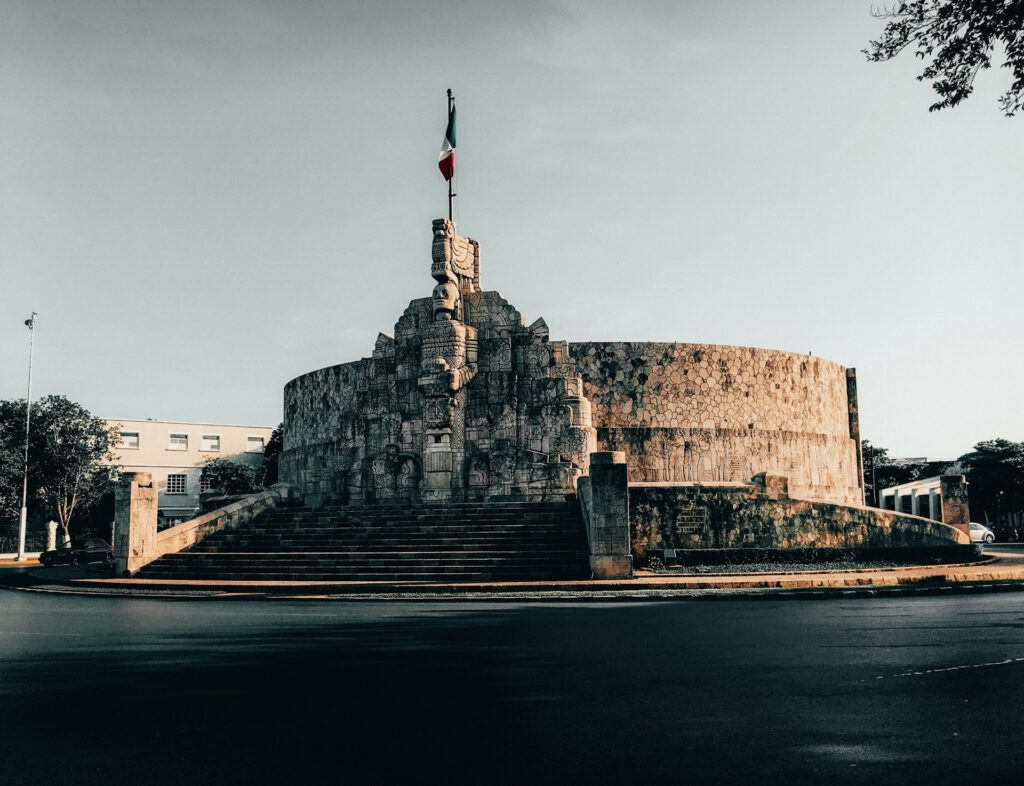
Mérida Neighborhoods Guide: Where to Stay & Explore
Mérida Neighborhoods Guide: Where to Stay & Explore Mérida Neighborhoods Guide: Where to Stay & Explore Introduction Mérida,...
Celestún Beach: Complete Visiting Guide
Plan a relaxing day at Celestún Beach—calm Gulf waters, palapa seafood, and seasonal flamingo tours in the Ría Celestún Biosphere Reserve. Getting there, tips, and more.