
Transportation Guide to Mérida, Yucatán (2026)
Getting to Mérida
By Air (Mérida International Airport – MID)
Mérida’s international airport (Manuel Crescencio Rejón Airport, code MID) is about 8 km southwest of the city center. It receives direct flights from Mexico City and other Mexican hubs, as well as some U.S. cities and occasional international charters. Once you land, you have a few options to reach the city:
Airport Taxi:
The official taxis are available at the airport. You can buy a taxi ticket at the booth in the arrivals area. Fares are fixed by zone – roughly ranging from MX$250–$350 (USD $15–$20) to most central areas (more for far north neighborhoods). It’s a quick 15–25 minute ride to downtown or the hotel zone. Taxis are convenient and you’ll get a set price upfront, but they cost more than other options.
Ride-Sharing (Uber, DiDi)
Uber and DiDi operate in Mérida and are now legally allowed to pick up at the airport as of late 2025. Using a rideshare app can be cheaper than official taxis – for example, a trip to Centro might be ~MX$150–$200. Simply request your ride via the app once you have your luggage. Tip: Follow the app’s instructions for the pickup point; now that ride-shares are permitted in airport zones, you shouldn’t have to walk off-property (previously travelers would walk outside to meet Uber, but the recent court ruling means drivers can enter the airport pickup area legally
). Ride-shares are safe and trackable, but be aware you need mobile data or WiFi for the app. Also, at peak times there may be surge pricing or a short wait.
Shuttle Bus (Va y Ven Airport Route)
Mérida launched a convenient airport shuttle bus called “Va y Ven”. It’s a modern, air-conditioned bus that takes you from the airport to several stops in the city (including Santa Lucía park in Centro, Paseo 60, the Fiesta Americana hotel area, etc.). Cost: MX$45 per person (you can pay in cash/card at the ADO counter inside the airport). No need for the transit smart card in this case – just buy a ticket at the ADO booth in the airport terminal. Buses run roughly every 30 minutes during flight hours. Travel time to downtown is around 30 minutes. This is a budget-friendly option (about $2.50 USD) and pretty comfortable. The con is that you’ll need to get from the drop-off stop to your final lodging (you might walk or take a short taxi from there). If you have light luggage and your accommodation is near one of the stops, this is a great choice.
Car Rental:
If you plan to drive during your stay, you can rent a car at the airport. All the major agencies (Hertz, Avis, local companies, etc.) have desks there. Cost: Expect around MX$600–$1000 per day (USD $35–$60) for a basic sedan, including insurance. Driving from the airport to Centro is straightforward via well-marked roads. Ensure you opt for full insurance (liability is mandatory in Mexico). We’ll discuss more driving tips in the Car Rentals section below.
Tip:
The airport is not huge – once you exit baggage claim, you’ll see clearly marked signs for taxis, the ADO/Va y Ven shuttle counter, and car rental kiosks. It’s a traveler-friendly airport where you can easily find staff to guide you.
By Long-Distance Bus
Mérida is a major transportation hub in Yucatán, so it’s well-connected by comfortable inter-city buses. The primary bus operator is ADO, which runs first-class buses throughout the region. Buses are a popular way to arrive from Cancún (4 hours), Playa del Carmen (4–5 hours), Campeche (2.5 hours), and beyond. Key points:
Main Bus Terminals:
Mérida has multiple bus terminals:
CAME (Terminal de Autobuses Mérida “CAME”) – the main ADO first-class station in the center (Calle 70 at 71). Buses from big cities (Cancún, Campeche, Mexico City, etc.) arrive here
Terminal TAME (Calle 69 x 68 y 70) – focus on ADO’s second-class lines (OCC, Oriente, etc.). Some regional routes (e.g. to Uxmal, Chichén Itzá, Valladolid) depart here
Autoprogreso Terminal (Calle 62 x 65 y 67) – this is a dedicated terminal for buses to Progreso (the beach town) and nearby coastal areas
Noreste Terminal (Calle 67 x 50 y 52) – hub for many second-class buses and vans to eastern and southern Yucatán towns (Motul, Izamal, Tizimín, Río Lagartos, Celestún, etc.)
There are also small terminals at Paseo 60 (a north Centro spot where some ADO first-class buses to Cancún/airport depart) and Altabrisa (north end of the city) for travelers in those areas
First-Class vs Second-Class: First-class ADO buses are air-conditioned, have restrooms, and often movies/WiFi. Second-class (Oriente, ATS, etc.) are cheaper and make more stops (no frills). For example, from Cancún to Mérida you can choose an ADO GL or Platino bus with reclining seats, or a second-class that’s cheaper but slower. You can book tickets online at ADO’s website or buy at the station. It’s wise to book ahead in high season.
From Cancún or Cancun Airport: Buses run very frequently. There are direct ADO buses from Cancun Airport to Mérida as well, convenient if you fly into Cancun and need to get to Mérida (about 4.5 hours ride). From Cancún city, nearly hourly departures all day are available – just be sure to select the right terminal (Cancun has multiple terminals listed on booking sites)
From Campeche/Chiapas: ADO connects Mérida with Campeche (2–3 hours) and as far as Palenque or Villahermosa to the south. These can be overnight routes.
Costs
Examples (approx late 2025): Cancún to Mérida ~ MX$600 first-class, Campeche to Mérida ~ MX$300. Second-class options might be ~20% cheaper.
Pro Tip:
Mérida’s bus terminals are all in the city center or just on its edge, making arrivals quite convenient. Taxis or Ubers are readily available at terminals – for instance, a cab from CAME terminal to a Centro hotel might be MX$50–$80 (many hotels are within 1–2 km). At the main ADO station, you’ll see official taxis queuing; confirm the fare before riding if it’s not metered.
By Car
If you’re driving into Mérida (perhaps on a Yucatán road trip), good news: the highways are generally flat and well-maintained. Key routes:
From Cancún/Quintana Roo: The fastest route is the toll highway (Carretera 180D) which runs from Cancun past Valladolid to Mérida. It’s a smooth 4-lane road. Tolls total around MX$500 for the full trip from Cancún. Travel time ~3.5–4 hours from Cancún, ~2 hours from Valladolid. (There’s also an older free road 180 that is slower and passes through towns).
From Campeche: Highway 180 west is a straight shot, ~2 hours from Campeche City. No tolls on this stretch.
From Uxmal/Ruta Puuc area: Highway 261 brings you north ~1 – 1.5 hours.
From Progreso (coast): A 4-lane highway north, just 30–40 minutes drive.
Driving in Yucatán is generally safe and easy – the peninsula is mostly flat, signage is decent, and roads are in good shape. A few tips if you’re arriving by car:
Watch for “topes” (speed bumps) when entering towns. They can be large and sometimes not well-marked – slow down at village entrances.
Gas stations (Pemex, etc.): Fill up before long drives; there are stations along major roads, but in rural areas they thin out. Prices are around MX$24 per liter for gas (~USD $4.50/gal) as of 2025.
Navigation:
Having an offline maps app or GPS is helpful – addresses in Mérida use a grid numbering system (streets are numbered, not named). In Centro, even-numbered streets run east–west and odd-numbered run north–south. For example, you might see an address like “Calle 60 #504 x 61 y 63” which means building #504 on 60th Street, between 61st and 63rd Streets.
Parking in Mérida
In downtown, street parking is limited and some areas use meters or attendants (watch for signs saying “Estacionamiento” or curb paint). There are paid parking lots near the main squares (usually MX$10–$20 per hour). Many hotels have parking or valet. In newer areas and malls, ample free parking is available.
What About the New Tren Maya?
You may have heard about the Tren Maya (Mayan Train) – a large-scale railway project in the Yucatán Peninsula. As of late 2025, portions of the train route are starting operations. The complete network (connecting places like Palenque, Campeche, Mérida, Valladolid, Cancún, Tulum, etc.) is expected to be phased in through 2024–2025. Mérida will have a station (planned near Teya, just outside the city) on this line. If the train is operational for routes you need (e.g. Mérida to Valladolid or Mérida to Cancún), it could be a fast and scenic alternative. Check latest updates when planning – schedules and stops are still evolving. Once fully running, the train will be a game-changer for regional travel, but in late 2025 it’s likely in trial or limited service on some segments.
Getting Around Mérida
Once you’re in town, Mérida offers a mix of transportation modes. Here’s how to navigate the city itself:
Walking and Biking
Walking:
Mérida’s Centro Histórico (historic center) is very walkable. The streets are laid out in a grid, and most tourist attractions downtown (Plaza Grande, the Cathedral, Casa de Montejo, Santa Lucía Park, etc.) are within a few blocks of each other. Strolling is the best way to enjoy the colonial architecture. Do keep in mind:
Heat:
Mérida is tropical. Midday temperatures can soar (30–35°C, 90s°F) almost year-round. If you’re walking, carry water, wear a hat, and use sunscreen. Try to do intense walking in mornings or evenings. Many locals take a siesta or at least stay in shade in early afternoon.
Sidewalks:
In the old town, sidewalks can be narrow and uneven. Watch your step. At busy times, pedestrians sometimes step into the road – be cautious of traffic.
Safety:
Mérida is known as one of the safest cities in Mexico. Violent crime is very low. Walking in the central areas even at night is generally safe, though as anywhere, keep aware of your surroundings. The city center is usually lively until 10–11pm with people out and about. Still, it’s wise to avoid very dark, empty streets late at night and keep your valuables secure.
Biking:
Cycling can be a great way to get around certain parts of Mérida, given the flat terrain. However, bike infrastructure is still developing:
Mérida has some bike lanes and a growing cycling culture, but traffic can be busy on weekdays. If you’re an experienced urban cyclist, you’ll manage, but more casual riders might prefer specific bike-friendly times/events.
Sunday “BiciRuta”
Every Sunday morning, the city closes several central streets to traffic for a community bike ride
! This event, called La Biciruta, runs roughly from 8am to 12 or 1pm. The main route goes up Paseo de Montejo from downtown (starting at Ermita de Santa Isabel through the Plaza Grande, up Calle 60/Referencia, and along Paseo de Montejo to the Monumento a la Patria). Thousands of locals and visitors turn out on bikes, skates, or on foot. There are bike rental stands during this event – you can rent a bike on the spot and join the fun. It’s a wonderful, family-friendly atmosphere with music and even street food stalls along the way
Bike Rentals
Outside of the Sunday event, you can rent bicycles from certain tour agencies or bike shops in town. Some hotels/hostels lend bikes too. Expect rates like ~MX$100–$150 per hour or MX$250–$300 per day for a basic bike. Always lock your bike securely if you leave it (use a solid U-lock, especially in busy areas).
If you’re biking in traffic, exercise normal caution – helmets are not commonly worn by locals but it’s a good idea to use one if you have it. And remember, vehicles might not be used to many cyclists yet, so ride defensively.
Public Buses (SITUR / Va y Ven)
Mérida has an extensive network of public buses that reach all corners of the city. Recently, the system has been modernizing under the name “Va y Ven”, which is replacing and upgrading the old routes. Here’s what to know:
Routes and Coverage: Almost wherever you need to go in the city, there’s likely a bus route for it. Some buses are older school-bus style, while many new Va y Ven buses are modern, air-conditioned, with electronic fare systems and even bicycle racks. The city’s goal is to improve public transit, and you’ll see these new teal-green Va y Ven buses on major routes
Fares & Payment: The standard city bus fare is about MX$12–$13. Notably, Va y Ven buses do not accept cash on board – you need a prepaid smart card. The card itself costs ~MX$25
and can be purchased/recharged at various kiosks, some OXXO convenience stores, or transit offices in the city. If you’re a visitor just staying a short time, this can be a bit inconvenient. One workaround: the airport Va y Ven shuttle allows a cash ticket (as noted earlier). For city buses, if you don’t have a card, you might use older non-Va y Ven buses that still take cash, or have a local help you. But since late 2023, the push is toward card-only. If you plan to use buses a lot (say you’re a long-term visitor or on a tight budget), getting the card is worth it.
Key Va y Ven Routes:
The Airport Route (already discussed) costs MX$45 with one-time ticket
The Periférico Route is a ring bus that goes around the city’s perimeter (useful if you need to go from one suburb to another avoiding downtown). It runs 5am – 9:30pm, every day, fare MX$12. There’s even a limited overnight service Wed–Sat (11pm–5am) on this route for MX$14. This could be useful for late-night workers or party-goers, though it only circles the outer areas.
The Metropolitan Circuit (Circuito Va y Ven) is a new loop route connecting suburbs and nearby municipalities around Mérida (Kanasín, Umán, etc.), 5am – 11pm, fare MX$12 with card
Many traditional city routes are numbered or named for their destination (you’ll still hear locals say “voy a tomar el camión Ruta 1” etc.). For example, bus 52 Norte (Route 2) goes up Prolongación Paseo de Montejo into the northern shopping areas. Buses going north on Calle 60 take you toward big stores and malls like Sam’s Club, Liverpool, Galerías Mérida mall, and La Gran Plaza mall. If you see a bus with “52 Norte” or signs for those malls in the windshield, that’s your ride from downtown. Another example: buses labeled “San Lucas” or “Felipe Carrillo” go to areas around Plaza Fiesta mall
Finding Your Bus: The bus system can be a bit confusing to newcomers because there isn’t a single official app with all routes (though the government site vayven.yucatan.gob.mx has info, and there’s a useful independent site “Mérida Transporte Público”
). A good strategy is to ask a local or your hotel, “¿Qué camión me lleva a ___?” Many people still use the word camión for bus. Also, look at the destinations written on the front window of buses – they usually list major stops or colonias. For instance, if you want to go from Centro to Altabrisa (a northern district with a mall/hospitals), you might find a bus with “Altabrisa” on it.
Downtown, main bus stops are often near parks – Parque Santa Lucía, Parque San Juan, and Parque Santa Ana are common congregation points for different routes.
Comfort and Experience: Using city buses is very cheap and an adventure in local life. Some new buses have air conditioning and are quite comfy, while older ones can be hot and crowded at rush hour. Don’t expect a strict timetable – frequencies range from every 5-10 minutes on busy routes to maybe every 20-30 on less common ones. If you’re not in a rush and want to save money, go for it. If you’re navigating a lot of luggage or have mobility issues, a taxi might be easier.
Hours:
Most routes run roughly 5am – 10pm. After 10 or 11pm, buses stop, and you’d need to use taxis or ride-shares (except the special late-night ring route mentioned).
Sunday/Holidays: Buses still run, but perhaps less frequently. On Sundays some streets are closed for BiciRuta (morning), but buses simply detour. Plan a bit of extra time on those days.
Mérida’s official stance is that the bus system is “wonderful…that will take you wherever you need to go”
– and indeed it covers the city well, but it can be an adventure for travelers. If you’re up for immersive local travel and maybe practicing Spanish, give it a try! If not, the next section might be more your style.
Taxis and Ride-Share Apps
Taxis:
You’ll see plenty of white/red or yellow taxis in Mérida. There are basically two types:
Metered Taxis: A portion of the taxi fleet has meters (“Taxímetro” sign on the car)
, mostly newer models. If you catch one, by all means request them to use the meter – fares are pretty low by international standards.
Non-metered (Negotiated) Taxis: Many taxis do not use meters, especially those you hail on street or small neighborhood cabs. For these, always confirm the price to your destination before getting in. As a visitor with limited Spanish, you can simply name the place and ask “¿Cuánto hasta ___?” Most drivers have set zone prices.
Typical Taxi Fares: To give you an idea, within the central city (what locals call the “first cuadro” or first square of the city) rides tend to be around MX$60–$90. Slightly further out (second ring of neighborhoods) maybe MX$80–$120. For trips completely across town or to the suburbs, up to MX$150 is about the max for city limits. For example, a taxi from Centro to a northern mall like Altabrisa might be ~MX$120. To the airport from downtown is usually set around MX$250. Always double-check the price if it seems off. Hotels often have a rate sheet at the concierge for common taxi rides (e.g. from a hotel on Paseo Montejo to the airport, or to Progreso) – this can guide you on reasonable prices. Note: Taxis in Mérida do not use ride-hailing meters like some cities; if it’s not an official metered cab, negotiation is the norm. Taxis can be hailed on the street (just wave when you see one) or found at “sitios” (taxi stands) near major points like plazas, malls, etc. If you’re at a restaurant or hotel, they can call one for you. Service is generally prompt and drivers are friendly, though not all speak English – have your destination written or ready on a map if needed. Ride-Share Apps (Uber, DiDi, inDrive): These have become very popular in Mérida due to affordability and transparency:
Uber: Widely used by visitors and locals. Simply set your pickup and drop-off in the app. Fares in the city are amazingly cheap by US/Europe standards – often just MX$40–$80 for a short ride (e.g. 10-minute ride might be $50, which is $3 USD). Uber fares are typically lower than a street taxi’s quoted price for the same distance. Uber drivers in Mérida are plenty, so wait times are usually 5-10 minutes or less.
DiDi: A Chinese app operating in Mexico, also common in Mérida. Many locals have both Uber and DiDi and compare fares. DiDi sometimes offers promotions or slightly lower prices. The user interface is similar to Uber’s.
inDrive (formerly inDriver): This app works a bit differently – you propose a fare and a driver accepts or counters. It’s popular among locals for potentially getting even cheaper rides, especially for longer distances. For example, if Uber quotes MX$200, people might try offering MX$150 on inDrive. It helps to have an idea of fair pricing (don’t lowball too much or no driver will accept). inDrive might require some Spanish if the driver messages you. But it can be a useful option. Many inDrive drivers are the same folks driving Uber/Didi, just picking up extra jobs.
All these apps allow cash or card payment in Mérida (you can choose to pay in cash if you prefer). If you don’t have a Mexican SIM/data, many cafés and public areas in Centro have WiFi you can use to request a car. Safety and Notes: Using Uber/Didi is generally very safe. You have the driver’s details in the app and can share your trip. Mérida’s drivers are polite and you might even get some tips on where to visit if there’s no language barrier. With the recent legal win for Uber, you can even use them to/from the airport now without issues. One thing to remember: sometimes Uber/Didi drivers may not have a taxi permit to enter certain places (like bus station interiors or hotel driveways); if that’s the case, they might ask you to meet just outside a restricted zone. But overall, since late 2025 those restrictions are easing. Cost comparison: A quick example – if you’re at the main square and want to go to the Gran Museo del Mundo Maya (Mayan Museum, 7 km north): A taxi on the street might say “MX$120”. Uber might show ~MX$80. DiDi might be MX$70. And an inDrive offer could even get a driver for MX$60. In all cases, under $5 USD for a 20-minute ride!
Car Rentals (Driving in the City)
Renting a car can be a fantastic way to explore beyond the city (cenotes, ruins, haciendas at your own pace). Within Mérida city, however, you likely won’t need a car except if you’re staying long-term in suburbs or have mobility needs, because parking and one-way streets downtown can be an inconvenience. Where to Rent: Major international brands (Hertz, Avis, Enterprise, Budget) and local agencies (like Xootrip, Europcar Mérida, etc.) have offices at the airport and around town. It’s often cheapest to rent from the airport due to competition. There are also agencies in Centro and at some hotels. Cost: As mentioned, roughly MX$600–$800 per day for an economy car (automatic) is common, including basic insurance. Always double-check if the quote includes the mandatory third-party liability insurance – in Mexico this is required. Many credit card insurances cover collision but not the third-party liability, so you might still need to purchase that. Full coverage might bump it up to MX$1000+ a day but gives peace of mind. Driving in Mérida:
Traffic in Mérida is moderate. Rush hour (8-9am and 5-7pm) sees congestion on main arteries and the Periférico (ring road). But outside of that it’s okay. Driving style is not overly aggressive here (compared to say Mexico City), but keep an eye out – lane discipline is sometimes lax.
The Centro Histórico has many narrow one-way streets. They are labeled (look for arrows on the street signs). If you miss a turn, you might have to loop around several blocks because of the grid. It’s a bit challenging until you get the hang of it. Consider parking on the edge of Centro and walking in if you’re uncomfortable driving in tight colonial streets.
Parking: In downtown, you might see “E” signs indicating parking lots (Estacionamiento). Use them rather than circling for street parking. They cost maybe MX$20–$30 for a few hours. Some require leaving keys with an attendant (common practice). In other areas, curbside parking might be free; some neighborhoods have unofficial “viene-viene” folks who will help watch your car for a tip (5 or 10 pesos).
Navigation & Maps: Google Maps and Waze work well in Mérida. They’ll alert you to traffic and one-ways.
Gas stations
Always check that the pump is zeroed out and watch the attendant (there were old scams in Mexico of not resetting the pump or switching bills – less common now, especially in Yucatán which is known for honesty, but good to be mindful). Tip the gas attendant 5-10 pesos for fueling you up.
Pros of Renting: Ultimate freedom – you can spontaneously drive to a beach for sunset or explore a remote cenote. Gas is reasonably priced and distances are not huge in Yucatán. Roads to major sites are well-marked. Cons: For strictly city touring, the car might sit unused and parking is an added hassle/cost. Also, some travelers find the cost high once insurance is added. If you’re in Mérida city only and doing perhaps one or two day tours, consider if taxis or guided tours might be cheaper overall. But if you want to do many day trips on your own schedule, a car pays off. Tip: If you rent a car for multiple days, ask about weekly rates or any long-term discounts. And inspect the car carefully (document any scratches) before driving off.
Scooter & Bike Rentals
For a bit of fun and flexibility, you can rent scooters (mopeds) or bicycles in Mérida:
Scooter/Moped Rentals
A few agencies offer scooter rentals. Typical price is around MX$500–$600 per 24 hours for a 110cc scooter
, plus a deposit (maybe MX$3000 which you get back). This usually includes a helmet. You must have a valid driver’s license (a motorcycle license is often not specifically required for 100cc scooters, a normal license can work, but confirm with the rental). Scooters are a thrilling way to zip around, especially to reach places just outside the center without the cost of a car. The traffic caution applies even more on a scooter: always drive defensively, avoid night riding on unfamiliar roads, and do wear the helmet. Gas is cheap for scooters (you’ll spend only a few dollars on fuel).
Popular rental options include “Merida Scooters & Moto Rental” (they have a WhatsApp and often do multi-day deals). Some renters might even drop off the scooter at your hotel.
Bicycle Rentals: As mentioned, you can rent bikes by hour or day from local shops. If you plan a specific bike excursion (like biking the Paseo de Montejo on Sunday, or visiting a nearby neighborhood), this could be nice. Ask your lodging; some have free bikes for guests. There isn’t a city-wide bike share program yet, so it’s private rentals only. Rates roughly MX$50–$100/hour or MX$200/day depending on bike type.
E-scooters or Others: Electric kick scooters (like Bird/Lime style) are not commonly found on the streets for sharing in Mérida. You might find some for rent via shops or apps (there was talk of mobility scooter rental for folks with disabilities, and some companies renting e-bikes). But this isn’t big yet, so plan on the classic options.
Colectivos (Shared Vans)
Colectivos – also called “combis” or “peseras” – are shared passenger vans, a staple of transportation in Mexico. In Yucatán, colectivos are key for traveling to towns around Mérida and nearby villages, and some operate within parts of the city. They’re cheap and authentic, albeit sometimes a bit cramped and without air-conditioning. Within Mérida city proper, you as a visitor probably won’t use colectivos much unless you’re going to an outlying suburb. Their main use for travelers is connecting Mérida to smaller towns and attractions where big buses don’t run as frequently.
How Colectivos Work: They typically depart from fixed sites in downtown Mérida. There’s usually a sign or just people shouting destinations. They don’t run on a timed schedule; instead, they leave when they are filled (or near-full). Fortunately, on popular routes they fill fast, so you might wait only 5-15 minutes. On less busy routes, you might wait longer until enough passengers show up. The driver may also depart at a set time if it’s semi-scheduled, but it’s flexible.
You pay the driver (in cash, pesos only) when you board or when you disembark (varies by driver). Fares are low – often MX$20–$50 for towns within an hour’s drive, up to maybe MX$100 for farther ones.
Colectivos are often white Toyota HiAce vans (or similar), with seating for ~12-15 passengers. No luggage space, so not ideal if you have big bags (buses are better for that). But fine for day trips with a backpack.
Major Colectivo Hubs & Destinations:
For Celestún (west, flamingo territory)
Colectivos go from a site at Calle 67 x 48 (near San Juan park). They operate ~9am–5pm, roughly one every hour or so, fare about MX$65. If you miss the last one back, you’d have to find a bus or taxi, so keep return times in mind.
For Progreso (north, beach)
Actually, full-size buses (Autoprogreso) are so frequent that colectivos aren’t really needed. However, there are some vans that go to the smaller beach towns around Progreso. For example, to Chicxulub Puerto or Chelem, one might go via Progreso then local van. But easiest is bus to Progreso then a short taxi to neighboring beach villages.
For Izamal (east, yellow city)
A colectivo site at Calle 50 #522 x 63 y 65 in Centro dispatches vans to Izamal. Cost ~MX$35, and they run 7am–7pm, leaving as soon as all seats are filled. This can be faster than the bus since it’s direct.
For Valladolid (east)
Interestingly, there’s a shared van taxi that goes to Valladolid once a day. It leaves around 9:30am from Calle 52 #520-A, and costs about MX$150. This is basically a long-distance colectivo (usually a larger van or car). However, with ADO buses available, most travelers opt for the bus unless the timing fits perfectly.
For Smaller villages
There are colectivos to places like Homún (cenotes), Tizimín/Río Lagartos, Oxkutzcab (south), etc., usually leaving from either the Noreste terminal area or San Juan park. For example, to go cenote-hopping in Homún: you can catch a colectivo from the Noreste terminal on Calle 67 that goes to Homún/Cuzamá for around MX$40 (check the destinations list at the terminal)
Within City: Some outer neighborhoods or suburbs (like Cholul, Kanasín, Umán) have colectivos that function as their transit to downtown. If you needed to go to one of those, you’d find those vans likely at the Noreste terminal hub as well. But for typical tourist sites in the city, colectivos are not used – stick to buses, taxis, or Uber inside the city.
Pros of Colectivos: Very inexpensive, a great cultural experience (ride with locals, maybe strike up a conversation), and they go to tiny destinations where big buses might not. They’re also relatively quick since they don’t make as many stops as a city bus – they usually go point to point. Cons: Lack of fixed schedule can be confusing, the vehicles can be hot (little airflow aside from open windows), and there’s a slight adventure factor in figuring out the system. If you speak some Spanish, it helps to ask around, e.g., “¿Este es el colectivo a <town>?” and the driver or other passengers will gladly confirm.
Now that we’ve covered the gamut of transport options in Mérida, let’s look at how to apply these to actually getting places – both within the city’s neighborhoods and to the amazing attractions around Yucatán state.
Getting Around Within the City: Neighborhoods & Sights
Mérida is a city of charming barrios (neighborhoods) and attractions spread from the historic core to the modern north. Here are specific tips for reaching key areas within Mérida:
Centro Histórico (Downtown & Plaza Grande): If you’re staying in or near the Centro, most sights here are best explored on foot. The main square (Plaza Grande) with the Cathedral, Governor’s Palace, and museums is the heart of it all. Streets are busy but walking is definitely the way to go for anything within a 10-block radius. If you need to cover a slightly longer distance (say, from Parque Santiago to Santa Ana market with bags of produce), you can hail a taxi or Uber for a quick hop – it’ll cost only around 50 pesos for a short ride across downtown. The streets are one-way in a grid, so sometimes a car ride circles around; walking can be more direct for short hops.
Paseo de Montejo & Museums: Paseo de Montejo is Mérida’s iconic boulevard, extending north from downtown. It begins at Calle 47 (at the Santa Ana neighborhood) and runs to the Monumento a la Patria statue. The southern section of Paseo (near Santa Ana) is walking distance from the main square (~15 minutes stroll from Plaza Grande to Santa Ana). But to go from downtown all the way up Paseo to see the Monumento or visit the Palacio Cantón (Regional Museum of Anthropology) – you might prefer a ride if it’s hot. A taxi/Uber from Plaza Grande to the Monumento at the far end of Paseo is about 3.5 km, maybe a 10-minute drive (fare ~MX$60). There are also tourist-caless (horse-drawn carriages) in the evenings that trot up Paseo for a romantic ride – a charming but slow way to sightsee.
If you want to take a bus: from downtown, Route 52 (Norte 2) bus goes along Paseo de Montejo. You catch it around Calle 59 x 56 near Santa Lucía park; it heads up Calle 56 then turns onto Paseo Montejo. This is a fun local way to reach the museums and monuments on Paseo for just 12 pesos. Just remember to have that bus card ready. The bus will drop you anywhere you request along Paseo. Coming back, you’d catch it in the opposite direction on the return loop (or simply Uber back).
Side note: On weekend nights, Paseo de Montejo often has a lively atmosphere with open-air restaurants and sometimes live music or artisans, so you might end up going there by cab at night for dinner.
Barrio de Santa Lucía & Santa Ana: These are two popular colonial neighborhoods adjacent to Centro. Parque Santa Lucía (Calle 60 x 55) is known for its restaurants and the famous serenade music performances on Thursday nights. It’s just 3 blocks north of Plaza Grande – an easy walk. Parque Santa Ana (Calle 60 x 45) is a bit further but still walkable from central plaza (~10 blocks) – this park has a great local market and food stalls. If you’re coming from further (say, your hotel is in the hotel zone on Paseo, and you want to get to Santa Ana), you can take any bus going down Calle 60 and hop off at Santa Ana, or just taxi/Uber since distances are short. Generally within the old town core (Santa Ana, Santa Lucía, Santiago, La Ermita, etc.), walking is often under 15 minutes. Each of these barrio squares has a distinctive vibe and they are spaced roughly 5–7 blocks apart.
Mercado Lucas de Gálvez (Central Market) & San Benito Market: The big central market is a must-see for its hustle and bustle. It’s located about 5 blocks south of the Plaza Grande, along Calle 65 and 67 near 56. It’s absolutely walkable from the main square (10 minutes), though the area around it is very crowded with buses, vendors, and people. Go in the morning if possible (to see it at its liveliest but also before midday heat). If you’re staying north of downtown and want to go straight to the market, you might take a taxi to “Mercado San Benito” (adjacent new building) or to “Mercado Lucas de Gálvez” – any cabbie will know it. Driving yourself is not recommended there due to traffic and minimal parking. After shopping, with heavy bags, you can easily find taxis around the market to get back – they queue up to pick shoppers. Expect a short ride within Centro to cost ~$50 pesos.
Other neighborhood markets: Santiago Market (west of Plaza, Calle 72 x 59) is about a 10-minute walk from Plaza Grande; San Sebastián and La Ermita areas also have markets, but those are smaller and more local – if you’re exploring those southern barrios on foot, you’ll find them. Usually no need for transit specifically to those, but a quick taxi can get you if you’re tired.
Parque de las Américas (García Ginerés neighborhood): This is a lovely art deco style park in a residential area west of Centro, known for its four-block design and the monument to the Americas. It’s ~2.5 km from Plaza Grande. To get here, you can take a taxi/Uber in about 10-15 minutes (approx MX$70). There isn’t a specific city bus for tourists, but many local buses pass nearby (for example, a bus heading west on Calle 59 or 57 might get you close, you’d have to walk a few blocks). If you’re driving, there’s street parking around the park. It’s worth an evening visit if you have time – the ambiance is peaceful and it’s in a neighborhood with beautiful old homes (Garcia Ginerés).
Mérida Zoo Parks: Mérida has two zoos:
Parque Zoológico del Centenario – the traditional zoo near Centro (Calle 59 at Av. Itzaes). It’s about 1.5 km west of the main plaza. You can actually walk there in about 20-25 minutes straight west along Calle 59. The area in between (San Juan and La Ermita barrios) is interesting to walk through in daytime. Otherwise, a quick Uber/taxi (<10 min) will drop you at the entrance (fare maybe MX$50). The zoo is free and has a small train and animal exhibits – local families go on weekends, it’s a cultural experience (though note some animal enclosures are old style).
Parque Zoológico Animaya – the newer safari-style zoo, on the far west outskirts (Ciudad Caucel area). This is ~12 km from Centro. No easy public transit for tourists there; you’d need to drive or take a Uber (~MX$150 one way, about 25-30 min). Animaya is interesting with its African safari concept (you ride a guided truck to see animals in open spaces) and a big observation tower. It’s also free, except a small fee for the safari truck. If you have kids and an afternoon, it could be worth the trip. Without a personal car, Uber is the way to go for Animaya.
Northern Mérida (Modern Zones: Malls and More): A lot of expats and middle-class Yucatecans live in the north side of the city, where you find modern malls, hospitals, and big stores. Key spots: Galerías Mérida mall (near the Siglo XXI Convention Center and Gran Museo del Mundo Maya), La Isla Mérida (a newer upscale open-air mall with a lake), Plaza Altabrisa (mall in the northeast). If you’re staying downtown and want to go shop or catch a movie at these malls, you have options:
Buses: From Centro, buses north on Calle 60 will reach many of these. For example, a bus labeled “Gran Plaza / Galerías” or “Chedraui Norte” will go up Calle 60 and pass by Galerías Mérida and the nearby area with Costco, etc. Similarly, buses toward “Altabrisa” or “Macroplaza” depart from downtown (some from Calle 59 area). There’s a bit of a learning curve, but locals at the stop can point you to the right bus if you say the mall name. Bus fare is just MX$12, so if time is not an issue, it’s a very cheap way to go shop or even to the Mayan Museum, which is next to Galerías Mall (the museum is at Calle 60 x 35, by the Convention Center; bus 60 north takes you there
). Expect up to an hour on the bus if traffic.
Taxi/Uber: Much faster – about 20 minutes from Centro to Altabrisa, or 15 minutes to Galerías (less if not rush hour). Cost ~MX$100–$140 depending on distance. This is often worth it for comfort, especially if you’ll return with shopping bags.
Driving: If you have a car, all these malls have huge parking lots (usually free). Just avoid peak traffic around 6pm on weekdays when the roads to those areas clog with commuters.
Universidades & Other Colonias: If you have specific destinations like a university campus (e.g. Universidad Marista in the north, or UADY faculties around town) or maybe visiting someone in a residential area, the approach is similar: likely a combo of either a direct bus route or a quick Uber if you’re not sure. Mérida’s colonias (neighborhoods) are numerous but because of the grid layout, navigation is straightforward once you have an address.
In summary, within Mérida city most travelers find walking and ride-shares/taxis cover 90% of their needs conveniently. Buses are great for the budget-conscious or more adventurous, and they do reach everywhere if you figure out the routes. Bikes are delightful for exploring the Centro and joining the Sunday bike fiesta. And driving is typically only needed if your itinerary is very spread out or you have special requirements – otherwise, letting someone else do the driving (Uber/taxi) in city traffic can be more relaxing. Next, let’s tackle beyond the city: how to visit those magnificent Maya ruins, swim in cenotes, and lounge on beaches – all reachable as day trips from Mérida!
Day Trips and Excursions from Mérida
Mérida is an ideal base to explore Yucatán state. Many attractions are an hour or two away – perfect for day trips – while others might merit an overnight. Below we break down major destinations in Yucatán and how to get to each, including the pros/cons of various methods (bus, car, tour, etc.), estimated costs, and whether a day trip is sufficient.
Progreso & the Gulf Coast Beaches
About:
Progreso is a port city on the Gulf of Mexico, about 40 km north of Mérida. It’s the nearest beach, famous for its malecón (beachfront promenade) and the long pier where cruise ships dock. The town has plenty of seafood restaurants and a relaxed vibe. Nearby are smaller fishing villages (Chicxulub Puerto, Chelem, Chuburná) and beach homes. Progreso is a popular escape from Mérida’s heat, especially on weekends. Distance: ~30-40 minutes by road. Getting to Progreso:
Bus (Autoprogreso): This is by far the easiest and cheapest way. Autoprogreso runs buses every 10 minutes from Mérida to Progreso bus terminal. Service starts around 6am and runs until about 10pm. The Mérida terminal is right downtown (Calle 62 between 65 and 67). No need to pre-buy; just show up, buy a ticket for the next departure, and hop on. Fare: ~MX$26 one-way (and they offer round-trip tickets for ~MX$52 total)
– incredibly affordable. Buses are decent, with fans or AC and comfortable enough for the short trip. The ride takes about 50 minutes, dropping you in Progreso center (two blocks from the beach).
Pros:
Very frequent, no reservation, super cheap. Cons: You’re tied to bus times (but since they’re so often, not a big issue). On Sunday afternoon return, buses can get crowded as everyone heads back to the city – you might have to wait for the next bus if one fills up, but with 10-min intervals it’s fine.
Colectivo: There are also shared vans, but given the bus frequency, colectivos aren’t really necessary for Mérida-Progreso. However, if you plan to go to a specific beach town beyond Progreso, you can take the bus to Progreso then a local combi onward. For example, to go to Chicxulub Puerto (5 km east of Progreso), you’d take the bus to Progreso, then at Progreso’s terminal or main street, catch a combi (which costs maybe MX$10–$15) for the 10-minute ride to Chicxulub. Similar for going west to Chelem or Chuburná (you’d likely grab those vans near Progreso market). Tip: Chicxulub Puerto is not to be confused with Chicxulub town inland – always specify “Puerto.”
Car:
If you have a car, it’s an easy drive north on Hwy 261 then 27. There’s a short stretch of toll road (Mérida-Progreso highway) which costs around MX$40, or you can take the parallel free road. With a car, you can explore multiple beach spots in one day. For instance, drive to Progreso for a morning coffee on the malecón, then drive further west 20 minutes to Sisal, another picturesque fishing village (recently named a Pueblo Mágico). Or drive east to check out San Bruno or Telchac Puerto (tiny quiet beaches) or the Xcambó ruins near Telchac. Having a car gives flexibility, but if your plan is just to sit on Progreso’s main beach and eat ceviche, you absolutely don’t need one – take the bus.
Tour/Guided
Generally not necessary. Progreso is simple to do on your own. The only “tour” scenario is if you’re arriving by cruise – then shore excursion tours might take you to Mérida or nearby sites. But from Mérida, no one really offers tours to Progreso because it’s straightforward and safe to go independently.
Costs & Time: Bus MX$23 + whatever you spend on food/fun. If you rented a car, just gas/toll. Travel ~1h each way. Many people do a half-day (e.g. go in the morning, return by mid-afternoon) or a full day for maximum sun. Day Trip vs Overnight: Progreso is definitively a day trip for most. Mérida locals often just go for the morning/afternoon. The only reason to overnight might be if you want to experience the small-town beach nightlife (which is low-key except maybe some bars on weekends) or if you just love falling asleep to the sound of waves – in that case, there are a few hotels and lots of Airbnb beach houses. But since it’s so close, most travelers keep Mérida as base.
Celestún (Flamingo Reserve & Beach Town)
About:
Celestún is a village on the western tip of Yucatán, known for the Ría Celestún Biosphere Reserve – a coastal wetland home to vibrant pink flamingo colonies and other wildlife. It also has a nice tranquil beach and a laid-back town with seafood shacks. It’s one of the best places to see flamingos in their natural habitat, especially from November to March when thousands congregate (though you can see some year-round). Distance: ~95 km west of Mérida. Drive ~1.5 hours. Bus ~2 hours. Getting to Celestún:
Bus:
Second-class buses to Celestún depart from Mérida’s Noreste Bus Station (Calle 67 x 50 and 52, near the center). They leave about every hour from 5:00am until 8:00pm. No need to pre-book; just show up a bit early to catch one. The ride is around 2 hours (as the bus stops in some villages like Hunucmá on the way). Fare: approximately MX$60 one-way. These buses are basic but usually have fans. They’ll drop you in Celestún town, near the main square. From the town to the flamingo boat docks is about 1 km – you can walk to the bridge where boats depart, or take a triciclo taxi for a few pesos.
Pros:
Cheap, reasonably frequent.
Cons:
A bit slow. If you take the first bus at 5am or 6am, you’ll get to Celestún early, which is actually great for a quiet boat tour with cooler weather and more active flamingos. But the 2-hour return in late afternoon can feel long after a sunny day, so bring water for the bus.
Colectivo (Van)
Shared vans also go to Celestún. They can be caught near Parque San Juan or a specific sitio (looks like Calle 69 x 68, per some local info). They typically start later in the morning (around 8 or 9am first one) and run until around 5pm. They leave once enough people are on board. Fare ~MX$65. They may be a bit faster (~1.5 hrs) since they are smaller and might not stop as often.
If you are an early bird, note the colectivos don’t start at dawn, so the bus might be your only option before 9am.
Coming back, make sure to catch the last van by late afternoon (5pm) or the last bus (8pm) – otherwise you’d be stuck and need an expensive taxi.
Car:
Driving to Celestún is straightforward: head out of Mérida via Umán, then through Kinchil and Hunucmá on highway 281. Travel time ~1h30. The roads are paved and in decent shape. Having a car in Celestún is useful because besides the boat tour, you could explore a bit: there’s a freshwater spring “Ojodeagua” you can swim in just north of town (at Baldiosera), and you can drive along the beach road to see other parts of the coast (4×4 not required, normal car can go some ways). Parking in Celestún is easy (just on streets or at the beach end). Ensure you fuel up before leaving Mérida; there’s a gas station in Celestún, but if you wander beyond, stations are sparse.
Tour
Several tour operators in Mérida offer Celestún Day Trips. These usually include transport (van or bus), a guided boat tour to see flamingos, and sometimes lunch. Cost might be around USD $80–$100 per person, often with hotel pickup. This is convenient if you prefer an all-inclusive package with commentary on the bus. The guided boat often means you’ll share with the tour group (most boat trips are 6-8 people anyway, so it’s similar to doing it on your own and joining others). If you enjoy independence, you can just go by bus and hire a boat on arrival; but if you want hassle-free with guaranteed English-speaking guide, a tour is fine. Check if the tour includes the boat fee and reserve entrance – many do.
Costs
Bus+boat on your own is cheaper: MX$60 (bus) + MX$300 (boat share) + food, etc. Boat tours at Celestún are typically MX$1500 per boat (price set by the cooperative) for a ~1.5 hour tour through the mangroves and flamingo feeding areas. You can split that with others (so if 6 people on boat, ~MX$250 each). If you arrive solo or duo, you might have to wait a bit to find others to share – but usually tourists pair up. Tours from Mérida that include this will roll it into the price. Time: It’s a full day if by bus (leave ~7-8am, return by early evening). With a car, you could do a half-day (e.g. depart 7am, arrive 8:30, take a boat, quick swim and lunch, and back by 2pm). But many like to stay for a leisurely lunch on the beach of Celestún (the fried fish “pescado frito” is excellent there). Sunset on Celestún beach is gorgeous; if you have a car, you might even stay for that and then drive back in the dark (~careful with possible wildlife or stray cattle on road at night though). Day Trip vs Overnight: Day trip is sufficient for most. However, overnighting in Celestún can be lovely if you want a quiet beach evening or to do birdwatching in early morning light. There are a handful of small hotels and eco-lodges. At night, Celestún is very sleepy (a couple of beach bars at most). If you’re an avid birder or photographer, staying over might be worthwhile to catch sunrise in the mangroves with birds – you could hire a dawn boat. For general travelers, a single day covers the highlights well (flamingos, beach, lunch, maybe a quick swim in the spring).
Uxmal & the Puuc Route (Mayan Ruins South of Mérida)
About:
Uxmal is a stunning ancient Maya city, a UNESCO World Heritage site, known for its majestic Pyramid of the Magician and elaborate palaces with intricate stone carvings. Many consider Uxmal as impressive as Chichén Itzá, but with fewer crowds. The surrounding “Puuc” region includes several other smaller ruins (Kabah, Sayil, Xlapak, Labná) and even Loltún caves. Uxmal is about 80 km south of Mérida, making it an easy day excursion. Distance: ~80 km (50 mi) south. Drive ~1h15m. Bus ~1h30-2h. Getting to Uxmal:
Bus:
Public transportation to Uxmal is available via second-class bus lines:
From the TAME terminal (Calle 69) in Mérida, there are a few daily buses that go to Uxmal (often the route’s final destination is a town like Muna or Hopelchén, with a stop at Uxmal). There’s often a bus around 6:00 AM, 8:00 AM, and 9:00 AM – the 9:00 is a sure one
, and sometimes one in between. Schedules can change seasonally, so it’s best to check at the station a day before. Ticket price is roughly MX$110 one-way. When you buy your ticket, they’ll load it onto a little Ahorro bus card (or sometimes issue a paper ticket with a QR). The bus is usually a Sur line bus (green/yellow old coach). It leaves from Gate C at TAME station
Travel time: about 1.5 hours to Uxmal, since it may stop in a couple villages like Muna. It will drop you off on the main road at Uxmal – right by the entrance path.
Return:
There is no multitude of return buses, usually one in the mid-afternoon (around 3:30pm) and possibly another later (5pm). It’s crucial to confirm the return times when you arrive or when buying the ticket. Often, many people take the same 3:30 bus back, which starts from Uxmal and goes to Mérida. Get to the roadside a bit early to flag it (the same bus that dropped you may linger and return).
On Sundays, there used to be a special Ruta Puuc bus that leaves Mérida in the morning (8am) and does a circuit: Uxmal, then Kabah, Sayil, Labná, and back, allowing a short stop at each site. This is a great way for ruin enthusiasts to see multiple sites cheaply in one day. It returns by evening. Check at TAME station if this is currently running (as of 2025, it often is during high season, possibly only Sundays). If so, it’s a fantastic budget tour (cost was around MX$250 for the loop).
Pros of bus: Very cheap and you get there early enough to beat some heat.
Cons:
Fixed return means you have limited time (usually ~5 hours at Uxmal which is ample to see it, but if you wanted the evening Light & Sound show, the last bus leaves too early).
Car:
Driving gives ultimate flexibility. Take highway 180 south-west to Muna, then 261 to Uxmal (roads are paved, watch for some curves and hills – Puuc means hills, a slight change from flat terrain). There are signs for Uxmal, plus it’s on Google Maps. Parking at Uxmal: big lot, ~MX$80 fee. With a car, you can:
Arrive at opening (8am) easily, with the site almost to yourself.
After Uxmal, drive 15 minutes further to Kabah (right on Route 261) to see another ruin (small site, 30 min visit).
If ambitious, continue to Sayil, Xlapak, Labná – all signposted on the small highway 31 off 261. They are more remote and require backtracking to the main road, but if you love ruins, it’s a great adventure. Also near Labná is the Loltún Caves (with guided tours until 3pm).
Stop at Hacienda Yaxcopoil on your way back (just off 261 near Km 220) – a beautiful historic hacienda museum.
Stay for the Uxmal Light & Sound Show (a nightly show in the ruins courtyard, usually around 7pm). Only if you have your own car or are staying at Uxmal, because no public transport at that hour. The show is an atmospheric retelling of legends with lights on the pyramids (it’s in Spanish via audio, but headsets with English might be available).
Driving is safe; just be cautious of animals crossing by dusk.
Guided Tour: Many operators in Mérida offer day tours to Uxmal. Often these include Uxmal + Chocolate Museum (there’s a fun Choco-Story museum next to Uxmal) + maybe a stop at Kabah or a cenote swim on the way back. They usually depart ~9am and return ~5pm. Prices vary but around USD $70–$100 per person. The tour typically includes transport, guide, possibly lunch, but not the Uxmal entry fee (which is around MX$461 in 2025 for foreigners, as there are two tickets: state + federal fee). Check details. Tours are convenient if you want narration about the history and no fuss with logistics. Small group tours (like 10-12 people) tend to be more intimate. If you prefer a private tour, many agencies or independent guides can arrange that (at higher cost).
Costs:
Bus:
MX$110 x2 + entry fee MX$461 + optional guide hire at site (~MX$900 per group for a private guide, split among whoever). So under MX$700 total if solo without hiring a guide.
Car:
Gas for 160 km (~MX$300), toll (none on that route), parking 80, entry 461, etc. If two or more people, car can be cost-effective and you can see more.
Tour
~$80 USD (MX$1400) + entry fee unless included.
Time:
Uxmal itself can be seen in about 2 hours (more if you like to sit and admire or take photos extensively). If going by bus, you’ll likely have until mid-afternoon which is plenty to climb the Great Pyramid and see all structures leisurely. If by car, you can allocate half a day or a full day if adding other Puuc sites. Day Trip vs Overnight: Day trip works great. Uxmal doesn’t require an overnight unless:
You want to catch the night show without driving back late – then staying at the Hacienda Uxmal hotel or Uxmal Lodge right there is an option.
Or you’re a ruins buff who wants to do a two-day Puuc route excursion (e.g., day one Uxmal + 1-2 sites, stay at a lodge, day two more sites/caves).
For most travelers, one day is enough to be wowed by Uxmal and return to Mérida by dinner.
Chichén Itzá (and nearby cenotes)
About:
Chichén Itzá is the world-famous Maya archaeological site, home of El Castillo (the iconic pyramid of Kukulcán), the Temple of Warriors, Ball Court, and the sacred cenote. It’s about halfway between Mérida and Cancún. Although not explicitly listed in the question, Chichén Itzá is undoubtedly a major point of interest in Yucatán state (and “other archaeological sites” likely implies it). It’s further from Mérida than Uxmal but still reachable as a long day trip or an overnight combined with Valladolid. Distance: ~120 km east of Mérida. Drive ~1 hour 45 minutes via toll road. Bus ~2 to 3 hours depending on class. Getting to Chichén Itzá:
Bus:
ADO runs direct first-class buses from Mérida to the site of Chichén Itzá (they actually stop right at the archaeological site entrance, not just in nearby towns). According to schedules
, there are typically 3 departures each morning from Mérida’s CAME terminal: around 6:30am, 8:30am, and 9:15am. The ride is about 1h 45m (they list 1:45, presumably via the toll highway with maybe one quick stop). Cost: roughly MX$125–$150 one-way. These buses are comfortable and have AC. If you catch the 6:30 or 8:30 bus, you’d arrive roughly at opening time or mid-morning. There is usually one return ADO bus in late afternoon (around 4:30 or 5pm) – verify times at the station or on Busbud.
There are also second-class Oriente buses to Pisté (the village by Chichén) from the Noreste or TAME terminals, but they take longer (~3 hours with stops)
and may drop you on the highway junction (about a 1 km walk to the entrance). Unless you’re on a tight budget, the direct ADO is worth it.
Car:
Driving is straightforward via the Tolled Highway 180D towards Cancún. From Mérida, you join 180D at Kantunil and continue to the Chichén Itzá/Pisté exit. Toll cost is around MX$380 one-way. The toll road is fast and mostly empty. Alternatively, you can take the free road via villages (adds ~30 minutes). If you leave Mérida around 7am, you’ll reach Chichén by 9am. Parking: large lot at Chichén Itzá costs MX$80. With a car, you control your schedule: you might go early to Chichén, then after lunch drive 15 min to Ik Kil cenote (the famous deep cenote nearby) for a swim, and then drive back. Or drive onward to visit Valladolid (40 minutes from Chichén) and come back in the evening.
Tour
There are many tours from Mérida to Chichén Itzá. Some are direct to the ruins with a guide; many include extra stops such as a cenote swim and a visit to the colonial town of Izamal or Valladolid. A common itinerary is: depart ~8am, 2 hours drive (maybe in a van), guided tour of Chichén (~2 hours), then lunch either at a restaurant or included buffet, then a cenote (like Ik Kil or Hubiku) for a refreshing dip, then possibly a short stop in Valladolid’s main square, and head back, returning ~7pm. This makes for a long day but packs a lot in. Tour costs range widely from MX$1,500 to 2,500 ($85-$140 USD) depending on group size and inclusions. Check if the hefty site entrance fee is included – often not, to give flexibility if someone has a special tourist pass or something. Chichén Itzá’s total entry fee for foreigners is around MX$614 in 2025 (this combines state and federal fees – it jumped in recent years), so confirm that detail.
Costs
Bus route: ~MX$300 round-trip + entry 614 + guide if hired (optional). Car: tolls + gas maybe MX$800 total + entries. Tour: all-inclusive perhaps $100 USD with lunch excluding entry. Time: Chichén Itzá can be seen in about 2-3 hours thoroughly. Add time for a cenote swim (1 hour) if you incorporate that, plus travel time. A day trip from Mérida is about 11-12 hours including transit. Day Trip vs Overnight: Many do Chichén as a day trip from Mérida, but it is a long day because of 4-5 hours total driving. Options:
Overnight in Valladolid: A nice alternative is to travel to Chichén, then continue to Valladolid (a charming town 45 mins further) to stay the night. You get to relax in Valladolid’s evening ambiance and perhaps see another cenote there (like Cenote Zaci or Oxman). You can then return to Mérida or continue to another destination next day. Buses between Valladolid and Mérida are frequent, or the new train might soon connect them.
Hotels at Chichén Itzá: There are a couple of hotels right near the ruins (Hotel Mayaland, etc.). If you stayed there, you could visit Chichén in the late afternoon or at opening without crowds. Also, currently there is a Night Light Show at Chichén (Noches de Kukulcán), which is a projection mapping show on the main pyramid – it’s at nightfall and requires a separate ticket. If that interests you, an overnight at the site or in Pisté would allow seeing it (since no late buses back).
If you’re short on time, a guided day tour or early bus will suffice. If you have a flexible itinerary, consider at least a one-way route: e.g., go to Chichén and then instead of returning to Mérida that same day, continue to Cancún/Playa or Valladolid. Mérida, being 2 hours away, makes Chichén a bit of a push for a round-trip, but entirely doable.
Valladolid (Colonial Town & Nearby Cenotes/Ek Balam)
About:
Valladolid is a beautiful colonial city east of Mérida, known for its colorful streets, historic cathedral and convent, and as a gateway to nearby cenotes and ruins like Ek Balam. It’s a smaller, more tranquil city than Mérida, with a very local Yucatecan charm and growing tourist appeal (often as a stop between Cancún and Mérida, or an overnight when visiting Chichén Itzá from the Cancún side). Distance: ~160 km east of Mérida (almost to the Quintana Roo border). ~2 hours via toll road. Getting to Valladolid:
Bus:
ADO first-class buses run from Mérida to Valladolid throughout the day because Valladolid lies on the main route to Cancún. You can catch one roughly every couple of hours from CAME or even from the Altabrisa terminal for those in north Mérida. Travel time ~2.5 hours (with maybe one stop in between like at a rest area). Fare: about MX$300 (maybe a bit less, depending on class of service). It’s comfortable and easy. If you want an early start, there might be a 6 or 7am bus. Check ado.com.mx for exact times.
There are also second-class buses, which could be cheaper (~MX$200) but they might take 3-4 hours with multiple stops (they often depart from Terminal Centro or Noreste and go via Tizimín or via slow route).
Additionally, as mentioned, there is a daily shared van taxi around 9:30am that goes direct to Valladolid for MX$150. It’s a long ride in a van (likely ~2.5h) but if schedule suits you and cost is lower, could be fine.
Car:
Drive east on highway 180D. It’s an easy drive – essentially the same direction as going to Chichén Itzá, just continue further. Tolls ~MX$380. Without stops, ~2 hours. With a car, you have the advantage of stopping at interesting places:
Ek Balam ruins are about 30 min north of Valladolid – you could detour either on your way or as a side trip from Valladolid.
There are famous cenotes near Valladolid (like Dzitnup – which includes X’Kekén and Samulá cenotes – just 15 minutes outside town) you can drive to.
Driving also lets you explore surrounding villages or the city’s outskirts (maybe visiting a tequila distillery or a nearby hacienda).
Parking in Valladolid
around the main plaza it can be tight, but there’s usually street parking a few blocks out or some paid lots. The town isn’t very large, so you can park and walk.
Tour
Few if any standalone tours go just to Valladolid from Mérida, since it’s more about self-guided exploration. However, some Chichén Itzá tours include a short stop in Valladolid (like 30-45 minutes in the main square for an ice cream and look around). That’s a nice taste, but not the same as truly visiting. If you specifically want a guided experience in Valladolid, you might need to hire a private guide or join a walking tour once there. But honestly, Valladolid can be enjoyed on your own by foot.
Costs
Bus ~MX$300 each way. Car toll+gas ~MX$800 round trip (splittable among passengers). There are no significant entry fees unless you visit specific sites (e.g., cenotes: each cenote around Valladolid might charge MX$100 or so; Ek Balam ruins entrance ~MX$450). Time: If doing a day trip, leaving early morning from Mérida could get you to Valladolid by say 10am, then you have 6-7 hours to roam before heading back by early evening. That’s enough to see the center (the San Servacio cathedral, Calzada de los Frailes street, the San Bernardino convent), have lunch, and perhaps taxi to a cenote for a swim (Cenote Oxman at Hacienda San Lorenzo, for instance, is a great one about 15 minutes out – you can catch a taxi there). Day Trip vs Overnight: Valladolid is just far enough that an overnight is quite attractive:
With an overnight, you can enjoy the town after day-trippers leave. The main square in the evening has a lovely atmosphere, and you can try more local eateries, maybe a cochinita pibil taco in the morning at the market.
It allows time to see Ek Balam ruins (which you might not squeeze in on a day trip plus Valladolid).
Also you could do a cenote-hopping day (there are dozens around – besides the ones mentioned, there’s Cenote Suytun (known for its light beam photo), and those in the village of Dzitnup).
If you plan to head to Cancún/Riviera Maya after Mérida, stopping one night in Valladolid on the way is efficient.
As a day trip, it’s a longish one but doable – you’ll mostly just see the central Valladolid highlights. If your schedule is tight, consider focusing on nearer day trips and leave Valladolid for when you’re moving eastward.
Izamal (“The Yellow City”)
About:
Izamal is a small historic town painted almost entirely in yellow and white. It’s known as the “Ciudad Amarilla” (Yellow City) and also has the nickname “City of Hills” for its ancient temple mounds (it was an important Maya site). The town has a famous Franciscan convent (San Antonio de Padua) built atop a Maya pyramid base, and several ruins right in town. It’s a Pueblo Mágico (one of Mexico’s designated magical towns). Izamal is east of Mérida and makes for a charming half or full-day trip with a very different vibe – slow, peaceful, and artsy. Distance: ~70 km east of Mérida. About 1 hour drive. Getting to Izamal:
Bus:
Buses to Izamal depart from Terminal Noreste or Terminal TAME in Mérida. The Autobuses Centro (TAME) on Calle 69 runs buses roughly every hour during the day. Some are direct, some are not (they might meander through villages). Figure on ~1.5 hours travel if not direct. Fare around MX$50. It will drop you at Izamal’s small bus terminal, a few blocks from the main square. From there you can walk everywhere.
There might also be second-class buses 2-3 times a day from Noreste terminal (as that listing shows Izamal 3x/day from one of the terminals). But with hourly from TAME, that’s easiest.
Pro tip: There’s a quaint option in Izamal – horse-drawn carriages (calesas) that offer tours around town. So after arriving, you can hire a calesa from the plaza to take you to the different ruin sites and around the pretty streets, usually for something like MX$200-300 for an hour tour (negotiate).
Colectivo: Shared vans go to Izamal too, from a spot in Mérida’s centro (Calle 50 #522) and run 7am–7pm. They depart when full (often they fill relatively quickly in mornings). Cost ~MX$35. These might be a bit faster (maybe 1h or slightly more). If you’re in a rush in the morning and the van is about to leave, it’s a good option. Coming back, you’ll find colectivos near Izamal’s market heading to Mérida until late afternoon.
Car:
An easy 1-hour drive via Highway 180 (free road, as toll road doesn’t go to Izamal). Road is straight and decent; you pass through a couple towns where you slow for topes. Having a car in Izamal is fine – you can park anywhere in the center (it’s a small town, free street parking). Driving allows you to side-trip to nearby sites if interested, like the village of Kimbilá (known for hammock weaving) or Ake ruins on the way back (though Ake might be a detour).
Tour
There are some organized half-day tours to Izamal from Mérida, but not as common as other sites. If you find one, it might include a guided walk and perhaps a traditional lunch. But Izamal is straightforward to do alone; you might not need a formal tour unless you want historical commentary.
Costs
Minimal. Transport as above (MX$70 round trip by bus). Most attractions in Izamal are free to enter: the convent is free (donation appreciated), climbing the big Kinich Kakmó pyramid is free. There is a small cultural museum and some artisan shops. If you do a carriage ride or hire a local guide at the convent (some may offer their services), those are optional costs. Time: Izamal can be done in a half-day if you start early. E.g., catch a 8am bus, be there by 9:30, explore until after lunch, and head back mid-afternoon. Many people also do it as an easygoing full day by leaving mid-morning and returning in the evening. Don’t miss the view from atop the Kinich Kakmó pyramid (lots of steps but worth it), and the serene atmosphere of the convent’s massive atrium (one of the largest atriums in the Americas). There are also about 3 other smaller Maya pyramids scattered in town you can see (e.g., Itzamatul). Izamal also has a handful of good craft shops (look for wood carvings and embroidery). Day Trip vs Overnight: Day trip is sufficient. However, Izamal is very quiet and pretty at night with the yellow buildings under lighting. If you prefer small towns to cities, a night in Izamal can be relaxing – there are a couple of boutique hotels and B&Bs. And some evenings they have a light and sound video mapping on the convent facade (usually weekends). You could combine an overnight in Izamal with proceeding to Chichén Itzá/Valladolid the next day since it’s on the way east (Izamal to Chichén is about 1h 15m via backroads).
Cenotes of Cuzamá & Homún (and other cenote adventures)
About:
Cenotes – natural sinkhole pools – are scattered all over Yucatán. South-east of Mérida lies the Cenote Route of Cuzamá and Homún, where dozens of cenotes await, from cave pools with stalactites to open-air turquoise lagoons. Visiting cenotes is a highlight for many travelers – you get to swim in refreshing, crystal-clear waters that are steeped in Maya legend. Distance: Homún is ~50 km from Mérida (1 hour drive). Cuzamá is similar area, perhaps slightly closer. Getting to Homún/Cuzamá (cenote route):
Car:
This is arguably the best way to explore cenotes because you can hop between multiple cenote sites at your own pace. Drive southeast via Highway 18 towards Acanceh, then Homún. Roads are paved. Once there, you have options:
In Homún town, you’ll find local guides and moto-taxis eagerly offering tours. A common approach: park in Homún, hire a mototaxi guide (essentially a tuk-tuk) to take you to 3-4 different cenotes. They know the popular ones as well as some less crowded. The mototaxi tour might cost ~MX$300–$400 total (bargain if needed) and they’ll wait for you at each cenote. You still pay individual cenote entrance fees (usually MX$50–$100 each). Homún has well-known cenotes like Santa Barbara (which is more developed with facilities), Yaxbacaltún, Tza Ujun Kat (right in town), among others.
In Cuzamá, traditionally people did a horse-drawn rail cart (truck) tour to three cenotes (Chelentún, Chacsinicché, Bolonchoojol). That used to be famous. There were some changes in recent years with community disagreements, but many travelers still go. To do that, you’d drive to the village of Chunkanán (past Cuzamá) where the trucks depart. Cost around MX$400 per cart (fits 4 people) plus cenote fees. It’s a rustic, adventurous experience bumping along old rails through the jungle.
With your own car, you could also drive directly to certain cenotes that have roads and parking – e.g., Cenotes Santa Barbara (near Homún) has a parking lot, restaurant, and even lets you choose bike or truck to access its three cenotes. It’s somewhat “package” but convenient (fee ~MX$300 includes life jacket, lockers, 3 cenotes access, and lunch option).
Having a cooler, towels, etc., in your car makes the day comfortable. Just remember to not leave valuables in the car in remote areas (break-ins are rare in villages but caution is wise).
Colectivo/Bus: It is possible but more effort:
Take a bus or colectivo from Mérida’s Noreste terminal to Homún or Cuzamá. There are buses a few times a day that go towards Homún/Tepich/Cuzamá from Terminal Noreste. For example, buses heading to Sotuta or Tecoh might pass by the turn-offs. Colectivos might also leave from near San Juan (Calle 64) going that direction. It might cost ~MX$40–$50 and take 1.5 hours since they stop in villages.
Once in Homún, you’d still need local transport to the cenotes. You can hire a mototaxi as mentioned (they often wait by the plaza or bus stop for arriving visitors).
Coming back, ensure you know the time of the last bus (likely late afternoon around 4-5pm). Homún folk can tell you.
Honestly, if you’re not renting a car, another idea is to arrange a private taxi from Mérida for the day. Some taxi drivers or agencies can do that – expect to pay maybe MX$1500 for a day trip driver, who will wait and take you around. If you split among a group, that’s not bad for door-to-door service.
Tour
Yes, there are cenote tours. Some go specifically to Cuzamá (with the truck ride included) or to Homún. These can be great because they handle logistics and often include a knowledgeable guide about cenote geology and local culture. Cost ~USD $70–$100 depending if it’s group or private, and how many cenotes included. There are also combo tours like “Haciendas & Cenotes” where you might visit an old hacienda and a couple cenotes, or “Cenotes and Izamal” combo. If you’re not renting a car, a tour is a stress-free way to enjoy a cenote swim (and not worry about missing a bus back).
Costs
Vary by how many cenotes and how you go. Entrances ~MX$80 each on average. Mototaxi hire ~MX$300 per group. A DIY day by bus might be under MX$400 total. A fancy tour could be MX$1800. Time: It’s a day trip. If driving, you can leave mid-morning, spend midday and afternoon hitting a few cenotes, and be back by evening. If using public transport, get an early start to maximize time. Swimming in these underground pools is a midday joy (also a great way to cool off when the sun is high). Keep in mind many cenotes are dimly lit or dark inside caves – bringing a waterproof flashlight can be fun to see formations, and some form of biodegradable bug repellent for any mosquitos near the mouths. Day Trip vs Overnight: No need to overnight in Homún – it’s a small town with basic lodgings. You can see plenty in a day. If you are really into cenotes, note that Yucatán has other cenote zones too:
Mérida’s North/West cenotes: e.g., Cenote Sambula in Motul (east of Mérida, could pair with a Motul food trip), San Antonio Mulix (two cenotes, as mentioned earlier, SW of Mérida near Abalá; doable by car or perhaps a long bike ride for the adventurous).
Hacienda Mucuyché cenotes: A hacienda near Uxmal with stunning semi-open cenotes (visited via their tour).
Cenotes around Valladolid: (if heading that way).
But Homún/Cuzamá is the densest cluster and very accessible from Mérida.
Haciendas & Nature Reserves
Beyond ruins and cenotes, Yucatán offers historic haciendas and wildlife reserves:
Hacienda Sotuta de Peón: This is a restored henequen (sisal) plantation where you can experience the 19th-century rope production process. It’s about 45 km south of Mérida (near Tecoh). They run guided tours twice daily (morning and early afternoon) where you ride on mule-drawn carts through agave fields, see the fiber processing machines in action, visit a cenote on the property for a quick dip, and learn a ton of history. It’s very well done.
You must join one of their tour slots – you can’t just wander the hacienda alone. Tour cost is around MX$1400 per person (with lunch extra) for the “Sisal package”.
Transportation: They offer shuttle service from Mérida if you reserve in advance
– the cost for their van was around MX$300 round-trip per person (or a private transfer for a group for more). If you drive, it’s ~1 hour via Tecoh (good roads). Tours last ~3 hours plus lunch time.
Honestly, this is a great day trip if you’re into history and culture. Many reviewers say it’s a highlight because it’s interactive and unique.
You can book on their website or through some agencies. It’s wise to reserve because if not enough people book a given tour, they might cancel that session.
As a note, they even have a few on-site hotel rooms now, so an overnight in the hacienda is an option (for a countryside retreat feel).
Hacienda Yaxcopoil: This hacienda is on the route to Uxmal. It’s partially preserved, partially in ruins, giving an authentic vibe. You can self-tour or get a short tour by the caretakers. Entrance about MX$100.
Getting there: If you’re going by car to Uxmal, it’s a perfect stop (at the village Yaxcopoil, KM 220 on Hwy 261). By public transit, a few second-class buses to Uxmal or those regions might drop you at the highway intersection (then it’s a short walk in). But easier with your own wheels or a taxi.
It’s not a full-day thing, just an hour visit, but worth mentioning as part of a Uxmal trip.
Hacienda Mucuyché: Located about 1 hour south of Mérida (not far from Abalá), this estate has recently opened to tourism. It’s famous for its spectacular cenotes (one open, one partially covered with archway structures – very Instagrammable). They provide a guided tour of the grounds + cenote swims. Reservation is required, as they limit visitors. If you have a car, this is a hidden gem to consider (or some tours from Mérida combine it with Uxmal or nearby haciendas).
Ría Celestún we covered under Celestún, but another nature reserve:
Ría Lagartos Biosphere (Las Coloradas): This is far from Mérida (over 3 hours drive to the north-east tip of Yucatán). It’s famous for the pink salt flats of Las Coloradas and another large flamingo colony in Ría Lagartos.
If you are keen to see this, an overnight is strongly recommended (in the village of Río Lagartos or nearby San Felipe) since it’s too much for a day from Mérida. You could drive (the route goes via Tizimín) or take a bus to Tizimín then a second bus to Río Lagartos. There are also some long day tours offered from Mérida, but they are 12-14 hour marathon trips (often pricey because of distance).
Likely, only attempt this if you have plenty of time or if you’re en route to elsewhere (e.g., going to Holbox after – Holbox ferry is at Chiquilá, which is in that general quadrant).
For completeness
A second-class bus from Mérida’s Noreste terminal goes to Tizimín and then on to Río Lagartos (or you transfer at Tizimín). The trip is about 3.5 hours to Tizimín + 1h to Rio. A shared taxi from Mérida to Tizimín at that sitio on Calle 52 was mentioned (MX$150)
, but that likely only goes to Tizimín city, not all the way to Rio.
Sisal: West of Progreso about 45 minute drive. A smaller, pretty beach town with historical significance (old port). It also has mangrove boat tours where you can see bird life and even a laid-back kayaking or paddleboard in mangroves. Not too touristy. If you want a quieter alternative to Celestún for nature, Sisal has a reserve called Reserva Los Petenes. However, without a car you’d have to bus to Hunucmá then colectivo to Sisal – doable but not widely publicized. With a car, an easy half-day trip for beach + maybe hire a local fisherman for a short mangrove tour.
Reserva Cuxtal: Just to mention, on the immediate outskirts of Mérida (south) lies the Cuxtal ecological reserve, which includes some lesser-known cenotes and villages. It’s more of an off-the-beaten-path for cycling tours or such, not a mainstream attraction. If you hear of a biking eco-tour around Mérida, it might be heading there.
Guided Tours for Nature: If you’re a bird-watcher or nature enthusiast, you can find specialized tours or guides (for example, birding guides that take you to Celestún or to inland forest areas early morning). The Yucatán is bird-rich, so those options exist if that’s your interest.
Comparison of Day Trip Options: Rent a Car vs. Tour vs. Public Transport
Finally, to summarize the options for day trips: Renting a Car: Great for independent spirits who want to combine multiple sites in one outing or go at odd hours (e.g., catch sunrise at a site, stay for night shows). It often ends up cheaper per person if you are in a group of 3-4. You have the freedom to change plans on the fly (if you see a sign for a cenote, you can spontaneously stop!). Downsides: driving stress, responsibility, and you might miss out on guided knowledge unless you hire guides at each site. Guided Tours: Ideal for those who prefer convenience and context. You don’t have to navigate or drive, you often get a knowledgeable guide explaining history and culture, and you might meet other travelers. Also, tours can sometimes bundle experiences that are tricky to arrange by yourself (like visiting a Mayan village home, or a specialized route). Downsides: less flexibility (fixed schedule, might feel rushed at places or spend time at shopping stops you don’t care for), and cost can be higher, especially for large families. Public Transport (Buses/Colectivos): Best for budget travelers and adventurers. It’s the cheapest way to see everything and interact with locals. It requires more planning (knowing schedules, possibly language skills to ask around) and time (buses are slower). But it’s perfectly viable for many destinations (as we’ve seen: Progreso, Celestún, Izamal, Chichén, etc all reachable by public transit). Safety on public transit in Yucatán is generally very good – it might be crowded or hot, but not unsafe. The key is to verify your return options to avoid getting stranded or having to pay for an expensive last-resort taxi. Often, a mix-and-match approach works: maybe you take a bus one day, a tour another, and rent a car for a couple of days. For example, you might bus to Progreso (super easy), take a tour to Chichén Itzá (to relax and avoid driving 4 hours), and rent a car to do Uxmal + some off-route cenotes. That way you use each method where it shines.
Conclusion & Tips: Mérida’s transportation network – from its brand-new Va y Ven city buses to its old colectivos – can get you anywhere you want to go, whether you’re wandering colonial streets or trekking through the jungle to a hidden ruin. The city is friendly to navigate and locals will often help if you ask for directions. A few final tips:
Stay Hydrated & Sun-Protected: It’s worth repeating – Yucatán’s sun is strong. Whether waiting at a bus stop or hiking in Uxmal, carry water, a hat, and sunscreen.
Cash is King for Transit: Have small bills and coins for buses, colectivos, and tips. Many drivers (and certainly rural vendors) won’t break a 500 peso note. Carry loose 20s, 50s, 100s.
Apps & Info: Download the Uber and DiDi apps before arriving (and maybe inDrive if you’re adventurous). For buses, there’s a community-made app called “Va y Ven” or “MiBus” that some use, but not always fully up to date. Google Maps has some transit data in Mérida, but it may not show all routes. When in doubt, ask a local or traffic cop – they often know which bus goes where.
Language: In touristy spots, you’ll find English-speaking guides and drivers. But on local transport, a little Spanish goes a long way. Learn key phrases like “¿Este va al ____?” (Does this go to ___?), “Bájame en ___, por favor” (Let me off at ___, please), and numbers for prices. Carry a notepad or translation app if needed.
With this guide, you should be well-equipped to traverse Mérida and Yucatán – from the cobbled heart of downtown to the white sands of the Gulf coast, and from mystical cenotes to ancient pyramids. Safe travels or, as locals say, ¡Buen viaje y disfruten Yucatán!
Transportation Guide to Mérida, Yucatán (2026)
In This Guide
Regions
Getting to Mérida
By Air (Mérida International Airport – MID)
Mérida’s international airport (Manuel Crescencio Rejón Airport, code MID) is about 8 km southwest of the city center. It receives direct flights from Mexico City and other Mexican hubs, as well as some U.S. cities and occasional international charters. Once you land, you have a few options to reach the city:
Airport Taxi:
The official taxis are available at the airport. You can buy a taxi ticket at the booth in the arrivals area. Fares are fixed by zone – roughly ranging from MX$250–$350 (USD $15–$20) to most central areas (more for far north neighborhoods). It’s a quick 15–25 minute ride to downtown or the hotel zone. Taxis are convenient and you’ll get a set price upfront, but they cost more than other options.
Ride-Sharing (Uber, DiDi)
Uber and DiDi operate in Mérida and are now legally allowed to pick up at the airport as of late 2025. Using a rideshare app can be cheaper than official taxis – for example, a trip to Centro might be ~MX$150–$200. Simply request your ride via the app once you have your luggage. Tip: Follow the app’s instructions for the pickup point; now that ride-shares are permitted in airport zones, you shouldn’t have to walk off-property (previously travelers would walk outside to meet Uber, but the recent court ruling means drivers can enter the airport pickup area legally
). Ride-shares are safe and trackable, but be aware you need mobile data or WiFi for the app. Also, at peak times there may be surge pricing or a short wait.
Shuttle Bus (Va y Ven Airport Route)
Mérida launched a convenient airport shuttle bus called “Va y Ven”. It’s a modern, air-conditioned bus that takes you from the airport to several stops in the city (including Santa Lucía park in Centro, Paseo 60, the Fiesta Americana hotel area, etc.). Cost: MX$45 per person (you can pay in cash/card at the ADO counter inside the airport). No need for the transit smart card in this case – just buy a ticket at the ADO booth in the airport terminal. Buses run roughly every 30 minutes during flight hours. Travel time to downtown is around 30 minutes. This is a budget-friendly option (about $2.50 USD) and pretty comfortable. The con is that you’ll need to get from the drop-off stop to your final lodging (you might walk or take a short taxi from there). If you have light luggage and your accommodation is near one of the stops, this is a great choice.
Car Rental:
If you plan to drive during your stay, you can rent a car at the airport. All the major agencies (Hertz, Avis, local companies, etc.) have desks there. Cost: Expect around MX$600–$1000 per day (USD $35–$60) for a basic sedan, including insurance. Driving from the airport to Centro is straightforward via well-marked roads. Ensure you opt for full insurance (liability is mandatory in Mexico). We’ll discuss more driving tips in the Car Rentals section below.
Tip:
The airport is not huge – once you exit baggage claim, you’ll see clearly marked signs for taxis, the ADO/Va y Ven shuttle counter, and car rental kiosks. It’s a traveler-friendly airport where you can easily find staff to guide you.
By Long-Distance Bus
Mérida is a major transportation hub in Yucatán, so it’s well-connected by comfortable inter-city buses. The primary bus operator is ADO, which runs first-class buses throughout the region. Buses are a popular way to arrive from Cancún (4 hours), Playa del Carmen (4–5 hours), Campeche (2.5 hours), and beyond. Key points:
Main Bus Terminals:
Mérida has multiple bus terminals:
CAME (Terminal de Autobuses Mérida “CAME”) – the main ADO first-class station in the center (Calle 70 at 71). Buses from big cities (Cancún, Campeche, Mexico City, etc.) arrive here
Terminal TAME (Calle 69 x 68 y 70) – focus on ADO’s second-class lines (OCC, Oriente, etc.). Some regional routes (e.g. to Uxmal, Chichén Itzá, Valladolid) depart here
Autoprogreso Terminal (Calle 62 x 65 y 67) – this is a dedicated terminal for buses to Progreso (the beach town) and nearby coastal areas
Noreste Terminal (Calle 67 x 50 y 52) – hub for many second-class buses and vans to eastern and southern Yucatán towns (Motul, Izamal, Tizimín, Río Lagartos, Celestún, etc.)
There are also small terminals at Paseo 60 (a north Centro spot where some ADO first-class buses to Cancún/airport depart) and Altabrisa (north end of the city) for travelers in those areas
First-Class vs Second-Class: First-class ADO buses are air-conditioned, have restrooms, and often movies/WiFi. Second-class (Oriente, ATS, etc.) are cheaper and make more stops (no frills). For example, from Cancún to Mérida you can choose an ADO GL or Platino bus with reclining seats, or a second-class that’s cheaper but slower. You can book tickets online at ADO’s website or buy at the station. It’s wise to book ahead in high season.
From Cancún or Cancun Airport: Buses run very frequently. There are direct ADO buses from Cancun Airport to Mérida as well, convenient if you fly into Cancun and need to get to Mérida (about 4.5 hours ride). From Cancún city, nearly hourly departures all day are available – just be sure to select the right terminal (Cancun has multiple terminals listed on booking sites)
From Campeche/Chiapas: ADO connects Mérida with Campeche (2–3 hours) and as far as Palenque or Villahermosa to the south. These can be overnight routes.
Costs
Examples (approx late 2025): Cancún to Mérida ~ MX$600 first-class, Campeche to Mérida ~ MX$300. Second-class options might be ~20% cheaper.
Pro Tip:
Mérida’s bus terminals are all in the city center or just on its edge, making arrivals quite convenient. Taxis or Ubers are readily available at terminals – for instance, a cab from CAME terminal to a Centro hotel might be MX$50–$80 (many hotels are within 1–2 km). At the main ADO station, you’ll see official taxis queuing; confirm the fare before riding if it’s not metered.
By Car
If you’re driving into Mérida (perhaps on a Yucatán road trip), good news: the highways are generally flat and well-maintained. Key routes:
From Cancún/Quintana Roo: The fastest route is the toll highway (Carretera 180D) which runs from Cancun past Valladolid to Mérida. It’s a smooth 4-lane road. Tolls total around MX$500 for the full trip from Cancún. Travel time ~3.5–4 hours from Cancún, ~2 hours from Valladolid. (There’s also an older free road 180 that is slower and passes through towns).
From Campeche: Highway 180 west is a straight shot, ~2 hours from Campeche City. No tolls on this stretch.
From Uxmal/Ruta Puuc area: Highway 261 brings you north ~1 – 1.5 hours.
From Progreso (coast): A 4-lane highway north, just 30–40 minutes drive.
Driving in Yucatán is generally safe and easy – the peninsula is mostly flat, signage is decent, and roads are in good shape. A few tips if you’re arriving by car:
Watch for “topes” (speed bumps) when entering towns. They can be large and sometimes not well-marked – slow down at village entrances.
Gas stations (Pemex, etc.): Fill up before long drives; there are stations along major roads, but in rural areas they thin out. Prices are around MX$24 per liter for gas (~USD $4.50/gal) as of 2025.
Navigation:
Having an offline maps app or GPS is helpful – addresses in Mérida use a grid numbering system (streets are numbered, not named). In Centro, even-numbered streets run east–west and odd-numbered run north–south. For example, you might see an address like “Calle 60 #504 x 61 y 63” which means building #504 on 60th Street, between 61st and 63rd Streets.
Parking in Mérida
In downtown, street parking is limited and some areas use meters or attendants (watch for signs saying “Estacionamiento” or curb paint). There are paid parking lots near the main squares (usually MX$10–$20 per hour). Many hotels have parking or valet. In newer areas and malls, ample free parking is available.
What About the New Tren Maya?
You may have heard about the Tren Maya (Mayan Train) – a large-scale railway project in the Yucatán Peninsula. As of late 2025, portions of the train route are starting operations. The complete network (connecting places like Palenque, Campeche, Mérida, Valladolid, Cancún, Tulum, etc.) is expected to be phased in through 2024–2025. Mérida will have a station (planned near Teya, just outside the city) on this line. If the train is operational for routes you need (e.g. Mérida to Valladolid or Mérida to Cancún), it could be a fast and scenic alternative. Check latest updates when planning – schedules and stops are still evolving. Once fully running, the train will be a game-changer for regional travel, but in late 2025 it’s likely in trial or limited service on some segments.
Getting Around Mérida
Once you’re in town, Mérida offers a mix of transportation modes. Here’s how to navigate the city itself:
Walking and Biking
Walking:
Mérida’s Centro Histórico (historic center) is very walkable. The streets are laid out in a grid, and most tourist attractions downtown (Plaza Grande, the Cathedral, Casa de Montejo, Santa Lucía Park, etc.) are within a few blocks of each other. Strolling is the best way to enjoy the colonial architecture. Do keep in mind:
Heat:
Mérida is tropical. Midday temperatures can soar (30–35°C, 90s°F) almost year-round. If you’re walking, carry water, wear a hat, and use sunscreen. Try to do intense walking in mornings or evenings. Many locals take a siesta or at least stay in shade in early afternoon.
Sidewalks:
In the old town, sidewalks can be narrow and uneven. Watch your step. At busy times, pedestrians sometimes step into the road – be cautious of traffic.
Safety:
Mérida is known as one of the safest cities in Mexico. Violent crime is very low. Walking in the central areas even at night is generally safe, though as anywhere, keep aware of your surroundings. The city center is usually lively until 10–11pm with people out and about. Still, it’s wise to avoid very dark, empty streets late at night and keep your valuables secure.
Biking:
Cycling can be a great way to get around certain parts of Mérida, given the flat terrain. However, bike infrastructure is still developing:
Mérida has some bike lanes and a growing cycling culture, but traffic can be busy on weekdays. If you’re an experienced urban cyclist, you’ll manage, but more casual riders might prefer specific bike-friendly times/events.
Sunday “BiciRuta”
Every Sunday morning, the city closes several central streets to traffic for a community bike ride
! This event, called La Biciruta, runs roughly from 8am to 12 or 1pm. The main route goes up Paseo de Montejo from downtown (starting at Ermita de Santa Isabel through the Plaza Grande, up Calle 60/Referencia, and along Paseo de Montejo to the Monumento a la Patria). Thousands of locals and visitors turn out on bikes, skates, or on foot. There are bike rental stands during this event – you can rent a bike on the spot and join the fun. It’s a wonderful, family-friendly atmosphere with music and even street food stalls along the way
Bike Rentals
Outside of the Sunday event, you can rent bicycles from certain tour agencies or bike shops in town. Some hotels/hostels lend bikes too. Expect rates like ~MX$100–$150 per hour or MX$250–$300 per day for a basic bike. Always lock your bike securely if you leave it (use a solid U-lock, especially in busy areas).
If you’re biking in traffic, exercise normal caution – helmets are not commonly worn by locals but it’s a good idea to use one if you have it. And remember, vehicles might not be used to many cyclists yet, so ride defensively.
Public Buses (SITUR / Va y Ven)
Mérida has an extensive network of public buses that reach all corners of the city. Recently, the system has been modernizing under the name “Va y Ven”, which is replacing and upgrading the old routes. Here’s what to know:
Routes and Coverage: Almost wherever you need to go in the city, there’s likely a bus route for it. Some buses are older school-bus style, while many new Va y Ven buses are modern, air-conditioned, with electronic fare systems and even bicycle racks. The city’s goal is to improve public transit, and you’ll see these new teal-green Va y Ven buses on major routes
Fares & Payment: The standard city bus fare is about MX$12–$13. Notably, Va y Ven buses do not accept cash on board – you need a prepaid smart card. The card itself costs ~MX$25
and can be purchased/recharged at various kiosks, some OXXO convenience stores, or transit offices in the city. If you’re a visitor just staying a short time, this can be a bit inconvenient. One workaround: the airport Va y Ven shuttle allows a cash ticket (as noted earlier). For city buses, if you don’t have a card, you might use older non-Va y Ven buses that still take cash, or have a local help you. But since late 2023, the push is toward card-only. If you plan to use buses a lot (say you’re a long-term visitor or on a tight budget), getting the card is worth it.
Key Va y Ven Routes:
The Airport Route (already discussed) costs MX$45 with one-time ticket
The Periférico Route is a ring bus that goes around the city’s perimeter (useful if you need to go from one suburb to another avoiding downtown). It runs 5am – 9:30pm, every day, fare MX$12. There’s even a limited overnight service Wed–Sat (11pm–5am) on this route for MX$14. This could be useful for late-night workers or party-goers, though it only circles the outer areas.
The Metropolitan Circuit (Circuito Va y Ven) is a new loop route connecting suburbs and nearby municipalities around Mérida (Kanasín, Umán, etc.), 5am – 11pm, fare MX$12 with card
Many traditional city routes are numbered or named for their destination (you’ll still hear locals say “voy a tomar el camión Ruta 1” etc.). For example, bus 52 Norte (Route 2) goes up Prolongación Paseo de Montejo into the northern shopping areas. Buses going north on Calle 60 take you toward big stores and malls like Sam’s Club, Liverpool, Galerías Mérida mall, and La Gran Plaza mall. If you see a bus with “52 Norte” or signs for those malls in the windshield, that’s your ride from downtown. Another example: buses labeled “San Lucas” or “Felipe Carrillo” go to areas around Plaza Fiesta mall
Finding Your Bus: The bus system can be a bit confusing to newcomers because there isn’t a single official app with all routes (though the government site vayven.yucatan.gob.mx has info, and there’s a useful independent site “Mérida Transporte Público”
). A good strategy is to ask a local or your hotel, “¿Qué camión me lleva a ___?” Many people still use the word camión for bus. Also, look at the destinations written on the front window of buses – they usually list major stops or colonias. For instance, if you want to go from Centro to Altabrisa (a northern district with a mall/hospitals), you might find a bus with “Altabrisa” on it.
Downtown, main bus stops are often near parks – Parque Santa Lucía, Parque San Juan, and Parque Santa Ana are common congregation points for different routes.
Comfort and Experience: Using city buses is very cheap and an adventure in local life. Some new buses have air conditioning and are quite comfy, while older ones can be hot and crowded at rush hour. Don’t expect a strict timetable – frequencies range from every 5-10 minutes on busy routes to maybe every 20-30 on less common ones. If you’re not in a rush and want to save money, go for it. If you’re navigating a lot of luggage or have mobility issues, a taxi might be easier.
Hours:
Most routes run roughly 5am – 10pm. After 10 or 11pm, buses stop, and you’d need to use taxis or ride-shares (except the special late-night ring route mentioned).
Sunday/Holidays: Buses still run, but perhaps less frequently. On Sundays some streets are closed for BiciRuta (morning), but buses simply detour. Plan a bit of extra time on those days.
Mérida’s official stance is that the bus system is “wonderful…that will take you wherever you need to go”
– and indeed it covers the city well, but it can be an adventure for travelers. If you’re up for immersive local travel and maybe practicing Spanish, give it a try! If not, the next section might be more your style.
Taxis and Ride-Share Apps
Taxis:
You’ll see plenty of white/red or yellow taxis in Mérida. There are basically two types:
Metered Taxis: A portion of the taxi fleet has meters (“Taxímetro” sign on the car)
, mostly newer models. If you catch one, by all means request them to use the meter – fares are pretty low by international standards.
Non-metered (Negotiated) Taxis: Many taxis do not use meters, especially those you hail on street or small neighborhood cabs. For these, always confirm the price to your destination before getting in. As a visitor with limited Spanish, you can simply name the place and ask “¿Cuánto hasta ___?” Most drivers have set zone prices.
Typical Taxi Fares: To give you an idea, within the central city (what locals call the “first cuadro” or first square of the city) rides tend to be around MX$60–$90. Slightly further out (second ring of neighborhoods) maybe MX$80–$120. For trips completely across town or to the suburbs, up to MX$150 is about the max for city limits. For example, a taxi from Centro to a northern mall like Altabrisa might be ~MX$120. To the airport from downtown is usually set around MX$250. Always double-check the price if it seems off. Hotels often have a rate sheet at the concierge for common taxi rides (e.g. from a hotel on Paseo Montejo to the airport, or to Progreso) – this can guide you on reasonable prices. Note: Taxis in Mérida do not use ride-hailing meters like some cities; if it’s not an official metered cab, negotiation is the norm. Taxis can be hailed on the street (just wave when you see one) or found at “sitios” (taxi stands) near major points like plazas, malls, etc. If you’re at a restaurant or hotel, they can call one for you. Service is generally prompt and drivers are friendly, though not all speak English – have your destination written or ready on a map if needed. Ride-Share Apps (Uber, DiDi, inDrive): These have become very popular in Mérida due to affordability and transparency:
Uber: Widely used by visitors and locals. Simply set your pickup and drop-off in the app. Fares in the city are amazingly cheap by US/Europe standards – often just MX$40–$80 for a short ride (e.g. 10-minute ride might be $50, which is $3 USD). Uber fares are typically lower than a street taxi’s quoted price for the same distance. Uber drivers in Mérida are plenty, so wait times are usually 5-10 minutes or less.
DiDi: A Chinese app operating in Mexico, also common in Mérida. Many locals have both Uber and DiDi and compare fares. DiDi sometimes offers promotions or slightly lower prices. The user interface is similar to Uber’s.
inDrive (formerly inDriver): This app works a bit differently – you propose a fare and a driver accepts or counters. It’s popular among locals for potentially getting even cheaper rides, especially for longer distances. For example, if Uber quotes MX$200, people might try offering MX$150 on inDrive. It helps to have an idea of fair pricing (don’t lowball too much or no driver will accept). inDrive might require some Spanish if the driver messages you. But it can be a useful option. Many inDrive drivers are the same folks driving Uber/Didi, just picking up extra jobs.
All these apps allow cash or card payment in Mérida (you can choose to pay in cash if you prefer). If you don’t have a Mexican SIM/data, many cafés and public areas in Centro have WiFi you can use to request a car. Safety and Notes: Using Uber/Didi is generally very safe. You have the driver’s details in the app and can share your trip. Mérida’s drivers are polite and you might even get some tips on where to visit if there’s no language barrier. With the recent legal win for Uber, you can even use them to/from the airport now without issues. One thing to remember: sometimes Uber/Didi drivers may not have a taxi permit to enter certain places (like bus station interiors or hotel driveways); if that’s the case, they might ask you to meet just outside a restricted zone. But overall, since late 2025 those restrictions are easing. Cost comparison: A quick example – if you’re at the main square and want to go to the Gran Museo del Mundo Maya (Mayan Museum, 7 km north): A taxi on the street might say “MX$120”. Uber might show ~MX$80. DiDi might be MX$70. And an inDrive offer could even get a driver for MX$60. In all cases, under $5 USD for a 20-minute ride!
Car Rentals (Driving in the City)
Renting a car can be a fantastic way to explore beyond the city (cenotes, ruins, haciendas at your own pace). Within Mérida city, however, you likely won’t need a car except if you’re staying long-term in suburbs or have mobility needs, because parking and one-way streets downtown can be an inconvenience. Where to Rent: Major international brands (Hertz, Avis, Enterprise, Budget) and local agencies (like Xootrip, Europcar Mérida, etc.) have offices at the airport and around town. It’s often cheapest to rent from the airport due to competition. There are also agencies in Centro and at some hotels. Cost: As mentioned, roughly MX$600–$800 per day for an economy car (automatic) is common, including basic insurance. Always double-check if the quote includes the mandatory third-party liability insurance – in Mexico this is required. Many credit card insurances cover collision but not the third-party liability, so you might still need to purchase that. Full coverage might bump it up to MX$1000+ a day but gives peace of mind. Driving in Mérida:
Traffic in Mérida is moderate. Rush hour (8-9am and 5-7pm) sees congestion on main arteries and the Periférico (ring road). But outside of that it’s okay. Driving style is not overly aggressive here (compared to say Mexico City), but keep an eye out – lane discipline is sometimes lax.
The Centro Histórico has many narrow one-way streets. They are labeled (look for arrows on the street signs). If you miss a turn, you might have to loop around several blocks because of the grid. It’s a bit challenging until you get the hang of it. Consider parking on the edge of Centro and walking in if you’re uncomfortable driving in tight colonial streets.
Parking: In downtown, you might see “E” signs indicating parking lots (Estacionamiento). Use them rather than circling for street parking. They cost maybe MX$20–$30 for a few hours. Some require leaving keys with an attendant (common practice). In other areas, curbside parking might be free; some neighborhoods have unofficial “viene-viene” folks who will help watch your car for a tip (5 or 10 pesos).
Navigation & Maps: Google Maps and Waze work well in Mérida. They’ll alert you to traffic and one-ways.
Gas stations
Always check that the pump is zeroed out and watch the attendant (there were old scams in Mexico of not resetting the pump or switching bills – less common now, especially in Yucatán which is known for honesty, but good to be mindful). Tip the gas attendant 5-10 pesos for fueling you up.
Pros of Renting: Ultimate freedom – you can spontaneously drive to a beach for sunset or explore a remote cenote. Gas is reasonably priced and distances are not huge in Yucatán. Roads to major sites are well-marked. Cons: For strictly city touring, the car might sit unused and parking is an added hassle/cost. Also, some travelers find the cost high once insurance is added. If you’re in Mérida city only and doing perhaps one or two day tours, consider if taxis or guided tours might be cheaper overall. But if you want to do many day trips on your own schedule, a car pays off. Tip: If you rent a car for multiple days, ask about weekly rates or any long-term discounts. And inspect the car carefully (document any scratches) before driving off.
Scooter & Bike Rentals
For a bit of fun and flexibility, you can rent scooters (mopeds) or bicycles in Mérida:
Scooter/Moped Rentals
A few agencies offer scooter rentals. Typical price is around MX$500–$600 per 24 hours for a 110cc scooter
, plus a deposit (maybe MX$3000 which you get back). This usually includes a helmet. You must have a valid driver’s license (a motorcycle license is often not specifically required for 100cc scooters, a normal license can work, but confirm with the rental). Scooters are a thrilling way to zip around, especially to reach places just outside the center without the cost of a car. The traffic caution applies even more on a scooter: always drive defensively, avoid night riding on unfamiliar roads, and do wear the helmet. Gas is cheap for scooters (you’ll spend only a few dollars on fuel).
Popular rental options include “Merida Scooters & Moto Rental” (they have a WhatsApp and often do multi-day deals). Some renters might even drop off the scooter at your hotel.
Bicycle Rentals: As mentioned, you can rent bikes by hour or day from local shops. If you plan a specific bike excursion (like biking the Paseo de Montejo on Sunday, or visiting a nearby neighborhood), this could be nice. Ask your lodging; some have free bikes for guests. There isn’t a city-wide bike share program yet, so it’s private rentals only. Rates roughly MX$50–$100/hour or MX$200/day depending on bike type.
E-scooters or Others: Electric kick scooters (like Bird/Lime style) are not commonly found on the streets for sharing in Mérida. You might find some for rent via shops or apps (there was talk of mobility scooter rental for folks with disabilities, and some companies renting e-bikes). But this isn’t big yet, so plan on the classic options.
Colectivos (Shared Vans)
Colectivos – also called “combis” or “peseras” – are shared passenger vans, a staple of transportation in Mexico. In Yucatán, colectivos are key for traveling to towns around Mérida and nearby villages, and some operate within parts of the city. They’re cheap and authentic, albeit sometimes a bit cramped and without air-conditioning. Within Mérida city proper, you as a visitor probably won’t use colectivos much unless you’re going to an outlying suburb. Their main use for travelers is connecting Mérida to smaller towns and attractions where big buses don’t run as frequently.
How Colectivos Work: They typically depart from fixed sites in downtown Mérida. There’s usually a sign or just people shouting destinations. They don’t run on a timed schedule; instead, they leave when they are filled (or near-full). Fortunately, on popular routes they fill fast, so you might wait only 5-15 minutes. On less busy routes, you might wait longer until enough passengers show up. The driver may also depart at a set time if it’s semi-scheduled, but it’s flexible.
You pay the driver (in cash, pesos only) when you board or when you disembark (varies by driver). Fares are low – often MX$20–$50 for towns within an hour’s drive, up to maybe MX$100 for farther ones.
Colectivos are often white Toyota HiAce vans (or similar), with seating for ~12-15 passengers. No luggage space, so not ideal if you have big bags (buses are better for that). But fine for day trips with a backpack.
Major Colectivo Hubs & Destinations:
For Celestún (west, flamingo territory)
Colectivos go from a site at Calle 67 x 48 (near San Juan park). They operate ~9am–5pm, roughly one every hour or so, fare about MX$65. If you miss the last one back, you’d have to find a bus or taxi, so keep return times in mind.
For Progreso (north, beach)
Actually, full-size buses (Autoprogreso) are so frequent that colectivos aren’t really needed. However, there are some vans that go to the smaller beach towns around Progreso. For example, to Chicxulub Puerto or Chelem, one might go via Progreso then local van. But easiest is bus to Progreso then a short taxi to neighboring beach villages.
For Izamal (east, yellow city)
A colectivo site at Calle 50 #522 x 63 y 65 in Centro dispatches vans to Izamal. Cost ~MX$35, and they run 7am–7pm, leaving as soon as all seats are filled. This can be faster than the bus since it’s direct.
For Valladolid (east)
Interestingly, there’s a shared van taxi that goes to Valladolid once a day. It leaves around 9:30am from Calle 52 #520-A, and costs about MX$150. This is basically a long-distance colectivo (usually a larger van or car). However, with ADO buses available, most travelers opt for the bus unless the timing fits perfectly.
For Smaller villages
There are colectivos to places like Homún (cenotes), Tizimín/Río Lagartos, Oxkutzcab (south), etc., usually leaving from either the Noreste terminal area or San Juan park. For example, to go cenote-hopping in Homún: you can catch a colectivo from the Noreste terminal on Calle 67 that goes to Homún/Cuzamá for around MX$40 (check the destinations list at the terminal)
Within City: Some outer neighborhoods or suburbs (like Cholul, Kanasín, Umán) have colectivos that function as their transit to downtown. If you needed to go to one of those, you’d find those vans likely at the Noreste terminal hub as well. But for typical tourist sites in the city, colectivos are not used – stick to buses, taxis, or Uber inside the city.
Pros of Colectivos: Very inexpensive, a great cultural experience (ride with locals, maybe strike up a conversation), and they go to tiny destinations where big buses might not. They’re also relatively quick since they don’t make as many stops as a city bus – they usually go point to point. Cons: Lack of fixed schedule can be confusing, the vehicles can be hot (little airflow aside from open windows), and there’s a slight adventure factor in figuring out the system. If you speak some Spanish, it helps to ask around, e.g., “¿Este es el colectivo a <town>?” and the driver or other passengers will gladly confirm.
Now that we’ve covered the gamut of transport options in Mérida, let’s look at how to apply these to actually getting places – both within the city’s neighborhoods and to the amazing attractions around Yucatán state.
Getting Around Within the City: Neighborhoods & Sights
Mérida is a city of charming barrios (neighborhoods) and attractions spread from the historic core to the modern north. Here are specific tips for reaching key areas within Mérida:
Centro Histórico (Downtown & Plaza Grande): If you’re staying in or near the Centro, most sights here are best explored on foot. The main square (Plaza Grande) with the Cathedral, Governor’s Palace, and museums is the heart of it all. Streets are busy but walking is definitely the way to go for anything within a 10-block radius. If you need to cover a slightly longer distance (say, from Parque Santiago to Santa Ana market with bags of produce), you can hail a taxi or Uber for a quick hop – it’ll cost only around 50 pesos for a short ride across downtown. The streets are one-way in a grid, so sometimes a car ride circles around; walking can be more direct for short hops.
Paseo de Montejo & Museums: Paseo de Montejo is Mérida’s iconic boulevard, extending north from downtown. It begins at Calle 47 (at the Santa Ana neighborhood) and runs to the Monumento a la Patria statue. The southern section of Paseo (near Santa Ana) is walking distance from the main square (~15 minutes stroll from Plaza Grande to Santa Ana). But to go from downtown all the way up Paseo to see the Monumento or visit the Palacio Cantón (Regional Museum of Anthropology) – you might prefer a ride if it’s hot. A taxi/Uber from Plaza Grande to the Monumento at the far end of Paseo is about 3.5 km, maybe a 10-minute drive (fare ~MX$60). There are also tourist-caless (horse-drawn carriages) in the evenings that trot up Paseo for a romantic ride – a charming but slow way to sightsee.
If you want to take a bus: from downtown, Route 52 (Norte 2) bus goes along Paseo de Montejo. You catch it around Calle 59 x 56 near Santa Lucía park; it heads up Calle 56 then turns onto Paseo Montejo. This is a fun local way to reach the museums and monuments on Paseo for just 12 pesos. Just remember to have that bus card ready. The bus will drop you anywhere you request along Paseo. Coming back, you’d catch it in the opposite direction on the return loop (or simply Uber back).
Side note: On weekend nights, Paseo de Montejo often has a lively atmosphere with open-air restaurants and sometimes live music or artisans, so you might end up going there by cab at night for dinner.
Barrio de Santa Lucía & Santa Ana: These are two popular colonial neighborhoods adjacent to Centro. Parque Santa Lucía (Calle 60 x 55) is known for its restaurants and the famous serenade music performances on Thursday nights. It’s just 3 blocks north of Plaza Grande – an easy walk. Parque Santa Ana (Calle 60 x 45) is a bit further but still walkable from central plaza (~10 blocks) – this park has a great local market and food stalls. If you’re coming from further (say, your hotel is in the hotel zone on Paseo, and you want to get to Santa Ana), you can take any bus going down Calle 60 and hop off at Santa Ana, or just taxi/Uber since distances are short. Generally within the old town core (Santa Ana, Santa Lucía, Santiago, La Ermita, etc.), walking is often under 15 minutes. Each of these barrio squares has a distinctive vibe and they are spaced roughly 5–7 blocks apart.
Mercado Lucas de Gálvez (Central Market) & San Benito Market: The big central market is a must-see for its hustle and bustle. It’s located about 5 blocks south of the Plaza Grande, along Calle 65 and 67 near 56. It’s absolutely walkable from the main square (10 minutes), though the area around it is very crowded with buses, vendors, and people. Go in the morning if possible (to see it at its liveliest but also before midday heat). If you’re staying north of downtown and want to go straight to the market, you might take a taxi to “Mercado San Benito” (adjacent new building) or to “Mercado Lucas de Gálvez” – any cabbie will know it. Driving yourself is not recommended there due to traffic and minimal parking. After shopping, with heavy bags, you can easily find taxis around the market to get back – they queue up to pick shoppers. Expect a short ride within Centro to cost ~$50 pesos.
Other neighborhood markets: Santiago Market (west of Plaza, Calle 72 x 59) is about a 10-minute walk from Plaza Grande; San Sebastián and La Ermita areas also have markets, but those are smaller and more local – if you’re exploring those southern barrios on foot, you’ll find them. Usually no need for transit specifically to those, but a quick taxi can get you if you’re tired.
Parque de las Américas (García Ginerés neighborhood): This is a lovely art deco style park in a residential area west of Centro, known for its four-block design and the monument to the Americas. It’s ~2.5 km from Plaza Grande. To get here, you can take a taxi/Uber in about 10-15 minutes (approx MX$70). There isn’t a specific city bus for tourists, but many local buses pass nearby (for example, a bus heading west on Calle 59 or 57 might get you close, you’d have to walk a few blocks). If you’re driving, there’s street parking around the park. It’s worth an evening visit if you have time – the ambiance is peaceful and it’s in a neighborhood with beautiful old homes (Garcia Ginerés).
Mérida Zoo Parks: Mérida has two zoos:
Parque Zoológico del Centenario – the traditional zoo near Centro (Calle 59 at Av. Itzaes). It’s about 1.5 km west of the main plaza. You can actually walk there in about 20-25 minutes straight west along Calle 59. The area in between (San Juan and La Ermita barrios) is interesting to walk through in daytime. Otherwise, a quick Uber/taxi (<10 min) will drop you at the entrance (fare maybe MX$50). The zoo is free and has a small train and animal exhibits – local families go on weekends, it’s a cultural experience (though note some animal enclosures are old style).
Parque Zoológico Animaya – the newer safari-style zoo, on the far west outskirts (Ciudad Caucel area). This is ~12 km from Centro. No easy public transit for tourists there; you’d need to drive or take a Uber (~MX$150 one way, about 25-30 min). Animaya is interesting with its African safari concept (you ride a guided truck to see animals in open spaces) and a big observation tower. It’s also free, except a small fee for the safari truck. If you have kids and an afternoon, it could be worth the trip. Without a personal car, Uber is the way to go for Animaya.
Northern Mérida (Modern Zones: Malls and More): A lot of expats and middle-class Yucatecans live in the north side of the city, where you find modern malls, hospitals, and big stores. Key spots: Galerías Mérida mall (near the Siglo XXI Convention Center and Gran Museo del Mundo Maya), La Isla Mérida (a newer upscale open-air mall with a lake), Plaza Altabrisa (mall in the northeast). If you’re staying downtown and want to go shop or catch a movie at these malls, you have options:
Buses: From Centro, buses north on Calle 60 will reach many of these. For example, a bus labeled “Gran Plaza / Galerías” or “Chedraui Norte” will go up Calle 60 and pass by Galerías Mérida and the nearby area with Costco, etc. Similarly, buses toward “Altabrisa” or “Macroplaza” depart from downtown (some from Calle 59 area). There’s a bit of a learning curve, but locals at the stop can point you to the right bus if you say the mall name. Bus fare is just MX$12, so if time is not an issue, it’s a very cheap way to go shop or even to the Mayan Museum, which is next to Galerías Mall (the museum is at Calle 60 x 35, by the Convention Center; bus 60 north takes you there
). Expect up to an hour on the bus if traffic.
Taxi/Uber: Much faster – about 20 minutes from Centro to Altabrisa, or 15 minutes to Galerías (less if not rush hour). Cost ~MX$100–$140 depending on distance. This is often worth it for comfort, especially if you’ll return with shopping bags.
Driving: If you have a car, all these malls have huge parking lots (usually free). Just avoid peak traffic around 6pm on weekdays when the roads to those areas clog with commuters.
Universidades & Other Colonias: If you have specific destinations like a university campus (e.g. Universidad Marista in the north, or UADY faculties around town) or maybe visiting someone in a residential area, the approach is similar: likely a combo of either a direct bus route or a quick Uber if you’re not sure. Mérida’s colonias (neighborhoods) are numerous but because of the grid layout, navigation is straightforward once you have an address.
In summary, within Mérida city most travelers find walking and ride-shares/taxis cover 90% of their needs conveniently. Buses are great for the budget-conscious or more adventurous, and they do reach everywhere if you figure out the routes. Bikes are delightful for exploring the Centro and joining the Sunday bike fiesta. And driving is typically only needed if your itinerary is very spread out or you have special requirements – otherwise, letting someone else do the driving (Uber/taxi) in city traffic can be more relaxing. Next, let’s tackle beyond the city: how to visit those magnificent Maya ruins, swim in cenotes, and lounge on beaches – all reachable as day trips from Mérida!
Day Trips and Excursions from Mérida
Mérida is an ideal base to explore Yucatán state. Many attractions are an hour or two away – perfect for day trips – while others might merit an overnight. Below we break down major destinations in Yucatán and how to get to each, including the pros/cons of various methods (bus, car, tour, etc.), estimated costs, and whether a day trip is sufficient.
Progreso & the Gulf Coast Beaches
About:
Progreso is a port city on the Gulf of Mexico, about 40 km north of Mérida. It’s the nearest beach, famous for its malecón (beachfront promenade) and the long pier where cruise ships dock. The town has plenty of seafood restaurants and a relaxed vibe. Nearby are smaller fishing villages (Chicxulub Puerto, Chelem, Chuburná) and beach homes. Progreso is a popular escape from Mérida’s heat, especially on weekends. Distance: ~30-40 minutes by road. Getting to Progreso:
Bus (Autoprogreso): This is by far the easiest and cheapest way. Autoprogreso runs buses every 10 minutes from Mérida to Progreso bus terminal. Service starts around 6am and runs until about 10pm. The Mérida terminal is right downtown (Calle 62 between 65 and 67). No need to pre-buy; just show up, buy a ticket for the next departure, and hop on. Fare: ~MX$26 one-way (and they offer round-trip tickets for ~MX$52 total)
– incredibly affordable. Buses are decent, with fans or AC and comfortable enough for the short trip. The ride takes about 50 minutes, dropping you in Progreso center (two blocks from the beach).
Pros:
Very frequent, no reservation, super cheap. Cons: You’re tied to bus times (but since they’re so often, not a big issue). On Sunday afternoon return, buses can get crowded as everyone heads back to the city – you might have to wait for the next bus if one fills up, but with 10-min intervals it’s fine.
Colectivo: There are also shared vans, but given the bus frequency, colectivos aren’t really necessary for Mérida-Progreso. However, if you plan to go to a specific beach town beyond Progreso, you can take the bus to Progreso then a local combi onward. For example, to go to Chicxulub Puerto (5 km east of Progreso), you’d take the bus to Progreso, then at Progreso’s terminal or main street, catch a combi (which costs maybe MX$10–$15) for the 10-minute ride to Chicxulub. Similar for going west to Chelem or Chuburná (you’d likely grab those vans near Progreso market). Tip: Chicxulub Puerto is not to be confused with Chicxulub town inland – always specify “Puerto.”
Car:
If you have a car, it’s an easy drive north on Hwy 261 then 27. There’s a short stretch of toll road (Mérida-Progreso highway) which costs around MX$40, or you can take the parallel free road. With a car, you can explore multiple beach spots in one day. For instance, drive to Progreso for a morning coffee on the malecón, then drive further west 20 minutes to Sisal, another picturesque fishing village (recently named a Pueblo Mágico). Or drive east to check out San Bruno or Telchac Puerto (tiny quiet beaches) or the Xcambó ruins near Telchac. Having a car gives flexibility, but if your plan is just to sit on Progreso’s main beach and eat ceviche, you absolutely don’t need one – take the bus.
Tour/Guided
Generally not necessary. Progreso is simple to do on your own. The only “tour” scenario is if you’re arriving by cruise – then shore excursion tours might take you to Mérida or nearby sites. But from Mérida, no one really offers tours to Progreso because it’s straightforward and safe to go independently.
Costs & Time: Bus MX$23 + whatever you spend on food/fun. If you rented a car, just gas/toll. Travel ~1h each way. Many people do a half-day (e.g. go in the morning, return by mid-afternoon) or a full day for maximum sun. Day Trip vs Overnight: Progreso is definitively a day trip for most. Mérida locals often just go for the morning/afternoon. The only reason to overnight might be if you want to experience the small-town beach nightlife (which is low-key except maybe some bars on weekends) or if you just love falling asleep to the sound of waves – in that case, there are a few hotels and lots of Airbnb beach houses. But since it’s so close, most travelers keep Mérida as base.
Celestún (Flamingo Reserve & Beach Town)
About:
Celestún is a village on the western tip of Yucatán, known for the Ría Celestún Biosphere Reserve – a coastal wetland home to vibrant pink flamingo colonies and other wildlife. It also has a nice tranquil beach and a laid-back town with seafood shacks. It’s one of the best places to see flamingos in their natural habitat, especially from November to March when thousands congregate (though you can see some year-round). Distance: ~95 km west of Mérida. Drive ~1.5 hours. Bus ~2 hours. Getting to Celestún:
Bus:
Second-class buses to Celestún depart from Mérida’s Noreste Bus Station (Calle 67 x 50 and 52, near the center). They leave about every hour from 5:00am until 8:00pm. No need to pre-book; just show up a bit early to catch one. The ride is around 2 hours (as the bus stops in some villages like Hunucmá on the way). Fare: approximately MX$60 one-way. These buses are basic but usually have fans. They’ll drop you in Celestún town, near the main square. From the town to the flamingo boat docks is about 1 km – you can walk to the bridge where boats depart, or take a triciclo taxi for a few pesos.
Pros:
Cheap, reasonably frequent.
Cons:
A bit slow. If you take the first bus at 5am or 6am, you’ll get to Celestún early, which is actually great for a quiet boat tour with cooler weather and more active flamingos. But the 2-hour return in late afternoon can feel long after a sunny day, so bring water for the bus.
Colectivo (Van)
Shared vans also go to Celestún. They can be caught near Parque San Juan or a specific sitio (looks like Calle 69 x 68, per some local info). They typically start later in the morning (around 8 or 9am first one) and run until around 5pm. They leave once enough people are on board. Fare ~MX$65. They may be a bit faster (~1.5 hrs) since they are smaller and might not stop as often.
If you are an early bird, note the colectivos don’t start at dawn, so the bus might be your only option before 9am.
Coming back, make sure to catch the last van by late afternoon (5pm) or the last bus (8pm) – otherwise you’d be stuck and need an expensive taxi.
Car:
Driving to Celestún is straightforward: head out of Mérida via Umán, then through Kinchil and Hunucmá on highway 281. Travel time ~1h30. The roads are paved and in decent shape. Having a car in Celestún is useful because besides the boat tour, you could explore a bit: there’s a freshwater spring “Ojodeagua” you can swim in just north of town (at Baldiosera), and you can drive along the beach road to see other parts of the coast (4×4 not required, normal car can go some ways). Parking in Celestún is easy (just on streets or at the beach end). Ensure you fuel up before leaving Mérida; there’s a gas station in Celestún, but if you wander beyond, stations are sparse.
Tour
Several tour operators in Mérida offer Celestún Day Trips. These usually include transport (van or bus), a guided boat tour to see flamingos, and sometimes lunch. Cost might be around USD $80–$100 per person, often with hotel pickup. This is convenient if you prefer an all-inclusive package with commentary on the bus. The guided boat often means you’ll share with the tour group (most boat trips are 6-8 people anyway, so it’s similar to doing it on your own and joining others). If you enjoy independence, you can just go by bus and hire a boat on arrival; but if you want hassle-free with guaranteed English-speaking guide, a tour is fine. Check if the tour includes the boat fee and reserve entrance – many do.
Costs
Bus+boat on your own is cheaper: MX$60 (bus) + MX$300 (boat share) + food, etc. Boat tours at Celestún are typically MX$1500 per boat (price set by the cooperative) for a ~1.5 hour tour through the mangroves and flamingo feeding areas. You can split that with others (so if 6 people on boat, ~MX$250 each). If you arrive solo or duo, you might have to wait a bit to find others to share – but usually tourists pair up. Tours from Mérida that include this will roll it into the price. Time: It’s a full day if by bus (leave ~7-8am, return by early evening). With a car, you could do a half-day (e.g. depart 7am, arrive 8:30, take a boat, quick swim and lunch, and back by 2pm). But many like to stay for a leisurely lunch on the beach of Celestún (the fried fish “pescado frito” is excellent there). Sunset on Celestún beach is gorgeous; if you have a car, you might even stay for that and then drive back in the dark (~careful with possible wildlife or stray cattle on road at night though). Day Trip vs Overnight: Day trip is sufficient for most. However, overnighting in Celestún can be lovely if you want a quiet beach evening or to do birdwatching in early morning light. There are a handful of small hotels and eco-lodges. At night, Celestún is very sleepy (a couple of beach bars at most). If you’re an avid birder or photographer, staying over might be worthwhile to catch sunrise in the mangroves with birds – you could hire a dawn boat. For general travelers, a single day covers the highlights well (flamingos, beach, lunch, maybe a quick swim in the spring).
Uxmal & the Puuc Route (Mayan Ruins South of Mérida)
About:
Uxmal is a stunning ancient Maya city, a UNESCO World Heritage site, known for its majestic Pyramid of the Magician and elaborate palaces with intricate stone carvings. Many consider Uxmal as impressive as Chichén Itzá, but with fewer crowds. The surrounding “Puuc” region includes several other smaller ruins (Kabah, Sayil, Xlapak, Labná) and even Loltún caves. Uxmal is about 80 km south of Mérida, making it an easy day excursion. Distance: ~80 km (50 mi) south. Drive ~1h15m. Bus ~1h30-2h. Getting to Uxmal:
Bus:
Public transportation to Uxmal is available via second-class bus lines:
From the TAME terminal (Calle 69) in Mérida, there are a few daily buses that go to Uxmal (often the route’s final destination is a town like Muna or Hopelchén, with a stop at Uxmal). There’s often a bus around 6:00 AM, 8:00 AM, and 9:00 AM – the 9:00 is a sure one
, and sometimes one in between. Schedules can change seasonally, so it’s best to check at the station a day before. Ticket price is roughly MX$110 one-way. When you buy your ticket, they’ll load it onto a little Ahorro bus card (or sometimes issue a paper ticket with a QR). The bus is usually a Sur line bus (green/yellow old coach). It leaves from Gate C at TAME station
Travel time: about 1.5 hours to Uxmal, since it may stop in a couple villages like Muna. It will drop you off on the main road at Uxmal – right by the entrance path.
Return:
There is no multitude of return buses, usually one in the mid-afternoon (around 3:30pm) and possibly another later (5pm). It’s crucial to confirm the return times when you arrive or when buying the ticket. Often, many people take the same 3:30 bus back, which starts from Uxmal and goes to Mérida. Get to the roadside a bit early to flag it (the same bus that dropped you may linger and return).
On Sundays, there used to be a special Ruta Puuc bus that leaves Mérida in the morning (8am) and does a circuit: Uxmal, then Kabah, Sayil, Labná, and back, allowing a short stop at each site. This is a great way for ruin enthusiasts to see multiple sites cheaply in one day. It returns by evening. Check at TAME station if this is currently running (as of 2025, it often is during high season, possibly only Sundays). If so, it’s a fantastic budget tour (cost was around MX$250 for the loop).
Pros of bus: Very cheap and you get there early enough to beat some heat.
Cons:
Fixed return means you have limited time (usually ~5 hours at Uxmal which is ample to see it, but if you wanted the evening Light & Sound show, the last bus leaves too early).
Car:
Driving gives ultimate flexibility. Take highway 180 south-west to Muna, then 261 to Uxmal (roads are paved, watch for some curves and hills – Puuc means hills, a slight change from flat terrain). There are signs for Uxmal, plus it’s on Google Maps. Parking at Uxmal: big lot, ~MX$80 fee. With a car, you can:
Arrive at opening (8am) easily, with the site almost to yourself.
After Uxmal, drive 15 minutes further to Kabah (right on Route 261) to see another ruin (small site, 30 min visit).
If ambitious, continue to Sayil, Xlapak, Labná – all signposted on the small highway 31 off 261. They are more remote and require backtracking to the main road, but if you love ruins, it’s a great adventure. Also near Labná is the Loltún Caves (with guided tours until 3pm).
Stop at Hacienda Yaxcopoil on your way back (just off 261 near Km 220) – a beautiful historic hacienda museum.
Stay for the Uxmal Light & Sound Show (a nightly show in the ruins courtyard, usually around 7pm). Only if you have your own car or are staying at Uxmal, because no public transport at that hour. The show is an atmospheric retelling of legends with lights on the pyramids (it’s in Spanish via audio, but headsets with English might be available).
Driving is safe; just be cautious of animals crossing by dusk.
Guided Tour: Many operators in Mérida offer day tours to Uxmal. Often these include Uxmal + Chocolate Museum (there’s a fun Choco-Story museum next to Uxmal) + maybe a stop at Kabah or a cenote swim on the way back. They usually depart ~9am and return ~5pm. Prices vary but around USD $70–$100 per person. The tour typically includes transport, guide, possibly lunch, but not the Uxmal entry fee (which is around MX$461 in 2025 for foreigners, as there are two tickets: state + federal fee). Check details. Tours are convenient if you want narration about the history and no fuss with logistics. Small group tours (like 10-12 people) tend to be more intimate. If you prefer a private tour, many agencies or independent guides can arrange that (at higher cost).
Costs:
Bus:
MX$110 x2 + entry fee MX$461 + optional guide hire at site (~MX$900 per group for a private guide, split among whoever). So under MX$700 total if solo without hiring a guide.
Car:
Gas for 160 km (~MX$300), toll (none on that route), parking 80, entry 461, etc. If two or more people, car can be cost-effective and you can see more.
Tour
~$80 USD (MX$1400) + entry fee unless included.
Time:
Uxmal itself can be seen in about 2 hours (more if you like to sit and admire or take photos extensively). If going by bus, you’ll likely have until mid-afternoon which is plenty to climb the Great Pyramid and see all structures leisurely. If by car, you can allocate half a day or a full day if adding other Puuc sites. Day Trip vs Overnight: Day trip works great. Uxmal doesn’t require an overnight unless:
You want to catch the night show without driving back late – then staying at the Hacienda Uxmal hotel or Uxmal Lodge right there is an option.
Or you’re a ruins buff who wants to do a two-day Puuc route excursion (e.g., day one Uxmal + 1-2 sites, stay at a lodge, day two more sites/caves).
For most travelers, one day is enough to be wowed by Uxmal and return to Mérida by dinner.
Chichén Itzá (and nearby cenotes)
About:
Chichén Itzá is the world-famous Maya archaeological site, home of El Castillo (the iconic pyramid of Kukulcán), the Temple of Warriors, Ball Court, and the sacred cenote. It’s about halfway between Mérida and Cancún. Although not explicitly listed in the question, Chichén Itzá is undoubtedly a major point of interest in Yucatán state (and “other archaeological sites” likely implies it). It’s further from Mérida than Uxmal but still reachable as a long day trip or an overnight combined with Valladolid. Distance: ~120 km east of Mérida. Drive ~1 hour 45 minutes via toll road. Bus ~2 to 3 hours depending on class. Getting to Chichén Itzá:
Bus:
ADO runs direct first-class buses from Mérida to the site of Chichén Itzá (they actually stop right at the archaeological site entrance, not just in nearby towns). According to schedules
, there are typically 3 departures each morning from Mérida’s CAME terminal: around 6:30am, 8:30am, and 9:15am. The ride is about 1h 45m (they list 1:45, presumably via the toll highway with maybe one quick stop). Cost: roughly MX$125–$150 one-way. These buses are comfortable and have AC. If you catch the 6:30 or 8:30 bus, you’d arrive roughly at opening time or mid-morning. There is usually one return ADO bus in late afternoon (around 4:30 or 5pm) – verify times at the station or on Busbud.
There are also second-class Oriente buses to Pisté (the village by Chichén) from the Noreste or TAME terminals, but they take longer (~3 hours with stops)
and may drop you on the highway junction (about a 1 km walk to the entrance). Unless you’re on a tight budget, the direct ADO is worth it.
Car:
Driving is straightforward via the Tolled Highway 180D towards Cancún. From Mérida, you join 180D at Kantunil and continue to the Chichén Itzá/Pisté exit. Toll cost is around MX$380 one-way. The toll road is fast and mostly empty. Alternatively, you can take the free road via villages (adds ~30 minutes). If you leave Mérida around 7am, you’ll reach Chichén by 9am. Parking: large lot at Chichén Itzá costs MX$80. With a car, you control your schedule: you might go early to Chichén, then after lunch drive 15 min to Ik Kil cenote (the famous deep cenote nearby) for a swim, and then drive back. Or drive onward to visit Valladolid (40 minutes from Chichén) and come back in the evening.
Tour
There are many tours from Mérida to Chichén Itzá. Some are direct to the ruins with a guide; many include extra stops such as a cenote swim and a visit to the colonial town of Izamal or Valladolid. A common itinerary is: depart ~8am, 2 hours drive (maybe in a van), guided tour of Chichén (~2 hours), then lunch either at a restaurant or included buffet, then a cenote (like Ik Kil or Hubiku) for a refreshing dip, then possibly a short stop in Valladolid’s main square, and head back, returning ~7pm. This makes for a long day but packs a lot in. Tour costs range widely from MX$1,500 to 2,500 ($85-$140 USD) depending on group size and inclusions. Check if the hefty site entrance fee is included – often not, to give flexibility if someone has a special tourist pass or something. Chichén Itzá’s total entry fee for foreigners is around MX$614 in 2025 (this combines state and federal fees – it jumped in recent years), so confirm that detail.
Costs
Bus route: ~MX$300 round-trip + entry 614 + guide if hired (optional). Car: tolls + gas maybe MX$800 total + entries. Tour: all-inclusive perhaps $100 USD with lunch excluding entry. Time: Chichén Itzá can be seen in about 2-3 hours thoroughly. Add time for a cenote swim (1 hour) if you incorporate that, plus travel time. A day trip from Mérida is about 11-12 hours including transit. Day Trip vs Overnight: Many do Chichén as a day trip from Mérida, but it is a long day because of 4-5 hours total driving. Options:
Overnight in Valladolid: A nice alternative is to travel to Chichén, then continue to Valladolid (a charming town 45 mins further) to stay the night. You get to relax in Valladolid’s evening ambiance and perhaps see another cenote there (like Cenote Zaci or Oxman). You can then return to Mérida or continue to another destination next day. Buses between Valladolid and Mérida are frequent, or the new train might soon connect them.
Hotels at Chichén Itzá: There are a couple of hotels right near the ruins (Hotel Mayaland, etc.). If you stayed there, you could visit Chichén in the late afternoon or at opening without crowds. Also, currently there is a Night Light Show at Chichén (Noches de Kukulcán), which is a projection mapping show on the main pyramid – it’s at nightfall and requires a separate ticket. If that interests you, an overnight at the site or in Pisté would allow seeing it (since no late buses back).
If you’re short on time, a guided day tour or early bus will suffice. If you have a flexible itinerary, consider at least a one-way route: e.g., go to Chichén and then instead of returning to Mérida that same day, continue to Cancún/Playa or Valladolid. Mérida, being 2 hours away, makes Chichén a bit of a push for a round-trip, but entirely doable.
Valladolid (Colonial Town & Nearby Cenotes/Ek Balam)
About:
Valladolid is a beautiful colonial city east of Mérida, known for its colorful streets, historic cathedral and convent, and as a gateway to nearby cenotes and ruins like Ek Balam. It’s a smaller, more tranquil city than Mérida, with a very local Yucatecan charm and growing tourist appeal (often as a stop between Cancún and Mérida, or an overnight when visiting Chichén Itzá from the Cancún side). Distance: ~160 km east of Mérida (almost to the Quintana Roo border). ~2 hours via toll road. Getting to Valladolid:
Bus:
ADO first-class buses run from Mérida to Valladolid throughout the day because Valladolid lies on the main route to Cancún. You can catch one roughly every couple of hours from CAME or even from the Altabrisa terminal for those in north Mérida. Travel time ~2.5 hours (with maybe one stop in between like at a rest area). Fare: about MX$300 (maybe a bit less, depending on class of service). It’s comfortable and easy. If you want an early start, there might be a 6 or 7am bus. Check ado.com.mx for exact times.
There are also second-class buses, which could be cheaper (~MX$200) but they might take 3-4 hours with multiple stops (they often depart from Terminal Centro or Noreste and go via Tizimín or via slow route).
Additionally, as mentioned, there is a daily shared van taxi around 9:30am that goes direct to Valladolid for MX$150. It’s a long ride in a van (likely ~2.5h) but if schedule suits you and cost is lower, could be fine.
Car:
Drive east on highway 180D. It’s an easy drive – essentially the same direction as going to Chichén Itzá, just continue further. Tolls ~MX$380. Without stops, ~2 hours. With a car, you have the advantage of stopping at interesting places:
Ek Balam ruins are about 30 min north of Valladolid – you could detour either on your way or as a side trip from Valladolid.
There are famous cenotes near Valladolid (like Dzitnup – which includes X’Kekén and Samulá cenotes – just 15 minutes outside town) you can drive to.
Driving also lets you explore surrounding villages or the city’s outskirts (maybe visiting a tequila distillery or a nearby hacienda).
Parking in Valladolid
around the main plaza it can be tight, but there’s usually street parking a few blocks out or some paid lots. The town isn’t very large, so you can park and walk.
Tour
Few if any standalone tours go just to Valladolid from Mérida, since it’s more about self-guided exploration. However, some Chichén Itzá tours include a short stop in Valladolid (like 30-45 minutes in the main square for an ice cream and look around). That’s a nice taste, but not the same as truly visiting. If you specifically want a guided experience in Valladolid, you might need to hire a private guide or join a walking tour once there. But honestly, Valladolid can be enjoyed on your own by foot.
Costs
Bus ~MX$300 each way. Car toll+gas ~MX$800 round trip (splittable among passengers). There are no significant entry fees unless you visit specific sites (e.g., cenotes: each cenote around Valladolid might charge MX$100 or so; Ek Balam ruins entrance ~MX$450). Time: If doing a day trip, leaving early morning from Mérida could get you to Valladolid by say 10am, then you have 6-7 hours to roam before heading back by early evening. That’s enough to see the center (the San Servacio cathedral, Calzada de los Frailes street, the San Bernardino convent), have lunch, and perhaps taxi to a cenote for a swim (Cenote Oxman at Hacienda San Lorenzo, for instance, is a great one about 15 minutes out – you can catch a taxi there). Day Trip vs Overnight: Valladolid is just far enough that an overnight is quite attractive:
With an overnight, you can enjoy the town after day-trippers leave. The main square in the evening has a lovely atmosphere, and you can try more local eateries, maybe a cochinita pibil taco in the morning at the market.
It allows time to see Ek Balam ruins (which you might not squeeze in on a day trip plus Valladolid).
Also you could do a cenote-hopping day (there are dozens around – besides the ones mentioned, there’s Cenote Suytun (known for its light beam photo), and those in the village of Dzitnup).
If you plan to head to Cancún/Riviera Maya after Mérida, stopping one night in Valladolid on the way is efficient.
As a day trip, it’s a longish one but doable – you’ll mostly just see the central Valladolid highlights. If your schedule is tight, consider focusing on nearer day trips and leave Valladolid for when you’re moving eastward.
Izamal (“The Yellow City”)
About:
Izamal is a small historic town painted almost entirely in yellow and white. It’s known as the “Ciudad Amarilla” (Yellow City) and also has the nickname “City of Hills” for its ancient temple mounds (it was an important Maya site). The town has a famous Franciscan convent (San Antonio de Padua) built atop a Maya pyramid base, and several ruins right in town. It’s a Pueblo Mágico (one of Mexico’s designated magical towns). Izamal is east of Mérida and makes for a charming half or full-day trip with a very different vibe – slow, peaceful, and artsy. Distance: ~70 km east of Mérida. About 1 hour drive. Getting to Izamal:
Bus:
Buses to Izamal depart from Terminal Noreste or Terminal TAME in Mérida. The Autobuses Centro (TAME) on Calle 69 runs buses roughly every hour during the day. Some are direct, some are not (they might meander through villages). Figure on ~1.5 hours travel if not direct. Fare around MX$50. It will drop you at Izamal’s small bus terminal, a few blocks from the main square. From there you can walk everywhere.
There might also be second-class buses 2-3 times a day from Noreste terminal (as that listing shows Izamal 3x/day from one of the terminals). But with hourly from TAME, that’s easiest.
Pro tip: There’s a quaint option in Izamal – horse-drawn carriages (calesas) that offer tours around town. So after arriving, you can hire a calesa from the plaza to take you to the different ruin sites and around the pretty streets, usually for something like MX$200-300 for an hour tour (negotiate).
Colectivo: Shared vans go to Izamal too, from a spot in Mérida’s centro (Calle 50 #522) and run 7am–7pm. They depart when full (often they fill relatively quickly in mornings). Cost ~MX$35. These might be a bit faster (maybe 1h or slightly more). If you’re in a rush in the morning and the van is about to leave, it’s a good option. Coming back, you’ll find colectivos near Izamal’s market heading to Mérida until late afternoon.
Car:
An easy 1-hour drive via Highway 180 (free road, as toll road doesn’t go to Izamal). Road is straight and decent; you pass through a couple towns where you slow for topes. Having a car in Izamal is fine – you can park anywhere in the center (it’s a small town, free street parking). Driving allows you to side-trip to nearby sites if interested, like the village of Kimbilá (known for hammock weaving) or Ake ruins on the way back (though Ake might be a detour).
Tour
There are some organized half-day tours to Izamal from Mérida, but not as common as other sites. If you find one, it might include a guided walk and perhaps a traditional lunch. But Izamal is straightforward to do alone; you might not need a formal tour unless you want historical commentary.
Costs
Minimal. Transport as above (MX$70 round trip by bus). Most attractions in Izamal are free to enter: the convent is free (donation appreciated), climbing the big Kinich Kakmó pyramid is free. There is a small cultural museum and some artisan shops. If you do a carriage ride or hire a local guide at the convent (some may offer their services), those are optional costs. Time: Izamal can be done in a half-day if you start early. E.g., catch a 8am bus, be there by 9:30, explore until after lunch, and head back mid-afternoon. Many people also do it as an easygoing full day by leaving mid-morning and returning in the evening. Don’t miss the view from atop the Kinich Kakmó pyramid (lots of steps but worth it), and the serene atmosphere of the convent’s massive atrium (one of the largest atriums in the Americas). There are also about 3 other smaller Maya pyramids scattered in town you can see (e.g., Itzamatul). Izamal also has a handful of good craft shops (look for wood carvings and embroidery). Day Trip vs Overnight: Day trip is sufficient. However, Izamal is very quiet and pretty at night with the yellow buildings under lighting. If you prefer small towns to cities, a night in Izamal can be relaxing – there are a couple of boutique hotels and B&Bs. And some evenings they have a light and sound video mapping on the convent facade (usually weekends). You could combine an overnight in Izamal with proceeding to Chichén Itzá/Valladolid the next day since it’s on the way east (Izamal to Chichén is about 1h 15m via backroads).
Cenotes of Cuzamá & Homún (and other cenote adventures)
About:
Cenotes – natural sinkhole pools – are scattered all over Yucatán. South-east of Mérida lies the Cenote Route of Cuzamá and Homún, where dozens of cenotes await, from cave pools with stalactites to open-air turquoise lagoons. Visiting cenotes is a highlight for many travelers – you get to swim in refreshing, crystal-clear waters that are steeped in Maya legend. Distance: Homún is ~50 km from Mérida (1 hour drive). Cuzamá is similar area, perhaps slightly closer. Getting to Homún/Cuzamá (cenote route):
Car:
This is arguably the best way to explore cenotes because you can hop between multiple cenote sites at your own pace. Drive southeast via Highway 18 towards Acanceh, then Homún. Roads are paved. Once there, you have options:
In Homún town, you’ll find local guides and moto-taxis eagerly offering tours. A common approach: park in Homún, hire a mototaxi guide (essentially a tuk-tuk) to take you to 3-4 different cenotes. They know the popular ones as well as some less crowded. The mototaxi tour might cost ~MX$300–$400 total (bargain if needed) and they’ll wait for you at each cenote. You still pay individual cenote entrance fees (usually MX$50–$100 each). Homún has well-known cenotes like Santa Barbara (which is more developed with facilities), Yaxbacaltún, Tza Ujun Kat (right in town), among others.
In Cuzamá, traditionally people did a horse-drawn rail cart (truck) tour to three cenotes (Chelentún, Chacsinicché, Bolonchoojol). That used to be famous. There were some changes in recent years with community disagreements, but many travelers still go. To do that, you’d drive to the village of Chunkanán (past Cuzamá) where the trucks depart. Cost around MX$400 per cart (fits 4 people) plus cenote fees. It’s a rustic, adventurous experience bumping along old rails through the jungle.
With your own car, you could also drive directly to certain cenotes that have roads and parking – e.g., Cenotes Santa Barbara (near Homún) has a parking lot, restaurant, and even lets you choose bike or truck to access its three cenotes. It’s somewhat “package” but convenient (fee ~MX$300 includes life jacket, lockers, 3 cenotes access, and lunch option).
Having a cooler, towels, etc., in your car makes the day comfortable. Just remember to not leave valuables in the car in remote areas (break-ins are rare in villages but caution is wise).
Colectivo/Bus: It is possible but more effort:
Take a bus or colectivo from Mérida’s Noreste terminal to Homún or Cuzamá. There are buses a few times a day that go towards Homún/Tepich/Cuzamá from Terminal Noreste. For example, buses heading to Sotuta or Tecoh might pass by the turn-offs. Colectivos might also leave from near San Juan (Calle 64) going that direction. It might cost ~MX$40–$50 and take 1.5 hours since they stop in villages.
Once in Homún, you’d still need local transport to the cenotes. You can hire a mototaxi as mentioned (they often wait by the plaza or bus stop for arriving visitors).
Coming back, ensure you know the time of the last bus (likely late afternoon around 4-5pm). Homún folk can tell you.
Honestly, if you’re not renting a car, another idea is to arrange a private taxi from Mérida for the day. Some taxi drivers or agencies can do that – expect to pay maybe MX$1500 for a day trip driver, who will wait and take you around. If you split among a group, that’s not bad for door-to-door service.
Tour
Yes, there are cenote tours. Some go specifically to Cuzamá (with the truck ride included) or to Homún. These can be great because they handle logistics and often include a knowledgeable guide about cenote geology and local culture. Cost ~USD $70–$100 depending if it’s group or private, and how many cenotes included. There are also combo tours like “Haciendas & Cenotes” where you might visit an old hacienda and a couple cenotes, or “Cenotes and Izamal” combo. If you’re not renting a car, a tour is a stress-free way to enjoy a cenote swim (and not worry about missing a bus back).
Costs
Vary by how many cenotes and how you go. Entrances ~MX$80 each on average. Mototaxi hire ~MX$300 per group. A DIY day by bus might be under MX$400 total. A fancy tour could be MX$1800. Time: It’s a day trip. If driving, you can leave mid-morning, spend midday and afternoon hitting a few cenotes, and be back by evening. If using public transport, get an early start to maximize time. Swimming in these underground pools is a midday joy (also a great way to cool off when the sun is high). Keep in mind many cenotes are dimly lit or dark inside caves – bringing a waterproof flashlight can be fun to see formations, and some form of biodegradable bug repellent for any mosquitos near the mouths. Day Trip vs Overnight: No need to overnight in Homún – it’s a small town with basic lodgings. You can see plenty in a day. If you are really into cenotes, note that Yucatán has other cenote zones too:
Mérida’s North/West cenotes: e.g., Cenote Sambula in Motul (east of Mérida, could pair with a Motul food trip), San Antonio Mulix (two cenotes, as mentioned earlier, SW of Mérida near Abalá; doable by car or perhaps a long bike ride for the adventurous).
Hacienda Mucuyché cenotes: A hacienda near Uxmal with stunning semi-open cenotes (visited via their tour).
Cenotes around Valladolid: (if heading that way).
But Homún/Cuzamá is the densest cluster and very accessible from Mérida.
Haciendas & Nature Reserves
Beyond ruins and cenotes, Yucatán offers historic haciendas and wildlife reserves:
Hacienda Sotuta de Peón: This is a restored henequen (sisal) plantation where you can experience the 19th-century rope production process. It’s about 45 km south of Mérida (near Tecoh). They run guided tours twice daily (morning and early afternoon) where you ride on mule-drawn carts through agave fields, see the fiber processing machines in action, visit a cenote on the property for a quick dip, and learn a ton of history. It’s very well done.
You must join one of their tour slots – you can’t just wander the hacienda alone. Tour cost is around MX$1400 per person (with lunch extra) for the “Sisal package”.
Transportation: They offer shuttle service from Mérida if you reserve in advance
– the cost for their van was around MX$300 round-trip per person (or a private transfer for a group for more). If you drive, it’s ~1 hour via Tecoh (good roads). Tours last ~3 hours plus lunch time.
Honestly, this is a great day trip if you’re into history and culture. Many reviewers say it’s a highlight because it’s interactive and unique.
You can book on their website or through some agencies. It’s wise to reserve because if not enough people book a given tour, they might cancel that session.
As a note, they even have a few on-site hotel rooms now, so an overnight in the hacienda is an option (for a countryside retreat feel).
Hacienda Yaxcopoil: This hacienda is on the route to Uxmal. It’s partially preserved, partially in ruins, giving an authentic vibe. You can self-tour or get a short tour by the caretakers. Entrance about MX$100.
Getting there: If you’re going by car to Uxmal, it’s a perfect stop (at the village Yaxcopoil, KM 220 on Hwy 261). By public transit, a few second-class buses to Uxmal or those regions might drop you at the highway intersection (then it’s a short walk in). But easier with your own wheels or a taxi.
It’s not a full-day thing, just an hour visit, but worth mentioning as part of a Uxmal trip.
Hacienda Mucuyché: Located about 1 hour south of Mérida (not far from Abalá), this estate has recently opened to tourism. It’s famous for its spectacular cenotes (one open, one partially covered with archway structures – very Instagrammable). They provide a guided tour of the grounds + cenote swims. Reservation is required, as they limit visitors. If you have a car, this is a hidden gem to consider (or some tours from Mérida combine it with Uxmal or nearby haciendas).
Ría Celestún we covered under Celestún, but another nature reserve:
Ría Lagartos Biosphere (Las Coloradas): This is far from Mérida (over 3 hours drive to the north-east tip of Yucatán). It’s famous for the pink salt flats of Las Coloradas and another large flamingo colony in Ría Lagartos.
If you are keen to see this, an overnight is strongly recommended (in the village of Río Lagartos or nearby San Felipe) since it’s too much for a day from Mérida. You could drive (the route goes via Tizimín) or take a bus to Tizimín then a second bus to Río Lagartos. There are also some long day tours offered from Mérida, but they are 12-14 hour marathon trips (often pricey because of distance).
Likely, only attempt this if you have plenty of time or if you’re en route to elsewhere (e.g., going to Holbox after – Holbox ferry is at Chiquilá, which is in that general quadrant).
For completeness
A second-class bus from Mérida’s Noreste terminal goes to Tizimín and then on to Río Lagartos (or you transfer at Tizimín). The trip is about 3.5 hours to Tizimín + 1h to Rio. A shared taxi from Mérida to Tizimín at that sitio on Calle 52 was mentioned (MX$150)
, but that likely only goes to Tizimín city, not all the way to Rio.
Sisal: West of Progreso about 45 minute drive. A smaller, pretty beach town with historical significance (old port). It also has mangrove boat tours where you can see bird life and even a laid-back kayaking or paddleboard in mangroves. Not too touristy. If you want a quieter alternative to Celestún for nature, Sisal has a reserve called Reserva Los Petenes. However, without a car you’d have to bus to Hunucmá then colectivo to Sisal – doable but not widely publicized. With a car, an easy half-day trip for beach + maybe hire a local fisherman for a short mangrove tour.
Reserva Cuxtal: Just to mention, on the immediate outskirts of Mérida (south) lies the Cuxtal ecological reserve, which includes some lesser-known cenotes and villages. It’s more of an off-the-beaten-path for cycling tours or such, not a mainstream attraction. If you hear of a biking eco-tour around Mérida, it might be heading there.
Guided Tours for Nature: If you’re a bird-watcher or nature enthusiast, you can find specialized tours or guides (for example, birding guides that take you to Celestún or to inland forest areas early morning). The Yucatán is bird-rich, so those options exist if that’s your interest.
Comparison of Day Trip Options: Rent a Car vs. Tour vs. Public Transport
Finally, to summarize the options for day trips: Renting a Car: Great for independent spirits who want to combine multiple sites in one outing or go at odd hours (e.g., catch sunrise at a site, stay for night shows). It often ends up cheaper per person if you are in a group of 3-4. You have the freedom to change plans on the fly (if you see a sign for a cenote, you can spontaneously stop!). Downsides: driving stress, responsibility, and you might miss out on guided knowledge unless you hire guides at each site. Guided Tours: Ideal for those who prefer convenience and context. You don’t have to navigate or drive, you often get a knowledgeable guide explaining history and culture, and you might meet other travelers. Also, tours can sometimes bundle experiences that are tricky to arrange by yourself (like visiting a Mayan village home, or a specialized route). Downsides: less flexibility (fixed schedule, might feel rushed at places or spend time at shopping stops you don’t care for), and cost can be higher, especially for large families. Public Transport (Buses/Colectivos): Best for budget travelers and adventurers. It’s the cheapest way to see everything and interact with locals. It requires more planning (knowing schedules, possibly language skills to ask around) and time (buses are slower). But it’s perfectly viable for many destinations (as we’ve seen: Progreso, Celestún, Izamal, Chichén, etc all reachable by public transit). Safety on public transit in Yucatán is generally very good – it might be crowded or hot, but not unsafe. The key is to verify your return options to avoid getting stranded or having to pay for an expensive last-resort taxi. Often, a mix-and-match approach works: maybe you take a bus one day, a tour another, and rent a car for a couple of days. For example, you might bus to Progreso (super easy), take a tour to Chichén Itzá (to relax and avoid driving 4 hours), and rent a car to do Uxmal + some off-route cenotes. That way you use each method where it shines.
Conclusion & Tips: Mérida’s transportation network – from its brand-new Va y Ven city buses to its old colectivos – can get you anywhere you want to go, whether you’re wandering colonial streets or trekking through the jungle to a hidden ruin. The city is friendly to navigate and locals will often help if you ask for directions. A few final tips:
Stay Hydrated & Sun-Protected: It’s worth repeating – Yucatán’s sun is strong. Whether waiting at a bus stop or hiking in Uxmal, carry water, a hat, and sunscreen.
Cash is King for Transit: Have small bills and coins for buses, colectivos, and tips. Many drivers (and certainly rural vendors) won’t break a 500 peso note. Carry loose 20s, 50s, 100s.
Apps & Info: Download the Uber and DiDi apps before arriving (and maybe inDrive if you’re adventurous). For buses, there’s a community-made app called “Va y Ven” or “MiBus” that some use, but not always fully up to date. Google Maps has some transit data in Mérida, but it may not show all routes. When in doubt, ask a local or traffic cop – they often know which bus goes where.
Language: In touristy spots, you’ll find English-speaking guides and drivers. But on local transport, a little Spanish goes a long way. Learn key phrases like “¿Este va al ____?” (Does this go to ___?), “Bájame en ___, por favor” (Let me off at ___, please), and numbers for prices. Carry a notepad or translation app if needed.
With this guide, you should be well-equipped to traverse Mérida and Yucatán – from the cobbled heart of downtown to the white sands of the Gulf coast, and from mystical cenotes to ancient pyramids. Safe travels or, as locals say, ¡Buen viaje y disfruten Yucatán!
Related Guides
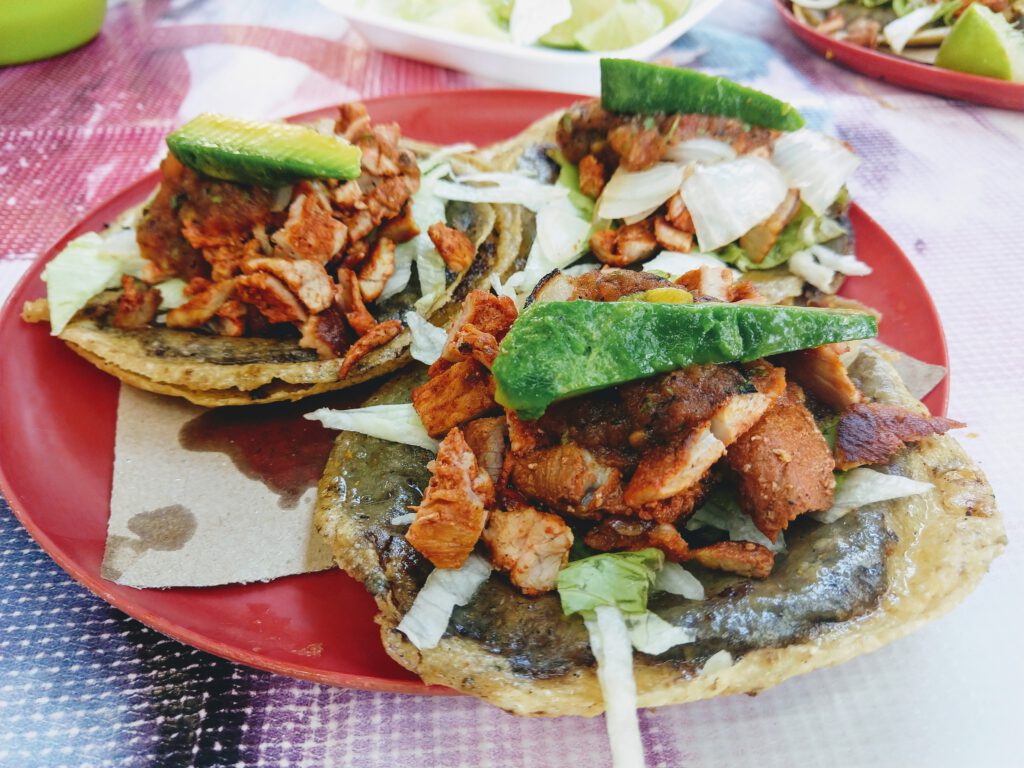
Best Restaurants in Mérida: Complete Dining Guide
In Mérida, every meal feels like a celebration – from dawn taco runs in bustling markets to gourmet dinners under colonial arches. Get ready to taste Yucatán’s vibrant flavors, one unforgettable bite at a time.
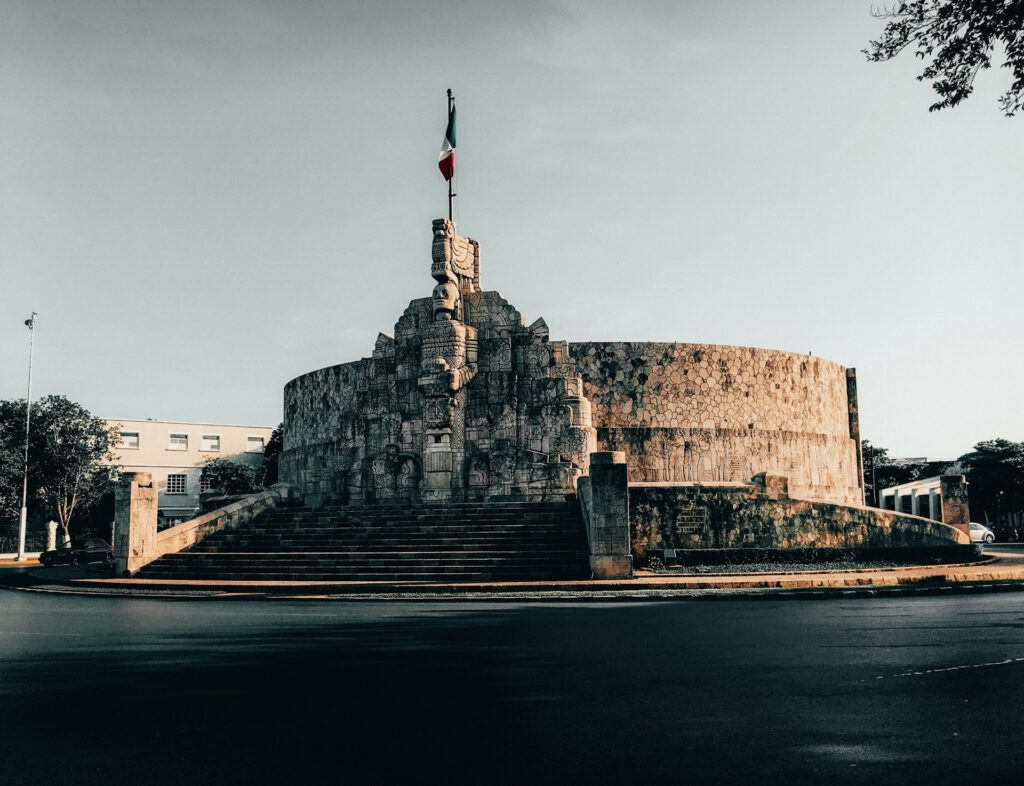
Mérida Neighborhoods Guide: Where to Stay & Explore
Mérida Neighborhoods Guide: Where to Stay & Explore Mérida Neighborhoods Guide: Where to Stay & Explore Introduction Mérida,...
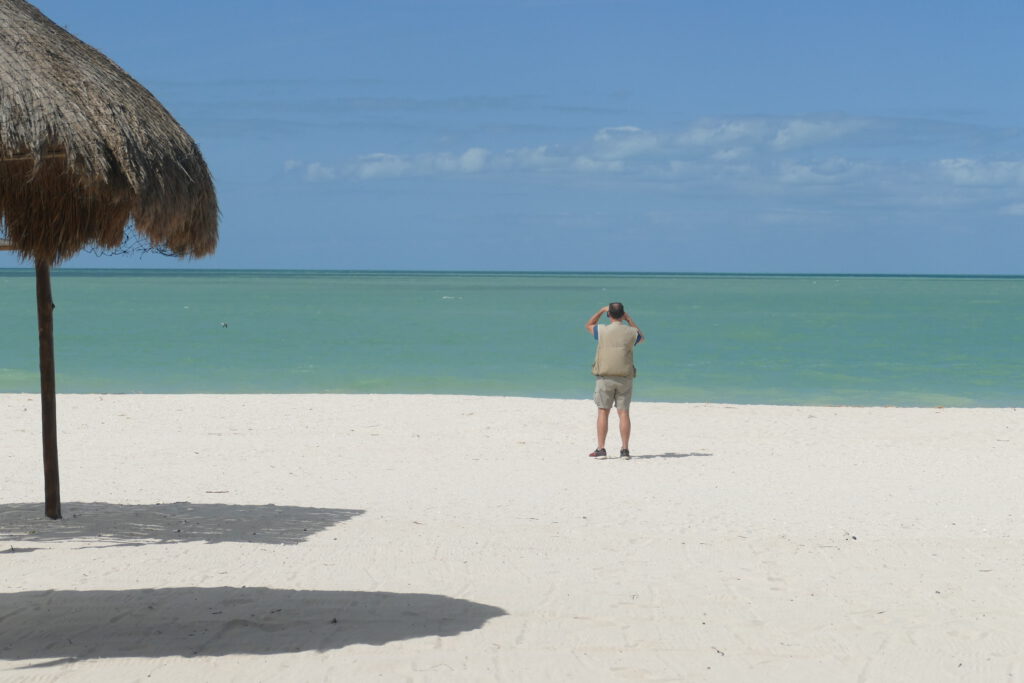
Celestún Beach: Complete Visiting Guide
Plan a relaxing day at Celestún Beach—calm Gulf waters, palapa seafood, and seasonal flamingo tours in the Ría Celestún Biosphere Reserve. Getting there, tips, and more.