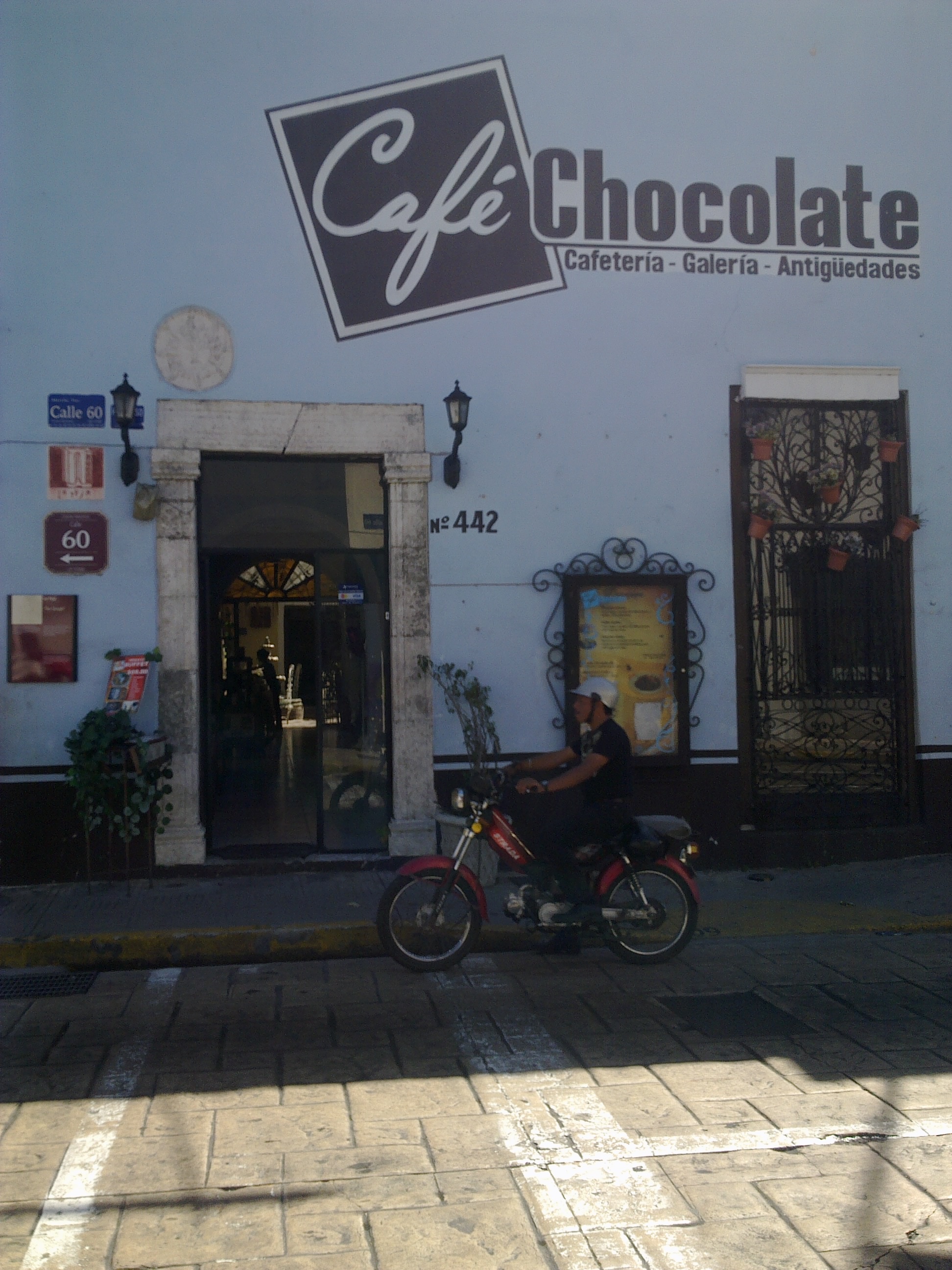
Mérida, founded in 1542, is one of the oldest continuously inhabited cities in the Americas and the cultural heart of Yucatán State. Unlike the beach crowds of Quintana Roo, Mérida offers authentic colonial architecture, world-class museums, a thriving food scene, and serve as the perfect base for exploring cenotes and Mayan ruins throughout the state.
The city's compact centro is walkable, safe, and genuinely lived-in by locals rather than tourists. You'll find colonial mansions, active churches, parks filled with families at dusk, street performers, and some of Mexico's best Yucatecan cuisine. Here's what to see and do.
Plaza Grande and the Historic Center
At the heart of Mérida lies Plaza Grande (officially Plaza de la Independencia), one of Mexico's largest zócalos at roughly 200 by 200 meters. This is where Mérida began in 1542 when Francisco de Montejo established the Plaza de Armas, and it's still the city's social and political center.
The plaza is surrounded by the most important buildings in Mérida:
-
Catedral de San Ildefonso (east side) — The oldest cathedral in the Yucatán Peninsula, construction began in 1561 and finished in 1598. It's the second cathedral completed in the Americas after Santo Domingo. Built using stones from a destroyed Maya temple, its plain exterior hides ornate interiors with a silver altar and religious art. Admission is free. Open daily 8am–6pm.
-
Palacio Municipal (north side) — The city hall with distinctive yellow façade and grand arches. The interior courtyard hosts cultural events. Free to visit during daylight hours.
-
Palacio de Gobierno (west side) — The state government building featuring Diego Rivera murals depicting Yucatecan history and culture. Free entry, open Tuesday–Sunday 10am–4pm.
-
Casa de Montejo (south side) — The 16th-century mansion of Francisco de Montejo, founder of Mérida. Now a museum with restored rooms, colonial furniture, and period pieces. Free admission, open Tuesday–Saturday 10am–6pm, Sunday 10am–2pm.
-
MACAY (Museo de Arte Contemporáneo Ateneo de Yucatán) — Contemporary art museum in a restored French colonial mansion on Calle 60. Small but well-curated exhibitions. Opening hours vary by exhibition.
The plaza itself is a people-watching paradise. At dusk, families gather on the grass, children play around the central palm trees, and locals stroll the shaded walkways. The famous "sillas confidentes" — double-seated white benches — invite couples to sit together in the traditional way. On Sunday afternoons, the plaza transforms for "Mérida en Domingo" with local crafts vendors, street food, and live music.
GuideMérida Centro Visiting Guide: Plaza Grande, Markets, Museums & Walking RouteMérida Centro Histórico is the old grid around Plaza Grande in the heart of Mérida, Yucatán, encompassing the Cathedral, Casa de Montejo, Palacio de Gobierno, markets such as Lucas de Gálvez and San Benito, and the streets of Santa Lucía, Santa Ana, Santiago and La Mejorada. No admission fee is required to walk the area; individual sites may have separate opening hours, so check each building before planning a visit. The guide recommends arriving before 11 am or after the afternoon heat, and suggests a half‑day minimum, a full day for a relaxed itinerary, or two days if museums and food are a priority. Getting there is easiest on foot, by Uber/DiDi, taxi, Va‑y‑Ven bus or private transfer; a rental car is not needed and can be cumbersome in the narrow streets. A typical walking route from Plaza Grande north along Calle 60 to Santa Lucía and Santa Ana takes about two hours at a quick pace, but most visitors spread it over a half‑day with frequent pauses. Visitors can expect a lively mix of locals and tourists, uneven sidewalks, heat, and occasional traffic, balanced by shaded plazas, colonial façades and vibrant market stalls. Practical tips include wearing a hat, comfortable shoes, carrying water and cash, and being patient at crossings. Early mornings are best for markets; afternoons are suited to museums or cafés, and evenings offer pleasant plaza ambience with music and street food.Open
Paseo de Montejo: Mérida's Champs-Élysées
Paseo de Montejo is Mérida's grand boulevard, modelled after Paris's Champs-Élysées in the late 19th century during the henequen boom. When the "Yellow Gold" made Yucatán incredibly wealthy, the elite built grand mansions along this tree-lined avenue, and many have been preserved and converted into museums, restaurants, and boutiques.
Walking the full length of Paseo de Montejo takes about 30 minutes and reveals the city's Gilded Age. Key stops:
-
Las Casas Gemelas (Twin Houses) — Identical French-style mansions built by the Cámara brothers. Their symmetry and ornate balconies make them some of the most photographed buildings in the city.
-
Casa del Minarete — Named for its Italianate minaret tower, this is one of the most elegant mansions on the avenue. You can't enter, but the exterior alone is worth seeing.
-
Quinta Montes Molina — A grand mansion with an extensive garden, housing a museum and cultural center. Open Wednesday–Monday 10am–6pm, closed Tuesdays. Admission is typically 30–50 MXN.
-
Palacio Cantón — The grandest of all, built in 1895 as the state courthouse and now the Regional Museum of Anthropology. This 19th-century Beaux-Arts building houses an extensive collection of Mayan artifacts, including pieces from Chichén Itzá, Uxmal, and other sites. The building itself is a masterpiece, and the exhibits are among the best in Mexico. Open Tuesday–Sunday 8am–5pm. Admission: 60 MXN.
-
Centro de las Artes "Acanceh" — A contemporary cultural center with galleries, a bookstore, and event spaces. Often hosts photography exhibitions, art installations, and performances.
On Sunday mornings, Paseo de Montejo hosts the Biciruta, a popular cycling event where the avenue is closed to cars and locals ride bikes, rollerblade, or walk. It's family-friendly and a great way to see the mansions in person. The event typically runs from 7am to 11am, starting near the Monumento a la Patria.
 The 16th-century Casa de Montejo, founder's mansion now a museum on Paseo de Montejo

Mercado Lucas de Gálvez
Mérida's largest and most authentic market is Mercado Lucas de Gálvez, located just two blocks south of Plaza Grande. This is not a tourist market — it's where locals buy produce, meat, fish, spices, clothing, and household goods.
The market was first built in 1887 and rebuilt several times; the current structure dates from 1950. It spans over 45,000 square meters with more than 2,000 vendors. The ground floor is a labyrinth of narrow aisles selling fresh produce, meat, fish, and traditional Yucatecan ingredients like achiote, chiles, and corn. The second floor has an artisans' market and food court.
What makes Lucas de Gálvez special:
-
Traditional ingredients — This is the only place in Mérida where you can find fresh recados (marinades), Maya-prepared ingredients, and specialty items that haven't been packaged for tourists.
-
Street food — The second-floor food court serves Yucatecan classics at local prices. Try panuchos, salbutes, cochinita pibil, sopita de lima, and fresh fruit cups with chile and lime (xec). A full meal costs 30–60 MXN.
-
Maya clothing — Look for hand-embroidered huipiles and traditional Maya textiles from villages around the state. You can negotiate prices, especially if you're buying multiple items.
-
Cultural immersion — Listen to Maya-speaking vendors from the countryside, sample unusual fruits, and experience the chaotic, colorful reality of daily Yucatecan life.
The market is open Monday–Saturday 6am–6pm, Sunday 6am–2pm. It's safe to visit alone, but go during daylight hours and be prepared for crowds, heat, and intense sensory stimulation.
Teatro José Peón Contreras
Mérida's main theater is named for the city's most famous son, José Peón Contreras (1843–1907), poet, novelist, playwright, and politician. The building itself, inaugurated on December 21, 1908, is one of Mexico's most important opera houses.
The theater was designed by European architects — originally Pío Piacentini, then executed by Enrico Desserti — and draws from French neoclassical style. The façade has a marked European elegance, while the interior is richly decorated with Corinthian columns, gold leaf, and a stunning chandelier with iridescent cut-glass arms. The dome was painted by Nicolás Allegretti.
The theater has hosted notable artists including Ofelia Guilman, Carmen Montejo, Angélica María, Alberto Cortés, Guadalupe Pineda, Tania Libertad, Eugenia León, Armando Manzanero, the National Ballet of Russia, and the Kiev Ballet. It's currently the home of the Yucatán Symphony Orchestra.
Important: The theater suffered a major fire in November 2022 that damaged much of the interior. It's currently under renovation and is expected to reopen in late 2027. The exterior can be admired from Calle 60, but interior visits are not available at this time.
Food and Drink Scene
Mérida is the undisputed food capital of the Yucatán Peninsula. Yucatecan cuisine is distinct from Mexican food elsewhere — influenced by Maya traditions, Spanish colonizers, and Caribbean flavors. Key dishes to try:
-
Cochinita pibil — Slow-roasted marinated pork wrapped in banana leaves and cooked in a pit oven. The meat falls apart, with smoky, citrusy, achiote-rich flavor. Best examples: El Corral, La Casa de la Cochinita, or any decent mercado stall.
-
Sopa de lima — Chicken soup with lime, served with thin fried tortilla strips, avocado, and cheese. Despite its name, it's sweet-sour and deeply savory. Restaurants like Amaro or El Jilguero make excellent versions.
-
Panuchos and salbutes — Both are fried corn bases topped with black beans, shredded turkey or chicken, lettuce, tomato, onion, and avocado. Panuchos have beans stuffed inside the fried base; salbutes are puffy and airy. Street vendors near Plaza Grande serve both.
-
Marquesitas — Crispy crepe wrapped around a stick of Queso Quesadilla (a specific semi-hard cheese that melts perfectly). The official marquesita stands are at Plaza Grande. Expect to pay 30–50 MXN.
-
Poc Chuc — Grilled pork sliced thin and served with grilled onions and lime. Simple but delicious, found at most Yucatecan restaurants.
-
Relleno negro — Turkey stuffed with a dark chile paste, then baked in its own gravy. This is the most labor-intensive Yucatecan dish, requiring weeks of preparation for the recado negro. High-end restaurants like Emplumado or La Encrucijada serve it.
-
Bucher — A Maya specialty from the eastern Yucatán: marinated chicken wrapped in banana leaf and grilled. Found at dedicated Bucher restaurants in Mérida.
Restaurant recommendations:
-
Emplumado — High-end Yucatecan cuisine with creative twists. Reservations essential. Main courses 150–280 MXN.
-
La Encrucijada — Classic Yucatecan cooking in a colonial house. More accessible prices, excellent relleno negro. Main courses 80–150 MXN.
-
El Corral — Multiple locations, consistent cochinita pibil and traditional dishes. Good value.
-
Picheta — Perched above Plaza Grande with 240-degree views of the cathedral. Modern Yucatecan cuisine and craft cocktails. Lunch 120–200 MXN, dinner 200–350 MXN.
-
Mercado Lucas de Gálvez food court — For authentic street food at local prices. 30–60 MXN per dish.
 Sopa de lima with shredded chicken and fried tortilla strips
Parque de la Independencia and City Parks
Mérida is surprisingly green for a city. Beyond Plaza Grande, several parks offer shade, quiet, and a break from the heat.
Parque de la Independencia (also called Parque de Santa Lucía) is on the north side of centro, across from the cathedral. It's a smaller, quieter alternative to Plaza Grande, often used for yoga classes in the mornings and concerts on weekends. The park has a bandstand, lush vegetation, and the famous Mérida city letters for photos.
Parque de San Juan is on the west side of centro, named after the Iglesia de San Juan Bautista (1597). This park has deep shade, benches, and a more neighborhood feel. It's a good place to watch local families at dusk and people who jog in the early mornings.
Parque de La Ticha (officially Parque Francisco de Montejo y León) is named for La Ticha, a beloved local educator and community leader who spent decades improving the neighborhood. The park has a small zoo, playground, and is surrounded by cafes and bookstores. A pleasant 15-minute walk from Plaza Grande.
Parks in Mérida are safe during daylight and become gathering spots at dusk (after 6pm), when the heat finally breaks and families come out to stroll, eat, and socialize. Bring water, wear sun protection during midday, and go early (before 10am) or late (after 4pm) to avoid the peak heat.
Palacio Cantón and Archaeology
As mentioned under Paseo de Montejo, the Regional Museum of Anthropology (Palacio Cantón) deserves its own highlight. If you're visiting Mérida to explore Mayan history, this is your primary stop. The museum's Mayan collections are comprehensive:
-
The Hall of Kings — Statues, stelae fragments, and artifacts from Chichén Itzá, including carved stone thrones and ceremonial objects.
-
The Uxmal Gallery — Pieces from the Puuc route ruins, including architectural ornaments and ceremonial masks.
-
Mayan ceramics and everyday life — Pottery, tools, jewelry, and household items showing daily life in Mayan cities.
-
Templo Rojo and Chac Mool — Famous sculptures, including a Chac Mool figure (the reclining warrior holding a bowl on his stomach for offerings).
-
Temporary exhibitions — The museum regularly hosts rotating exhibits on specific sites, archaeological discoveries, and Mayan culture.
The building itself, designed by architect Eduardo Peón Contreras (brother of José Peón) and finished in 1897, is a masterpiece of 19th-century Mexican architecture. Its central dome and symmetrical wings make it one of Mérida's most imposing structures.
Open Tuesday–Sunday 8am–5pm. Admission: 60 MXN. The museum is air-conditioned, making it a good midday escape when the heat peaks.
Nightlife and Evening Activities
Mérida's nightlife is relaxed and centered on the historic center. The city is safe to walk at night in the centro, and the main streets stay busy until late.
Cafés and bars:
-
Casa T'ho — Chic aperitivo bar on Paseo de Montejo with cocktails, small plates, and a sophisticated crowd of affluent locals. Good for evening drinks before dinner.
-
La Casa del Agua — Artisanal ice cream and water-based drinks in a colonial house. Open until 10pm.
-
Pasaje Picheta — A roofed walkway connecting the cathedral to MACAY, lined with small shops and cafes. Good for an evening stroll.
Music and dance:
-
Teatro Peón Contreras — Check the schedule for symphony concerts, ballet, and cultural events. The theater occasionally hosts performances even during renovation.
-
Centro de las Artes — Often hosts live music, poetry readings, and cultural events. Free or low-cost admission.
-
Tropico 56 and Mercado 60 — Younger crowd, live music on weekends, dance floor. More party atmosphere than the rest of centro.
Practical Information
Getting around:
-
Walking — Mérida's centro is compact and walkable. Most attractions listed here are within a 15-minute walk of Plaza Grande. Wear comfortable shoes, bring water, and start early.
-
Bicycle — The Biciruta on Sunday mornings is the best time to cycle. Otherwise, bike rentals are limited. Ride-hailing apps (Uber, DiDi) are available and cheap for longer distances.
-
Public bus — Mérida has an efficient public bus system. Fares are 8–12 MXN. Buses run frequently during the day but not late at night.
-
Taxi — Taxi stands are everywhere in centro. Fares within centro should be 40–80 MXN. Agree on price before getting in if the meter isn't used.
-
From Cancún Airport — Mérida is 2–2.5 hours from Cancún International Airport by private transfer (800–1,200 MXN) or ADO bus (150–200 MXN). Buses leave several times daily.
When to visit:
-
Best months — November to April (dry season, cooler temperatures). Daytime highs 28–32°C, lows 18–22°C.
-
Avoid if possible — May–October is hot and humid. June–November is hurricane season (though Mérida itself rarely sees direct hits). July–August can reach 38°C.
-
Best time of day — Mornings (8–11am) and evenings (after 5pm). Midday is intensely hot, especially in summer.
Budget (per person):
-
Budget — 400–600 MXN/day (market food, public transport, free museums)
-
Mid-range — 800–1,500 MXN/day (restaurants, taxis, paid attractions)
-
Luxury — 2,000+ MXN/day (high-end restaurants, private transport, boutique hotels)
Safety:
Mérida is consistently ranked as one of the safest cities in Mexico. Violent crime against tourists is extremely rare. Standard precautions apply: don't flash expensive jewelry, keep your phone secure, and avoid poorly lit areas late at night. The centro is safe to walk at night, but stay aware of your surroundings.
Connectivity:
Most restaurants, hotels, and cafes offer Wi-Fi. Local SIM cards are available at the airport or in centro. Telcel and Movistar have good coverage in Mérida.
Combine Your Visit
Mérida works as a standalone 2–3 day destination, but it also serves as the perfect base for day trips throughout Yucatán State:
-
Chichén Itzá — 1.5 hours by car or bus. Go early (7am arrival) to beat crowds and heat.
-
Uxmal — 2 hours from Mérida. Combine with Kabah and Sayil on the Puuc route.
-
Izamal — 1 hour away. The "Yellow City" with a convent built over a Maya temple.
-
Cenotes — Dozens within an hour of Mérida. Samulá, X'keken, and others are accessible by bus or tour.
-
Celestún — 1.5 hours. Flamingos, salt flats, and boat tours.
For day trips, you'll need a rental car, private driver (2,000–3,500 MXN/day), or join a tour (800–1,500 MXN per person).
Final Thoughts
Mérida isn't Instagram-perfect — it's real, lived-in, and unpretentious. It offers colonial architecture that's actually inhabited, museums that rival international standards, a food scene that honors Maya and Yucatecan traditions, and the safety to explore on foot at any hour.
This is the Yucatán that locals live in, not the version built for tourists. Spend time in Plaza Grande at dusk, wander Paseo de Montejo in the morning, eat at a mercado, and use Mérida as your base for exploring the broader state. The city will reward you with culture, history, and some of the best food in Mexico.
For the next step, use the Plan hub to compare itineraries, transport and practical resources already available.