Choose a base, then explore Yucatán by region. Cities, coast towns and smaller communities are grouped geographically—not mixed with individual attractions.
The most useful cities for building a first Yucatán trip.
Mérida is one of the most useful cities in Mexico for travelers who want culture, food and history without giving up access to the wider region. You can spend several days exploring its markets, plazas, museums and neighbourhoods, then use it as a base for cenotes, Maya ruins, haciendas, beaches and small towns across northern Yucatán.
Valladolid is one of the most useful places to stay in eastern Yucatán. It gives you a walkable historic centre, regional food, several neighbourhoods with their own character and easy access to Chichén Itzá, Ek Balam, cenotes and the roads connecting Mérida with Cancún and the Riviera Maya.
Izamal is one of the easiest and most rewarding day trips from Mérida. It is close enough for a slow morning, deep enough for history, and compact enough that you do not need a complicated plan.
The capital and the towns, sites and day trips around it.
Right on the Mérida–Campeche highway, Halachó is a mellow plaza town anchored by the colonial Parroquia de Santiago Apóstol. It’s also the jumping-off point for the little-known Maya remains at Sihó (within the municipality) and quick cross-border craft visits to Bécal, Campeche, where jipijapa hats are woven in cool limestone caves.
Southwest of Mérida, Maxcanú is a low-key base town with two heavyweight neighbors: the little-visited Oxkintok archaeological site (4 km east) and the Grutas de Calcehtok (X’Pukil) cave system (nearby via the Oxkintok road). In town, the red-stucco Parroquia de San Miguel Arcángel anchors a leafy plaza, and local food traditions run from longaniza ahumada (smoked sausage) to abundant jícama from surrounding fields.
Paseo de Montejo is Mérida’s grandest urban walk: a broad, tree-lined avenue where the city’s henequen-era wealth appears in stone, stucco, ironwork, gardens, and long perspectives. It is not a beach promenade—Mérida is inland—but it is one of the clearest places to understand how the Yucatecan capital wanted to present itself at the end of the nineteenth century and how residents use that old boulevard today.
San Antonio Mulix is a very small rural community south of Mérida, visited mainly for two nearby swimming places: Cenote X-Batún and Cenote Dzombakal.
Sisal, Yucatán is best for travelers who want a quieter Gulf beach, a small Pueblo Mágico feel, seafood, a pier-and-lighthouse stroll, and access to the Reserva Estatal El Palmar. It is usually a better fit than Progreso if you want calm and nature; Progreso is easier if you want more restaurants, buses, beach clubs, and services.
Tekit is a working Yucatecan town south of Mérida, known across the state for one very specific craft: the guayabera.
Valladolid, Chichén Itzá, eastern towns and the Río Lagartos corridor.
El Cuyo is worth the journey when you want a quiet beach stay rather than a quick sightseeing stop. The town sits on a narrow strip of land between the Gulf of Mexico and the wetlands of the Ría Lagartos Biosphere Reserve, close to Yucatán’s border with Quintana Roo. Its long beach, sandy streets, fishing boats and steady wind give it a character quite different from Progreso, Holbox or the Riviera Maya.
Río Lagartos is worth visiting for a guided boat trip through one of Yucatán’s most important coastal wetlands. The town itself is small and quiet. The real draw is the water: mangrove channels, shallow lagoons, flamingos, herons, pelicans, crocodiles and wide coastal light.
Calzada de los Frailes is the walk that makes Valladolid feel composed rather than merely picturesque. It is a straight, gently sloping historic street running from the older centre toward the Sisal neighborhood and the former Convent of San Bernardino de Siena. Along the way, brightly painted façades, old doorways, trees, bicycles, small shops, and changing afternoon light turn an ordinary connection between two parts of town into one of eastern Yucatán’s most enjoyable urban strolls.
San Felipe is a small fishing port on the northeastern coast of Yucatán, close to Río Lagartos and the Ría Lagartos Biosphere Reserve. It is a quiet place of wooden houses, fishing boats, mangroves, seafood restaurants, and slow coastal streets.
Izamal, Homún and the connected towns of central Yucatán.
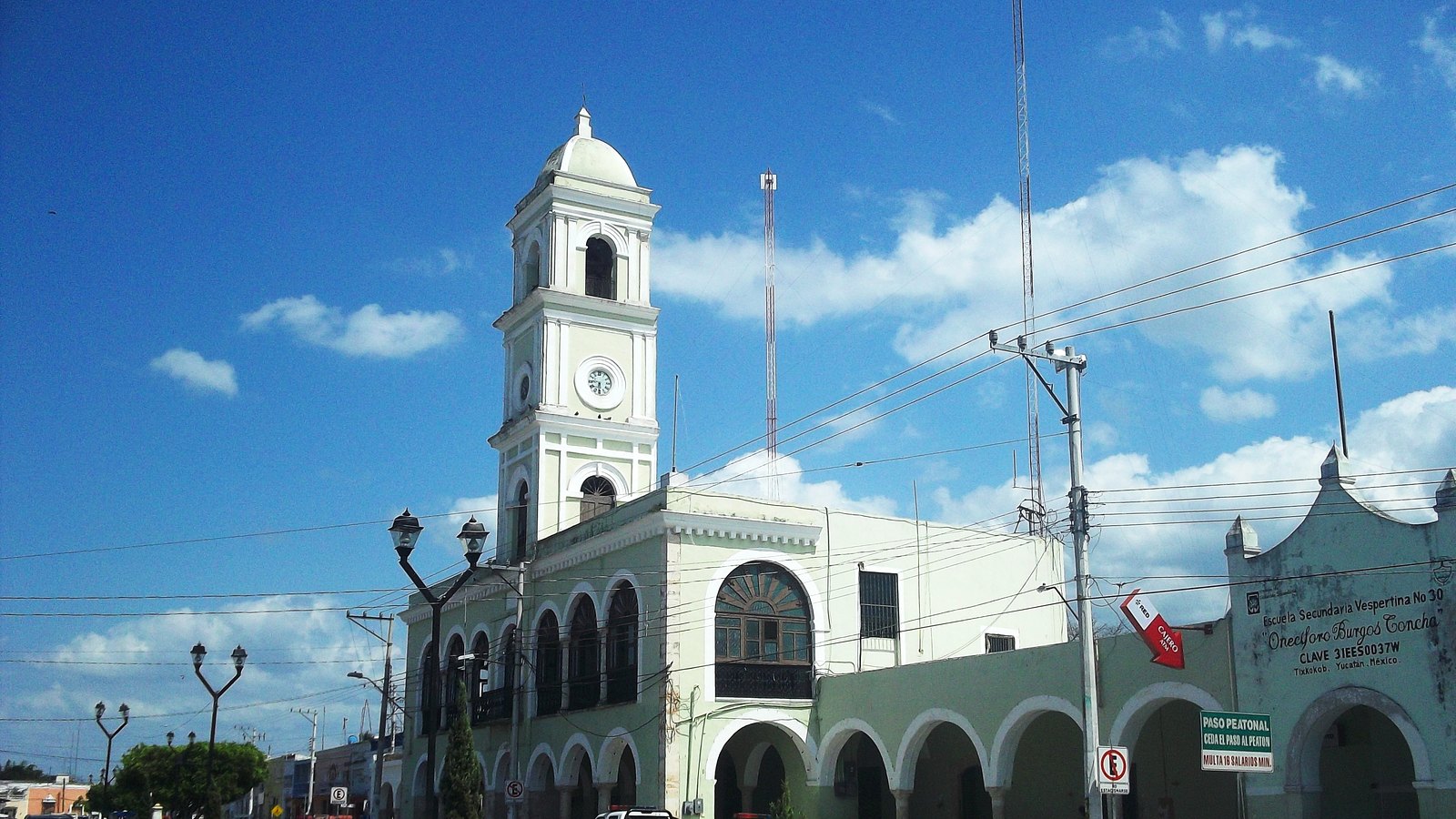
Tixkokob is a working Yucatecan town east of Mérida, known across the region for handmade hammocks.
Beach towns, fishing communities and reserves along the Gulf.
Chicxulub Puerto is a small Gulf coast town east of Progreso. Travelers often type it as “Chixulub,” but the local spelling is Chicxulub Puerto.
Chuburná Puerto sits at the quieter western end of the inhabited coast beyond Progreso and Chelem. It is still recognisably a fishing town rather than a developed resort: small boats gather around the harbour, seafood restaurants open near the centre, beach houses line parts of the shore and the road eventually gives way to dunes, mangroves and shallow water.
Uxmal, the Puuc route and the towns of southern Yucatán.
Tekax is one of the most distinctive towns in southern Yucatán. The landscape begins to rise here, caves run beneath the Puuc hills, and the small Ermita de San Diego looks over a working regional town rather than a polished visitor district.