Río Lagartos is worth visiting for a guided boat trip through one of Yucatán’s most important coastal wetlands. The town itself is small and quiet. The real draw is the water: mangrove channels, shallow lagoons, flamingos, herons, pelicans, crocodiles and wide coastal light.
It is easiest to visit from Valladolid, Tizimín or as part of an overnight route through northeastern Yucatán. From Mérida, Río Lagartos is possible as a day trip, but the return journey is long. A rental car, private driver or organized tour makes the day substantially easier.
Most first-time visitors should plan either a full day from Valladolid or one night in Río Lagartos. Stay overnight if you want an early boat departure, a slower lunch and enough time to add Las Coloradas without turning the trip into a race.
 Flamingos in the Ría Lagartos Biosphere Reserve
Río Lagartos at a glance
| Question | Practical answer |
|---|---|
| Is Río Lagartos worth visiting? | Yes, especially for wildlife, birding, photography and a quieter coastal stop |
| Main reason to go | A guided boat trip through the Ría Lagartos wetland system |
| How long do you need? | One full day from Valladolid; one night for a more comfortable visit |
| Do you need a car? | Not for the waterfront or boat itself, but a car or driver makes reaching town and adding Las Coloradas much easier |
| Best base | Valladolid for a day trip; Río Lagartos for sunrise boat trips; Tizimín for a practical regional stop |
| Best time for a boat tour | Early morning for cooler conditions, active birdlife and a better chance of calmer water |
| Best time for Las Coloradas | Bright late-morning or midday light usually shows the salt ponds most clearly |
| Flamingos | Present in the wider reserve through the year, but numbers and locations change with breeding, water and feeding conditions |
| Good for families? | Yes for children comfortable on boats and in strong sun; less easy with babies, strollers or mobility limitations |
| Cash or card? | Carry pesos. Small operators, taxis and local restaurants may not reliably accept cards |
| Best transport | Rental car, private driver or a trusted organized excursion |
| Best nearby additions | Las Coloradas, San Felipe, Tizimín, Ek Balam, Valladolid and El Cuyo |
| Less suitable for | Travelers short on time, resort-seekers, nightlife trips and people expecting guaranteed close wildlife encounters |
Is Río Lagartos worth visiting?
Río Lagartos is worth the journey when nature is one of the main reasons for your Yucatán trip.
The experience is different from visiting a ruin, cenote or colonial town. There is no single monument to see. The landscape is low and open, and the quality of the day depends on the guide, weather, tide, season and wildlife movement.
A good boat trip feels unhurried. You move through shallow water and mangrove edges while the guide reads the landscape, points out birds and keeps enough distance for wildlife to behave normally.
Río Lagartos is a good choice for:
- birdwatchers and wildlife photographers
- families with children who enjoy boats and animals
- couples wanting a quiet overnight stop
- road trips through Valladolid and northeastern Yucatán
- travelers interested in fishing communities and protected wetlands
- visitors deciding between Río Lagartos and Celestún for flamingos
- people who prefer small towns to resort areas
Río Lagartos may not be the right choice if:
- you have only a few days in Yucatán
- you are starting in Mérida and do not want a long day on the road
- you expect a polished resort, beach club or nightlife
- you want guaranteed flamingo or crocodile sightings
- you are uncomfortable on small open boats
- you have limited mobility and cannot board from a low dock
From Mérida, Celestún is usually the easier flamingo and mangrove day. From Valladolid, Cancún or the northern Riviera Maya, Río Lagartos often fits the route better.
For a fuller comparison, read our guide to the best places to see flamingos in Yucatán.
Río Lagartos, Ría Lagartos and Las Coloradas explained
These names are often used as though they describe one attraction. They do not.
GuideBest Río Lagartos Tours from Valladolid: Flamingos, Las Coloradas and WildlifeCompare the best ways to visit Río Lagartos from Valladolid, from a local boat trip to a full-day route with Las Coloradas, wildlife and a cenote.Open
Río Lagartos
Río Lagartos is the waterfront fishing town where many visitors sleep, eat and board local boats. The malecón, docks, hotels and tour operators are concentrated along the edge of the ría.
 Palacio Municipal de Río Lagartos
Ría Lagartos
Ría Lagartos is the protected wetland system around the town. A ría is a shallow coastal inlet or estuarine waterway, not a conventional river. The reserve includes mangroves, coastal lagoons, marshes, dunes, hypersaline areas and feeding or nesting habitat for many birds.
The federally protected biosphere reserve covers more than 60,000 hectares. It was decreed in its present federal category in 1999, joined UNESCO’s World Network of Biosphere Reserves in 2004 and includes Ramsar-recognized wetlands of international importance.
Las Coloradas
Las Coloradas is a working salt-producing community east of Río Lagartos. Its pink ponds are part of an industrial salt landscape, not a natural swimming lagoon.
Access is controlled. Visitors generally see the ponds from designated areas or through an authorized local visit. Rules, routes and fees can change, so confirm current access before leaving Río Lagartos.
Do not enter the salt ponds. They are highly saline, operational and protected from contamination.
GuideRio Lagartos & Coloradas: Safari flamingos & crocodiles plusRio Lagartos & Coloradas is a three‑hour eco‑safari in the Yucatán that takes visitors to the pink flamingo and crocodile zones, the lagoons of Las Coloradas, a beach and includes a clay‑exfoliation experience, with an educational component that lets guests interact with local wildlife. The tour is offered by GetYourGuide for $126 USD per person and lasts about three hours; the article does not specify opening hours or how to reach the site, nor does it detail any additional items such as transport or meals that might be included. Participants can expect to see large flocks of pink flamingos, observe crocodiles in their natural habitat, walk along the striking pink lagoons of Las Coloradas, relax on a nearby beach and finish with a clay‑exfoliation treatment. The experience is described as educational, allowing direct interaction with the wildlife. Because the article provides no specific logistical advice, travelers should verify transport arrangements and any timing constraints when booking, and confirm whether the price covers all activities mentioned.Open
San Felipe
San Felipe is a smaller fishing port west of Río Lagartos. It is useful as a quieter lunch, waterfront or boat-tour alternative, but Río Lagartos has the more established visitor setup.
GuideSan Felipe, Yucatán Guide: Fishing Port, Mangroves, Beaches & Río Lagartos Day TripSan Felipe is a small fishing port on Yucatán’s northeast coast, west of Río Lagartos and near the Ría Lagartos Biosphere Reserve. It is reached most easily by rental car or private driver; the drive from Mérida takes about 3 to 3.5 hours, from Valladolid 1.5 to 2 hours, and from Río Lagartos only a short hop. Public transport exists but is limited and requires careful timing. A half‑day visit covers a walk along the malecón, viewing the colorful wooden houses and having a simple seafood lunch; a full day adds a guided boat tour of the mangroves, birdwatching, beach time and possibly an overnight stay. Boat tours are not included in the town’s basic offering and must be arranged locally or in advance; they typically include navigation through mangroves, springs and quiet channels, with guidance on safety and wildlife. The town has no formal opening hours, but the best light and cooler weather are early morning and late afternoon, especially between November and March. Visitors should bring cash, a hat, sunglasses, reef‑safe sunscreen, water, a dry bag, insect repellent and light long sleeves, and follow guide instructions near wildlife areas. Expect a quiet, undeveloped coastal atmosphere, limited beach infrastructure and the need to carry out any trash. Early departure is advisable if travelling from Mérida to avoid a long, hot day.Open
A brief history of the reserve and town
The name Río Lagartos comes from early Spanish accounts describing large reptiles in the coastal waterway. The animals were crocodiles rather than alligators, and the “river” is a ría rather than a river.
Fishing, salt extraction and movement between coastal communities shaped the local economy long before modern wildlife tourism. These activities still matter. Río Lagartos is not a visitor attraction built beside an empty reserve; it is a working town connected to fishing, boats, restaurants, salt production and regional trade.
Formal protection developed in stages. The area became a federal wildlife refuge in 1979. The wetland was listed under the Ramsar Convention in 1986, and the expanded Reserva de la Biosfera Ría Lagartos was federally decreed in 1999. UNESCO added it to the World Network of Biosphere Reserves in 2004.
The reserve protects the principal Caribbean flamingo nesting area in Mexico, important sea-turtle nesting beaches and habitat used by resident and migratory birds.
 Wetlands near Río Lagartos
How many days do you need in Río Lagartos?
Most visitors need one full day or one night.
One full day
A day trip works best from Valladolid. Leave early, take a morning boat, eat lunch in town and decide whether Las Coloradas fits the remaining time.
This is possible from Mérida, but the day becomes long. You may spend five to six hours driving before adding the boat, lunch and any second stop.
One night
One night is the most balanced option. Arrive in the afternoon, walk the malecón, eat seafood and take an early boat the following morning.
After the boat, you can visit Las Coloradas, San Felipe or Tizimín without rushing back through rural roads after dark.
Two nights
Two nights make sense for serious birders, photographers, families who need a slower pace or travelers combining Río Lagartos with Las Coloradas and San Felipe.
It is probably more time than a first-time visitor needs if wildlife is not a major interest.
Boat tours in Río Lagartos
The boat trip is the main experience. Most tours leave from the waterfront and use small motorboats suited to the shallow ría.
Routes vary. A guide may take you through open water, mangrove edges, feeding areas, springs, coastal channels or a beach stop. The route should respond to the weather and wildlife rather than follow a rigid checklist.
Many trips last roughly two to three hours. Longer private routes may be available for birders or photographers. Ask what the quoted price includes and whether the rate is per person or per boat.
A typical trip may include:
- flamingos when they are present in reachable feeding areas
- herons, egrets, cormorants, pelicans and frigatebirds
- spoonbills, ibises, ospreys or other seasonal birds
- mangrove and wetland interpretation
- crocodile sightings when conditions allow
- a spring, beach or mineral-mud stop on some routes
None of these should be treated as guaranteed. Wildlife moves, wind affects access and nesting areas may be restricted.
 Wetland channels in the Ría Lagartos reserve

When to take the boat
Early morning is usually the strongest choice.
The air is cooler, the light is softer and the water may be calmer before daytime wind builds. Birds are often active, and there are fewer boats than later in the morning.
A later departure can still be worthwhile, especially if your schedule is limited. It may also give stronger light on the water, but the sun is harder and wind can become more noticeable.
Do not build a tight plan around an exact departure time without confirming it. Local operators respond to weather, group size and boat availability.
During windy nortes or storms, tours may be shortened, moved or cancelled. The broader nortes period can affect the coast from autumn into early spring, although conditions vary from day to day.
How to choose a responsible boat operator
Choose an operator who treats the reserve as a protected habitat rather than a wildlife stage.
Ask whether the boat and guide are authorized to operate in the reserve. Life jackets should be available, the boat should appear maintained and the guide should explain basic safety before departure.
Good signs include:
- keeping a respectful distance from birds
- slowing down near wildlife
- avoiding nesting areas
- explaining that sightings cannot be guaranteed
- carrying life jackets in usable sizes
- adapting the route to wind and water conditions
- asking passengers not to shout, feed animals or leave waste
Reserve rules require boats observing feeding flamingos to remain at least 50 metres from groups of birds. A guide who deliberately chases, surrounds or repeatedly flushes flamingos is not providing a better tour.
Avoid any operator who handles crocodiles, feeds wildlife or promises a close-up encounter at any cost.
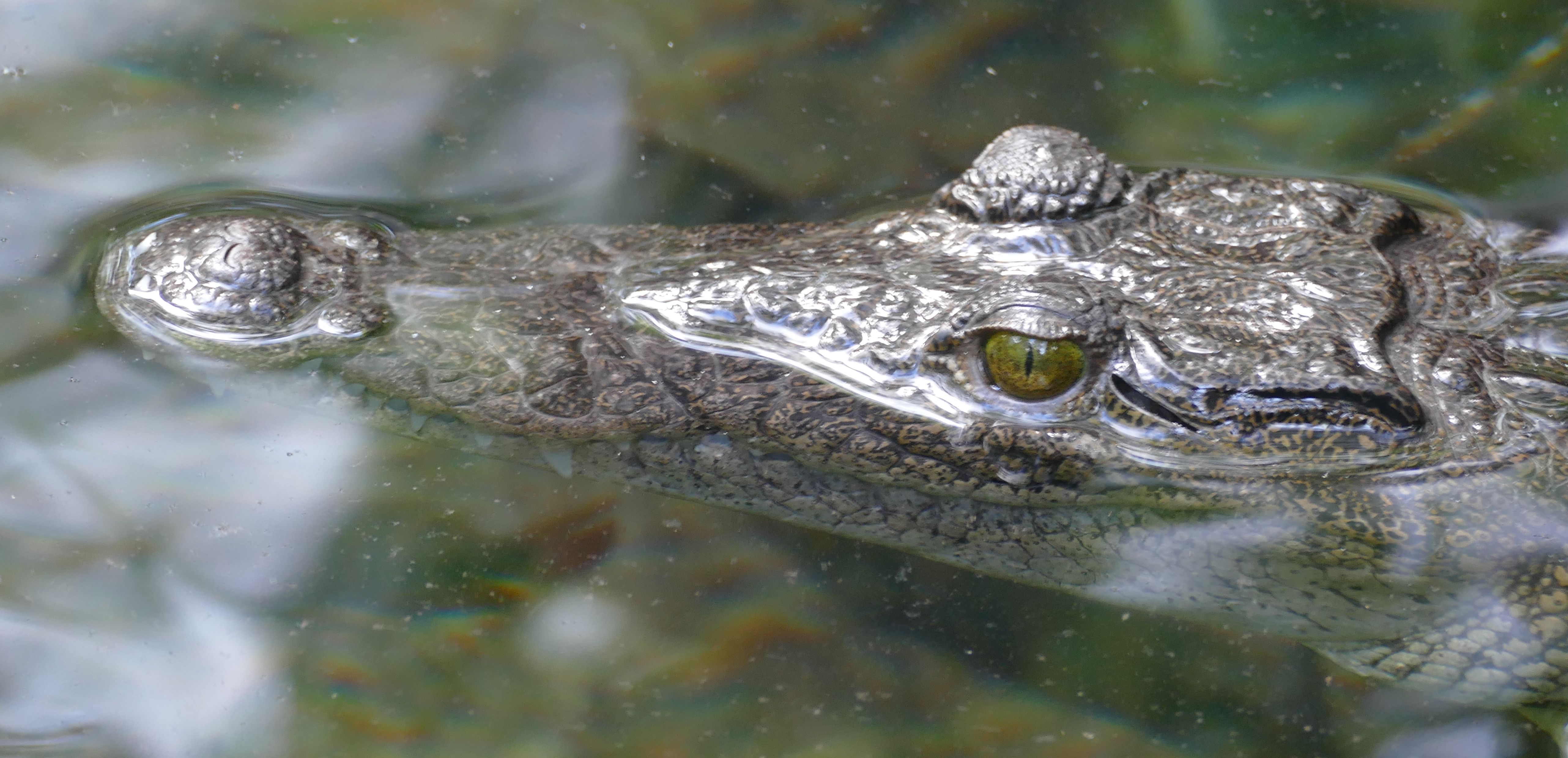
The reserve contains both Morelet’s crocodiles and American crocodiles. They are wild animals. The right experience is to observe them without changing their behaviour.
Read more in our guide to crocodiles in Yucatán.
Flamingos in Río Lagartos
Ría Lagartos protects the principal Caribbean flamingo nesting area in Mexico. Flamingos use different parts of the wider coastal wetland according to food, salinity, water level and breeding conditions.
They can be present in the region throughout the year, but numbers and accessible locations change. Larger concentrations are often associated with the spring and early-summer breeding period. This does not mean every boat sees a large flock.
A responsible guide will explain where birds have recently been feeding and what can realistically be reached without entering restricted areas.
For photography, bring a zoom lens or binoculars. The aim should not be to place the boat within a few metres of the flock.
If flamingos are your only reason for traveling, ask an operator about current sightings before making the journey. Even then, treat the answer as recent information rather than a guarantee.
GuideBest Place to See Flamingos in Yucatán: Celestún, Río Lagartos, and When to GoCelestún and Río Lagartos are the two main coastal wetlands in Yucatán where wild American flamingos can be seen; Celestún lies about 90 km west of Mérida on the Gulf coast, while Río Lagartos is on the north‑east coast near Valladolid, Cancún, San Felipe and El Cuyo. In the winter months of November to February the most reliable sightings are at Celestún, reachable from Mérida by rental car in roughly 1.5–2 hours each way; boat tours depart from the official embarcadero or from town operators and are usually priced per boat, so groups can share costs. Cash in pesos is required and English‑speaking guides should be confirmed in advance. The tours last a few hours and include a guided boat ride through the Ría Celestún Biosphere Reserve, showing mangrove channels, herons, pelicans and sometimes crocodiles, with a beach and seafood lunch available in town after the ride. Early departures give cooler weather and softer light for photography, but flamingo numbers vary daily. From March through August the stronger option is Río Lagartos, best accessed by rental car or private driver from Valladolid or Cancún; the drive is longer and a full‑day itinerary is common. Boat trips from the town of Río Lagartos focus on wildlife viewing at a respectful distance, often adding mangrove birdwatching, crocodile spotting and optional stops near the salt flats of Las Coloradas. Early morning departures are recommended for better bird activity and cooler conditions. Both sites require flexible expectations because the birds move with water level and food availability; a good guide, an early start and awareness of protected‑area rules improve the chances of seeing flamingos.Open
Other wildlife in the reserve
Río Lagartos is more rewarding when you are interested in the whole wetland rather than one species.
Birdlife may include:
- roseate spoonbills
- great blue, tricolored and green herons
- snowy and great egrets
- brown and white pelicans
- neotropic cormorants
- magnificent frigatebirds
- ospreys and other raptors
- black-necked stilts
- terns, gulls and shorebirds
- seasonal migratory ducks and waders
The reserve also supports crocodiles, fish, marine life and nesting sea turtles along protected coastal beaches.
Sea-turtle activity is seasonal and sensitive. Do not seek out nesting turtles without an authorized local programme, and never use flash, block a turtle’s route or handle hatchlings. Our guide to sea turtles on the Yucatán coast explains what responsible viewing looks like.
Is Las Coloradas worth adding?
Las Coloradas is worth adding when you are already in Río Lagartos, have a car or driver and understand that it is a working salt-production site.
The pink color can be striking in bright light. It can also appear pale, muted or different from heavily edited photographs. Color depends on light, concentration, conditions and the section visible during your visit.
The visit is generally short. For most travelers, Las Coloradas works as an additional stop rather than the main reason to cross Yucatán.
Las Coloradas is a good addition for:
- photographers
- families interested in unusual landscapes
- travelers already staying in Río Lagartos
- road trips continuing toward El Cuyo
It may disappoint travelers who expect:
- swimming in pink water
- unrestricted access among the ponds
- a long nature walk
- a fully natural lagoon
- identical conditions to social-media photographs
Bright late-morning or midday sun generally shows the color better than flat or overcast light. The heat is stronger at this time, so bring water, a hat and shade for children.
A Río Lagartos boat tour and a Las Coloradas road visit are separate experiences. Some marketed excursions combine them, but confirm exactly how much time is spent on the water and whether the pink ponds are seen from an authorized visitor area.
 Las Coloradas salt ponds
Things to do in Río Lagartos town
The town is small. Do not arrive expecting a long attraction list.
GuideBest Things to Do in Yucatán: What’s Actually Worth It on a First TripThe guide outlines the main activities and destinations that make up a Yucatán itinerary, all of which can be reached from the state capital Mérida or the colonial town of Valladolid. Mérida serves as the primary base because it offers a wide range of hotels, restaurants, museums and transport options; two full days are enough for a first impression, while three or four days allow a historic‑centre walk, a museum visit and one or two nearby day trips. Chichén Itzá, the most famous Maya site, lies 1½–2 hours north of Mérida by car; it can be visited by rental car, private driver, guided tour, bus or train plus local transfer and typically requires half to a full day. Uxmal, part of the Ruta Puuc, is also reached most easily by car or driver from Mérida and is best done as a full‑day outing. Cenote swimming is recommended in the Homún and Cuzamá areas for those staying in Mérida and in the surroundings of Valladolid for overnight guests; three cenotes make a comfortable day, with access by rental car, driver or organized tour. Izamal is a half‑day pueblo visit reachable by car, driver, bus or tour from Mérida, while Progreso offers a short, family‑friendly beach stop on the Gulf coast, reachable in under an hour by road. Visitors should plan to start early to avoid heat and crowds, bring water, sun protection and cash for entrance fees, and respect local customs such as showering before entering cenotes and using reef‑safe products only where allowed. Life jackets are often required at cenotes, and many sites have limited shade, so a hat and plenty of water are advisable. Private drivers provide the most flexible schedule, especially when combining ruins, cenotes and coastal stops in a single day.Open
Walk the malecón
The waterfront is the center of visitor activity. Boats depart from the edge of the ría, and restaurants and small hotels sit nearby.
Walk in the early morning or late afternoon. Midday can be bright and exposed.
Watch the fishing boats
Río Lagartos remains a working fishing town. You may see fishermen unloading, repairing equipment or preparing boats. Observe without blocking working areas.
Eat seafood
Fresh catch and regional seafood are the natural choices. Ask what is available that day rather than assuming every menu item is fresh or in season.
Common dishes include ceviche, fried fish, octopus, shrimp, fish fillets and simple Yucatecan preparations. Carry cash and confirm prices before ordering whole fish by weight.
Stay for sunset
The malecón is pleasant at the end of the day, when the heat eases and local families return to the waterfront. Sunset alone is not a reason to drive from Mérida, but it adds value to an overnight stay.
Consider a night wildlife tour carefully
Some operators offer after-dark crocodile or mangrove outings. These can be interesting for older children and adults, but standards vary.
Choose a licensed guide, ask how wildlife is approached and avoid tours involving handling or feeding. Night trips are not the best choice for very young children, nervous passengers or anyone uncomfortable boarding in darkness.
Getting to Río Lagartos
Río Lagartos is remote enough that transport affects the quality of the trip.
By rental car
A car gives you the most control. It is the easiest option for combining Río Lagartos with Las Coloradas, San Felipe, Tizimín or an overnight stop.
The main roads are paved, but some regional sections are narrow and poorly lit. Watch for motorcycles, bicycles, animals, speed bumps and vehicles without strong lights.
Avoid a tired late-night return after a full day on the water. Fuel up before the final coastal stretch and do not assume every small station will accept cards.
By private driver
A private driver is useful for families, groups and travelers who do not want to manage a long return drive.
It is particularly worthwhile from Mérida, where the distance makes timing important. A driver can wait during the boat trip, carry luggage and help combine a second stop without relying on irregular onward transport.
By organized tour
An organized tour is the simplest option when you want pickup and a fixed route. Read the itinerary carefully.
Some tours spend many hours collecting passengers and only a short time in Río Lagartos. Others combine Valladolid, Ek Balam, Las Coloradas and a boat trip in a day that becomes too compressed.
Look for:
- clear pickup and return times
- actual time on the boat
- group size
- whether the boat is private or shared
- whether Las Coloradas admission is included
- whether meals and conservation charges are included
- the cancellation policy for strong wind
By public transport
Public transport is possible but less convenient.
Most independent routes involve reaching Tizimín first, then taking a regional bus, van or colectivo toward Río Lagartos. Schedules can change, and the final return may be earlier than expected.
This works for flexible travelers staying overnight. It is less suitable for a tightly planned same-day visit, especially if you also want Las Coloradas.
Confirm the final return before leaving Tizimín. Do not rely on an old online timetable for the last vehicle of the day.
Visiting Río Lagartos from Valladolid
Valladolid is the most useful tourist base for Río Lagartos.
The drive usually takes around 1.5 to 2 hours, depending on your starting point, traffic and stops. Leave early enough to reach the waterfront for a morning boat.
A practical day is:
- Leave Valladolid around sunrise or shortly after.
- Take a morning boat tour in Río Lagartos.
- Eat lunch on the waterfront.
- Add Las Coloradas only if the group still has energy.
- Return before dark or stay overnight.
Do not automatically add Ek Balam, a cenote, Río Lagartos and Las Coloradas to the same day. It is possible with a driver and an early start, but it leaves little time to enjoy any one place.
A calmer alternative is to visit Ek Balam on the transfer day, sleep in Río Lagartos and take the boat the following morning.
GuideBest Río Lagartos Tours from Valladolid: Flamingos, Las Coloradas and WildlifeCompare the best ways to visit Río Lagartos from Valladolid, from a local boat trip to a full-day route with Las Coloradas, wildlife and a cenote.OpenVisiting Río Lagartos from Mérida
Río Lagartos is a long day trip from Mérida.
Allow roughly 2.5 to 3.5 hours each way depending on the route, traffic and stops. That makes an early start essential.
The trip is reasonable when:
- wildlife is a high priority
- you have a rental car or private driver
- everyone in the group tolerates long road days
- you are prepared to skip extra stops if weather delays the boat
It is not the best option if you are short on time. Celestún is closer to Mérida, and many travelers will get a more balanced nature day there.
An overnight route through Tizimín or Valladolid makes Río Lagartos easier. Read our Tizimín guide if you are considering a regional stop.
GuideBest Río Lagartos Tours from Valladolid: Flamingos, Las Coloradas and WildlifeCompare the best ways to visit Río Lagartos from Valladolid, from a local boat trip to a full-day route with Las Coloradas, wildlife and a cenote.OpenVisiting from Cancún, Playa del Carmen or Tulum
Río Lagartos can be reached from the Caribbean coast, but it is not a casual half-day excursion.
From Cancún, plan a long full day or an overnight stay. From Playa del Carmen or Tulum, the journey is longer and generally works better as part of a transfer through Valladolid.
A private driver or rental car offers the most flexibility. Organized excursions can be useful, but check how much of the day is spent in transit.
Do not plan a late arrival at Río Lagartos and assume boats will still depart. Arrange the tour before leaving the coast or stay overnight.
Where to stay in Río Lagartos
Accommodation is simple and practical rather than resort-focused.
For most visitors, the best location is close to the malecón. This keeps you near boat departures, restaurants and the waterfront, and makes an early start easier.
Choose based on:
- reliable air conditioning
- a quiet room away from road or restaurant noise
- parking if you have a car
- family-room layout
- breakfast timing before an early boat
- whether the property can arrange a reputable guide
- a pool if traveling during hotter months
Do not book only because a hotel claims to have a view. Check recent room photographs and reviews for maintenance, water pressure, noise and air conditioning.
Weekends, holiday periods and the main flamingo season can fill the limited room supply. Book ahead if the overnight stay is important to the route.
A stay in Valladolid is better when you want a broader restaurant and hotel choice. Stay in Río Lagartos when the early boat and coastal atmosphere matter more.
Where to eat
Most visitors eat along or near the waterfront.
Seafood is the obvious choice, but freshness and service vary. Ask what arrived that day and whether dishes are made to order.
Useful habits include:
- carry pesos
- confirm whether card payment is working before ordering
- ask how whole fish is priced
- check whether service is included
- order conservatively if you have a long road journey afterward
- carry snacks for children or dietary restrictions
Restaurants may close earlier than in Mérida or Valladolid. If you arrive late, ask your hotel what is still serving rather than assuming the waterfront remains busy into the night.
Río Lagartos with children
Río Lagartos can work well for families, especially with school-age children who enjoy wildlife.
The main challenges are sun, boat access, limited toilets during the trip and the long drive.
Before booking, ask:
- whether child-size life jackets are available
- whether the boat has shade
- how long the trip lasts
- whether there is a toilet before departure
- how high or unstable the boarding step is
- whether the guide can shorten the route if a child becomes uncomfortable
Bring more water than you think you need. Use hats, breathable long sleeves and sunglasses. Sunscreen is useful, but physical cover is more reliable on an open boat.
A stroller is of limited use on docks and boats. A baby carrier may be easier, but strong heat and glare make boat trips with very young babies difficult.
For families, an overnight stay often works better than a same-day return to Mérida.
Accessibility and mobility
Accessibility varies by dock, boat and water level.
Small boats may require stepping down from a fixed or floating dock without a formal ramp. Passengers may need to balance while boarding. The malecón itself is relatively flat, but pavements and waterfront access are not consistently designed for wheelchairs.
Travelers with limited mobility should contact the operator directly and ask for photographs of the boarding point. A private boat gives more time and flexibility than joining a shared departure.
This is not an experience where “accessible” should be assumed from a general listing.
Weather, wind and seasons
Río Lagartos is warm throughout the year, with strong sun and reflection from the water.
Drier months
Roughly November through April often brings more comfortable temperatures and lower humidity. Nortes can also bring strong wind, cooler air and rougher water during this broad period.
Hotter months
Spring and early summer can be very hot. These months may coincide with important flamingo breeding activity, but the midday boat experience is demanding.
Rainier and hurricane season
Summer into autumn is wetter and carries tropical-storm risk. Rain may be brief and local or part of a wider weather system. Boat operators may change plans quickly when storms develop.
Always check the same-day forecast and ask the operator about wind, not only rain. A clear sky does not necessarily mean calm water.
 Ría Lagartos reserve landscape
What to bring
Bring:
- cash in pesos
- water
- hat with a secure fit
- polarized sunglasses
- breathable long sleeves
- sunscreen
- insect repellent
- binoculars
- camera with a zoom lens
- dry bag or waterproof phone pouch
- light rain layer in wet months
- dark swimwear only if your chosen tour includes an optional mud or beach stop
- snacks for children or dietary needs
Avoid loose hats that can blow into the water. Keep cameras and phones secured while the boat is moving.
Some tours offer a mineral-mud stop. Treat it as an optional modern tour activity, not an essential Maya tradition. The mud can stain pale fabric, and travelers with sensitive skin may prefer to skip it.
Practical one-day itinerary from Valladolid
6:00–6:30 am: Leave Valladolid
Start early to avoid the hardest heat and give the boat operator flexibility.
8:00–8:30 am: Arrive and confirm the boat
Use the toilet, buy water and review the route, price and safety equipment.
8:30–11:00 am: Boat tour
Allow the guide to choose the wildlife route according to current conditions.
11:30 am–1:00 pm: Lunch in Río Lagartos
Eat before deciding whether to continue to Las Coloradas.
1:00–3:30 pm: Las Coloradas or San Felipe
Choose one. Las Coloradas suits photography and the salt landscape. San Felipe suits a quieter coastal walk.
GuideSan Felipe, Yucatán Guide: Fishing Port, Mangroves, Beaches & Río Lagartos Day TripSan Felipe is a small fishing port on Yucatán’s northeast coast, west of Río Lagartos and near the Ría Lagartos Biosphere Reserve. It is reached most easily by rental car or private driver; the drive from Mérida takes about 3 to 3.5 hours, from Valladolid 1.5 to 2 hours, and from Río Lagartos only a short hop. Public transport exists but is limited and requires careful timing. A half‑day visit covers a walk along the malecón, viewing the colorful wooden houses and having a simple seafood lunch; a full day adds a guided boat tour of the mangroves, birdwatching, beach time and possibly an overnight stay. Boat tours are not included in the town’s basic offering and must be arranged locally or in advance; they typically include navigation through mangroves, springs and quiet channels, with guidance on safety and wildlife. The town has no formal opening hours, but the best light and cooler weather are early morning and late afternoon, especially between November and March. Visitors should bring cash, a hat, sunglasses, reef‑safe sunscreen, water, a dry bag, insect repellent and light long sleeves, and follow guide instructions near wildlife areas. Expect a quiet, undeveloped coastal atmosphere, limited beach infrastructure and the need to carry out any trash. Early departure is advisable if travelling from Mérida to avoid a long, hot day.Open3:30–5:30 pm: Return to Valladolid
Leave enough daylight for the rural road.
This is already a full day. Do not add a cenote unless the group is comfortable with a much later return.
A more comfortable overnight itinerary
Day one
Travel from Valladolid through Ek Balam or Tizimín, arrive in Río Lagartos during the afternoon, check in and walk the waterfront before dinner.
Day two
Take an early boat, return for breakfast or an early lunch, then visit Las Coloradas or San Felipe. Continue to Valladolid, El Cuyo or the Caribbean coast.
This route gives the boat trip proper space and avoids driving both directions in one day.
What to combine with Río Lagartos
Las Coloradas
The easiest additional stop by road. Best for photography and understanding the salt-producing landscape.
GuideRio Lagartos & Coloradas: Safari flamingos & crocodiles plusRio Lagartos & Coloradas is a three‑hour eco‑safari in the Yucatán that takes visitors to the pink flamingo and crocodile zones, the lagoons of Las Coloradas, a beach and includes a clay‑exfoliation experience, with an educational component that lets guests interact with local wildlife. The tour is offered by GetYourGuide for $126 USD per person and lasts about three hours; the article does not specify opening hours or how to reach the site, nor does it detail any additional items such as transport or meals that might be included. Participants can expect to see large flocks of pink flamingos, observe crocodiles in their natural habitat, walk along the striking pink lagoons of Las Coloradas, relax on a nearby beach and finish with a clay‑exfoliation treatment. The experience is described as educational, allowing direct interaction with the wildlife. Because the article provides no specific logistical advice, travelers should verify transport arrangements and any timing constraints when booking, and confirm whether the price covers all activities mentioned.OpenSan Felipe
A quieter fishing town close to Río Lagartos. Good for a waterfront walk, lunch and a different view of the reserve.
GuideSan Felipe, Yucatán Guide: Fishing Port, Mangroves, Beaches & Río Lagartos Day TripSan Felipe is a small fishing port on Yucatán’s northeast coast, west of Río Lagartos and near the Ría Lagartos Biosphere Reserve. It is reached most easily by rental car or private driver; the drive from Mérida takes about 3 to 3.5 hours, from Valladolid 1.5 to 2 hours, and from Río Lagartos only a short hop. Public transport exists but is limited and requires careful timing. A half‑day visit covers a walk along the malecón, viewing the colorful wooden houses and having a simple seafood lunch; a full day adds a guided boat tour of the mangroves, birdwatching, beach time and possibly an overnight stay. Boat tours are not included in the town’s basic offering and must be arranged locally or in advance; they typically include navigation through mangroves, springs and quiet channels, with guidance on safety and wildlife. The town has no formal opening hours, but the best light and cooler weather are early morning and late afternoon, especially between November and March. Visitors should bring cash, a hat, sunglasses, reef‑safe sunscreen, water, a dry bag, insect repellent and light long sleeves, and follow guide instructions near wildlife areas. Expect a quiet, undeveloped coastal atmosphere, limited beach infrastructure and the need to carry out any trash. Early departure is advisable if travelling from Mérida to avoid a long, hot day.OpenTizimín
A practical inland city for fuel, cash, food and regional transport. It also has its own market and religious history.
GuideTizimín Travel Guide: Feria de Reyes, Cenote Kikil and the City of KingsTizimín, called the “Ciudad de los Reyes,” is a northern Yucatán town where a colonial plaza, a heavy‑stone church and the annual Feria de Reyes give a vivid picture of local Maya and ranching culture. The town itself is free to enter; individual attractions such as the bullring, museums or fair rides may charge modest fees, and cash in small notes is preferred. The best periods to visit are late December to mid‑January for the Feria de Reyes or November to April for cooler, drier weather. A walk through the shaded main plaza, the church and nearby market stalls takes about two to four hours, while adding a cenote swim or a ranch visit can extend the stay to half or a full day. From Mérida the drive is roughly 167 km east‑northeast and takes 1.5–2.5 hours; from Valladolid it is about 50–55 km, roughly an hour. Buses and colectivos connect the town to major centers, and taxis or local combis handle short trips inside the municipality. Visitors should wear comfortable shoes, bring sun protection, a reusable water bottle and cash in small bills, and carry a light rain jacket in the May‑October rainy season. During the Feria de Reyes arrive early for processions and key events, and be prepared for crowds and traffic. Eat from busy stalls, use bottled water, stay in well‑lit central streets after dark and use biodegradable sunscreen when visiting nearby cenotes. Nearby highlights include the coastal village of El Cuyo, Ek Balam ruins and community cenotes, all reachable by short drives.Open
Ek Balam
A strong archaeological addition when used on a transfer day rather than squeezed around the boat.
GuideEk Balam Guide: Climbing the Acropolis and Swimming Cenote XcanchéA complete guide to visiting Ek Balam in Yucatán: climb the Acropolis for jungle views, see the preserved stucco carvings, and cool off in Cenote Xcanché. Includes entrance fees, transport from Valladolid, and practical tips.Open
Valladolid
The best all-round base for accommodation, restaurants, cenotes and onward travel.
GuideValladolid Travel Guide: What to Do, Where to Stay and How to Plan Your TripValladolid is a small colonial town in eastern Yucatán, roughly halfway between Mérida and Cancún and within an hour’s drive of Chichén Itzá and Ek Balam. The guide suggests staying two nights for most itineraries, with three nights better for families or those who want to visit several cenotes or make day trips to Río Lagartos, Las Coloradas or Cobá. Getting there is easy by rental car, ADO bus, Tren Maya or private driver; the bus station is central, while the train station lies outside the historic centre and requires a taxi or shuttle. Within the town the historic centre, Calzada de los Frailes and the main square are all walkable, but a car, taxi, colectivo, bicycle or scooter is needed for most cenotes and ruins. Typical activities include a morning walk around the main square, visiting Iglesia de San Servacio and the municipal palace, strolling the colourful Calzada de los Frailes, and touring the Convent of San Bernardino de Siena. Cenote Zací, just outside the centre, offers a convenient swim; the local market provides cheap breakfast and snacks. Visitors should plan to start early at ruins and cenotes to avoid the heat, bring cash in small bills, wear grip sandals for cenote water, and respect church dress codes. In the hotter months (April‑May) a hotel with a pool is advisable, and the most comfortable weather is from November to March.Open
El Cuyo
El Cuyo lies at the eastern end of the wider protected coastal landscape. It works for travelers continuing toward a quiet beach stay, but the road route takes longer than the map may suggest.
GuideEl Cuyo Travel Guide: Beaches, Kitesurfing, Hotels and How to Get ThereEl Cuyo is a small Gulf‑side beach town at the northeastern tip of Yucatán, set on the edge of the Ría Lagartos Biosphere Reserve where flamingos, sea‑turtle nesting and reliable winds make it a quiet eco‑destination. The town and its public beach are free to enter and are open 24 hours a day. The best periods for kitesurfing are November to June, for flamingos April to September, and for turtle nesting May to October; the dry season runs December to April. By car, El Cuyo is about 2½–3½ hours from Cancún Airport and 3–4 hours from Mérida, using paved inland highways; fuel and cash should be taken before the final stretch and parking is on sand near the beach. Public transport involves an ADO or Oriente bus to Tizimín from Mérida (2½–3½ hours) followed by a colectivo/minivan to El Cuyo, or a longer Cancún‑to‑El Cuyo connection via Kantunilkín or Valladolid, taking roughly 4–5 hours total. Visitors can expect a long, natural beach backed by dunes, mangroves and pastel wooden houses, gentle Gulf swells, and steady breezes that attract kitesurfers of all levels. Amenities are modest: a few groceries, seafood shacks, a pharmacy, a clinic and one ATM that may be out of cash, so bring pesos. Wi‑Fi and mobile data are unreliable, and many places prefer cash. Tips include keeping at least 60 m from flamingo colonies, avoiding lights and touching turtles during nesting season, using reef‑safe sunscreen, carrying a flashlight, water and insect repellent, and driving cautiously on roads with speed bumps and occasional potholes. Day trips to the flamingo‑rich Ría Lagartos, the pink lakes of Las Coloradas, or the colonial town of Valladolid are popular, and several local schools offer kitesurf lessons and equipment rentals.Open
Common mistakes to avoid
Do not plan Río Lagartos as a quick stop. The boat is the point, and it needs time.
Do not expect wildlife to perform on schedule. Sightings change daily.
Do not ask the guide to approach flamingos more closely. Distance protects the birds and usually produces calmer observations.
Do not assume Las Coloradas is included in every boat trip. Confirm whether it is a road stop, boat view or separate admission.
Do not swim in the pink salt ponds.
Do not rely on card payment. Carry pesos before leaving Tizimín or Valladolid.
Do not drive rural roads exhausted after dark. Stay overnight or simplify the day.
Do not overpack the route. Río Lagartos, Las Coloradas, Ek Balam, a cenote and Valladolid are too much for most people in one day.
Frequently asked questions
Can you see flamingos in Río Lagartos all year?
Flamingos use the wider reserve through the year, but their numbers and locations change. Spring and early summer can bring larger breeding concentrations, while other periods may produce smaller or more distant groups. Ask about recent sightings and keep expectations flexible.
Is Río Lagartos better than Celestún?
Neither is universally better. Celestún is easier from Mérida and combines well with a beach lunch. Río Lagartos is easier from Valladolid and fits a northeastern Yucatán route with Las Coloradas, San Felipe or El Cuyo.
Can you visit Río Lagartos without a tour?
You can visit the town independently, but the main wildlife areas are best seen by boat with an authorized local guide.
Do you need to book a boat in advance?
Not always, but advance contact is useful for early departures, weekends, holiday periods, private photography trips and families needing specific life-jacket sizes.
Can you swim during the boat trip?
Some routes include a beach or permitted water stop. Conditions and access vary. Never assume swimming is included, and do not enter salt-production ponds.
Are crocodile sightings guaranteed?
No. Both Morelet’s and American crocodiles live in the reserve, but sightings depend on location, water, temperature, time and chance.
Is Río Lagartos a beach destination?
Not in the usual sense. The town faces the ría and works mainly as a fishing and nature-tour base. Choose El Cuyo, San Felipe or another coast stop if beach time is the main priority.
Is Río Lagartos safe?
The main practical risks are sun, dehydration, boat safety, wind and tired driving. Use an authorized operator, wear the life jacket, secure valuables and avoid remote rural driving late at night.
How much cash should you bring?
Bring enough pesos for the boat, possible reserve or attraction charges, lunch, tips, fuel and an emergency buffer. Prices change, so confirm the boat rate before departure and ask whether it is per person or per boat.
Plan your Río Lagartos visit
Río Lagartos works best when the boat trip is the center of the day rather than one item in an overloaded itinerary.
Choose Valladolid for a manageable day trip. Stay one night if you want an early boat, Las Coloradas and a calmer return. From Mérida, consider a private driver or overnight route rather than treating the journey as an easy excursion.
For the next step, use the Plan hub to compare itineraries, transport and practical resources already available.
For the next step, browse Tours & Experiences or continue with the relevant destination guide.
GuideCelestún vs Río Lagartos for Flamingos: Which Yucatán Reserve Should You Visit?Celestún and Río Lagartos are Yucatán’s two great flamingo destinations. Compare the seasons, boat tours, transport, wildlife, beaches, nearby stops, and overnight options so you can choose the reserve that fits your route.Open