
Sea turtles are one of Yucatán's greatest wildlife experiences
Many visitors come to Yucatán for cenotes, Mayan ruins and colonial cities, but one of the peninsula's oldest annual spectacles happens quietly on its beaches after sunset.
Every year thousands of sea turtles return to the Yucatán coast to lay their eggs, repeating a migration that has taken place for millions of years. Between spring and autumn, protected beaches become nesting grounds, while newly hatched turtles race toward the Gulf of Mexico under the cover of darkness.
Unlike destinations where turtle tourism has become crowded or commercialized, much of Yucatán's coastline still feels remarkably natural. If you visit responsibly, there is a genuine chance to witness one of nature's most memorable events while helping conservation efforts rather than disturbing them.
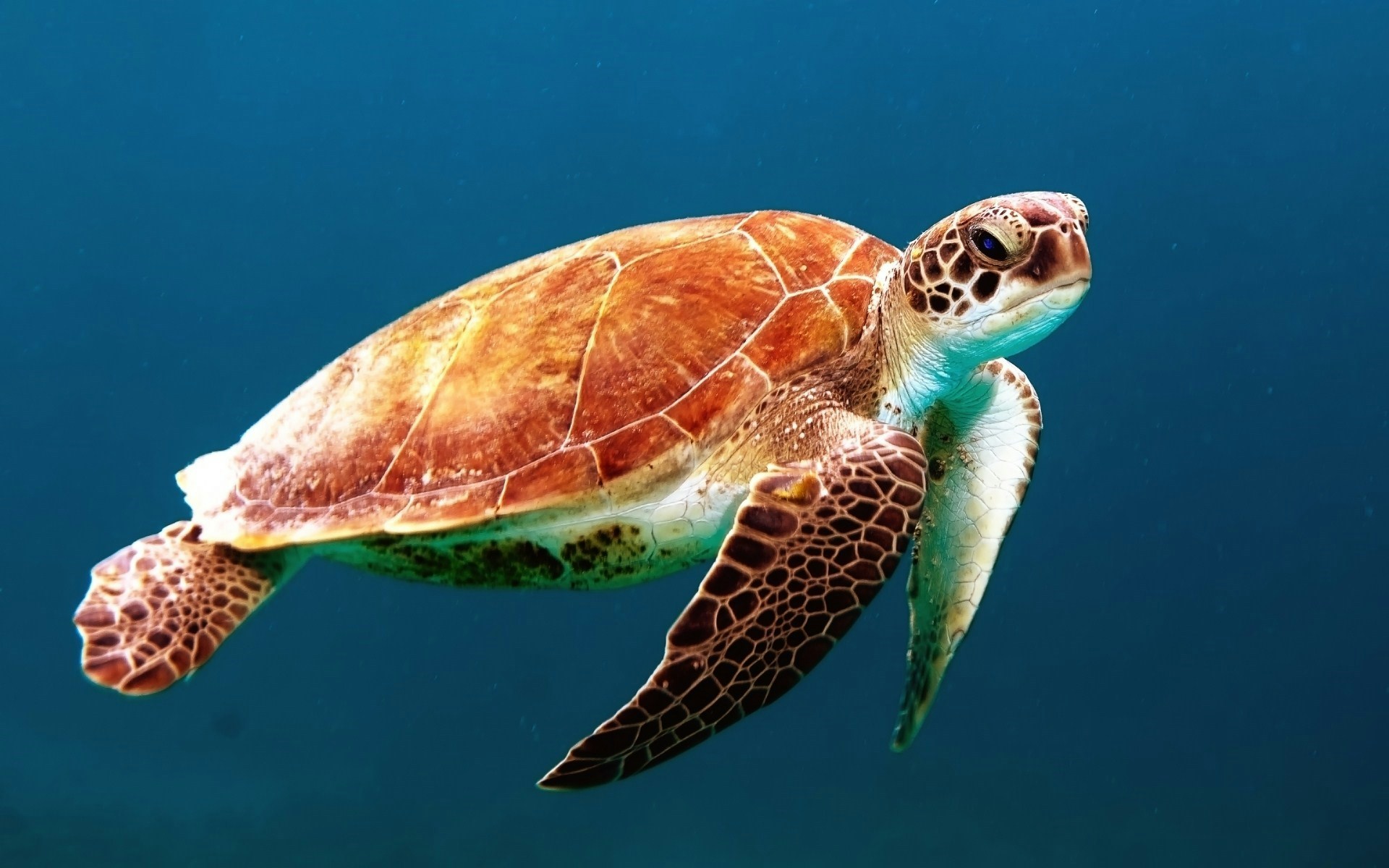
Which sea turtles live in Yucatán?
Five species regularly occur around the Yucatán Peninsula.
Green Sea Turtle (Chelonia mydas)
The most frequently encountered species around Yucatán.
Adults feed on seagrass beds found throughout the Gulf coast and can often be spotted by divers and snorkelers around reefs.
Status: Endangered.
Hawksbill Turtle (Eretmochelys imbricata)
Perhaps the most important turtle for Yucatán.
The peninsula supports one of the Caribbean's largest remaining Hawksbill nesting populations, making the region internationally significant for conservation.
They are easily recognised by their beautifully patterned shell and narrow beak.
Status: Critically Endangered.
 Hawksbill sea turtle
Loggerhead Turtle (Caretta caretta)
Less common than Hawksbills but still nests on parts of the peninsula.
These large turtles travel enormous distances across the Atlantic before returning to nest.
Status: Vulnerable.
Kemp's Ridley Turtle (Lepidochelys kempii)
The world's rarest sea turtle.
Although most nesting occurs further north in Tamaulipas, individuals regularly forage along the northern Yucatán coast.
Seeing one is uncommon but possible.
Status: Critically Endangered.
Leatherback Turtle (Dermochelys coriacea)
The largest turtle on Earth.
Leatherbacks occasionally visit offshore waters around the peninsula but rarely nest on the northern Yucatán coast.
Status: Vulnerable.
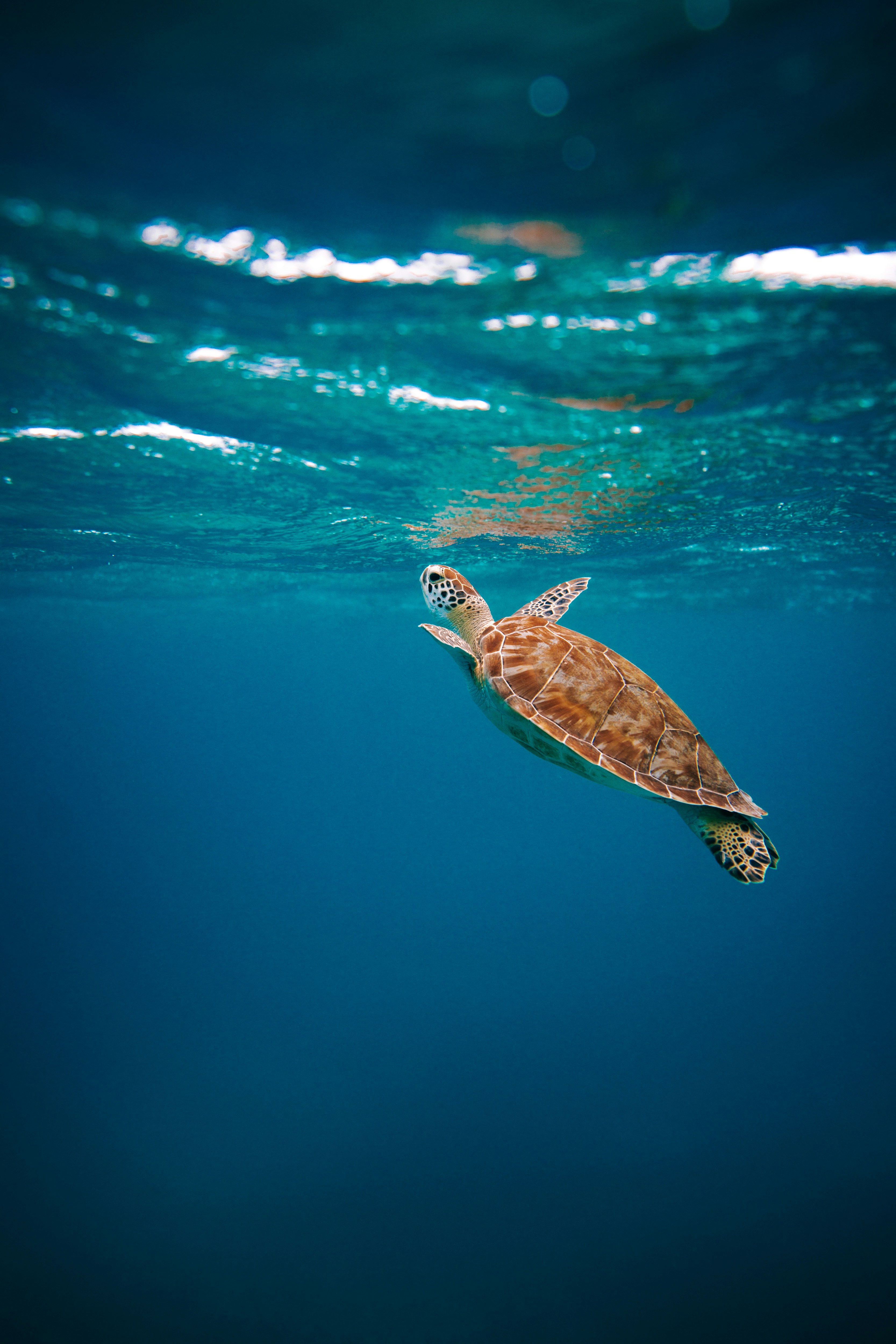
When is turtle nesting season?
Generally:
| Activity | Typical season |
|---|---|
| Adults begin arriving | April–May |
| Peak nesting | June–August |
| Hatchlings emerge | July–October |
| Late nests | October–November |
Weather varies every year, so exact dates change slightly.
If seeing nesting turtles is your main goal, July and August usually offer the greatest opportunity.
If you hope to witness hatchlings reaching the sea, August and September are often excellent months.
Best places to see sea turtles in Yucatán
El Cuyo
One of the peninsula's best-known nesting beaches.
The long, relatively undeveloped shoreline provides excellent habitat, and local conservation volunteers monitor nests throughout the season.
This is one of the easiest places to join a guided turtle release if one is taking place.
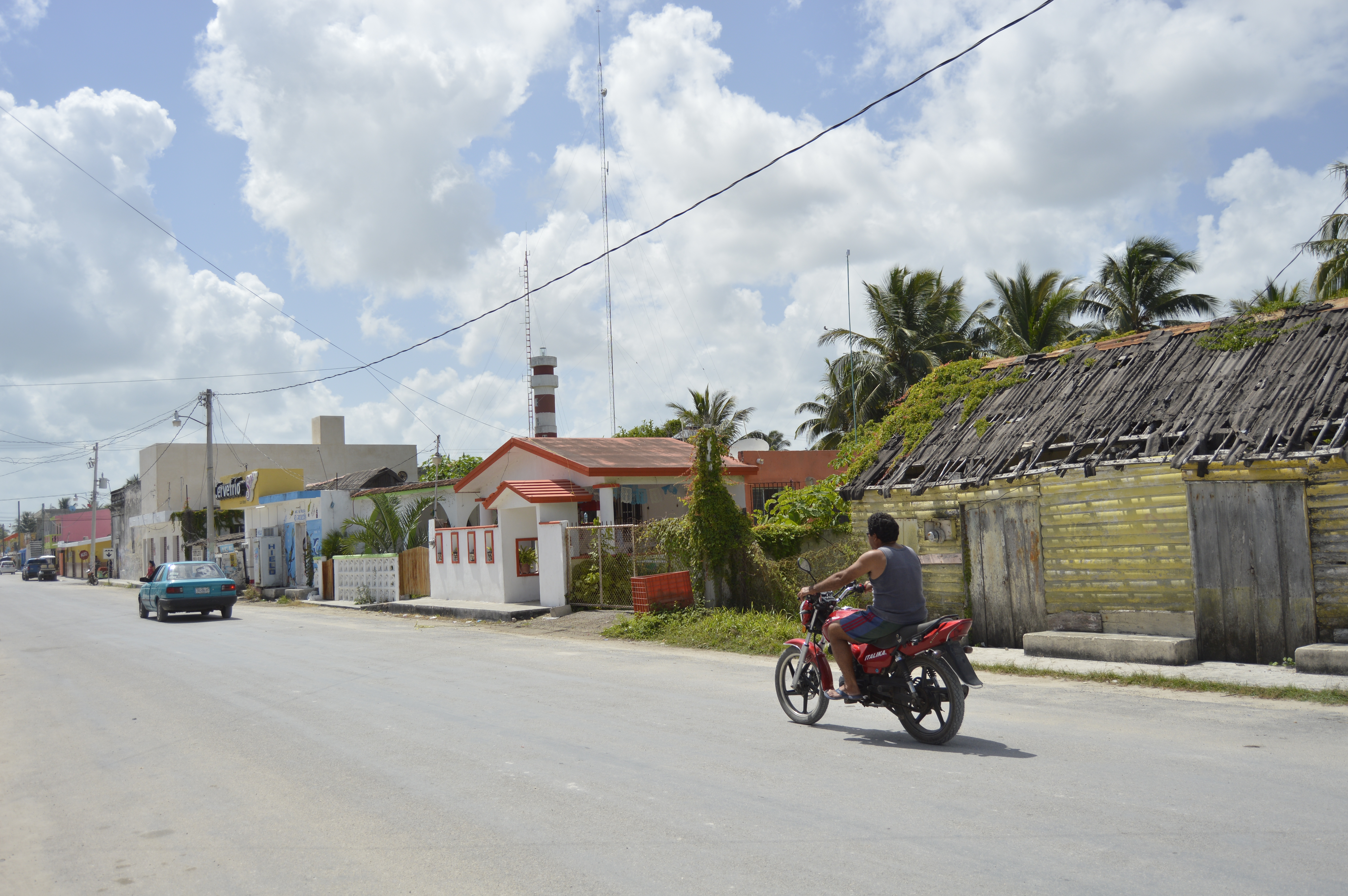 El cuyo, Yucatán

Río Lagartos
Better known for flamingos and crocodiles, Río Lagartos also plays an important role in turtle conservation.
Visiting here allows you to combine several wildlife experiences in one day.
Many travelers visit Las Coloradas in the morning before heading to Río Lagartos for wildlife tours.
GuideRío Lagartos Travel Guide: Flamingos, Boat Tours, Las Coloradas and Where to StayRío Lagartos is a tranquil fishing town on Yucatán’s north coast that serves as the main gateway to the Ría Lagartos Biosphere Reserve, a UNESCO‑recognized wetland famous for flamingo colonies, mangrove estuaries and crocodiles. There is no entry fee to the town; reserve access is usually included in boat tours, though some operators charge a small conservation fee of about 54 MXN on site. Shared or small‑group wildlife and Las Coloradas boat tours cost roughly $70–$95 USD per person, while private boats are priced per vessel for 2–4 hours. Boat tours run from 6:00 to 17:00 for daytime wildlife viewing, with night mangrove/crocodile tours offered around 19:30–21:30 for 1.5–2 hours. Cash in pesos is essential, as ATMs are unreliable and most businesses prefer cash. From Mérida the drive is 205–230 km and takes about 2.5–3 hours via Tizimín; from Cancún it is 225–255 km, roughly 3–3.5 hours; from Valladolid it is 105 km, about 1.5–2 hours. Buses go to Tizimín, then a local bus or colectivo reaches Río Lagartos. The pink salt ponds of Las Coloradas lie 24 km away, a 20–25 minute drive. A typical day includes a 2–4 hour boat safari through mangrove channels to see flamingos, herons, spoonbills, ospreys and, with luck, crocodiles, often with a beach stop and optional Mayan‑clay mud mask. Night tours let visitors watch crocodile eyeshine and nocturnal birds. Visitors should bring cash, sun protection, insect repellent, binoculars, a dry bag and a dark swimsuit for mud baths. Keep noise low, respect nesting zones, use life jackets, and avoid drones. Mid‑day is best for the pinkest hues at Las Coloradas, while early morning and late afternoon are optimal for wildlife. The dry season (December–April) offers comfortable weather; November nortes can bring wind and rougher water, so book morning departures when possible.Open
San Felipe
A quieter fishing village east of Río Lagartos.
Several protected beaches nearby receive nesting turtles each year, and community conservation programs occasionally organise public releases.
GuideSan Felipe, Yucatán Guide: Fishing Port, Mangroves, Beaches & Río Lagartos Day TripSan Felipe is a small fishing port on Yucatán’s northeast coast, west of Río Lagartos and near the Ría Lagartos Biosphere Reserve. It is reached most easily by rental car or private driver; the drive from Mérida takes about 3 to 3.5 hours, from Valladolid 1.5 to 2 hours, and from Río Lagartos only a short hop. Public transport exists but is limited and requires careful timing. A half‑day visit covers a walk along the malecón, viewing the colorful wooden houses and having a simple seafood lunch; a full day adds a guided boat tour of the mangroves, birdwatching, beach time and possibly an overnight stay. Boat tours are not included in the town’s basic offering and must be arranged locally or in advance; they typically include navigation through mangroves, springs and quiet channels, with guidance on safety and wildlife. The town has no formal opening hours, but the best light and cooler weather are early morning and late afternoon, especially between November and March. Visitors should bring cash, a hat, sunglasses, reef‑safe sunscreen, water, a dry bag, insect repellent and light long sleeves, and follow guide instructions near wildlife areas. Expect a quiet, undeveloped coastal atmosphere, limited beach infrastructure and the need to carry out any trash. Early departure is advisable if travelling from Mérida to avoid a long, hot day.Open
Sisal
As Sisal continues developing as a tourism destination, turtle conservation remains an important part of the local ecosystem.
Nearby beaches occasionally host nesting turtles.
GuideSisal, Yucatán: Beach, Pueblo Mágico & El PalmarSis al is a quiet Pueblo Mágico beach town on the Gulf of Mexico about 53–56 km north of Mérida, known for its red‑and‑white lighthouse, colonial fort, long wooden pier and access to the Reserva Estatal El Palmar wetlands. The public beach and town are free to enter. Tour operators run mangrove, kayak or flamingo excursions from 8:00 AM to 5:00 PM, typically costing $500–$1 250 MXN per person for 2–5 hours, or $4 500 MXN per boat for longer circuits. Palapa or day‑bed rentals start around $200–$250 MXN per day. Cash in Mexican pesos is required, as many small vendors do not accept cards. Facilities include simple seafood restaurants, beach clubs with bathrooms and showers, and a few corner shops; ATMs are limited. The flat town centre and pier are accessible, and mangrove tours use small boats or kayaks with step‑in boarding. A visit of 4–6 hours covers beach time and a short mangrove tour; a full day allows a longer eco‑tour. From Mérida you can take one of two direct buses daily from Terminal Noreste, or travel via Hunucmá and change to a local bus or van; the journey takes about 55–70 minutes. Driving the Mérida‑Hunucmá road and continuing to Sisal is also possible, with free street parking near the pier. Mototaxis are available for short trips within town, and tour operators can arrange departures. Visitors can expect wide pale sand, gentle Gulf swells and a historic pier ideal for sunset photos. In the wetlands, guided boat, chalana or kayak trips reveal herons, egrets, ospreys and, in season, flamingos; night safaris may spot Morelet’s crocodiles. The lighthouse‑topped Fuerte de Santiago and the restored Ex Aduana Marítima cultural centre provide historic context, while casual seafood stalls serve ceviche and fried fish, especially on weekends. Bring cash in small bills, ID, a dry pouch for your phone, sun protection, a lightweight towel, swimwear, sandals or water shoes, and insect repellent (apply after tours). Early mornings give the best wildlife viewing, and flamingo sightings increase in cooler, drier months and spring. Book licensed guides and confirm whether rates are per person or per boat, and whether lifejackets and binoculars are included. Respect beach etiquette by packing out trash, avoiding glass, and protecting dunes, and rinse off sunscreen after mangrove swims. Nearby Hunucmá offers a market and transit hub, while Celestún, 1.5–2 hours farther north, is another flamingo destination for a separate day.Open
Celestún
Although famous for flamingos, turtles also use parts of the surrounding coastline.
Wildlife enthusiasts often combine mangrove boat tours with time on quieter beaches.
 Celestún coastline, Yucatán

Progreso and Chicxulub
Nesting is less common due to urban development but still occurs on quieter stretches outside town.
Several local organisations relocate vulnerable nests when necessary.
GuideProgreso Beach Guide: Malecón, Swimming, Food and Mérida Day TripsProgreso beach is a public Gulf‑side shoreline about 36 kilometres north of Mérida, reached by a straight highway or frequent Autoprogreso buses. The public beach has no entry fee and is best enjoyed in a 3–6‑hour window, though a full day is possible if side trips are added. By car the drive from the north side of Mérida takes 35–45 minutes and from the city centre 45–60 minutes; by bus the journey is 45–55 minutes. Parking is available on streets and in paid lots near the waterfront, while the bus terminal sits within walking distance of the Malecón. Facilities include restaurants, cafés, beach clubs, chair and umbrella rentals, restrooms, showers in some Blue‑Flag zones, convenience stores and pharmacies. Small vendors, chair rentals, taxis, tips and boat excursions usually require cash in pesos, although many restaurants accept cards. The Malecón is paved and partly ramped, making it more accessible than many Yucatán beaches. Visitors can expect a broad, sandy beach with shallow, calm water on most days, a lively promenade of eateries and vendors, and the world‑record‑long pier that can be viewed but not walked. Weekday mornings are quieter; Sundays, holidays and cruise‑ship days bring crowds. Bring swimwear, towel, sunscreen, a hat, sandals and a reusable water bottle, and be prepared for cash‑only payments at smaller stalls. For families, the nearby Museo del Meteorito offers a short indoor activity, and boat trips to El Corchito Ecological Reserve or Isla Columpios add mangrove and spring swimming if desired.Open
Can you watch turtle releases?
Yes—but only when organised by authorised conservation groups.
During nesting season, environmental organisations occasionally invite visitors to participate in supervised hatchling releases.
These are educational conservation activities rather than tourist attractions.
Attendance is usually limited.
The exact time depends entirely on when hatchlings naturally emerge.
If you're visiting during summer, ask locally or check municipal environmental departments for scheduled public releases.
Rules for watching turtles responsibly
The survival of hatchlings depends on minimizing human disturbance.
If you encounter nesting turtles:
- Never touch adult turtles.
- Never pick up hatchlings unless instructed by conservation staff.
- Do not use flash photography.
- Keep voices low.
- Stay behind guides.
- Avoid shining phone lights.
- Never stand between turtles and the sea.
- Keep dogs away from nesting beaches.
- Do not drive vehicles on beaches.
These simple actions dramatically improve hatchling survival.
Can you snorkel or dive with sea turtles?
Yes.
Around the wider Yucatán Peninsula, turtles are regularly seen while:
- snorkeling reefs
- diving offshore reefs
- visiting marine parks
- exploring seagrass beds
If you encounter one underwater:
- Maintain several metres of distance.
- Never chase it.
- Never block its path to the surface.
- Avoid touching its shell.
A calm turtle will often continue feeding naturally.
Why Yucatán matters for turtle conservation
The Yucatán Peninsula supports some of the Caribbean's most important nesting habitat.
Particularly significant is the Hawksbill Turtle population, which has declined dramatically across much of the world.
Conservation programs involve:
- local fishing communities
- universities
- volunteers
- environmental NGOs
- federal protected area managers
Each protected nest contributes to the long-term recovery of these ancient species.
Planning your visit
For most visitors, turtle watching works well as part of a larger road trip.
Good combinations include:
- Río Lagartos + Las Coloradas + turtle conservation
- El Cuyo + quiet beach weekend
- Celestún + flamingos + sunset
- Sisal + mangroves + seafood
- Progreso + northern coast exploration
A rental car provides the greatest flexibility, although some guided wildlife tours include transportation.
If wildlife photography is your main interest, plan at least two nights on the coast to improve your chances.
Is it worth making a special trip?
For wildlife lovers, absolutely.
Unlike guaranteed attractions such as archaeological sites, sea turtles remain a genuinely wild experience. Sightings can never be promised, which is part of what makes them memorable.
Families with children often find supervised hatchling releases particularly meaningful, while photographers appreciate the quieter atmosphere of Yucatán's protected beaches compared with some more heavily visited Caribbean destinations.
If your itinerary already includes Río Lagartos, El Cuyo, Sisal or Celestún during summer, checking whether local conservation activities are taking place is well worth the effort.
Need help planning a wildlife-focused trip?
If you're building an itinerary around wildlife, we can help you combine turtle nesting season with flamingos, cenotes, mangroves, Mayan sites and quieter beaches into a practical route.
For the next step, compare the Stay guides with the relevant destination guide.
More wildlife guides
You may also enjoy:
- Flamingos in Yucatán
- Crocodiles in Yucatán
- Best Wildlife Experiences in Yucatán
- Río Lagartos Travel Guide
- El Cuyo Travel Guide
- Celestún Travel Guide


