

Yucatán is not a Caribbean beach destination in the Cancun or Tulum sense. The coast is quieter, flatter, more local, and usually better for slow beach days than polished resort stays.
That is part of the appeal.
Most beaches here sit on the Gulf of Mexico. The water can be calm and pale green, the sand is soft in places, and the towns still feel like fishing communities first. You come for seafood, long lunches, simple beach clubs, flamingos, mangroves, dunes, piers, hammocks, and a slower rhythm.
The best beach for you depends on where you are staying, how much time you have, and whether you want convenience, nature, solitude, or a proper coastal escape.
This guide keeps the choices simple:
-
Sisal — best overall beach day.
-
Celestún — best beach plus flamingos and nature.
-
El Cuyo — prettiest beach-town escape.
-
San Crisanto — best quiet local option.
Quick answer: which Yucatán beach should you choose?
Choose Sisal if you want the most balanced beach day from Mérida: good sand, calm water, seafood, beach clubs, and a nicer town feel than the easiest options.
Choose Celestún if you want beach plus nature. The beach is pleasant, but the real reason to go is the biosphere reserve, flamingos, mangroves, and boat tours.
Choose El Cuyo if you want a slower coastal escape and do not mind a longer journey. It works better as an overnight stay than a rushed day trip from Mérida.
Choose Progreso if you want the easiest beach from Mérida, especially without a car. It has the most services, restaurants, public transport, and family-friendly infrastructure.
Choose San Crisanto if you want a quiet local beach and a gentle nature add-on. Its mangrove route is community-based and works well for travelers who like simple, low-key places.
Choose Chuburná Dunes if you want a more open, wild-feeling beach close to Mérida. It is better for walking, photos, and space than for a full-service beach day.
Best for most travelers: Sisal
Sisal is the best overall beach day in Yucatán for many visitors.
It is far enough from Mérida to feel like a real coastal outing, but not so far that the day becomes tiring. The beach is usually prettier and calmer than Progreso, the town is small but not empty, and there are enough places to eat without the heavy boardwalk feel of a bigger port.
Sisal works well for couples, families, first-time visitors, and travelers who want one beach day from Mérida without overcomplicating the plan.
 Beach in Sisal, Yucatán

Why go
Sisal gives you the cleanest version of a classic Yucatán beach day: arrive late morning, walk the beach, settle into a beach club or restaurant, swim if conditions are good, eat seafood, and leave before driving back in the dark.
It is not remote, but it still feels slower than Progreso.
What to know
Sisal has become more popular with day-trippers from Mérida, especially on weekends and holidays. Go on a weekday if you want a quieter visit.
The beach experience can vary with wind, tide, and weather. Do not plan the day too tightly. Go for the town, the meal, the pier, and the sea air, not only for perfect water.
How to visit from Mérida
Sisal is easiest with a rental car or private driver. The drive is usually around one hour from Mérida, depending on where you start and road conditions.
Public transport is possible but less convenient than Progreso. For most travelers with limited time, a car or driver makes the day easier.
How long to spend
Plan for a half day to a relaxed full day.
A simple rhythm is:
-
Leave Mérida after breakfast.
-
Arrive before the strongest midday heat.
-
Swim or walk first.
-
Have a long seafood lunch.
-
Leave mid-afternoon or stay for sunset if you are comfortable driving back later.
Best beach plus nature: Celestún
Celestún is not only a beach trip. It is a nature day with a beach attached. For flamingo tours, transport, and a practical Mérida day-trip plan, see the Celestún visiting guide.
The town sits on the western side of Yucatán, beside the Ría Celestún Biosphere Reserve. This is one of the best-known places in the state for flamingos, mangroves, and birdwatching. The beach is broad and relaxed, with seafood restaurants facing the water.
Celestún is best for travelers who want a full day out from Mérida and care as much about wildlife as they do about the sea.
GuideCelestún Travel Guide: Flamingos, Boat Tours, Beach & Things to DoCelestún is a working fishing town on the far western edge of Yucatán, where a wide Gulf beach meets the Ría Celestún Biosphere Reserve, famous for its flamingo habitat. The destination is about 90–110 km west of Mérida and requires roughly 1.5–2 hours each way by car; a rental car, private driver, organized tour or public bus can be used, with the bus being the cheapest but less flexible. A full‑day visit from Mérida is typical, beginning with a morning boat tour of the mangrove channels and reserve, followed by a long seafood lunch under a palapa and optional beach time. Boat tours are priced per boat rather than per person, include life jackets and usually cover flamingo viewing areas, mangrove passages and occasional stops at freshwater springs; English‑speaking guides are not guaranteed, so confirm in advance. The best flamingo season is November to February, especially December to February, though sightings vary daily. Visitors should expect a wide, soft‑sand beach with calm but sometimes murky water, a relaxed malecón with palapa restaurants, and more locals on weekends and holidays. Bring cash for small vendors, arrive early for cooler weather and better boat‑tour timing, and respect wildlife distance as flamingos are sensitive to close approaches.Open
Why go
Go to Celestún if you want to combine a boat tour, flamingos, mangroves, and lunch on the beach.
The beach itself is pleasant, but the nature is what makes the trip worth the extra distance.
What to know
Flamingo sightings depend on season, water levels, and the movement of the birds. No responsible guide should promise a perfect sighting every day.
The boat tours are exposed to sun, so bring a hat, water, sunglasses, and light long sleeves. Go earlier in the day if you want cooler weather.
Celestún is not the best option if you only want to swim for two hours and return quickly to Mérida. The drive is longer, and the day makes more sense when you include the reserve.
How to visit from Mérida
Celestún is easiest with a rental car, private driver, or organized tour. Independent travel is possible, but the timing is less flexible.
A private driver works well for families, older travelers, photographers, and anyone who wants to combine the boat tour with a slow lunch without worrying about transport.
How long to spend
Plan for a full day.
A good route is:
-
Mérida to Celestún in the morning.
-
Boat tour in the reserve.
-
Lunch on the beach.
-
Beach walk or swim.
-
Return to Mérida before dark.
Prettiest beach-town escape: El Cuyo
El Cuyo is the best choice if you want a true beach-town escape.
It is smaller, quieter, and more atmospheric than the easier beaches near Mérida. The beach is long and open, the town has a sandy-street feel, and the pace is slower. It is also known for kiteboarding, nature, and a more relaxed coastal scene.
GuideEl Cuyo Travel Guide: Beaches, Kitesurfing, Hotels and How to Get ThereEl Cuyo is a small Gulf‑side beach town at the northeastern tip of Yucatán, set on the edge of the Ría Lagartos Biosphere Reserve where flamingos, sea‑turtle nesting and reliable winds make it a quiet eco‑destination. The town and its public beach are free to enter and are open 24 hours a day. The best periods for kitesurfing are November to June, for flamingos April to September, and for turtle nesting May to October; the dry season runs December to April. By car, El Cuyo is about 2½–3½ hours from Cancún Airport and 3–4 hours from Mérida, using paved inland highways; fuel and cash should be taken before the final stretch and parking is on sand near the beach. Public transport involves an ADO or Oriente bus to Tizimín from Mérida (2½–3½ hours) followed by a colectivo/minivan to El Cuyo, or a longer Cancún‑to‑El Cuyo connection via Kantunilkín or Valladolid, taking roughly 4–5 hours total. Visitors can expect a long, natural beach backed by dunes, mangroves and pastel wooden houses, gentle Gulf swells, and steady breezes that attract kitesurfers of all levels. Amenities are modest: a few groceries, seafood shacks, a pharmacy, a clinic and one ATM that may be out of cash, so bring pesos. Wi‑Fi and mobile data are unreliable, and many places prefer cash. Tips include keeping at least 60 m from flamingo colonies, avoiding lights and touching turtles during nesting season, using reef‑safe sunscreen, carrying a flashlight, water and insect repellent, and driving cautiously on roads with speed bumps and occasional potholes. Day trips to the flamingo‑rich Ría Lagartos, the pink lakes of Las Coloradas, or the colonial town of Valladolid are popular, and several local schools offer kitesurf lessons and equipment rentals.Open
Why go
Go to El Cuyo if you want the prettiest beach-town atmosphere in Yucatán and are willing to travel farther for it.
It is good for couples, slow travelers, kiteboarders, remote workers, photographers, and people who want two or three quiet nights by the sea.
What to know
El Cuyo is not the easiest beach from Mérida. It is a long day trip and usually better as an overnight stay.
Services are simpler than in Progreso or Sisal. That is part of the charm, but it also means you should not arrive expecting a polished resort town. Bring cash, check your accommodation carefully, and do not overpack the schedule.
Wind is part of the local beach character. This is good for kiteboarding, but not always ideal for travelers who want glassy water.
How to visit from Mérida or Valladolid
El Cuyo is easier by rental car or private transfer. It can also be combined with Río Lagartos, Las Coloradas, or Valladolid as part of a larger route.
From Mérida, it is better as a one- or two-night escape. From Valladolid, it can work as a long day trip, but staying overnight is still easier.
How long to spend
Stay at least one night if you can.
Two nights is better if you want to settle in, walk the beach, eat slowly, and avoid spending most of your time in transit.
Easiest from Mérida: Progreso
Progreso is the simplest beach from Mérida.
It is close, easy, practical, and well served. If you do not have a rental car, this is usually the easiest beach to visit independently. It has restaurants, beach clubs, a long malecón, public services, and frequent transport connections.
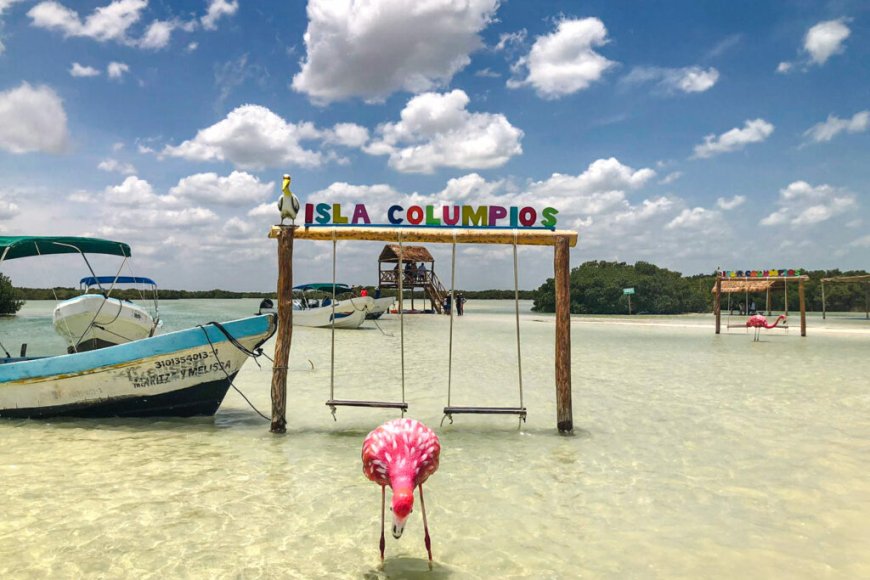
GuideProgreso Beach, Mexico: Malecón, Swimming, Food & Mérida Day TripsProgreso beach is a public Gulf‑side shoreline about 36 kilometres north of Mérida, reached by a straight highway or frequent Autoprogreso buses. The public beach has no entry fee and is best enjoyed in a 3–6‑hour window, though a full day is possible if side trips are added. By car the drive from the north side of Mérida takes 35–45 minutes and from the city centre 45–60 minutes; by bus the journey is 45–55 minutes. Parking is available on streets and in paid lots near the waterfront, while the bus terminal sits within walking distance of the Malecón. Facilities include restaurants, cafés, beach clubs, chair and umbrella rentals, restrooms, showers in some Blue‑Flag zones, convenience stores and pharmacies. Small vendors, chair rentals, taxis, tips and boat excursions usually require cash in pesos, although many restaurants accept cards. The Malecón is paved and partly ramped, making it more accessible than many Yucatán beaches. Visitors can expect a broad, sandy beach with shallow, calm water on most days, a lively promenade of eateries and vendors, and the world‑record‑long pier that can be viewed but not walked. Weekday mornings are quieter; Sundays, holidays and cruise‑ship days bring crowds. Bring swimwear, towel, sunscreen, a hat, sandals and a reusable water bottle, and be prepared for cash‑only payments at smaller stalls. For families, the nearby Museo del Meteorito offers a short indoor activity, and boat trips to El Corchito Ecological Reserve or Isla Columpios add mangrove and spring swimming if desired.Open
Why go
Go to Progreso if convenience matters.
It is the best choice for a simple half-day beach visit from Mérida, especially if you are traveling with kids, older relatives, or anyone who does not want a long drive.
It is also useful if your schedule is tight and you just want sea air, lunch, and a walk.
What to know
Progreso is not the prettiest beach in Yucatán. It is a working port town and a popular local beach, not a quiet escape.
Cruise ship days, weekends, holidays, and peak vacation periods can make the beach and restaurants feel busy. Vendors are common on the main beach. Choose a quieter stretch or a beach club if you want more space.
The main advantage is ease.
 Progreso beach and pier
How to visit from Mérida
Progreso is the easiest beach to reach without a car. You can go by bus, taxi, rideshare when available, private driver, or rental car.
Driving is straightforward and usually takes around 40 minutes from central Mérida, depending on traffic and where you start.
How long to spend
Progreso works well as a half-day.
Go late morning for a swim and lunch, or late afternoon for a walk and early dinner. If you are sensitive to heat, avoid arriving at the hottest part of the day with no shade plan.
Best quiet local option: San Crisanto
San Crisanto is for travelers who want a quieter coast and do not need many services.
It sits east of Progreso and Telchac Puerto, along the Yucatán coast. The beach is simple and local. The mangroves are the main reason to make the trip, especially if you enjoy community tourism and slow nature experiences.
Why go
Go to San Crisanto if you want a quiet beach plus a peaceful mangrove route.
The local mangrove tour is usually done in a small boat or pole boat through narrow canals.
This is a good choice for nature-focused travelers, couples, families with patient kids, and visitors who prefer small communities over busier beach towns.
What to know
San Crisanto is not a polished beach destination. Facilities are limited, English may be limited, and restaurants may be simple or seasonal.
Bring cash. Bring insect repellent for before and after the water areas, but avoid applying sunscreen or repellent immediately before swimming in natural freshwater areas. Follow local guide instructions.
This is not the best beach if you want a full-service club, cocktails, showers, loungers, and many restaurant choices.
How to visit from Mérida
San Crisanto is easiest with a rental car or private driver. It can be combined with Telchac Puerto, Xcambó, or other small coastal stops.
The drive is usually around 1 hour 15 minutes from Mérida by car, depending on the route and traffic.
How long to spend
Plan a relaxed half day or full day.
A good plan is mangroves first, then lunch and beach time. Go early if you want cooler weather and more reliable timing for the tour.
Best wild-feeling beach near Mérida: Chuburná Dunes
Chuburná is a small coastal community west of Progreso. The dunes and quieter beach areas around Chuburná feel more open and less built-up than the main Progreso waterfront.
This is the best option if you want space, sand, wind, and a more natural feeling without driving as far as Celestún or El Cuyo.
 Chuburná Puerto shoreline
Why go
Go to Chuburná Dunes if you want a quiet walk, photos, and a less organized beach day close to Mérida.
It works well for travelers with a car who are comfortable without many services directly on the sand. It is especially nice near golden hour, when the light softens and the coast feels calmer.
What to know
This is not a full-service beach destination. There may be fewer bathrooms, restaurants, rentals, and shade options depending on where you stop.
Bring water, sun protection, and anything you need for comfort. Be careful with dunes and fragile coastal vegetation. Stay on existing paths when possible and do not drive onto soft sand unless you are certain it is permitted and safe.
Swimming conditions vary. This is a better choice for walking and quiet than for travelers who need lifeguards, showers, and easy food service.
How to visit from Mérida
Chuburná is easiest by rental car or private driver. You can combine it with Progreso for lunch, Chelem for a local stop, or a sunset route along the coast.
How long to spend
Plan a half day or a late-afternoon visit.
It is not usually worth building a whole day around Chuburná unless you are staying nearby or want a very slow beach day.
Comparison table
| Beach | Best for | Easiest transport | Suggested time | Good for families? | Main drawback |
|---|---|---|---|---|---|
| Sisal | Best overall beach day | Car or driver | Half to full day | Yes | Busier on weekends |
| Celestún | Flamingos, nature, beach lunch | Car, driver, or tour | Full day | Yes | Longer day from Mérida |
| El Cuyo | Pretty beach-town escape | Car or transfer | 1–3 nights | Yes, if slow-paced | Too far for an easy day trip |
| Progreso | Easiest beach from Mérida | Bus, car, taxi, driver | Half day | Yes | Busy and less scenic |
| San Crisanto | Quiet beach and mangroves | Car or driver | Half to full day | Yes, with patient kids | Limited services |
| Chuburná Dunes | Wild-feeling coast near Mérida | Car or driver | Half day | Better for older kids | Few facilities |
Best beaches near Mérida without a car
The easiest beach near Mérida without a car is Progreso.
It has the simplest public transport, the most taxis and services, and the least complicated return journey. If you are staying in Mérida and want a beach day without renting a car, start there.
Sisal and Celestún are possible without a car, but the day requires more patience and planning. For most short-stay visitors, a private driver or small tour is more comfortable.
San Crisanto, Chuburná, and El Cuyo are much easier with your own vehicle or arranged transport.
Best beaches for families
For families, choose based on effort.
Progreso is easiest with small children because it has services, bathrooms, restaurants, and a simple route from Mérida.
Sisal is the best family beach if you have a car or driver and want a nicer overall setting.
Celestún is good for curious kids who enjoy boats and wildlife, but the day is longer.
San Crisanto can be lovely for families who like quiet places and nature, but it is less convenient if you need lots of facilities.
El Cuyo is better for families staying overnight, not families trying to do everything in one day.
Best beaches for couples
For couples, Sisal and El Cuyo are the strongest choices.
Sisal works well for an easy romantic day trip from Mérida: beach, lunch, pier, and sunset if you stay later.
El Cuyo is better for a slow overnight escape. It is quieter, more atmospheric, and better suited to travelers who want to disconnect.
Celestún is a good couple’s day trip if you prefer nature over beach clubs.
Best beaches for nature
For nature, choose Celestún first.
The biosphere reserve, flamingos, mangroves, and birdlife make it the most complete nature-focused beach trip in Yucatán.
Choose San Crisanto second for a quieter, community-based mangrove experience.
Choose El Cuyo if you want beach, wind, birds, and nearby lagoon landscapes as part of a longer coastal stay.
Best beaches for food
For a simple seafood day, Progreso, Sisal, and Celestún are the easiest choices.
Progreso has the most options. Sisal feels more relaxed. Celestún is especially good when paired with the boat tour and a slow lunch by the water.
Expect local seafood, fried fish, ceviche, octopus, shrimp, cold drinks, and casual service. Bring cash, especially outside Progreso.
When to go to Yucatán beaches
Yucatán beaches are warm most of the year, but the experience changes with season, wind, holidays, and heat.
The most comfortable months are often from November to March, when temperatures are milder.
April and May can be very hot. Beach days still work, but shade and hydration matter.
June to October is wetter and more humid, with a higher chance of storms. This does not mean you cannot go, but you should keep plans flexible.
Weekends and Mexican holiday periods are much busier, especially in Progreso and Sisal. Go on a weekday if you want a quieter day.
What about seaweed?
Yucatán’s Gulf beaches are generally less affected by the heavy sargassum problems associated with parts of the Caribbean coast, especially Quintana Roo.
That said, no beach is perfectly predictable. Wind, currents, storms, and seasonal changes can bring seaweed, cloudy water, or debris on any given day.
If clear turquoise water is the main reason for your trip, check recent local photos before committing to a long drive. If your goal is a good coastal day with seafood, walking, and a swim if conditions are right, Yucatán beaches are easier to enjoy.
Should you rent a car, book a driver, or take a tour?
Rent a car if you want flexibility and plan to visit Sisal, Celestún, San Crisanto, Chuburná, or El Cuyo at your own pace.
Book a private driver if you want an easier day without navigating, parking, or timing the return. This is especially useful for Celestún, San Crisanto, and family beach days.
Take a tour if you want Celestún’s flamingos or a guided nature experience without arranging the boat yourself.
Use public transport if you are going to Progreso and want the simplest budget option.
For the next step, compare the Stay guides with the relevant destination guide.
Simple beach itineraries from Mérida
Easy half-day beach
Go to Progreso.
Leave Mérida late morning, walk the malecón, swim if conditions are good, have lunch, and return mid-afternoon.
This is the best plan if you are short on time.
Better full beach day
Go to Sisal.
Leave after breakfast, arrive before midday, spend time on the beach, have a long lunch, walk the pier, and return before dark.
This is the best general beach day for many Mérida travelers.
Nature and beach day
Go to Celestún.
Leave early, take the boat tour, have seafood on the beach, then return to Mérida in the afternoon.
This is easier with a rental car, private driver, or organized tour.
Quiet coast day
Go to San Crisanto.
Do the mangrove tour first, then beach and lunch. Keep expectations simple and bring cash.
This works best for travelers who enjoy quiet places.
Slow coastal escape
Go to El Cuyo.
Stay one or two nights. Do not rush it as a day trip unless you are already nearby.
Final recommendation
For most travelers staying in Mérida, the best Yucatán beach is Sisal. It offers the best balance of beauty, distance, food, and ease.
If you want the easiest beach, choose Progreso.
If you want nature, choose Celestún.
If you want the prettiest slow escape, choose El Cuyo.
If you want quiet, choose San Crisanto.
If you want space and a wild-feeling coast near Mérida, choose Chuburná Dunes.
The best beach day in Yucatán is not always the most famous one. It is the one that fits your route, your energy, and the kind of coast you actually want.

