

Valladolid is one of the most useful bases in eastern Yucatán. It is close to Chichén Itzá, Ek Balam, cenotes, small towns, and the road connections between Mérida, Cancún, Tulum, and the Riviera Maya.
It is not a beach town, and it is not as large or layered as Mérida. Its strength is different. Valladolid gives travelers a manageable colonial center, good food, walkable streets, nearby swimming spots, and easier access to several of the most important inland routes in the peninsula.
For many visitors, Valladolid works best as a two-night stop between the coast and Mérida. For slower travelers, photographers, families, and people who want to explore cenotes without rushing, three nights is better.
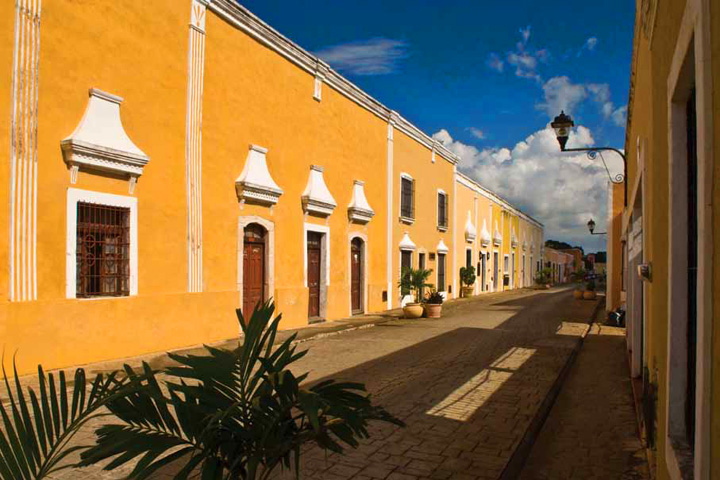 Calzada de los Frailes in Valladolid, Yucatán
Quick answer
Valladolid is worth visiting if you want a practical base for Chichén Itzá, Ek Balam, cenotes, colonial streets, and quieter Yucatán day trips.
Stay in or near the historic center if you do not have a car. Stay slightly outside the center if you want easier parking, a pool, or a more relaxed hotel setting.
A rental car makes Valladolid much easier, especially for cenotes and day trips. You can still visit without one if you are comfortable using buses, taxis, colectivos, and occasional tours.
Go early for ruins and cenotes. The heat builds quickly, and the most popular stops can feel very different by midday.
Is Valladolid worth visiting?
Yes, Valladolid is worth visiting for most Yucatán itineraries, especially if you are already planning to visit Chichén Itzá or cenotes.
It is best for travelers who want:
- A walkable colonial town
- Easier access to Chichén Itzá than from Cancún, Tulum, or Mérida
- A base for cenotes around Dzitnup, Suytun, Oxman, and nearby villages
- A calmer overnight stop between the coast and Mérida
- Food, churches, plazas, and local markets without needing a full city itinerary
It is less suitable if you mainly want beaches, nightlife, luxury resorts, or a packed urban food scene. Valladolid has good restaurants and hotels, but it is still a smaller inland city. The pace is slower, and many of the best things to do are outside the center.
GuideIs Valladolid Worth Visiting?Valladolid is a mid‑sized colonial city in eastern Yucatán State, founded in 1543 on the former Maya site of Zací, and serves as a convenient base for visiting Chichén Itzá, Ek Balam and a cluster of cenotes. The city centre is compact and walkable; the main plaza, Parque Francisco Cantón Rosado, is surrounded by cafés, the 16th‑century San Servacio Cathedral and evening vendors. A free video‑mapping show is projected onto the façade of the Convento de San Bernardino de Siena most evenings. Cenote Zací is in town, charging about 30 MXN (≈US$1.50) and open daily from 8:30 am to 5:30 pm. Other nearby cenotes such as X'kekén, Samulá and Suytun are reachable by colectivo, taxi or rental car, with taxis costing roughly 80–150 MXN per trip. A full market meal costs 60–100 MXN (US$3–6). From Mérida the drive to Valladolid is about two hours via the toll highway (≈160 km); ADO buses from Mérida’s CAME terminal take 2½ hours and cost 200–250 MXN (US$12–15). From Cancún airport the town is roughly two hours west on the same toll road. Chichén Itzá lies 45 minutes away by car or colectivo, Ek Balam about 30 minutes. The best time to visit is November to February, when temperatures are 20–28 °C and rain is scarce. Carry cash, as many small eateries and cenote entrances do not accept cards. Two nights allow you to see the city, swim a cenote and use Valladolid as a launchpad for Chichén Itzá; three nights add Ek Balam and a more relaxed pace. The town is quiet after 9 pm, making it suitable for families and travelers who prefer a slower pace over nightlife or beach resorts.Open
Where is Valladolid?
Valladolid is in eastern Yucatán, between Mérida and Cancún. It sits close to Chichén Itzá, Ek Balam, Dzitnup, Uayma, Temozón, and several cenote routes.
Approximate drive times:
| Route | Approximate time |
|---|---|
| Mérida to Valladolid | 2 to 2.5 hours |
| Cancún to Valladolid | 2 to 2.5 hours |
| Tulum to Valladolid | 1.5 to 2 hours |
| Playa del Carmen to Valladolid | 2 to 2.5 hours |
| Chichén Itzá to Valladolid | 40 to 50 minutes |
| Ek Balam to Valladolid | 30 to 40 minutes |
| Río Lagartos to Valladolid | 1.5 to 2 hours |
These times depend on route, traffic, roadworks, and how many stops you make. If you are driving from the coast, leave margin in the plan rather than treating the drive as exact.
How many days do you need in Valladolid?
One day is enough for a quick look at the center and one nearby cenote, but it is rushed.
Two nights is the best simple answer for most travelers. This gives you one full day for Chichén Itzá or Ek Balam, plus time in the evening for the plaza, Calzada de los Frailes, and dinner.
Three nights is better if you want to visit several cenotes, move slowly, or use Valladolid as a base for Río Lagartos, Las Coloradas, Uayma, or Cobá.
| Time available | Best use |
|---|---|
| Half day | Main square, San Servacio, Calzada de los Frailes, dinner |
| 1 full day | Valladolid center plus one cenote |
| 2 days / 1 night | Chichén Itzá early, Valladolid evening, cenote next morning |
| 3 days / 2 nights | Chichén Itzá, Ek Balam, cenotes, town time |
| 4 days / 3 nights | Add Río Lagartos, Uayma, Temozón, or Cobá |
Best time to visit Valladolid
The most comfortable months are usually from November to March. Days are still warm, but the heat is easier to manage.
April and May can be very hot. This is not a reason to avoid Valladolid, but you should plan your day carefully. Start early, rest during the hottest hours, and choose a hotel with a pool if you are staying overnight.
June to October is greener and can be good for cenotes, but expect more humidity and possible rain. Afternoon showers are common in the rainy season, so plan ruins and longer drives early in the day.
December, Easter week, long weekends, and school holidays can bring higher hotel demand and more visitors at Chichén Itzá and the popular cenotes.
 Fountain in Parque Francisco Cantón Rosado in Valladolid
Where to stay in Valladolid
For a first visit, stay near the historic center. You will be able to walk to the plaza, restaurants, cafés, shops, churches, and evening activity.
Good areas to consider:
| Area | Best for | Notes |
|---|---|---|
| Historic center | First-time visitors, short stays, no car | Most convenient for walking |
| Calzada de los Frailes | Couples, boutique hotels, photography | Pretty area, good for evenings |
| Around San Bernardino | Quieter stays, convent access | Still walkable, calmer at night |
| Edges of town | Families, drivers, pools, parking | Better if you have a car |
| Nearby countryside hotels | Slow trips, romantic stays, retreat feel | Less convenient without transport |
If you are driving, check parking before booking. Some central hotels have limited parking or rely on nearby street spaces.
If you are visiting in hot months, a pool can change the trip. Valladolid is an inland city, and a midday swim is often more useful than another hour walking in the heat.
How to get to Valladolid
Valladolid is one of the easier Yucatán towns to reach because it sits between major routes.
By rental car
A rental car is the easiest option if you want to visit cenotes, Ek Balam, Uayma, Temozón, Río Lagartos, or several stops in one day.
Driving gives you the most flexibility, especially early in the morning. It also lets you avoid waiting for colectivos or negotiating multiple taxi rides.
Use paid parking when it makes sense, do not leave luggage visible in the car, and drive carefully near villages, speed bumps, and narrow streets.
By ADO bus
ADO and other bus services connect Valladolid with major cities in the region. This is a good option if you are traveling between Mérida, Cancún, Playa del Carmen, or Tulum and do not want to rent a car.
The bus station is central enough for many travelers to walk or take a short taxi to their hotel.
Bus travel works well if you plan to stay in Valladolid itself. It becomes less convenient if your main goal is to visit several cenotes in one day.
By Tren Maya
Valladolid is part of the Tren Maya network. The station is outside the historic center, so you still need a taxi, shuttle, or transfer into town.
For some routes, the train can be useful. For a tight itinerary, compare the train schedule with bus times and your hotel location before deciding.
By private driver or transfer
A private driver makes sense for families, groups, travelers with luggage, or anyone trying to connect Valladolid with Chichén Itzá, cenotes, and another destination in the same day.
This is usually more expensive than the bus, but it can save time and reduce friction. It is especially useful if you are traveling with children, older relatives, or a lot of bags.
Getting around Valladolid
The center of Valladolid is walkable. You do not need a car for the main square, San Servacio, the municipal palace, Calzada de los Frailes, San Bernardino, cafés, shops, and many restaurants.
For cenotes and ruins, you will need transport.
Your options are:
- Rental car
- Taxi
- Colectivo
- Bicycle for some nearby routes
- Scooter or moto rental if you are experienced
- Guided tour
- Private driver
Do not assume every cenote is easy to reach by public transport. Some are close on the map but awkward without a car. Ask your hotel about current taxi rates and return arrangements before leaving town.
GuideGetting Around Yucatán State: Complete Transport Guide for Mérida, Valladolid, Cenotes, Ruins & BeachesThe guide explains how to move around Yucatán state, whose main hubs are Mérida in the west and Valladolid in the east, with popular side‑destinations such as Progreso, Sisal, Celestún, Izamal, Uxmal, the Ruta Puuc and numerous cenote towns. For most travelers the cheapest and simplest inter‑city option is an ADO or first‑class bus; these run regularly between Mérida, Valladolid, Progreso and other towns. Public buses are also useful for short trips inside Mérida, especially the newer Va y Ven system, though they are less convenient with luggage, children or tight schedules. Taxis, Uber and DiDi operate city‑wide and are recommended for airport transfers, evening rides and trips to the bus or train stations. The airport is close to the city centre and can be reached by authorized taxi, private transfer, rideshare or, for light‑bag budget travelers, an airport bus that follows a set timetable. Renting a car in Mérida—either at the airport or in town—is advised for days when you need flexibility, such as visiting Uxmal, the Ruta Puuc, Homún or Cuzamá cenotes, Celestún, Sisal, San Crisanto or multi‑stop hacienda tours. A private driver or guided tour offers the same freedom at a higher price but removes the need to navigate traffic, topes and rural roads. Walking is practical only in central Mérida’s historic districts; sidewalks can be uneven and midday heat is intense from March through September, so early‑morning or evening walks are best. Overall the recommendation is to match the transport mode to the day’s agenda: buses for town‑to‑town moves, a car or driver for scattered rural attractions, and taxis or rideshare for short urban trips.Open
Best things to do in Valladolid
Valladolid is not a place where you need to rush from attraction to attraction. The town works best when you mix a few key sights with time to walk, eat, swim, and rest.
Walk around the main square
The main square is the easiest place to begin. It gives you the shape of the city: church, park, municipal buildings, benches, food carts, local families, and visitors passing through.
Go in the morning for a calmer walk, or in the evening when the heat softens and the plaza becomes more social.
Visit Iglesia de San Servacio
Iglesia de San Servacio stands on the south side of the main square and is one of Valladolid’s main landmarks.
It is worth visiting even if you are not spending much time in the city. The church gives the center its orientation and is part of the daily rhythm of the plaza.
Dress respectfully if entering. Avoid treating active churches like photo sets, especially during Mass or local services.
See the Palacio Municipal
The municipal palace is on the main square and is worth a short stop for its upper balcony and murals.
This is not a long museum visit. Think of it as a useful cultural stop while you are already in the center.
If the balcony is open, it can give you one of the better views over the square.
Walk Calzada de los Frailes
Calzada de los Frailes is one of the most photographed streets in Valladolid. It connects the center toward the San Bernardino area and has colorful facades, small shops, cafés, restaurants, and boutique hotels.
It is prettiest in the softer light of morning or late afternoon. Midday can be harsh and hot.
The street is tourist-facing, so prices can be higher than in more local parts of town. It is still worth walking, especially if this is your first time in Valladolid.
Visit the Convent of San Bernardino de Siena
The Convent of San Bernardino de Siena is one of Valladolid’s most important historic sites. It sits west of the center, at the end of Calzada de los Frailes.
The building is solid, quiet, and imposing. It is a good place to understand Valladolid beyond the main square.
Go in the morning or late afternoon. The open areas around the convent can be hot during the middle of the day.
If you are staying overnight, ask locally whether any evening light or cultural presentation is running during your visit. Schedules can change.
 Convent of San Bernardino de Siena in Valladolid
Swim at Cenote Zací
Cenote Zací is one of Valladolid’s easiest cenotes because it is close to the center. You can often reach it on foot or by a short taxi ride, depending on where you are staying.
This makes it useful for travelers without a car, families who want a simple swim, or anyone who has limited time.
It is not the only cenote near Valladolid, and it may not be the quietest. Its advantage is convenience.
Bring a towel, cash, sandals with grip, and dry clothes. As with all cenotes, avoid sunscreen before entering the water unless the site specifically allows reef-safe products. Shower when required.
 Cenote Zací in Valladolid

Visit the local market
The local market is useful for breakfast, fruit, snacks, and a more ordinary look at the city.
Go early. Markets are better in the morning, before the heat builds and before many stalls start closing.
This is a good place to try simple local food without turning the meal into a long restaurant stop.
Bring cash in small bills.
Try Yucatecan food
Valladolid is a good place to try eastern Yucatán cooking. Look for dishes such as lomitos de Valladolid, longaniza from nearby Temozón, cochinita pibil, papadzules, salbutes, panuchos, relleno negro, and sopa de lima.
For a short stay, choose one traditional restaurant near the center and one more casual local meal.
If you are sensitive to heat or heavy food, do not plan a large lunch right before a cenote or long drive. Eat earlier, rest, and swim later.
Visit Xkopek or a bee-focused experience
Valladolid has access to melipona bee and honey experiences, including places that teach visitors about native stingless bees.
This works well for families, nature-focused travelers, and people who want something quieter than another cenote.
It is also a good rainy-season activity if the weather interrupts a swimming plan.
Check current opening days before going, as smaller sites may change hours or require reservations.
Best cenotes near Valladolid
Valladolid is one of the best bases in Yucatán for cenotes. The challenge is not finding one. The challenge is choosing the right ones for your time, transport, and comfort level.
Some cenotes are easy and developed. Others feel more rural and need a car or driver. Some are popular because of photos, but not always the best for a relaxed swim.
Go early if you want cooler weather and fewer people.
 Cenote Suytun
Cenote Zací
Best for convenience.
Zací is the easiest choice if you are staying in Valladolid without a car. It is close to the center and works well as a short swim rather than a full excursion.
Choose it if you want a simple cenote experience inside town. Do not choose it if you want a remote, quiet, countryside feeling.
GuideCenote Zací Guide: How to Visit Valladolid’s In-Town CenoteCenote Zací is an urban, semi‑open limestone cenote located in central Valladolid, about an 8–12‑minute walk east of the main plaza on Calle 36 between Calles 37 and 39. It is open during daylight hours, typically from around 9:00 am to 5:00 pm, though visitors should confirm the exact times on the day of travel. Admission costs MXN 150 for adults and MXN 75 for children; cash in pesos is recommended as card acceptance may vary. No car is needed if you are staying in Valladolid, and the walk from the plaza is flat though sidewalks can be uneven; from Mérida the drive takes roughly two hours, making the cenote best combined with other Valladolid attractions. A visit usually lasts between 45 minutes and two hours and includes access to the pool, the stone steps and pathways, and the on‑site restaurant area. Swimming is allowed, but the water is deep, so confident swimmers, life jackets for children, and careful supervision are advised. Bring a swimsuit, towel, sandals or water shoes with grip, and a dry bag for valuables; avoid sunscreen, oils or glass bottles in the water. Expect a busy, managed environment with slippery stone surfaces, and plan for cooler mornings or late afternoons to avoid heat and crowds. The cenote pairs well with nearby sites such as the main plaza, San Servacio Church, Mercado Municipal and Calzada de los Frailes, making it a convenient stop in a day exploring Valladolid.OpenCenote Suytun
Best for photography.
Suytun is known for its stone platform and light beam effect. It is one of the most photographed cenotes near Valladolid.
It can be beautiful, but it is also one of the places where expectations need managing. Many people go for the photo rather than the swim, and it can feel staged when busy.
Go early, be patient, and do not build your whole day around one photo.
Cenote Oxman
Best for a hacienda-style swim.
Oxman is a popular choice because it combines a cenote with a hacienda setting and usually feels like more of a relaxed half-day stop.
It works well for couples, groups, and travelers who want to swim and linger. It is easier with a rental car or taxi arrangement.
GuideCenote Oxman Guide: Hacienda Cenote Near ValladolidCenote Oxman, also called Cenote San Lorenzo Oxman, is an open‑air sinkhole set on the grounds of Hacienda San Lorenzo Oxman just outside Valladolid in the Yucatán. The cenote is generally open daily from about 7:00 am to 5:00 pm, though hours may change for maintenance, private events, weather or holidays, so checking the current listing is advised. Entrance costs roughly 200–400 MXN per adult, with the exact price depending on whether you choose the basic cenote entry or a package that adds pool use or restaurant credit; children pay a lower rate. Cash in small pesos bills is recommended because card acceptance can vary. From Valladolid centre the site is a 10–15 minute drive; you can reach it by taxi, rental car, scooter, bicycle, private driver or as part of an organized tour. Driving times from other major points are 45–55 minutes from Chichén Itzá, 35–45 minutes from Ek Balam, about 2 hours from Mérida or Cancún, and 1.5–2 hours from Tulum. A typical visit lasts 1.5–3 hours, depending on whether you stay only to swim or also use the pool, restaurant and changing facilities. Visitors should expect a deep, cool pool with hanging roots, platforms and a rope swing that makes the water lively and noisy when groups arrive. Arriving early, before larger day tours, gives calmer water, better light for photos and less waiting for the swing. The stairs down to the water are moderate and can be wet, so they are not ideal for limited mobility; bring swimwear, towels, sandals or water shoes, sunscreen for before and after swimming, a waterproof phone pouch and cash in pesos. Life jackets may be required for weaker swimmers, and children need close supervision. The hacienda provides bathrooms, changing areas, a restaurant/bar and, depending on the ticket, pool access. For families, the pool offers a safer alternative to the deep cenote, while older children often enjoy the rope swing. Early morning is the best time for photography, especially from the staircase and rim platforms. Combining Oxman with a Valladolid cultural walk, nearby cenotes such as Suytun, or ruins like Chichén Itzá makes for a convenient half‑day itinerary.Open
Cenote Xkeken and Cenote Samulá
Best for classic cave cenotes near Dzitnup.
These two cenotes are close to each other and often visited together. They are enclosed cave cenotes, with dramatic rock formations and blue water.
They are a good choice if you want the classic underground cenote feeling near Valladolid.
The steps can be damp, so wear shoes with grip and move carefully.
 Cenote Xkeken
 Beautiful Cenote Samulá in Valladolid, Mexico

Cenote Palomitas and Cenote Agua Dulce
Best for a quieter countryside cenote day.
These cenotes are farther from Valladolid and usually make more sense with a car or driver. They can be a better choice if you have already visited the more famous cenotes and want something less central.
Because they are farther out, check conditions before going. Rural cenote operations can change access, pricing, and facilities.
GuideBest Cenotes Near Valladolid: Practical Guide to Swimming, Photos & Day TripsCenote Suytun is a closed‑cave pool about 10–15 minutes from the centre of Valladolid, famous for its photogenic platform and shaft of light. It opens early in the morning; entry fees are not listed, and prices may vary, so check online before you go. The site is reachable by taxi, rental car, scooter or private driver and a typical visit lasts 45–90 minutes. Arrive early for cooler weather and fewer people, shower before entering, and bring cash, a towel and water shoes; sunscreen or repellent should be avoided in the water. Cenote Oxman, also 10–15 minutes from town at Hacienda San Lorenzo Oxman, offers an open pool, rope swing, restaurant and changing facilities, making it suitable for swimming and a half‑day stop. Fees and opening hours are not fixed in the article; life jackets are often required. Access is easiest by taxi or car, and a visit including a meal or pool time takes 2–3 hours. Wear shoes with good grip for the slippery stairs. Cenote Xkekén, part of the Dzitnup group, is a cave‑style cenote 10–15 minutes from Valladolid, usually paired with nearby Samulá. No specific cost or hours are given; both are reached by car or driver. Allocate 45–75 minutes for Xkekén alone or 1.5–2 hours when combined with Samulá. Bring waterproof phone protection and be prepared for dim lighting. Cenote Zací sits within Valladolid itself, a short walk from the main plaza, and is the most convenient option for travelers without transport. Its opening status changes, so verify before planning. A visit can be as brief as 30 minutes or up to 75 minutes. Overall, early arrival, cash on hand, showering before swimming and checking current fees and opening times are the main tips for a smooth cenote day near Valladolid.OpenWhich cenote should you choose?
If you only have time for one cenote, choose based on your real priority:
| Priority | Choose |
|---|---|
| No car | Cenote Zací |
| Photo | Suytun |
| Relaxed swim | Oxman |
| Cave cenote | Xkeken and Samulá |
| Quieter countryside day | Palomitas or Agua Dulce |
| Family-friendly logistics | Zací, Oxman, or a more developed cenote |
Do not try to visit too many cenotes in one day. Two is usually enough. Three can work with a car, but the day may start to feel repetitive.
Best day trips from Valladolid
Valladolid is useful because many of the best day trips in eastern Yucatán are easier from here than from Mérida or the Riviera Maya.
Chichén Itzá
Chichén Itzá is the most famous archaeological site near Valladolid and one of the main reasons travelers stay here.
From Valladolid, you can reach Chichén Itzá early, before many tour buses arrive from Cancún, Playa del Carmen, Tulum, and Mérida.
Go early if you want cooler weather and a calmer visit. Bring a hat, water, comfortable shoes, and cash. Shade is limited in some areas.
This is easier with a rental car, private driver, or early bus. A guided tour can be useful if you want historical context rather than just walking the site.
Avoid visiting late in the day if you are sensitive to heat. The site can feel exposed.
 El Castillo pyramid at Chichén Itzá
Ek Balam
Ek Balam is closer, quieter, and more compact than Chichén Itzá. It is a strong choice if you want ruins without the same scale of crowds.
It pairs well with a cenote or a stop in Temozón.
Ek Balam is easier with a rental car or private driver. Taxis can work, but agree on the return plan before you leave Valladolid.
For many travelers, Ek Balam is the more comfortable ruins visit. Chichén Itzá is more famous; Ek Balam is often easier to enjoy.
Uayma
Uayma is a small town north of Valladolid, known for its striking church with red-and-white decorative details.
This is not a full-day destination by itself. It works best as a short stop with Ek Balam, Temozón, or a countryside route.
Go for architecture, photography, and a quieter town experience.
Temozón
Temozón is known for longaniza and makes an easy food stop on routes north of Valladolid.
It combines well with Ek Balam or Uayma.
This is a practical stop rather than a polished tourist attraction. Bring cash and keep expectations simple.
GuideTemozón: Smoked Meats, Wood Shops & Ek Balam BaseTemozón is a small town a short drive north of Valladolid in the Yucatán, known for its smoked pork sausages and longaniza displayed along the main street and for a concentration of woodworking and furniture showrooms, with the Ek Balam archaeological zone and the community‑run cenotes X’canché and Hubiku only minutes away. The town itself is free to visit and the shops generally operate from 9 am to 6 pm, though hours can vary. Ek Balam is open daily 8 am–5 pm (last entry around 4 pm) and charges foreign adults about $561 MXN (INAH $100 plus a $461 state fee) and Mexican nationals about $227 MXN, with free entry for many locals on Sundays. Cenote X’canché costs roughly $170 MXN and Hubiku about $100 MXN for swimming only, with a separate buffet charge if desired. Cash in Mexican pesos is required; cards are rarely accepted at the small shops. A typical visit lasts four to six hours for the meat and furniture strip plus a cenote, or a full day if Ek Balam is added. Visitors can expect to order smoked meats by weight, eat them on‑site with tortillas and salsas, browse custom cedar and hardwood furniture, explore the climbable Maya ruins with jungle views, and then cool off in either the semi‑open X’canché (reached by a 1.5 km path) or the closed‑cavern Hubiku with its buffet. The town centre is flat but sidewalks are uneven, and the cenotes have stairs. Recommended transport is a car or frequent taxis/colectivos from Valladolid (12–14 km, 15–20 min); Ek Balam is another 14 km beyond Temozón. Bring small‑bill cash, swimwear, water shoes, sun protection and a reusable bottle; ask for mixed meat platters, confirm price per kilo, keep two receipts for Ek Balam, rinse before swimming and avoid non‑biodegradable sunscreen.Open
Río Lagartos and Las Coloradas
Río Lagartos and Las Coloradas can be visited from Valladolid, but this is a longer day.
Río Lagartos is best for boat tours, mangroves, birds, crocodile habitat, and flamingo areas depending on season and conditions. Las Coloradas is known for pink salt ponds, but access and viewing rules can change.
This route is best with a car, private driver, or organized tour. It is not ideal if you are short on time or trying to keep the day relaxed.
Leave early, take sun protection, and do not expect a beach day. This is more of a nature and landscape excursion.
GuideRío Lagartos: Complete Visiting GuideRío Lagartos is a tranquil fishing town on Yucatán’s north coast that serves as the main gateway to the Ría Lagartos Biosphere Reserve, a UNESCO‑recognized wetland famous for flamingo colonies, mangrove estuaries and crocodiles. There is no entry fee to the town; reserve access is usually included in boat tours, though some operators charge a small conservation fee of about 54 MXN on site. Shared or small‑group wildlife and Las Coloradas boat tours cost roughly $70–$95 USD per person, while private boats are priced per vessel for 2–4 hours. Boat tours run from 6:00 to 17:00 for daytime wildlife viewing, with night mangrove/crocodile tours offered around 19:30–21:30 for 1.5–2 hours. Cash in pesos is essential, as ATMs are unreliable and most businesses prefer cash. From Mérida the drive is 205–230 km and takes about 2.5–3 hours via Tizimín; from Cancún it is 225–255 km, roughly 3–3.5 hours; from Valladolid it is 105 km, about 1.5–2 hours. Buses go to Tizimín, then a local bus or colectivo reaches Río Lagartos. The pink salt ponds of Las Coloradas lie 24 km away, a 20–25 minute drive. A typical day includes a 2–4 hour boat safari through mangrove channels to see flamingos, herons, spoonbills, ospreys and, with luck, crocodiles, often with a beach stop and optional Mayan‑clay mud mask. Night tours let visitors watch crocodile eyeshine and nocturnal birds. Visitors should bring cash, sun protection, insect repellent, binoculars, a dry bag and a dark swimsuit for mud baths. Keep noise low, respect nesting zones, use life jackets, and avoid drones. Mid‑day is best for the pinkest hues at Las Coloradas, while early morning and late afternoon are optimal for wildlife. The dry season (December–April) offers comfortable weather; November nortes can bring wind and rougher water, so book morning departures when possible.Open
Cobá
Cobá is across the state line in Quintana Roo and can be visited from Valladolid, especially if you are heading toward Tulum.
It works best as a transfer-day stop between Valladolid and the coast.
If you are only staying in Valladolid for one or two nights, Chichén Itzá and Ek Balam usually make more sense first.
Izamal
Izamal is possible from Valladolid, but it is usually easier from Mérida.
If you are driving between Valladolid and Mérida, Izamal can work as a stop along the way. It is less efficient as a round-trip day from Valladolid unless you have extra time.
GuideIzamal: The Yellow City GuideIzamal is a small colonial town painted yellow, located east of Mérida in central Yucatán, about one hour to one hour 15 minutes by road from Mérida Centro and roughly 1½ hours from Valladolid. It is most often visited as a half‑day or full‑day day trip from Mérida, using a rental car, private driver, or the cheapest option—a bus from Mérida’s Noreste/Oriente terminals; a Tren Maya connection exists but the station is not in the main plaza. The essential sights can be covered in 4–6 hours, or a full day if you include a leisurely lunch, extra photography time and a slower pace. Entry to the Convento de San Antonio de Padua is free (donations welcome) and the Kinich Kakmó pyramid can be climbed at no charge; the cost of the visit is therefore limited to transport, meals and any optional guide or carriage hire. Visitors should expect a walkable historic centre with a wide convent atrium, the climb of Kinich Kakmó (uneven stone steps, bring proper shoes and water), and the chance to wander yellow‑washed streets, small markets and craft shops. Early morning (before 10 am) or late afternoon (after 4 pm) offers softer light for photography and cooler temperatures; midday can be very hot and the stone of the pyramid becomes scorching. Dress modestly for the convent, bring a hat for the exposed atrium, and carry cash for meals—restaurants such as Kinich and Zamná serve traditional Yucatecan dishes, while smaller loncherías are cheaper but may not accept cards. Horse‑drawn carriages are available but should be used after checking the animal’s condition. The town’s layered Maya, colonial and modern character makes it a relaxed, family‑friendly alternative to larger archaeological sites.Open
Suggested Valladolid itineraries
Use these as starting points rather than strict schedules. Heat, road timing, meal breaks, and swimming time matter.
One day in Valladolid
This works if you are passing through between Mérida and the coast.
Morning:
- Arrive in Valladolid
- Walk the main square
- Visit Iglesia de San Servacio
- See the municipal palace if open
Midday:
- Lunch near the center
- Rest during the hottest part of the day
Afternoon:
- Walk Calzada de los Frailes
- Visit San Bernardino
- Swim at Cenote Zací or choose one nearby cenote by taxi
Evening:
- Dinner in town
- Stay overnight if possible rather than driving tired
Two days in Valladolid
This is the best basic itinerary.
Day one:
- Arrive and check in
- Walk the center
- Visit Calzada de los Frailes
- See San Bernardino
- Dinner near the plaza
Day two:
- Leave early for Chichén Itzá
- Return to Valladolid for lunch or rest
- Visit a cenote in the afternoon
- Evening walk and dinner
This itinerary is simple and works well without overloading the trip.
Three days in Valladolid
This is better if you want Valladolid to feel like a base, not just a stop.
Day one:
- Arrive
- Main square
- Calzada de los Frailes
- San Bernardino
- Dinner
Day two:
- Chichén Itzá early
- Cenote after the ruins
- Rest in the afternoon
Day three:
- Ek Balam early
- Temozón or Uayma
- Optional second cenote
- Final evening in Valladolid
This is a good rhythm for families and slower travelers.
Four days in Valladolid
Add a longer nature day.
Day one:
- Valladolid center
Day two:
- Chichén Itzá and cenote
Day three:
- Ek Balam, Uayma, Temozón
Day four:
- Río Lagartos and Las Coloradas, or a quieter cenote route
This is only worth it if you are comfortable with driving or hiring a driver. Without transport, four days may feel less efficient.
Valladolid with kids
Valladolid can work well for families because the center is walkable and there are many swimming options nearby.
Choose a hotel with a pool if visiting in hot months. This makes the day easier and gives children a break between sightseeing and dinner.
Family-friendly ideas:
- Main square in the evening
- Cenote Zací for convenience
- Oxman or another developed cenote for a longer swim
- Ek Balam instead of a long, crowded ruins day
- Simple meals near the center
- Ice cream or marquesitas after dinner
Be careful with cenote steps. Many are wet, uneven, or steep. Life jackets are often available and sometimes required. Use them, especially for children.
Valladolid for couples
Valladolid works well for couples who want a quieter inland stay with good food, boutique hotels, and easy day trips.
Stay near Calzada de los Frailes or San Bernardino if you want the prettiest evening walks.
A good couples itinerary is:
- Boutique hotel with pool
- Late afternoon walk on Calzada de los Frailes
- Dinner in the center
- Early Chichén Itzá or Ek Balam visit
- Cenote swim after the ruins
- Slow final morning before leaving
For a more polished trip, use a private driver for one day so you can visit ruins, a cenote, and a food stop without managing logistics.
Valladolid for solo travelers
Valladolid is manageable for solo travelers because the center is compact and bus connections are useful.
Stay central, especially if arriving by bus. This keeps evening walks and meals simple.
Solo travelers without a car should focus on:
- The main square
- San Servacio
- Calzada de los Frailes
- San Bernardino
- Cenote Zací
- Group tours to Chichén Itzá or cenotes
- Taxi or colectivo options for Ek Balam
As always, use normal travel caution at night and avoid walking alone on quiet outer streets after dark.
Valladolid for photographers
Valladolid is good for quiet street photography, colonial details, church facades, cenotes, and day trips.
Best light is usually early morning and late afternoon.
Good photo areas:
- Main square
- Iglesia de San Servacio
- Municipal palace balcony
- Calzada de los Frailes
- San Bernardino
- Uayma church
- Cenote Suytun
- Xkeken and Samulá
- Ek Balam
Be respectful when photographing people, churches, ceremonies, markets, and private homes. Ask when appropriate.
What to eat in Valladolid
Valladolid is a good place for Yucatecan food without needing a complicated dining plan.
Look for:
- Lomitos de Valladolid
- Longaniza de Temozón
- Cochinita pibil
- Lechón
- Papadzules
- Panuchos
- Salbutes
- Sopa de lima
- Relleno negro
- Marquesitas
- Local honey
- Aguas frescas
For breakfast, try the market or a simple local café. For lunch, choose traditional food. For dinner, stay near the center if you want to walk back to your hotel.
If you are planning a cenote or ruins visit after lunch, keep the meal light. Heavy food, heat, and a long walk around ruins are not a good combination.
Do you need a rental car in Valladolid?
You do not need a rental car to enjoy Valladolid itself.
You probably do need a car, driver, or tour if your goal is to visit multiple cenotes, Ek Balam, Uayma, Temozón, Río Lagartos, or countryside stops.
| Trip style | Transport recommendation |
|---|---|
| Valladolid center only | Walk |
| One nearby cenote | Taxi or bicycle, depending on distance |
| Chichén Itzá only | Bus, tour, car, or driver |
| Ek Balam plus cenote | Car or driver |
| Several cenotes | Car or driver |
| Río Lagartos / Las Coloradas | Car, driver, or tour |
| Family trip | Car or private driver |
| Budget trip | Bus, colectivos, taxis as needed |
If you are not confident driving in Mexico, a private driver for one key day can be a good middle ground.
GuideBest Things to Do in Valladolid, YucatánValladolid is a colonial city in Yucatán State known for its history, architecture, and proximity to Maya ruins and cenotes. The city is accessible via ADO bus from Mérida, Cancún airport, and other regional destinations. Within the city, the centre is walkable, while colectivos, taxis, and rental cars are used for outlying sites. Cenote Zací costs around 150 MXN, is open daily from 9:00 to 17:00, and includes mandatory life jackets. Chichén Itzá costs approximately 614 MXN for foreigners and is open from 8:00 to 17:00. It is located 40 kilometres east of the city, a 45 minute drive by car, bus, or colectivo. Visitors can explore the Parque Francisco Cantón Rosado, the Church of San Servacio, and the cobblestone Calzada de los Frailes, which leads to the Convent of San Bernardino de Siena. At Cenote Zací, visitors should arrive in the morning to avoid crowds. For Chichén Itzá, arriving at 8:00 is recommended to beat tour buses and heat. Visitors should bring water, sunscreen, and hats, and note that professional camera equipment requires a permit. Local food highlights include cochinita pibil at the Mercado Municipal, botanas at La Joyita Cantina, and marquesitas from street vendors for 20–30 MXN. The dry season from November to April is the most comfortable time to visit.Open
Valladolid as a base vs Mérida, Tulum, or Cancún
Valladolid is not a replacement for every destination. It has a specific role.
Choose Valladolid if you want:
- Chichén Itzá early
- Ek Balam access
- Cenotes nearby
- A colonial town without a large-city feel
- A practical stop between the coast and Mérida
Choose Mérida if you want:
- More restaurants, museums, nightlife, and city culture
- Uxmal and Ruta Puuc
- Progreso and Gulf coast access
- A bigger base for a longer Yucatán stay
Choose Tulum or the Riviera Maya if you want:
- Beaches
- Caribbean water
- Resort infrastructure
- Diving and coastal cenotes
- Easier access to the southern Quintana Roo coast
Choose Cancún if you want:
- Airport convenience
- Resorts
- Isla Mujeres access
- Large-scale tourism services
Valladolid is best as a two- or three-night inland base, not as the whole trip for most travelers.
Best routes that include Valladolid
Valladolid fits naturally into several Yucatán and peninsula routes.
Mérida to Valladolid to Cancún
This is one of the most practical routes.
Suggested stops:
- Mérida
- Izamal if time allows
- Valladolid
- Chichén Itzá
- Cenote near Valladolid
- Cancún or Riviera Maya
This works well for travelers who want to avoid backtracking.
Cancún to Valladolid to Mérida
This route is useful after arriving at Cancún airport.
Suggested flow:
- Land in Cancún
- Transfer to Valladolid
- Stay two nights
- Visit Chichén Itzá and cenotes
- Continue to Mérida
This is often calmer than going straight from the airport to Mérida after a long flight.
Tulum to Valladolid to Mérida
This works well if you are leaving the coast and want to shift into inland Yucatán.
Suggested stops:
- Tulum
- Cobá if desired
- Valladolid
- Ek Balam or Chichén Itzá
- Mérida
This route gives a clear change of pace from beach to colonial town to larger cultural city.
Valladolid to Río Lagartos to Mérida
This is better for travelers with a car.
Suggested stops:
- Valladolid
- Ek Balam
- Río Lagartos
- Las Coloradas
- Tizimín or direct onward route
- Mérida
Do not rush this if you dislike long driving days.
Practical Valladolid travel tips
Bring cash. Many small restaurants, markets, taxis, parking areas, and cenotes may prefer or require cash.
Carry small bills. It makes taxis, tips, snacks, and entrance fees easier.
Start early. Ruins and cenotes are better before the heat and crowds build.
Use sun protection. Valladolid is inland and can feel very hot, especially from late morning to afternoon.
Book central accommodation if you do not have a car. This will save taxi rides and make evenings easier.
Check cenote rules. Some require showers, life jackets, or restrictions on sunscreen.
Do not overpack the day. One ruins visit plus one cenote is usually enough.
Respect churches and local spaces. Valladolid is lived-in, not just a visitor backdrop.
Watch the streets and sidewalks. Some are uneven, and curbs can be awkward.
Ask about current access. Small attractions, cenotes, light shows, and local museums can change hours or close for maintenance.
Common mistakes to avoid
The biggest mistake is trying to visit Chichén Itzá, two cenotes, Ek Balam, and Valladolid center all in one day. It is possible on paper, but it is not a pleasant day for most travelers.
Another mistake is staying outside the center without a car. A cheaper hotel can become less convenient if you need taxis for every meal and walk.
Do not choose a cenote only because of one photo online. Some famous photo cenotes are not the most relaxing places to swim.
Do not underestimate the heat. Valladolid can feel hotter than coastal destinations because there is no sea breeze.
Do not arrive at Chichén Itzá late and expect a calm visit. Go early.
When to use a tour, driver, or trip planner
Use a tour if you want history, structure, and less decision-making.
Use a private driver if you want flexibility, especially for cenotes, ruins, and small-town stops.
Use custom trip support if you are trying to connect Valladolid with Mérida, Cancún, Tulum, Chichén Itzá, cenotes, and luggage transfers without wasting a day.
For simple questions, a quick message through Yucatán Guide can help you decide whether Valladolid fits your route. For more complex trips, Human Trip Support or a custom Trip Plan can help check timing, transport, hotels, and day-trip order before you book.
Families, wedding groups, premium trips, and travelers with limited time may prefer a managed private concierge approach, especially if Valladolid is only one part of a larger Yucatán itinerary.
Valladolid FAQ
Is Valladolid safe for tourists?
Valladolid is generally considered one of the easier inland towns for travelers in Yucatán, especially around the historic center. Use normal precautions: watch your belongings, avoid leaving valuables in cars, use registered taxis or hotel-arranged transport when needed, and be sensible at night.
GuideIs Mérida Safe? A Practical Safety Guide for TravellersMérida is the capital of Yucatán State and is described as one of the safest cities in Mexico and North America. The article does not provide specific costs, opening hours, or durations, as it is a general safety guide rather than a tour description. For transport, visitors can use Uber, DiDi, city buses called Va y Ven, or the Tren Maya for regional travel to destinations like Chichén Itzá. Visitors can expect a city where walking at night is routine, particularly in the Centro Histórico, Paseo de Montejo, and the residential areas of Santa Ana and García Ginerés. The city features high public safety infrastructure, including LED street lighting and emergency alert buttons in the center. To avoid petty theft, keep valuables secure in crowded areas like Mercado Lucas de Gálvez. To avoid taxi overcharging, use rideshare apps or agree on fares before entering a street taxi. Be cautious of the shaman scam at Plaza Grande and gas station scams where pumps may not be reset. Avoid dimly lit residential side streets in South Mérida and the outskirts after dark. For health, drink only bottled or filtered water and use mosquito repellent between May and October. When eating street food, choose busy stalls frequented by locals.Open
Can you visit Valladolid as a day trip from Mérida?
Yes, but it is a long day if you also want Chichén Itzá or cenotes. It works better as an overnight stop.
If you only have one day from Mérida, choose a focused plan: Chichén Itzá plus Valladolid lunch, or Valladolid plus one cenote. Do not try to do everything.
GuideCelestún Beach Guide: Flamingos, Boat Tours & How to Visit from MéridaCelestún is a working fishing town on the far western edge of Yucatán, where a wide Gulf beach meets the Ría Celestún Biosphere Reserve, famous for its flamingo habitat. The destination is about 90–110 km west of Mérida and requires roughly 1.5–2 hours each way by car; a rental car, private driver, organized tour or public bus can be used, with the bus being the cheapest but less flexible. A full‑day visit from Mérida is typical, beginning with a morning boat tour of the mangrove channels and reserve, followed by a long seafood lunch under a palapa and optional beach time. Boat tours are priced per boat rather than per person, include life jackets and usually cover flamingo viewing areas, mangrove passages and occasional stops at freshwater springs; English‑speaking guides are not guaranteed, so confirm in advance. The best flamingo season is November to February, especially December to February, though sightings vary daily. Visitors should expect a wide, soft‑sand beach with calm but sometimes murky water, a relaxed malecón with palapa restaurants, and more locals on weekends and holidays. Bring cash for small vendors, arrive early for cooler weather and better boat‑tour timing, and respect wildlife distance as flamingos are sensitive to close approaches.Open
Can you visit Valladolid as a day trip from Cancún or Tulum?
Yes, especially from Tulum. From Cancún, it is possible but better with an early start.
If you are coming from the coast, consider staying overnight. Valladolid is more useful when you can visit ruins early and enjoy the town in the evening.
GuideCenote Suytun Guide: How to Visit from Valladolid, Best Time for Photos & Practical TipsCenote Suytun is a photographed cenote east of Valladolid on the road toward Ticuch, best reached from Valladolid Centro in about a 10–15 minute drive. It is open daily from morning until late afternoon, with the last entry before closing; visitors should verify the exact schedule, especially during holidays or private events. Entrance is paid in pesos, and ticket options may include basic entry, food packages, day passes or guided add‑ons, so bring enough cash for a higher‑than‑average fee. The site is accessed by stairs and wet stone surfaces, making it unsuitable for those with mobility concerns. A typical visit lasts 45 minutes to 1.5 hours, enough for the iconic photo, a brief swim and a quick look around. Arriving early gives cooler weather, fewer people and a calmer experience, while late morning to early afternoon improves the chance of the famous light‑beam but brings larger crowds. The circular platform that frames the photo can be partially or fully submerged depending on water level, so recent visitor photos are worth checking. Swimming is allowed but the cenote is not ideal for a long, quiet dip; life jackets may be required. Bring a swimsuit, towel, grip sandals, a dry bag, water and cash, and avoid applying sunscreen or lotion before entering. Families should keep children close, move slowly on the steps and limit the visit if the goal is a quick photo rather than an extended swim. Combining Suytun with a walk or lunch in Valladolid, or with nearby cenotes such as Zací, Xkeken or Samulá, makes for an easy half‑day itinerary.OpenIs Valladolid better than Mérida?
Neither is better for every traveler. Mérida is larger, more cultural, and better for museums, restaurants, events, and Ruta Puuc. Valladolid is smaller, easier, and better for Chichén Itzá, Ek Balam, and nearby cenotes.
Many trips work best with both.
Is Valladolid better than Tulum?
Valladolid and Tulum serve different purposes. Tulum is coastal and beach-oriented. Valladolid is inland, colonial, and better for ruins and cenotes near eastern Yucatán.
If you want beach time, choose Tulum. If you want Chichén Itzá early and a calmer inland base, choose Valladolid.
Can you visit Chichén Itzá from Valladolid without a tour?
Yes. You can go by rental car, bus, colectivo, taxi, or private driver. A guide is not required, but it can make the visit more meaningful.
If you go independently, arrive early and read basic history before you enter.
GuideValladolid to Chichén Itzá: How to Get ThereThe best ways to travel from Valladolid to Chichén Itzá — by colectivo, ADO bus, private taxi, rental car, or Tren Maya — with prices, schedules, and tips for beating the crowds.Open
How far is Valladolid from Chichén Itzá?
Chichén Itzá is roughly 40 to 50 minutes from Valladolid by car, depending on traffic and your exact starting point.
This is one of the main reasons Valladolid is a good base for visiting the site early.
How far is Valladolid from Ek Balam?
Ek Balam is roughly 30 to 40 minutes from Valladolid by car.
It pairs well with a cenote, Uayma, or Temozón.
What is the best cenote in Valladolid?
There is no single best cenote for everyone.
Choose Zací for convenience, Suytun for photos, Oxman for a relaxed swim, Xkeken and Samulá for cave cenotes, and Palomitas or Agua Dulce for a quieter countryside day.
Is Valladolid good without a car?
Yes, if you stay central and keep your plan simple.
Without a car, focus on the historic center, Calzada de los Frailes, San Bernardino, Cenote Zací, and organized transport for Chichén Itzá or cenotes.
If you want to explore widely, rent a car, hire a driver, or book tours.
Final advice
Valladolid is not the loudest destination in the peninsula, and that is part of its value. It gives you a practical base, a walkable center, good food, and access to some of the strongest inland experiences in Yucatán.
Stay two nights if you can. Go early to the ruins. Choose one or two cenotes instead of trying to collect them all. Leave time for the plaza in the evening.
Used this way, Valladolid can make a Yucatán trip feel less rushed and much easier to organize.


