

Yucatán is not only Mayan ruins, cenotes and colonial cities. It is also one of Mexico’s most rewarding wildlife regions, especially if you like birds, wetlands, mangroves, reptiles, sea turtles, cenote ecosystems and quiet forest roads.
The state is easy to travel compared with many wildlife destinations. You can base yourself in Mérida, Valladolid, Celestún, Río Lagartos or El Cuyo and still reach good nature areas without long expeditions. Some places work independently with a rental car. Others are better with a local boat captain, birding guide or private driver.
This guide is for travelers who want to understand what they can realistically see in Yucatán, where to go, when to go, and how to do it without disturbing the animals.
This guide keeps the choices simple:
- Celestún — easiest flamingo and mangrove day from Mérida.
- Río Lagartos — strongest flamingo, crocodile, and birding focus.
- El Cuyo — quiet beach plus lagoon birding.
- Cenotes — freshwater ecosystems and cave life.
- Ruins and dry forest — iguanas, motmots, and forest birds on the side.
Quick answer: what wildlife should you plan for?
Choose Celestún if you are based in Mérida and want the easiest flamingo and mangrove boat day.
Choose Río Lagartos if flamingos, crocodiles, and serious birding are the priority.
Choose El Cuyo if you want a slower beach stay with lagoon birding nearby.
Choose cenotes if you want swimming plus freshwater ecosystem context.
Choose ruins and the Puuc route if you want culture with dry-forest wildlife on the side.
Why Yucatán Is Good For Wildlife
Yucatán has a simple-looking landscape, but it supports a wide range of habitats. Much of the state is flat limestone, with very little surface river water. Instead, water moves through underground systems, cenotes, springs and coastal wetlands.
That mix creates several useful wildlife zones:
- Gulf coast beaches, lagoons and dunes
- Mangroves, estuaries and salt flats
- Wetlands used by resident and migratory birds
- Cenotes and underground freshwater systems
- Tropical dry forest
- Quiet rural roads, ranchland and old henequen country
- Protected areas around Celestún and Río Lagartos
For travelers, the practical advantage is access. You do not need to go deep into remote jungle to have a good wildlife day. From Mérida, Celestún is one of the easiest nature trips. From Valladolid, Río Lagartos and the El Cuyo area are realistic day trips, although they are better with an early start.
GuideIs Yucatán Safe? A Practical Safety Guide for TouristsIs Yucatán safe for visitors? This practical guide explains the real risks, sensible precautions, transport choices, health planning, and what to do if something goes wrong.Open
Best Animals To See In Yucatán
Wildlife sightings always depend on season, weather, time of day and luck. Yucatán is not a zoo. You will see more if you go slowly, start early and use local guides in the right places.
Still, these are some of the animals travelers most often hope to see.
Flamingos
 American flamingos in the Celestún Biosphere Reserve
Flamingos are the most iconic wildlife experience in Yucatán. They feed in shallow coastal waters and are usually seen by boat in Celestún or Río Lagartos, or from roads and lagoon edges around the northern coast and El Cuyo.
The best-known places are:
-
Celestún
-
Río Lagartos
-
Las Coloradas area
-
El Cuyo lagoon road and nearby wetlands
Celestún is especially good in the winter months, when larger concentrations are often present. Río Lagartos and the northern coast are especially important around nesting season.
For most visitors, a small boat tour is the normal way to see flamingos. The boat captain knows where the birds are feeding that day and which areas are open for responsible viewing.
Do not ask the captain to chase the flock or get too close. If the birds start walking away, stretching their necks, bunching together or flying off, the boat is too close. Good wildlife viewing is quiet and patient.
Crocodiles
Crocodiles live in coastal wetlands, mangroves, lagoons and estuary areas. Río Lagartos is one of the better-known places to see them on a boat tour.
They are not something to approach on foot. Keep distance near lagoon edges, do not swim in unknown coastal waters or mangrove channels, and avoid walking pets close to wetland edges.
A guide or boat captain is the safest way to observe crocodiles.
 Morelet’s crocodile in Yucatán wetlands
Sea Turtles
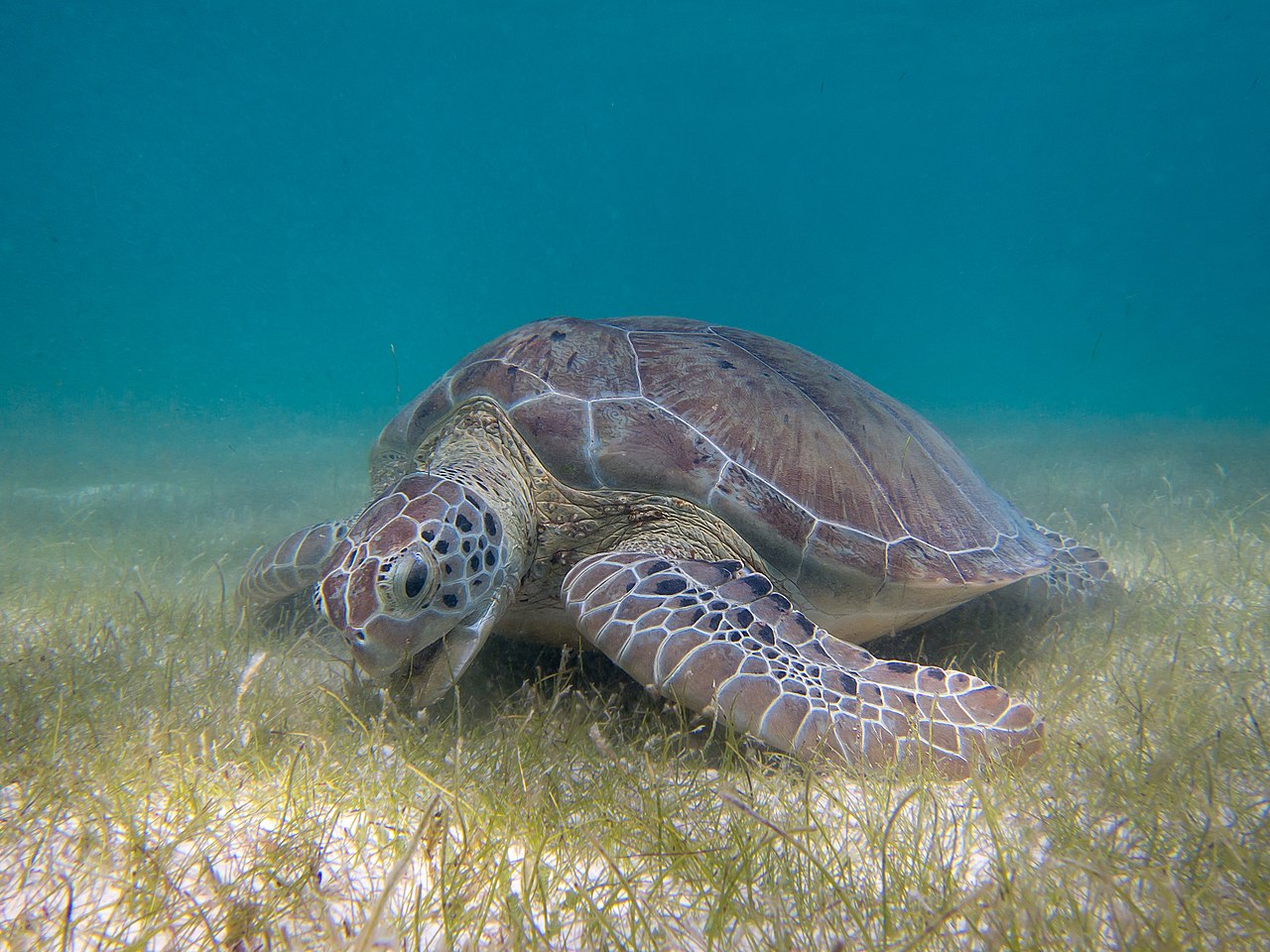 Green sea turtle grazing seagrass
Sea turtles nest on parts of the Yucatán coast, especially along quieter Gulf beaches. You are more likely to learn about turtle conservation than to casually see turtles during the day.
If you are on the coast during nesting season, follow basic rules:
-
Do not use bright lights on the beach at night.
-
Do not touch turtles, nests or hatchlings.
-
Do not drive on nesting beaches.
-
Keep dogs away from nesting zones.
-
Follow signs and local conservation staff instructions.
Turtle experiences should be conservation-led. Avoid any tour that encourages handling hatchlings for photos.
GuideSea Turtles of the Yucatán Coast: Where to See Them, Nesting Season & Responsible Wildlife GuideDiscover the sea turtles of the Yucatán Peninsula, where to see them responsibly, nesting season, conservation projects, and the best beaches for wildlife experiences.Open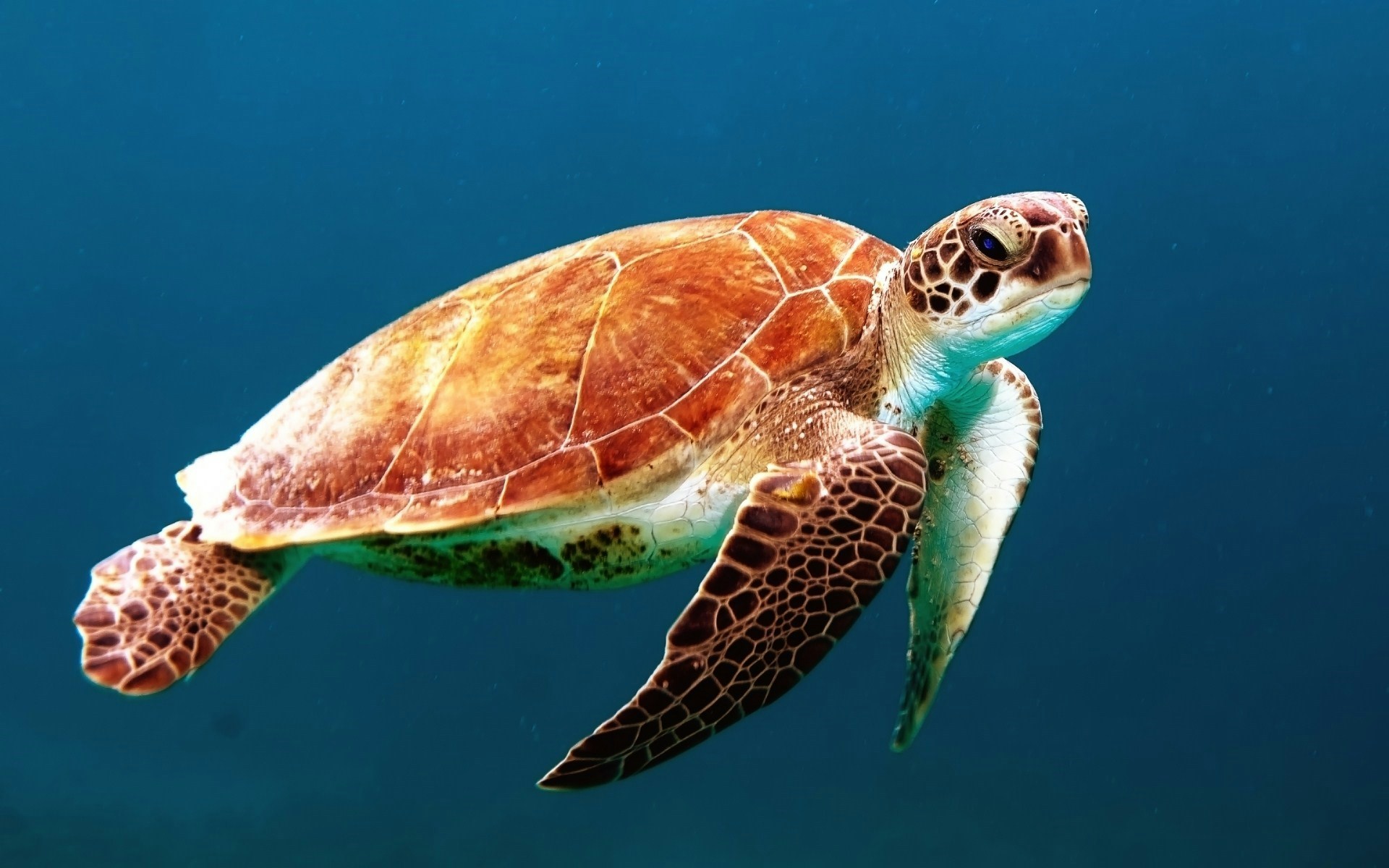
Pelicans, Herons, Egrets And Frigatebirds
 Brown pelicans, Yucatán
These are some of the easiest birds to see in Yucatán. You may spot them from fishing piers, beaches, mangrove channels, lagoons and coastal roads.
Look for:
-
Brown pelicans diving near the coast
-
Great egrets and snowy egrets in shallow water
-
Herons along mangrove edges
-
Frigatebirds floating above fishing towns
-
Cormorants drying their wings on posts
-
Ospreys near the coast in season
Celestún, Sisal, Progreso, Dzilam de Bravo, Río Lagartos and El Cuyo are all good coastal bird areas.
Toucans And Parrots
 Toucan
Toucans and parrots are possible in the wider peninsula, but they are not as easy to see on a casual city-and-beach itinerary. You need more forest, more patience and usually an early morning start.
In Yucatán State, forested areas around ruins, rural roads, old hacienda country and quieter eastern routes can produce parrots. For toucans, your chances improve in lusher parts of the wider peninsula, including areas farther south and east.
Do not expect them on every trip. Treat them as a good bonus rather than a guaranteed sighting.
Motmots
 Broad-billed motmot
The turquoise-browed motmot is one of the most beautiful birds many travelers notice in Yucatán. It has a long tail, bright colors and a calm habit of perching quietly before moving again.
You may see motmots around forest edges, archaeological sites, gardens, rural roads and cenote areas. Go early, move slowly and listen. A local birding guide can help if this bird is high on your list.
Yucatán Jays
 Adult Yucatán jay
The Yucatán jay is one of the region’s special birds. It is associated with the Yucatán Peninsula and is a rewarding species for birders visiting the area.
You are more likely to see jays in forested or semi-forested areas than in busy town centers. They can be active and vocal, especially in small groups.
Ocellated Turkeys
 Ocellated turkey
The ocellated turkey is one of the most striking birds in the Yucatán region. It is found in the Yucatán Peninsula, Belize and Guatemala, and is distinct from the wild turkey familiar to many North American travelers.
In Yucatán State, sightings are possible but not guaranteed. Your odds are better in quieter forest areas and on early starts. In the wider peninsula, places with larger protected forest can be better for this species.
Iguanas And Lizards
 Iguana in Yucatán
Iguanas and lizards are common in warm, dry areas. You may see them on stone walls, ruins, roadsides, gardens and rocky cenote edges.
Archaeological sites are often good places to spot them because the stone warms quickly in the sun. Watch where you step, keep distance and do not feed them.
Bats
Bats are part of Yucatán’s cenote and cave ecosystems. Some cenotes have visible bats, especially in cave-like chambers or quieter areas away from heavy visitor movement.
They are important for insect control, pollination and seed dispersal. Do not shine bright lights directly at roosting bats, throw anything into cave ceilings, shout in enclosed chambers or enter restricted cave areas without a proper guide.
Coatis
 White-nosed coati in Yucatán
Coatis are possible in forested and semi-forested areas of the peninsula. They are curious, social animals, but they should not be fed.
Feeding coatis creates problems. They become bolder around people, lose natural behavior and may bite or scratch when they expect food. Keep snacks packed away at ruins, cenotes and picnic stops.
Deer
Deer live in dry forest and rural areas. They are shy and usually seen early or late, often crossing quiet roads or moving along forest edges.
Drive carefully at dawn and dusk, especially on rural roads between villages, cenotes and reserves.
Armadillos
Armadillos are present but not easy to plan around. Most visitors never see one. They are more active at night or in quiet areas, so sightings are usually lucky moments rather than tour highlights.
Spider Monkeys And Howler Monkeys
Spider monkeys and howler monkeys are part of the wider Yucatán Peninsula experience, but they are not the main wildlife draw for typical Yucatán State routes.
For better monkey chances, travelers usually need to look toward lusher forest areas beyond the classic Mérida, Celestún, Valladolid and Río Lagartos circuit. This may mean extending into Campeche, Quintana Roo or deeper peninsula routes.
If monkeys are a priority, plan around that from the beginning rather than hoping to add them casually.
Jaguars
Jaguars are present in the wider peninsula and are ecologically important, but normal travelers should not expect to see one. A jaguar sighting is extremely rare, even in good habitat.
It is better to think of jaguars as a reason to respect protected areas, support good conservation work and avoid irresponsible wildlife claims. Be cautious of any tour that suggests easy jaguar sightings in Yucatán State.
Best Places To See Wildlife In Yucatán
Yucatán has several strong wildlife areas. Some are easy day trips. Others are better with an overnight stay.
Celestún
Celestún is the easiest major wildlife trip from Mérida. It is a small coastal town west of the city, known for its biosphere reserve, flamingos, mangroves, boat tours and beach restaurants. For visiting details, boat-tour timing, and a full-day plan, see the Celestún guide.
Best for:
-
Flamingos
-
Mangroves
-
Coastal birds
-
Easy nature day from Mérida
-
Families who want a straightforward boat tour
Most visitors go by rental car, private driver or organized tour. Public transport is possible but less flexible, especially if you want an early start or plan to combine the boat tour with lunch and beach time.
Allow a full day from Mérida. The boat tour usually takes a couple of hours, but the day feels better if you do not rush. Go early for cooler weather and softer light.
Celestún works well if you want wildlife without a complicated itinerary.
 Flamingos in the Ría Celestún Biosphere Reserve

Río Lagartos
Río Lagartos is one of the strongest wildlife destinations in Yucatán. It sits on the northern coast and is known for its biosphere reserve, flamingos, crocodiles, mangroves, birds and access to the Las Coloradas area.
Best for:
-
Flamingos
-
Crocodiles
-
Birdwatching
-
Photography
-
Travelers staying in Valladolid, Tizimín, El Cuyo or Río Lagartos itself
Río Lagartos is possible as a long day trip from Valladolid, but it is better with an early start. From Mérida, it is a longer day and can feel rushed unless you have a private driver or stay overnight.
A boat tour is the main activity. Choose a captain who respects distance from birds and wildlife.
 Mangroves and wildlife near Río Lagartos

El Cuyo
El Cuyo is a quiet beach town east of Río Lagartos. It is better known for its beach, wind, simple guesthouses and slower pace, but the surrounding lagoon and causeway area can be good for birdlife.
Best for:
-
Slow beach stays
-
Flamingos in the wider northern coast area
-
Birdwatching from roads and lagoon edges
-
Travelers who do not want a busy beach town
You do not need a boat for every wildlife moment here. Sometimes the best viewing is simply stopping safely near the lagoon road and watching from a distance.
El Cuyo is not the easiest day trip from Mérida. It works better as an overnight stop or as part of a Valladolid, Río Lagartos and coast route.
GuideEl Cuyo Travel Guide: Beaches, Kitesurfing, Hotels and How to Get ThereEl Cuyo is a small Gulf‑side beach town at the northeastern tip of Yucatán, set on the edge of the Ría Lagartos Biosphere Reserve where flamingos, sea‑turtle nesting and reliable winds make it a quiet eco‑destination. The town and its public beach are free to enter and are open 24 hours a day. The best periods for kitesurfing are November to June, for flamingos April to September, and for turtle nesting May to October; the dry season runs December to April. By car, El Cuyo is about 2½–3½ hours from Cancún Airport and 3–4 hours from Mérida, using paved inland highways; fuel and cash should be taken before the final stretch and parking is on sand near the beach. Public transport involves an ADO or Oriente bus to Tizimín from Mérida (2½–3½ hours) followed by a colectivo/minivan to El Cuyo, or a longer Cancún‑to‑El Cuyo connection via Kantunilkín or Valladolid, taking roughly 4–5 hours total. Visitors can expect a long, natural beach backed by dunes, mangroves and pastel wooden houses, gentle Gulf swells, and steady breezes that attract kitesurfers of all levels. Amenities are modest: a few groceries, seafood shacks, a pharmacy, a clinic and one ATM that may be out of cash, so bring pesos. Wi‑Fi and mobile data are unreliable, and many places prefer cash. Tips include keeping at least 60 m from flamingo colonies, avoiding lights and touching turtles during nesting season, using reef‑safe sunscreen, carrying a flashlight, water and insect repellent, and driving cautiously on roads with speed bumps and occasional potholes. Day trips to the flamingo‑rich Ría Lagartos, the pink lakes of Las Coloradas, or the colonial town of Valladolid are popular, and several local schools offer kitesurf lessons and equipment rentals.Open
Las Coloradas
Las Coloradas is known for its pink salt ponds, but it also sits near important wetland habitat. The area is often combined with Río Lagartos.
Best for:
-
Photography
-
Salt landscape
-
Flamingos in the wider area
-
Combining with a Río Lagartos boat tour
Do not treat the salt ponds as a free-access playground. Some areas are restricted or managed. Follow local rules, stay on permitted paths and avoid disturbing birds.
Las Coloradas is usually better as part of a guided or planned northern coast day rather than a standalone long drive.
GuideRio Lagartos & Coloradas: Safari flamingos & crocodiles plusRio Lagartos & Coloradas is a three‑hour eco‑safari in the Yucatán that takes visitors to the pink flamingo and crocodile zones, the lagoons of Las Coloradas, a beach and includes a clay‑exfoliation experience, with an educational component that lets guests interact with local wildlife. The tour is offered by GetYourGuide for $126 USD per person and lasts about three hours; the article does not specify opening hours or how to reach the site, nor does it detail any additional items such as transport or meals that might be included. Participants can expect to see large flocks of pink flamingos, observe crocodiles in their natural habitat, walk along the striking pink lagoons of Las Coloradas, relax on a nearby beach and finish with a clay‑exfoliation treatment. The experience is described as educational, allowing direct interaction with the wildlife. Because the article provides no specific logistical advice, travelers should verify transport arrangements and any timing constraints when booking, and confirm whether the price covers all activities mentioned.Open
Sisal
Sisal is a quieter Gulf Coast option west of Progreso. It has beach, mangrove and wetland surroundings, with boat and kayak experiences available depending on local operators and conditions.
Best for:
-
A quieter coast day
-
Birdlife
-
Mangroves
-
Families who want beach plus nature
-
Travelers staying in Mérida
Sisal is generally easier than Río Lagartos if you are based in Mérida and do not want a long day. It is less famous for flamingos than Celestún, but it can be a very good low-key nature and beach combination.
GuideSisal Beach, Yucatán: Pueblo Mágico, El Palmar & Day Trip GuideSis al is a quiet Pueblo Mágico beach town on the Gulf of Mexico about 53–56 km north of Mérida, known for its red‑and‑white lighthouse, colonial fort, long wooden pier and access to the Reserva Estatal El Palmar wetlands. The public beach and town are free to enter. Tour operators run mangrove, kayak or flamingo excursions from 8:00 AM to 5:00 PM, typically costing $500–$1 250 MXN per person for 2–5 hours, or $4 500 MXN per boat for longer circuits. Palapa or day‑bed rentals start around $200–$250 MXN per day. Cash in Mexican pesos is required, as many small vendors do not accept cards. Facilities include simple seafood restaurants, beach clubs with bathrooms and showers, and a few corner shops; ATMs are limited. The flat town centre and pier are accessible, and mangrove tours use small boats or kayaks with step‑in boarding. A visit of 4–6 hours covers beach time and a short mangrove tour; a full day allows a longer eco‑tour. From Mérida you can take one of two direct buses daily from Terminal Noreste, or travel via Hunucmá and change to a local bus or van; the journey takes about 55–70 minutes. Driving the Mérida‑Hunucmá road and continuing to Sisal is also possible, with free street parking near the pier. Mototaxis are available for short trips within town, and tour operators can arrange departures. Visitors can expect wide pale sand, gentle Gulf swells and a historic pier ideal for sunset photos. In the wetlands, guided boat, chalana or kayak trips reveal herons, egrets, ospreys and, in season, flamingos; night safaris may spot Morelet’s crocodiles. The lighthouse‑topped Fuerte de Santiago and the restored Ex Aduana Marítima cultural centre provide historic context, while casual seafood stalls serve ceviche and fried fish, especially on weekends. Bring cash in small bills, ID, a dry pouch for your phone, sun protection, a lightweight towel, swimwear, sandals or water shoes, and insect repellent (apply after tours). Early mornings give the best wildlife viewing, and flamingo sightings increase in cooler, drier months and spring. Book licensed guides and confirm whether rates are per person or per boat, and whether lifejackets and binoculars are included. Respect beach etiquette by packing out trash, avoiding glass, and protecting dunes, and rinse off sunscreen after mangrove swims. Nearby Hunucmá offers a market and transit hub, while Celestún, 1.5–2 hours farther north, is another flamingo destination for a separate day.Open
Progreso And The Emerald Coast
Progreso is not a wilderness destination, but the coast around it can still produce good bird sightings, especially if you explore beyond the busiest beach area.
The Emerald Coast towns and nearby wetlands can be useful for:
-
Pelicans
-
Frigatebirds
-
Herons and egrets
-
Shorebirds
-
Easy coastal birding from Mérida
This area suits travelers who want a light nature element rather than a dedicated wildlife trip.
GuideProgreso Beach, Mexico: Malecón, Swimming, Food & Mérida Day TripsProgreso beach is a public Gulf‑side shoreline about 36 kilometres north of Mérida, reached by a straight highway or frequent Autoprogreso buses. The public beach has no entry fee and is best enjoyed in a 3–6‑hour window, though a full day is possible if side trips are added. By car the drive from the north side of Mérida takes 35–45 minutes and from the city centre 45–60 minutes; by bus the journey is 45–55 minutes. Parking is available on streets and in paid lots near the waterfront, while the bus terminal sits within walking distance of the Malecón. Facilities include restaurants, cafés, beach clubs, chair and umbrella rentals, restrooms, showers in some Blue‑Flag zones, convenience stores and pharmacies. Small vendors, chair rentals, taxis, tips and boat excursions usually require cash in pesos, although many restaurants accept cards. The Malecón is paved and partly ramped, making it more accessible than many Yucatán beaches. Visitors can expect a broad, sandy beach with shallow, calm water on most days, a lively promenade of eateries and vendors, and the world‑record‑long pier that can be viewed but not walked. Weekday mornings are quieter; Sundays, holidays and cruise‑ship days bring crowds. Bring swimwear, towel, sunscreen, a hat, sandals and a reusable water bottle, and be prepared for cash‑only payments at smaller stalls. For families, the nearby Museo del Meteorito offers a short indoor activity, and boat trips to El Corchito Ecological Reserve or Isla Columpios add mangrove and spring swimming if desired.Open
Cenotes
Cenotes are not only swimming holes. They are part of a larger freshwater system, and each cenote has its own mix of fish, birds, bats, roots, insects, algae, minerals and cave life.
Best for:
-
Freshwater ecosystems
-
Bats in cave cenotes
-
Swallows and other birds near openings
-
Families who want nature plus swimming
-
Travelers combining cenotes with ruins or small towns
Choose cenotes with good local management. Shower before swimming, avoid sunscreen in the water when possible, do not touch formations, do not jump where it is not allowed, and do not leave trash.
If you want a quieter ecosystem experience, go early and avoid the most crowded mid-day hours.
 Cenote ecosystem in Yucatán
Archaeological Sites
Ruins are often surprisingly good for wildlife because they protect patches of forest and open stone areas.
You may see:
-
Iguanas and lizards
-
Motmots
-
Jays
-
Woodpeckers
-
Parrots
-
Coatis in some areas
-
Butterflies
-
Deer on quieter edges
Uxmal, Chichén Itzá, Ek Balam and smaller Ruta Puuc sites can all have wildlife moments, especially early in the day before the heat and crowds build.
Do not feed animals at ruins. It changes their behavior and creates problems for the site.
Tropical Dry Forest And Rural Roads
Much of inland Yucatán is tropical dry forest, ranchland, old henequen country and village landscape. It may look quiet at first, but it supports birds, reptiles, mammals and insects.
This habitat is best explored slowly:
-
Drive early in the morning.
-
Stop safely near forest edges.
-
Listen before walking.
-
Use binoculars.
-
Avoid loud music and fast driving.
-
Do not enter private land without permission.
A local birding guide can turn an ordinary rural route into a much richer wildlife day.
Best Wildlife Experiences By Base
Where you stay affects what kind of wildlife trip makes sense.
From Mérida
Best options:
-
Celestún for flamingos and mangroves
-
Sisal for beach, wetlands and lighter birding
-
Progreso and Emerald Coast for easy coastal birds
-
Ruta Puuc and Uxmal for dry forest and ruin wildlife
-
Cenotes near Homún or Cuzamá for freshwater ecosystems
Mérida is the best base for travelers who want comfort, restaurants and day trips. Celestún is the classic wildlife day from the city.
GuideThe Best Yucatán Road Trip Ideas: 4 Incredible Day Routes from MéridaThe article presents four full‑day road‑trip routes that all start and finish in Mérida, each combining Maya ruins, cenotes, beaches, towns or haciendas. The classic route (Uxmal + Ruta Puuc + cenote + hacienda) involves about 3.5 hours of driving between 08:00 and 19:00. Stops are Hacienda Yaxcopoil (09:00‑10:00), Uxmal archaeological zone (10:30‑13:00), a lunch break at The Lodge at Uxmal or The Pickled Onion (13:15‑14:15), an optional visit to Kabah or Labná (14:30‑15:30), and swimming at Cenote Kankirixché (16:00‑17:30) before returning to Mérida (18:30‑19:00). The wildlife‑and‑coast itinerary runs from 08:00 to 18:30 with roughly 2.5 hours of driving. It includes a boat tour of Celestún’s flamingo colonies and mangroves (09:00‑11:00), beach lunch (11:15‑13:00), a short mangrove boardwalk (13:15‑14:00) and an optional cenote stop at Cuzamá, Chaksinkín or San Antonio Mulix (15:00‑17:00). The magical‑towns route (07:00‑21:00, about 4 hours driving) covers a morning walk in Valladolid (09:30‑12:00), a cenote visit at Ik Kil or Saamal (12:00‑13:30), and an afternoon in the Yellow City of Izamal (15:30‑18:00) before heading back. The off‑the‑beaten‑path trip (08:30‑18:30, ~3 hours driving) visits two Tecoh cenotes (09:00‑11:30), the working Hacienda Sotuta de Peón (12:00‑15:00) and the quieter Hacienda San Antonio Millet (15:30‑16:30). All itineraries assume a private or rented car; some cenotes require cash (100‑250 MXN) and rural roads can be rough, so an SUV is advisable. Lunches are at local restaurants, and most stops include self‑guided exploration; the Sotuta de Peón hacienda adds a guided truck ride, fiber‑processing demos and a private cenote swim. Visitors should start early to avoid heat, carry reef‑safe sunscreen, swimwear, water and snacks, and verify opening hours for archaeological sites before departing.Open
From Valladolid
Best options:
-
Río Lagartos for flamingos, crocodiles and birds
-
Las Coloradas as a combined northern coast stop
-
El Cuyo for beach, lagoon and slower wildlife watching
-
Ek Balam and nearby cenotes for light forest and freshwater nature
Valladolid works well if you want to combine ruins, cenotes and northern coast wildlife.
GuideBest Day Tours from Valladolid: Ruins, Cenotes, Wildlife, and Small TownsCompare the most useful day trips from Valladolid, including Chichén Itzá, Ek Balam, cenotes, Río Lagartos, Las Coloradas, Izamal, and smaller Yucatán towns.Open
From Celestún
Best options:
-
Early boat tour in the reserve
-
Mangrove and birding experiences
-
Beach and sunset
-
Slower photography
-
Overnight stay for softer morning and evening light
Staying overnight makes Celestún feel less rushed. It is a good choice if flamingos and coastal quiet are important to you.
From Río Lagartos
Best options:
-
Sunrise or early morning boat tour
-
Crocodile and birdwatching routes
-
Las Coloradas
-
Northern coast photography
-
El Cuyo extension
Río Lagartos is one of the best bases for serious wildlife interest in Yucatán State.
GuideBest Río Lagartos Tours from Valladolid: Flamingos, Las Coloradas and WildlifeCompare the best ways to visit Río Lagartos from Valladolid, from a local boat trip to a full-day route with Las Coloradas, wildlife and a cenote.Open
From El Cuyo
Best options:
-
Lagoon road birding
-
Beach walks
-
Flamingo watching in the wider area
-
Slow nature days
-
Río Lagartos as a day trip
El Cuyo is better for travelers who want time, quiet and beach atmosphere. It is not the best choice if you need everything organized and quick.
Best Time Of Year For Wildlife In Yucatán
There is wildlife all year, but the experience changes by season.
November To February
This is one of the most comfortable periods for travel. Weather is usually cooler, and Celestún often has larger flamingo concentrations.
This is a good season for:
-
Flamingos in Celestún
-
Migratory birds
-
Comfortable boat tours
-
Family travel
-
Photography with less heat stress
It is also a popular travel season, so book key tours and hotels ahead during holidays.
March To June
This period can be very good for the northern coast, especially Río Lagartos and nearby areas, where flamingo nesting activity is important. It also gets hotter.
This is a good season for:
-
Río Lagartos flamingo activity
-
Early morning birding
-
Reptile sightings
-
Travelers comfortable with heat
Start early. Midday heat can be tiring, especially on exposed salt flats, ruins and coastal roads.
June To October
This is the hotter, wetter part of the year. Rain can make landscapes greener, but storms and road conditions may affect plans.
This is a good season for:
-
Greener forest
-
Fewer crowds in some places
-
Flexible travelers
-
Photography with dramatic skies
Bring insect repellent, sun protection and flexible expectations. Boat tours may be affected by weather.
Best Time Of Day For Wildlife
Early morning is usually best. Animals are more active, birds are easier to hear, and the heat is lower.
For most wildlife days, aim for:
-
Sunrise to mid-morning for birding
-
Morning boat tours for better light and comfort
-
Late afternoon for softer light
-
Midday for lunch, rest or swimming
Avoid planning your main wildlife activity at noon unless there is no other option.
Do You Need A Guide?
You do not always need a guide, but the right guide can make a big difference.
A guide is useful for:
-
Birdwatching
-
Flamingo boat tours
-
Crocodile areas
-
Mangroves
-
Night walks
-
Cenote caves
-
Family trips where safety and pacing matter
-
Photography trips where timing matters
Independent travel works for:
-
Easy coastal birding
-
Ruins with light wildlife interest
-
Cenote visits
-
Scenic roads around El Cuyo
-
Progreso and Emerald Coast stops
For Celestún and Río Lagartos, you will almost always use a boat captain or local operator to reach the best wildlife areas.
For the next step, use the Plan hub to compare itineraries, transport and practical resources already available.
Wildlife Ethics In Yucatán
Good wildlife travel is simple: keep distance, move quietly and let animals behave naturally.
Use these basic rules:
-
Do not feed wildlife.
-
Do not chase birds for photos.
-
Do not pressure boat captains to get closer.
-
Do not touch turtles, nests, bats, reptiles or wild mammals.
-
Do not use drones near birds, nesting areas or protected zones unless explicitly permitted.
-
Do not play loud bird calls repeatedly.
-
Do not leave trash or food scraps.
-
Stay on permitted paths.
-
Respect local signs and conservation staff.
For flamingos, distance matters. If the flock moves away, flushes or changes behavior, you are too close. A good photo is not worth disturbing a feeding or nesting bird.
Wildlife Photography Tips
Yucatán can be excellent for photography, but the light gets harsh quickly.
Simple tips:
-
Go early.
-
Bring a zoom lens if you have one.
-
Use binoculars even if you are not a birder.
-
Keep your camera ready on boat tours.
-
Protect gear from salt spray.
-
Bring a dry bag for boat trips.
-
Wear a hat and long sleeves.
-
Be patient.
The best wildlife photos usually come from quiet behavior, not from getting close.
Family-Friendly Wildlife Tips
Yucatán can work very well for families, especially if the day is not too long.
Good family options:
-
Celestún boat tour from Mérida
-
Sisal beach and mangrove day
-
Río Lagartos if staying nearby
-
Cenotes with good stairs, life jackets and facilities
-
Ruins early in the morning with wildlife spotting as a side activity
Avoid overloading the day. A boat tour, lunch and beach time may be enough. Long drives, midday heat and tired children can make a good wildlife day feel harder than it needs to be.
For families, a private driver or managed day plan can be worth it. It reduces waiting, helps with timing and makes it easier to adjust if the weather or energy level changes.
What To Bring
For most wildlife trips in Yucatán, pack:
-
Binoculars
-
Hat
-
Sunglasses
-
Reef-safe or low-impact sun protection
-
Long-sleeve lightweight shirt
-
Insect repellent
-
Water
-
Cash for local tours and tips
-
Dry bag for boat trips
-
Comfortable sandals or shoes
-
Camera or phone with enough battery
-
Light rain layer in wet season
Cash is important in smaller towns and boat areas. Do not assume every operator accepts cards.
How Long To Spend
For casual wildlife interest, one full day is enough to add a strong nature experience to a Yucatán trip.
Good one-day choices:
-
Mérida to Celestún
-
Valladolid to Río Lagartos
-
El Cuyo lagoon and beach day
-
Uxmal plus Ruta Puuc forest and ruins
For travelers who care more deeply about birds and nature, plan two or three wildlife-focused days:
-
Celestún overnight
-
Río Lagartos overnight
-
El Cuyo slow stay
-
Early morning birding around ruins or rural roads
-
Cenote and dry forest combinations
The more specific your wildlife goals are, the more important timing and guides become.
What To Combine With Wildlife Days
Wildlife trips work best when they are not too packed. Still, a few combinations make sense.
Good combinations:
-
Celestún boat tour plus beach lunch
-
Río Lagartos boat tour plus Las Coloradas
-
El Cuyo plus lagoon birding
-
Uxmal plus Ruta Puuc sites
-
Homún cenotes plus village lunch
-
Sisal wetlands plus beach afternoon
-
Progreso coast plus seafood lunch and easy birding
Avoid combining too many distant places. Yucatán looks compact on a map, but heat, village roads, boat schedules and lunch stops all take time.
Common Mistakes To Avoid
The most common wildlife mistakes in Yucatán are practical ones.
Avoid these:
-
Starting too late
-
Expecting guaranteed animal sightings
-
Trying to see Celestún and Río Lagartos in one day
-
Visiting exposed areas at midday in hot season
-
Forgetting cash
-
Booking the cheapest tour without checking ethics
-
Pressuring guides to get too close
-
Treating cenotes only as swimming pools
-
Feeding animals at ruins
-
Planning a long day with no real meal stop
A slower day usually produces better wildlife moments.
Best Wildlife Routes
Easy Day From Mérida: Celestún
This is the simplest strong wildlife route from Mérida.
Plan:
-
Leave Mérida early.
-
Take a morning boat tour in Celestún.
-
Have lunch near the beach.
-
Walk the beach or rest.
-
Return before evening or stay overnight.
Best for first-time visitors, families and travelers who want flamingos without complicated logistics.
GuideCelestún Travel Guide: Flamingos, Boat Tours, Beach & Things to DoCelestún is a working fishing town on the far western edge of Yucatán, where a wide Gulf beach meets the Ría Celestún Biosphere Reserve, famous for its flamingo habitat. The destination is about 90–110 km west of Mérida and requires roughly 1.5–2 hours each way by car; a rental car, private driver, organized tour or public bus can be used, with the bus being the cheapest but less flexible. A full‑day visit from Mérida is typical, beginning with a morning boat tour of the mangrove channels and reserve, followed by a long seafood lunch under a palapa and optional beach time. Boat tours are priced per boat rather than per person, include life jackets and usually cover flamingo viewing areas, mangrove passages and occasional stops at freshwater springs; English‑speaking guides are not guaranteed, so confirm in advance. The best flamingo season is November to February, especially December to February, though sightings vary daily. Visitors should expect a wide, soft‑sand beach with calm but sometimes murky water, a relaxed malecón with palapa restaurants, and more locals on weekends and holidays. Bring cash for small vendors, arrive early for cooler weather and better boat‑tour timing, and respect wildlife distance as flamingos are sensitive to close approaches.OpenNorthern Coast Wildlife Day: Río Lagartos And Las Coloradas
This is a longer day but one of the best wildlife routes in the state.
Plan:
-
Start early from Valladolid, Tizimín or Río Lagartos.
-
Take a boat tour in Río Lagartos.
-
Look for birds, crocodiles and flamingos.
-
Continue to Las Coloradas if conditions and timing make sense.
-
Have lunch in Río Lagartos or nearby.
-
Return before dark or stay overnight.
This route is easier with a rental car, private driver or organized tour.
GuideRio Lagartos & Coloradas: Safari flamingos & crocodiles plusRio Lagartos & Coloradas is a three‑hour eco‑safari in the Yucatán that takes visitors to the pink flamingo and crocodile zones, the lagoons of Las Coloradas, a beach and includes a clay‑exfoliation experience, with an educational component that lets guests interact with local wildlife. The tour is offered by GetYourGuide for $126 USD per person and lasts about three hours; the article does not specify opening hours or how to reach the site, nor does it detail any additional items such as transport or meals that might be included. Participants can expect to see large flocks of pink flamingos, observe crocodiles in their natural habitat, walk along the striking pink lagoons of Las Coloradas, relax on a nearby beach and finish with a clay‑exfoliation treatment. The experience is described as educational, allowing direct interaction with the wildlife. Because the article provides no specific logistical advice, travelers should verify transport arrangements and any timing constraints when booking, and confirm whether the price covers all activities mentioned.OpenSlow Beach And Birding Route: El Cuyo
This is better as an overnight or two-night stay.
Plan:
-
Arrive in El Cuyo before sunset.
-
Watch the lagoon road quietly.
-
Spend the next morning birding or walking the beach.
-
Add Río Lagartos if you want a stronger boat-based wildlife experience.
Best for travelers who prefer slow places and simple beach towns.
GuideEl Cuyo Travel Guide: Beaches, Kitesurfing, Hotels and How to Get ThereEl Cuyo is a small Gulf‑side beach town at the northeastern tip of Yucatán, set on the edge of the Ría Lagartos Biosphere Reserve where flamingos, sea‑turtle nesting and reliable winds make it a quiet eco‑destination. The town and its public beach are free to enter and are open 24 hours a day. The best periods for kitesurfing are November to June, for flamingos April to September, and for turtle nesting May to October; the dry season runs December to April. By car, El Cuyo is about 2½–3½ hours from Cancún Airport and 3–4 hours from Mérida, using paved inland highways; fuel and cash should be taken before the final stretch and parking is on sand near the beach. Public transport involves an ADO or Oriente bus to Tizimín from Mérida (2½–3½ hours) followed by a colectivo/minivan to El Cuyo, or a longer Cancún‑to‑El Cuyo connection via Kantunilkín or Valladolid, taking roughly 4–5 hours total. Visitors can expect a long, natural beach backed by dunes, mangroves and pastel wooden houses, gentle Gulf swells, and steady breezes that attract kitesurfers of all levels. Amenities are modest: a few groceries, seafood shacks, a pharmacy, a clinic and one ATM that may be out of cash, so bring pesos. Wi‑Fi and mobile data are unreliable, and many places prefer cash. Tips include keeping at least 60 m from flamingo colonies, avoiding lights and touching turtles during nesting season, using reef‑safe sunscreen, carrying a flashlight, water and insect repellent, and driving cautiously on roads with speed bumps and occasional potholes. Day trips to the flamingo‑rich Ría Lagartos, the pink lakes of Las Coloradas, or the colonial town of Valladolid are popular, and several local schools offer kitesurf lessons and equipment rentals.OpenCenote Ecosystem Day: Homún Or Cuzamá
This is not a classic wildlife safari, but it is a good way to understand Yucatán’s freshwater world.
Plan:
-
Leave Mérida early.
-
Visit two or three cenotes, not six.
-
Choose locally managed sites.
-
Move quietly in cave cenotes.
-
Have lunch in the village.
-
Return before evening.
Best for families, swimmers and travelers interested in geology, water and local communities.
GuideCuzamá Cenotes Guide: Horse-Drawn Rail Carts and Three Underground PoolsRide the old henequen railway into the countryside near Cuzamá, where wooden horse-drawn carts lead to cave cenotes. This guide explains the classic three-cenote route, how to visit responsibly, and what to confirm before you go.Open
Ruins And Dry Forest Route: Uxmal And Ruta Puuc
This route combines archaeology, landscape and light wildlife watching.
Plan:
-
Visit Uxmal early.
-
Watch for birds and iguanas around the site.
-
Continue to one or two Ruta Puuc sites.
-
Keep the pace slow.
-
Bring water and sun protection.
Best for culture and nature together. This is not a pure wildlife day, but it can be very rewarding.
GuideRuta Puuc Guide: Uxmal, Kabah, Sayil, Xlapak and LabnáThe Ruta Puuc is a 60 km archaeological corridor south of Mérida that links the UNESCO‑site Uxmal with the nearby Puuc‑style ruins Kabah, Sayil, Xlapak and Labná, with optional stops at Oxkintok and the Loltún Caves. Most sites open daily from 8:00 to 17:00 with the last entry at 16:00; Uxmal follows the same schedule and adds an evening light show on selected nights. 2025 entry fees are MXN 556 for foreign visitors to Uxmal (Mexican residents MXN 252) and MXN 80 – 75 for the smaller sites; the light show costs roughly MXN 459‑748. Admission is free on Sundays for Mexican residents with ID, and children, students, teachers, seniors and people with disabilities often receive exemptions, though state fees may still apply at Uxmal. Cash in pesos is required, as card acceptance is limited. From Mérida the route is most easily done by self‑drive: take Highway 261 south about one hour to Uxmal, then continue southeast to Kabah (≈22 km), Sayil (9.5 km), Xlapak (5 km) and Labná (3.4 km). Public buses run to Uxmal and a Sunday loop bus visits several sites; organized day tours are also available. A typical one‑day loop takes roughly 2‑3 hours at Uxmal and 45‑90 minutes at each of the other main sites, allowing a full circuit in about six to seven hours. Visitors should expect short drives, light jungle trails, minimal shade and basic facilities at the smaller sites; Uxmal provides restrooms, lockers and vendors. Bring at least 2 L of water per person, a sun hat, sturdy shoes, cash for tickets and snacks, and a biodegradable sunscreen. Start early to avoid the heat, obey climbing restrictions, and be prepared for speed bumps and occasional wildlife on the road. An evening light show at Uxmal is possible if tickets are bought in advance.Open
Is Yucatán Worth It For Wildlife?
Yes, if your expectations are realistic.
Yucatán is excellent for flamingos, coastal birds, mangroves, crocodiles, cenotes, dry forest species and easy-access nature days. It is especially good for travelers who want wildlife without difficult expedition logistics.
It is not the best choice if your main goal is guaranteed large mammals. Jaguars, monkeys and some forest species are part of the wider peninsula story, but they are not easy sightings on a normal Yucatán State itinerary.
For most visitors, the best approach is to add one or two wildlife-focused days to a broader trip. Celestún, Río Lagartos, El Cuyo, Sisal, cenotes and ruins can all fit naturally into a well-paced route.
Go early, keep distance, use local guides where they add value, and leave space in the day. Wildlife in Yucatán is often quiet. That is part of what makes it worth seeing.
Simple Planning Summary
Choose Celestún if you are based in Mérida and want the easiest flamingo and mangrove day.
Choose Río Lagartos if you want the strongest wildlife focus and are willing to travel farther.
Choose El Cuyo if you want beach, quiet and lagoon birding over a slower stay.
Choose Sisal if you want a lighter nature-and-beach day from Mérida.
Choose cenotes if you want to understand Yucatán’s freshwater ecosystems.
Choose ruins and Ruta Puuc if you want culture with dry forest wildlife on the side.
For the next step, use the Plan hub to compare itineraries, transport and practical resources already available.

