

Valladolid is the closest town of any size to Chichén Itzá, sitting just 42 km west of the ruins on a straight, flat highway. The journey takes under an hour by road, and there are several practical ways to make the trip — some cheap, some comfortable, and one that lets you skip the driving entirely.
 Valladolid cathedral and main square
The ADO bus station in central Valladolid, at the corner of Calle 39 and Calle 46, is the main departure point for most public transport heading east. Colectivos leave from nearby streets. Taxis can be arranged on the spot or through your hotel.
Colectivo: cheapest and straightforward
The colectivo — a shared minivan carrying around 12 to 15 passengers — is the least expensive option at roughly 40 to 50 MXN one way. Return tickets cost about 80 to 100 MXN.
Colectivos depart from the area around Calle 39 between Calles 46 and 48. The first vans leave around 7:00 am, and departures continue at intervals through the day. The driver usually waits for the van to fill up before leaving, which can take 15 to 30 minutes depending on demand. During peak season, departures are more frequent and the wait is shorter.
The ride itself takes about 40 to 45 minutes. You'll be dropped at the parking area near the main entrance. When you leave, colectivos gather at the same spot — confirm the pickup location with your driver on arrival. The last return van typically departs around 4:30 to 5:00 pm.
Air conditioning is not guaranteed, and the vans can feel packed. For the price, though, it works well — especially if you are travelling light.
ADO bus: comfortable but limited schedule
ADO operates a more comfortable, air-conditioned bus service between Valladolid and Chichén Itzá. The fare is around 60 to 100 MXN one way, and the trip takes about 50 minutes.
Departures are limited — typically three buses daily. Common departure times from Valladolid are around 9:55 am, 10:47 am, and 4:00 pm, arriving at Chichén Itzá roughly 50 minutes later. Return buses from the ruins run at approximately 8:40 am, 10:10 am, 11:10 am, and 4:00 pm.
The early-morning schedule is the main drawback: the first ADO bus arrives at Chichén Itzá close to 10:30 am, well after the site opens at 8:00 am. If beating the crowds matters to you, the colectivo or a rental car gets you there earlier.
Buy your ticket at the ADO station on Calle 39. It is worth checking current schedules on arrival, as times occasionally shift.
Private taxi: fast and flexible
A private taxi from Valladolid to Chichén Itzá costs around 400 to 500 MXN one way, depending on your negotiation skills and the season. The drive takes about 35 to 40 minutes on Highway 180.
The advantage is timing. You leave when you want, arrive when you want, and you have the vehicle available if you want to stop at Cenote Ik Kil or Pisté along the way. If you are travelling as a group of three or four, the per-person cost becomes reasonable.
Agree on the fare before getting in. Yucatecan taxis do not use meters, and prices quoted to tourists tend to start high. Your hotel can often call a trusted driver and negotiate a fair rate on your behalf.
Ask the driver to wait for you, or confirm the return pickup time. Some drivers will agree to a round-trip fare with a wait included — typically around 800 to 1,000 MXN total for a half-day arrangement. For a full day, negotiate accordingly.
Rental car: the most flexibility
If you have a car, Valladolid to Chichén Itzá is an easy drive on Federal Highway 180 heading east. The road is well-signed, flat, and in good condition. The distance is 42 km and takes about 35 to 40 minutes.
There is also a toll highway that saves perhaps five to ten minutes at a cost of around 100 MXN. For such a short stretch, most travellers stick with the free road.
Parking at Chichén Itzá costs approximately 80 to 120 MXN and is located near the main entrance. On busy days, the car park fills by mid-morning — arriving before 8:30 am helps.
Driving yourself means you control the schedule entirely. Use the extra time to visit Pisté for breakfast after exploring the ruins, or combine the trip with stops at Hacienda Santo Domingo or Cenote Ik Kil on the return leg.
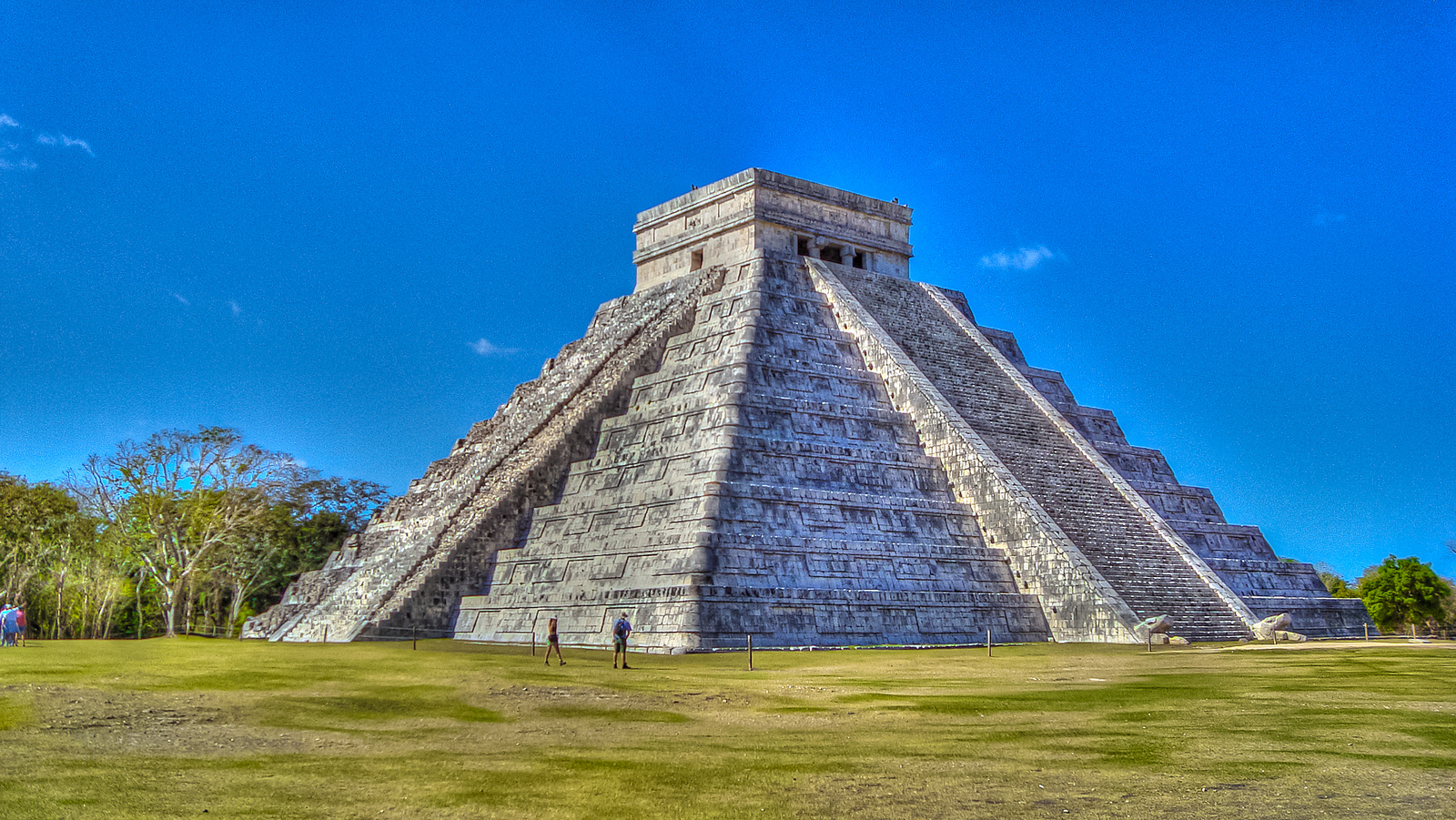 El Castillo, the great pyramid of Chichén Itzá on a sunny day
Tren Maya: the new option
The Tren Maya now connects Valladolid and Chichén Itzá, with the journey taking about 25 minutes. The Valladolid station sits outside the city centre, so you will need a short taxi ride to reach it — budget around 50 to 80 MXN for that transfer. A free Tren Maya shuttle bus runs from the Chichén Itzá station to the site entrance.
There are typically four departures daily in each direction. From Valladolid, trains leave at approximately 10:04 am, 12:19 pm, 5:14 pm, and 8:14 pm. Return trains from Chichén Itzá depart at around 8:25 am, 10:43 am, 4:05 pm, and 5:47 pm.
This is a comfortable, air-conditioned option, but the limited early-morning departures mean you won't beat the crowds. Factor in the taxi transfers at both ends, and the total door-to-door time is closer to an hour.
GuideTren Maya Pricing Update: New Tourist Rates for Foreign VisitorsTren Maya is a regional rail service that now uses a single tourist fare, Turista México, for both Mexican nationals and foreign visitors, eliminating the previous higher foreign‑only price. Example fares after the update include MXN $547 from Mérida Teya to Cancún Airport, MXN $339 from Mérida to Campeche, MXN $351 from Cancún to Chichén Itzá and MXN $1,169 from Cancún to Palenque; prices still vary by route, class, date and availability, so the official booking site should be checked before planning. Tickets can be bought on the Tren Maya website, through the official app or at station ticket offices; avoid unclear third‑party sellers. The train does not include transport to or from stations, which are often outside city centres, so travelers must arrange taxis, ride‑hailing, private drivers or shuttles. Journey times depend on the specific route, but the service is most useful when it fits a day’s schedule, such as a later‑day transfer from Mérida to Cancún Airport or an overnight stay in Campeche. Visitors can expect a comfortable city‑to‑city ride, but should verify station locations, luggage rules and train timetables, especially for early airport connections or visits to Chichén Itzá where early arrival is important. Allow extra buffer time for transfers, carry water and cash, and compare the train’s schedule with buses, rental cars or private drivers to choose the most convenient option for the day’s itinerary.Open
Visiting Chichén Itzá: practical notes
The site opens daily at 8:00 am and closes at 5:00 pm, with last entry at 4:00 pm. Admission for international visitors is 697 MXN (about 35 USD), which includes the federal INAH fee and the Yucatán state (Cultur) fee. Mexican nationals with valid ID pay 310 MXN, and Yucatán residents pay 105 MXN.
Bring cash in Mexican pesos. Card machines at the ticket booth occasionally fail, and the nearest ATM can run low on busy days. The ticket purchase involves two separate transactions — federal and state — and you will receive two receipts. Keep both.
 The Great Ball Court at Chichén Itzá
Allow at least two to three hours to see the main structures: El Castillo (the Kukulcán pyramid), the Great Ball Court, the Temple of the Warriors, the Caracol observatory, and the Sacred Cenote. In the heat of the afternoon, one hour may be enough before fatigue sets in.
Bring water, sunscreen, and a hat. There is little shade on the main plaza, and temperatures above 35°C are common from March to September. A guide can be arranged at the entrance for around 800 to 1,800 MXN depending on language and group size. If you prefer to explore on your own, a printed or downloaded site map is useful — signage at the ruins is decent but sparse on historical context.
GuideCenotes Near Chichén Itzá: Swimming, Access & Practical TipsA practical guide to the best cenotes within reach of Chichén Itzá — from the famous Ik Kil to the cave cenotes of Dzitnup — with driving times, costs, and tips for choosing the right one.Open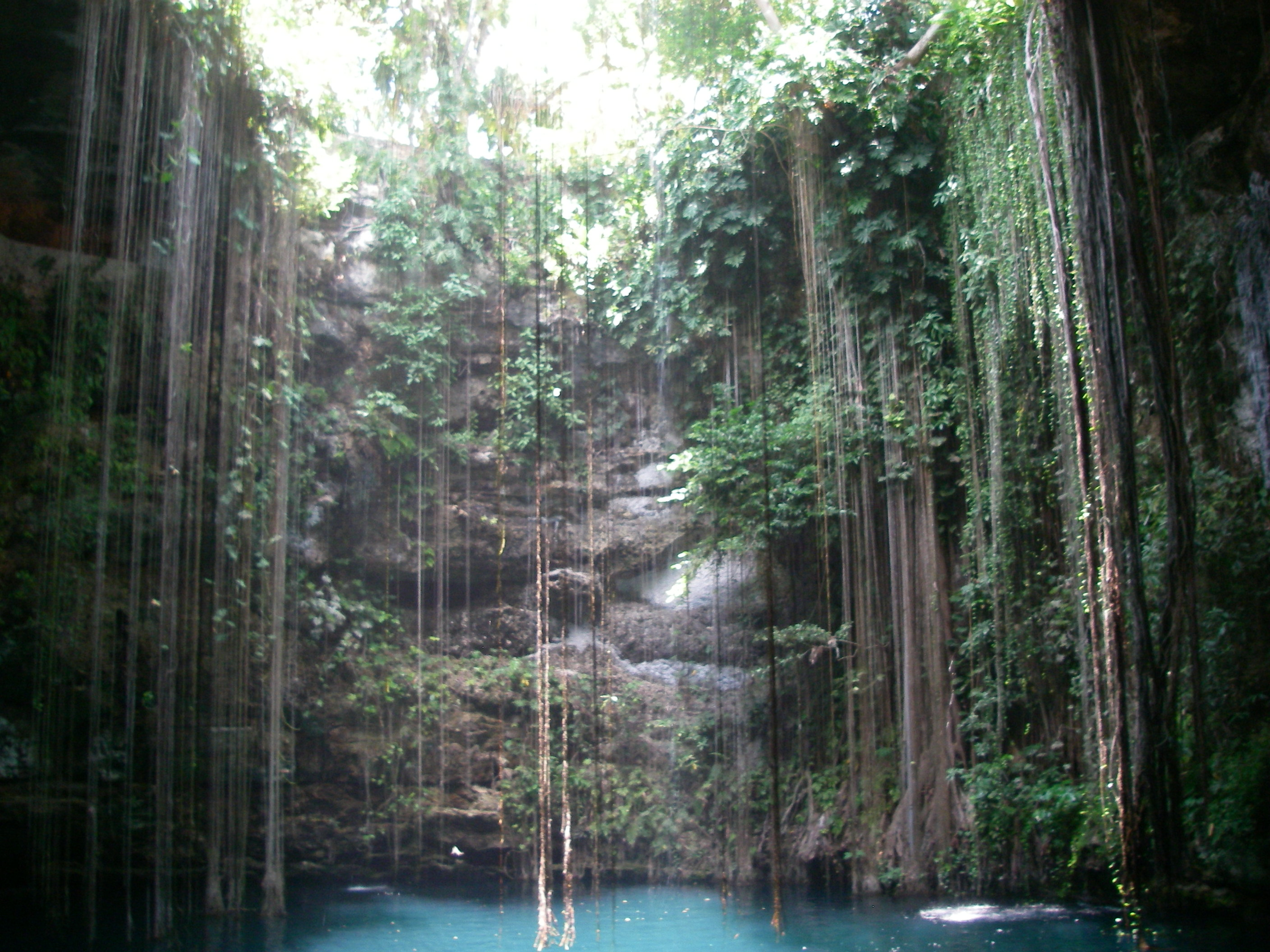
Which option should you choose?
On a budget: Take the colectivo. Leave Valladolid by 7:15 am to arrive near opening time. It is the cheapest and still reasonably comfortable.
With family or luggage: A private taxi or rental car is worth the extra cost. You control the timing and stop as needed.
Already renting a car: Drive. The route is simple, and having a vehicle opens up side trips easily.
Want a novel experience without early departures: The Tren Maya is comfortable and fast, but plan around the mid-morning schedule.
If you need help planning your visit — from transport to guides to combining the ruins with nearby cenotes — get in touch via WhatsApp for personalised trip support.

