
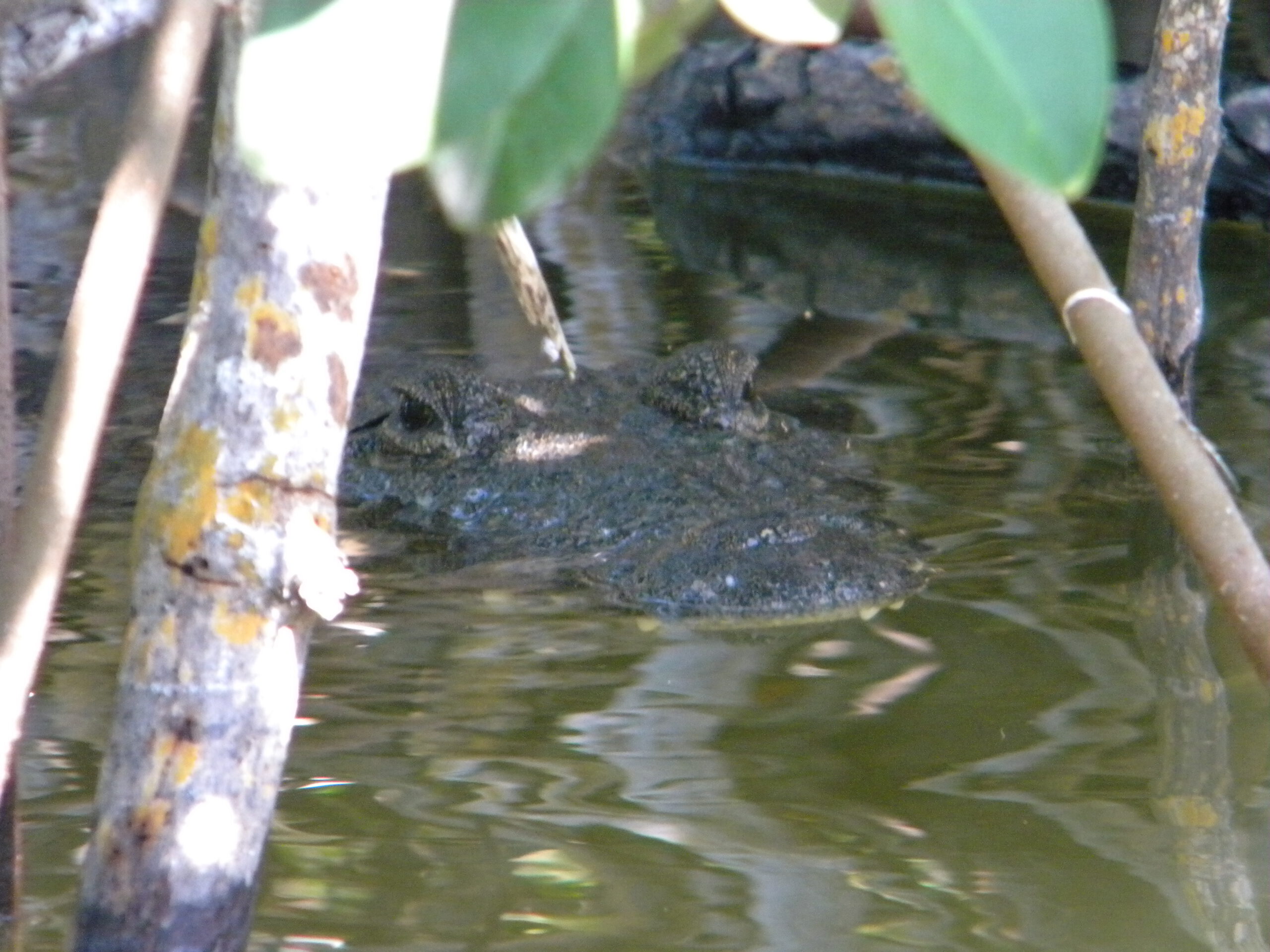
Crocodiles in Yucatán: Wildlife Guide for Curious Travelers
Introduction
For travelers chasing wild Yucatán experiences, crocodiles are often the creature that lingers in the back of the mind. North America’s warmest wetlands collect along the state’s coastlines and lagoons, and two native crocodile species thrive in those brackish and freshwater systems. Their presence shapes fishing traditions, guides conservation policy, and adds an undercurrent of adrenaline to mangrove boat tours. Understanding how they live is the key to observing them safely and respectfully.
This guide gathers the intel local biologists, community cooperatives, and boat captains share with visitors who ask, “Where can I see crocodiles in Yucatán, and are they near the places we swim?” You will learn how to tell the peninsula’s species apart, where and when to look for them, why their behavior shifts with the seasons, and how to weigh safety risks without giving up the unforgettable encounters Yucatán offers.
What You Need to Know
- Two species live in Yucatán State: the freshwater-loving Morelet’s crocodile and the coastal American crocodile.
- Prime viewing happens at dusk between March and June when water levels drop and basking increases.
- Licensed cooperatives at Río Lagartos, San Felipe, Celestún, Sisal, and San Crisanto run the most ethical observation tours.
- Attacks on humans are extremely rare; most incidents involve feeding crocodiles or entering mangrove channels after dark.
- Swimming beaches and cenotes popular with visitors are actively monitored and usually croc-free thanks to habitat differences.
Keep these fundamentals in mind and you can plan a wildlife-rich itinerary with realistic expectations, choosing guides who respect both the reptiles and local communities.
Key Highlights
- Spot juvenile Morelet’s crocodiles resting on mangrove roots during evening lantern tours in Río Lagartos.
- Learn how salinity gradients draw American crocodiles to Celestún’s estuary while flamingos feed nearby.
- Combine crocodile tracking with birding blitzes for herons, spoonbills, and ospreys on the north coast.
- Hear Maya fishers explain ‘boxito’ folklore—stories of crocodiles as guardians of freshwater springs.
- Evaluate where you can still swim: cenotes, beaches, and hotel pools with strong monitoring protocols.
Meet the Crocodile Species of Yucatán
Morelet’s Crocodile (Crocodylus moreletii)
Morelet’s crocodiles dominate Yucatán’s inland and semi-coastal wetlands. Adults average 2.5 to 3 meters long, with broad snouts and dark olive bands that help them hide beneath water hyacinths. They thrive in freshwater: think cenote-fed lagoons around Dzilam de Bravo, rain-filled aguadas behind mangrove ridges, and even cattle ponds that retain water late into the dry season. A long-running community monitoring project at the Dzilam State Reserve recorded a 3.5-meter female in 2022—the largest documented in Yucatán to date.
Behaviourally, Morelet’s are territorial but cautious, preferring to retreat when boats approach. During the March–May nesting season females build mounded nests from mangrove leaves. Guides steer clear of these sites to reduce stress, so you may hear your captain mention no entrar near flagged nest zones. Juveniles often bask on exposed tree roots at low tide; their gold eyes and banded tails are easier to see than you expect when you know where to look.
American Crocodile (Crocodylus acutus)
The American crocodile rules the brackish interface where coastal lagoons mingle with the Gulf of Mexico. Slender snouts and lighter gray coloring set them apart, as do their size—mature males can exceed 4 meters. In Yucatán State they congregate near tidal passes like Boca de Dzilam and the lower channels of the Celestún estuary, tolerating higher salinity than Morelet’s crocodiles can handle.
The species survived decades of hunting pressure thanks to the shelter offered by Yucatán’s maze-like mangroves. Today you are most likely to meet an American crocodile on night tours from Río Lagartos or Celestún, when their eyeshine flashes amber in spotlight beams. In 2024, PROFEPA and local cooperatives rescued and relocated three juveniles that had wandered into salt ponds near Las Coloradas, a reminder that tourism infrastructure and wildlife must be balanced carefully.
Habitats & Seasonal Patterns
Crocodile sightings in Yucatán follow the rhythm of the rains. During the November–February nortes season, water levels rise and crocodiles disperse through flooded savannas, making them harder to spot. By late March, evaporation shrinks lagoons and concentrates prey fish, so crocodiles spend more time basking on mud banks to regulate temperature. Spotting success climbs just before the May heat peaks, especially on guided dusk trips.
- Mangrove estuaries: Celestún, Río Lagartos, and San Felipe feature sinuous creeks where crocodiles patrol for mullet and crabs.
- Coastal salinas: Shallow salt ponds near Las Coloradas attract basking adults once workers leave for the day.
- Freshwater savannas: Dzilam de Bravo and El Palmar contain seasonal pools where Morelet’s crocodiles hunt at night.
- River mouths: The short rivers that empty at Sisal and Telchac Puerto form brackish pockets favored by sub-adult American crocodiles.
Wind matters too. On breezy afternoons crocodiles shelter on leeward banks; calm evenings bring them to channel edges, snouts pointed downstream to catch scents. Guides often explain these micro-habitat choices as part of the tour narrative, so ask them to point out track marks (rastros) in the mud when you disembark.
Planning Ethical Encounters
Community-run cooperatives are the backbone of safe crocodile tourism in Yucatán. They limit boat numbers, avoid feeding, and coordinate via radio when crocodiles move deeper into refuge zones. Booking directly with cooperatives keeps pesos in local hands and gives you access to captains who know individual animals by the nicknames they assign—Doña C for a Celestún matriarch, or Colmillo for the scarred male near San Felipe.
Plan to reserve tours at least a day in advance during March and April. Most outings last 90 minutes to two hours and include binoculars or hand torches. Wear neutral colors, skip perfume, and keep camera flashes off. Your guide may also string in citizen science: some co-ops share nest observations with the Universidad Autónoma de Yucatán’s Herpetology Lab, and visitors are invited to log sightings in shared ledgers.
Top Observation Sites
- Río Lagartos & San Felipe: Sunset and night tours follow mangrove corridors inside the biosphere reserve, with frequent eye-shine sightings and interpretive stops at sandbanks.
- Celestún Estuary: Combine flamingo excursions with crocodile-focused loops deeper inside the mangroves; look for adults cruising near freshwater springs like Ojo de Baldiosera.
- Reserva Estatal El Palmar (Sisal): Boardwalks and kayak tours reveal calm lagoons where Morelet’s crocodiles share space with roseate spoonbills.
- San Crisanto Mangrove Canals: Community punt tours glide silently, increasing chances of spotting juveniles perched on pneumatophore roots.
- Dzilam de Bravo Coastal Lagoons: Early-morning trips in shallow draft boats search for basking crocodiles along petén islets and the freshwater outflow at Xbuya-Ha.
When to Go & What to Expect
- January–February: Cooler air; crocodiles less active but tours emphasize tracking signs.
- March–April: Peak sightings at dusk, calmer waters, nesting activity begins.
- May–June: Hot temperatures; guides schedule later departures to avoid midday heat stress on animals.
- July–October: Rainy afternoons and mosquitoes; consider private charters that can reschedule quickly.
Safety & Swimming Reality Check
Crocodiles are apex predators and deserve respect, but the statistics calm nerves: Yucatán State has documented only two provoked bites on humans in the last three decades, both involving fishermen cleaning fish in mangrove creeks at night. Tourism zones maintain strict separation between swimming areas and crocodile habitat, using barriers, routine patrols, and signage in Spanish and English. If you follow tour operator instructions, the risk remains exceptionally low.
Where can you swim? Gulf beaches such as Progreso, Chicxulub, and Telchac feature shallow sandbars and constant human activity—conditions crocodiles avoid. Popular cenotes around Valladolid and Mérida are freshwater sinkholes ringed by limestone walls, too deep and cool for crocodiles to inhabit. The situations that raise risk involve wading into murky mangrove canals, especially near fish-cleaning stations or after heavy rains flush freshwater into estuaries.
- Never swim or paddle in mangrove creeks at dusk or night, even if locals say the water is calm.
- Observe no nadar signs posted by cooperatives; they mark known basking or nesting sites.
- Keep food scraps out of the water—feeding teaches crocodiles to associate boats with easy meals.
- Scan shorelines before launching kayaks; if you see slide marks leading into the water, choose another entry point.
- Report any crocodile seen near hotel pools or busy beaches to the municipal ecology office; relocation teams respond quickly.
Cultural Notes & Conservation Stories
Yucatán’s Maya communities call crocodiles aayin or boxito, and oral histories describe them as guardians of cenotes that protect freshwater from overuse. In San Crisanto, elders still recount a 1988 storm when crocodiles navigated flooded coconut groves, prompting villagers to build raised walkways now used on tours. These anecdotes enrich your visit and underscore how long people here have coexisted with large reptiles.
Conservation has gained momentum thanks to collaborations between cooperatives and NGOs. The Ría Lagartos ‘Cocodrilario’ rescue center, managed by volunteer biologist Carolina Pech, rehabilitates injured juveniles and invites visitors to observe feeding from behind glass. In 2023, the center tagged eight Morelet’s crocodiles with passive RFID chips to study movement between freshwater and saltwater zones—a project you might support by purchasing the souvenir field guide sold in town.
Practical Information
- Base Towns: Río Lagartos (north coast wildlife hub), San Felipe (quieter fishing village), Celestún (west coast day-trip from Mérida), Sisal (easy weekend escape with new boutique hotels).
- Tour Prices: Expect MXN $500–$900 per person for group tours, or MXN $2,000–$2,800 for private boats accommodating four to six travelers.
- Transport: Rent a car for dawn departures, or take second-class buses from Mérida to Río Lagartos (3 hours) and Celestún (2 hours) with taxi transfers to docks.
- What to Pack: Lightweight long sleeves, insect repellent (DEET-free near mangroves), polarized sunglasses, waterproof dry bag, and a telephoto lens if photography is a priority.
- Weather Prep: Carry electrolyte packets and refillable bottles; tour operators encourage reusable gear to reduce plastic waste in reserves.
Remember to bring cash for community fees and tips—many cooperatives operate in areas without reliable card terminals. If you speak Spanish, practice a few phrases about wildlife; captains appreciate engaged visitors and often extend trips slightly when groups show genuine curiosity.
Related Experiences
- Celestún Flamingo Boat Tour – Wildlife Adventure
- Mérida Weekend: Ruins & Cenotes Itinerary
- How to Visit Cenotes in Yucatán – Complete Guide
- Cenote Xlacah – Sacred Swimming in Mérida
Frequently Asked Questions
Are crocodiles common on Yucatán’s beaches? No. They prefer sheltered lagoons and mangrove creeks. Patrols from Progreso to Telchac have not recorded resident crocodiles in swimming zones; rare strays are relocated swiftly.
Do night tours use spotlights that disturb crocodiles? Licensed cooperatives use red-filtered lights or low-intensity beams aimed at the water surface, minimizing stress. Tours keep viewing windows brief—usually under two minutes per animal—before moving on.
Can I photograph crocodiles up close? Long lenses are best. Guides maintain a minimum 15-meter distance, and drones are prohibited in protected areas. Respect buffer zones to keep animals from associating boats with intrusion.
What happens if heavy rain cancels my tour? Operators typically rebook within 24 hours or offer partial refunds. During peak nesting months, they may cancel preemptively when water levels cover key basking sites to avoid disturbing mothers guarding nests.
Conclusion
Seeing a crocodile in the wild is one of Yucatán’s most memorable thrills, and with thoughtful planning it can be a responsible, low-risk addition to your itinerary. Use community cooperatives, time outings for calm evenings, and remember that patience rewards observers with quiet moments few travelers experience.
As you plan, combine wildlife outings with the cenotes, colonial towns, and culinary adventures that make Yucatán so rich. Respectful encounters support conservation funding, give local guides steady income, and keep the state’s wetlands healthy for future generations of travelers—and crocodiles alike.
Crocodiles in Yucatán: Wildlife Guide for Curious Travelers
In This Guide
Regions
Introduction
For travelers chasing wild Yucatán experiences, crocodiles are often the creature that lingers in the back of the mind. North America’s warmest wetlands collect along the state’s coastlines and lagoons, and two native crocodile species thrive in those brackish and freshwater systems. Their presence shapes fishing traditions, guides conservation policy, and adds an undercurrent of adrenaline to mangrove boat tours. Understanding how they live is the key to observing them safely and respectfully.
This guide gathers the intel local biologists, community cooperatives, and boat captains share with visitors who ask, “Where can I see crocodiles in Yucatán, and are they near the places we swim?” You will learn how to tell the peninsula’s species apart, where and when to look for them, why their behavior shifts with the seasons, and how to weigh safety risks without giving up the unforgettable encounters Yucatán offers.
What You Need to Know
- Two species live in Yucatán State: the freshwater-loving Morelet’s crocodile and the coastal American crocodile.
- Prime viewing happens at dusk between March and June when water levels drop and basking increases.
- Licensed cooperatives at Río Lagartos, San Felipe, Celestún, Sisal, and San Crisanto run the most ethical observation tours.
- Attacks on humans are extremely rare; most incidents involve feeding crocodiles or entering mangrove channels after dark.
- Swimming beaches and cenotes popular with visitors are actively monitored and usually croc-free thanks to habitat differences.
Keep these fundamentals in mind and you can plan a wildlife-rich itinerary with realistic expectations, choosing guides who respect both the reptiles and local communities.
Key Highlights
- Spot juvenile Morelet’s crocodiles resting on mangrove roots during evening lantern tours in Río Lagartos.
- Learn how salinity gradients draw American crocodiles to Celestún’s estuary while flamingos feed nearby.
- Combine crocodile tracking with birding blitzes for herons, spoonbills, and ospreys on the north coast.
- Hear Maya fishers explain ‘boxito’ folklore—stories of crocodiles as guardians of freshwater springs.
- Evaluate where you can still swim: cenotes, beaches, and hotel pools with strong monitoring protocols.
Meet the Crocodile Species of Yucatán
Morelet’s Crocodile (Crocodylus moreletii)
Morelet’s crocodiles dominate Yucatán’s inland and semi-coastal wetlands. Adults average 2.5 to 3 meters long, with broad snouts and dark olive bands that help them hide beneath water hyacinths. They thrive in freshwater: think cenote-fed lagoons around Dzilam de Bravo, rain-filled aguadas behind mangrove ridges, and even cattle ponds that retain water late into the dry season. A long-running community monitoring project at the Dzilam State Reserve recorded a 3.5-meter female in 2022—the largest documented in Yucatán to date.
Behaviourally, Morelet’s are territorial but cautious, preferring to retreat when boats approach. During the March–May nesting season females build mounded nests from mangrove leaves. Guides steer clear of these sites to reduce stress, so you may hear your captain mention no entrar near flagged nest zones. Juveniles often bask on exposed tree roots at low tide; their gold eyes and banded tails are easier to see than you expect when you know where to look.
American Crocodile (Crocodylus acutus)
The American crocodile rules the brackish interface where coastal lagoons mingle with the Gulf of Mexico. Slender snouts and lighter gray coloring set them apart, as do their size—mature males can exceed 4 meters. In Yucatán State they congregate near tidal passes like Boca de Dzilam and the lower channels of the Celestún estuary, tolerating higher salinity than Morelet’s crocodiles can handle.
The species survived decades of hunting pressure thanks to the shelter offered by Yucatán’s maze-like mangroves. Today you are most likely to meet an American crocodile on night tours from Río Lagartos or Celestún, when their eyeshine flashes amber in spotlight beams. In 2024, PROFEPA and local cooperatives rescued and relocated three juveniles that had wandered into salt ponds near Las Coloradas, a reminder that tourism infrastructure and wildlife must be balanced carefully.
Habitats & Seasonal Patterns
Crocodile sightings in Yucatán follow the rhythm of the rains. During the November–February nortes season, water levels rise and crocodiles disperse through flooded savannas, making them harder to spot. By late March, evaporation shrinks lagoons and concentrates prey fish, so crocodiles spend more time basking on mud banks to regulate temperature. Spotting success climbs just before the May heat peaks, especially on guided dusk trips.
- Mangrove estuaries: Celestún, Río Lagartos, and San Felipe feature sinuous creeks where crocodiles patrol for mullet and crabs.
- Coastal salinas: Shallow salt ponds near Las Coloradas attract basking adults once workers leave for the day.
- Freshwater savannas: Dzilam de Bravo and El Palmar contain seasonal pools where Morelet’s crocodiles hunt at night.
- River mouths: The short rivers that empty at Sisal and Telchac Puerto form brackish pockets favored by sub-adult American crocodiles.
Wind matters too. On breezy afternoons crocodiles shelter on leeward banks; calm evenings bring them to channel edges, snouts pointed downstream to catch scents. Guides often explain these micro-habitat choices as part of the tour narrative, so ask them to point out track marks (rastros) in the mud when you disembark.
Planning Ethical Encounters
Community-run cooperatives are the backbone of safe crocodile tourism in Yucatán. They limit boat numbers, avoid feeding, and coordinate via radio when crocodiles move deeper into refuge zones. Booking directly with cooperatives keeps pesos in local hands and gives you access to captains who know individual animals by the nicknames they assign—Doña C for a Celestún matriarch, or Colmillo for the scarred male near San Felipe.
Plan to reserve tours at least a day in advance during March and April. Most outings last 90 minutes to two hours and include binoculars or hand torches. Wear neutral colors, skip perfume, and keep camera flashes off. Your guide may also string in citizen science: some co-ops share nest observations with the Universidad Autónoma de Yucatán’s Herpetology Lab, and visitors are invited to log sightings in shared ledgers.
Top Observation Sites
- Río Lagartos & San Felipe: Sunset and night tours follow mangrove corridors inside the biosphere reserve, with frequent eye-shine sightings and interpretive stops at sandbanks.
- Celestún Estuary: Combine flamingo excursions with crocodile-focused loops deeper inside the mangroves; look for adults cruising near freshwater springs like Ojo de Baldiosera.
- Reserva Estatal El Palmar (Sisal): Boardwalks and kayak tours reveal calm lagoons where Morelet’s crocodiles share space with roseate spoonbills.
- San Crisanto Mangrove Canals: Community punt tours glide silently, increasing chances of spotting juveniles perched on pneumatophore roots.
- Dzilam de Bravo Coastal Lagoons: Early-morning trips in shallow draft boats search for basking crocodiles along petén islets and the freshwater outflow at Xbuya-Ha.
When to Go & What to Expect
- January–February: Cooler air; crocodiles less active but tours emphasize tracking signs.
- March–April: Peak sightings at dusk, calmer waters, nesting activity begins.
- May–June: Hot temperatures; guides schedule later departures to avoid midday heat stress on animals.
- July–October: Rainy afternoons and mosquitoes; consider private charters that can reschedule quickly.
Safety & Swimming Reality Check
Crocodiles are apex predators and deserve respect, but the statistics calm nerves: Yucatán State has documented only two provoked bites on humans in the last three decades, both involving fishermen cleaning fish in mangrove creeks at night. Tourism zones maintain strict separation between swimming areas and crocodile habitat, using barriers, routine patrols, and signage in Spanish and English. If you follow tour operator instructions, the risk remains exceptionally low.
Where can you swim? Gulf beaches such as Progreso, Chicxulub, and Telchac feature shallow sandbars and constant human activity—conditions crocodiles avoid. Popular cenotes around Valladolid and Mérida are freshwater sinkholes ringed by limestone walls, too deep and cool for crocodiles to inhabit. The situations that raise risk involve wading into murky mangrove canals, especially near fish-cleaning stations or after heavy rains flush freshwater into estuaries.
- Never swim or paddle in mangrove creeks at dusk or night, even if locals say the water is calm.
- Observe no nadar signs posted by cooperatives; they mark known basking or nesting sites.
- Keep food scraps out of the water—feeding teaches crocodiles to associate boats with easy meals.
- Scan shorelines before launching kayaks; if you see slide marks leading into the water, choose another entry point.
- Report any crocodile seen near hotel pools or busy beaches to the municipal ecology office; relocation teams respond quickly.
Cultural Notes & Conservation Stories
Yucatán’s Maya communities call crocodiles aayin or boxito, and oral histories describe them as guardians of cenotes that protect freshwater from overuse. In San Crisanto, elders still recount a 1988 storm when crocodiles navigated flooded coconut groves, prompting villagers to build raised walkways now used on tours. These anecdotes enrich your visit and underscore how long people here have coexisted with large reptiles.
Conservation has gained momentum thanks to collaborations between cooperatives and NGOs. The Ría Lagartos ‘Cocodrilario’ rescue center, managed by volunteer biologist Carolina Pech, rehabilitates injured juveniles and invites visitors to observe feeding from behind glass. In 2023, the center tagged eight Morelet’s crocodiles with passive RFID chips to study movement between freshwater and saltwater zones—a project you might support by purchasing the souvenir field guide sold in town.
Practical Information
- Base Towns: Río Lagartos (north coast wildlife hub), San Felipe (quieter fishing village), Celestún (west coast day-trip from Mérida), Sisal (easy weekend escape with new boutique hotels).
- Tour Prices: Expect MXN $500–$900 per person for group tours, or MXN $2,000–$2,800 for private boats accommodating four to six travelers.
- Transport: Rent a car for dawn departures, or take second-class buses from Mérida to Río Lagartos (3 hours) and Celestún (2 hours) with taxi transfers to docks.
- What to Pack: Lightweight long sleeves, insect repellent (DEET-free near mangroves), polarized sunglasses, waterproof dry bag, and a telephoto lens if photography is a priority.
- Weather Prep: Carry electrolyte packets and refillable bottles; tour operators encourage reusable gear to reduce plastic waste in reserves.
Remember to bring cash for community fees and tips—many cooperatives operate in areas without reliable card terminals. If you speak Spanish, practice a few phrases about wildlife; captains appreciate engaged visitors and often extend trips slightly when groups show genuine curiosity.
Related Experiences
- Celestún Flamingo Boat Tour – Wildlife Adventure
- Mérida Weekend: Ruins & Cenotes Itinerary
- How to Visit Cenotes in Yucatán – Complete Guide
- Cenote Xlacah – Sacred Swimming in Mérida
Frequently Asked Questions
Are crocodiles common on Yucatán’s beaches? No. They prefer sheltered lagoons and mangrove creeks. Patrols from Progreso to Telchac have not recorded resident crocodiles in swimming zones; rare strays are relocated swiftly.
Do night tours use spotlights that disturb crocodiles? Licensed cooperatives use red-filtered lights or low-intensity beams aimed at the water surface, minimizing stress. Tours keep viewing windows brief—usually under two minutes per animal—before moving on.
Can I photograph crocodiles up close? Long lenses are best. Guides maintain a minimum 15-meter distance, and drones are prohibited in protected areas. Respect buffer zones to keep animals from associating boats with intrusion.
What happens if heavy rain cancels my tour? Operators typically rebook within 24 hours or offer partial refunds. During peak nesting months, they may cancel preemptively when water levels cover key basking sites to avoid disturbing mothers guarding nests.
Conclusion
Seeing a crocodile in the wild is one of Yucatán’s most memorable thrills, and with thoughtful planning it can be a responsible, low-risk addition to your itinerary. Use community cooperatives, time outings for calm evenings, and remember that patience rewards observers with quiet moments few travelers experience.
As you plan, combine wildlife outings with the cenotes, colonial towns, and culinary adventures that make Yucatán so rich. Respectful encounters support conservation funding, give local guides steady income, and keep the state’s wetlands healthy for future generations of travelers—and crocodiles alike.
Essentials
Expert Tip
Book licensed cooperatives in Río Lagartos, Celestún, Sisal, and San Crisanto; travel with cash; keep a 15 m buffer from crocodiles.
Related Guides
Transportation Guide to Mérida, Yucatán (2026)
Welcome to Mérida, Yucatán – a city where modern convenience meets colonial charm. This comprehensive guide will help you navigate getting into Mérida and getting around the city and region, with tips for tourists, digital nomads, and retirees alike. We’ll cover everything from airport transfers and city buses to day-trip transportation for Yucatán’s famous beaches, cenotes, and ruins. Let’s dive in!
Best Restaurants in Mérida: Complete Dining Guide
In Mérida, every meal feels like a celebration – from dawn taco runs in bustling markets to gourmet dinners under colonial arches. Get ready to taste Yucatán’s vibrant flavors, one unforgettable bite at a time.
Mérida Neighborhoods Guide: Where to Stay & Explore
Mérida Neighborhoods Guide: Where to Stay & Explore Mérida Neighborhoods Guide: Where to Stay & Explore Introduction Mérida,...