
Mérida Travel Guide: Colonial Heart of Yucatán
Why Mérida?
By late afternoon the city turns the color of guava—pink skies above white limestone façades, the plaza humming with marimba and gossip. Grand old casonas line Paseo de Montejo, while tiny tortillerías perfume the side streets. Locals greet you with a warm ¡buenas! and an invitation to slow down. Mérida is the safest big city in Mexico, a cultural capital with Mayan roots and colonial bones, where dinner might be cochinita pibil on a plastic stool or a chef’s tasting menu in a restored mansion. Come for the elegance; stay for the rhythm—serenatas in Santa Lucía, Sunday bici-ruta, markets that start at dawn, and day trips that swing from Uxmal’s Puuc temples to flamingos in Celestún. This is your landing pad for Yucatán: graceful, grounded, and deeply alive.
In a nutshell:
-
Architecture & ambiance: walkable Centro Histórico, leafy plazas, Belle Époque mansions.
-
Food culture: market breakfasts, Yucatecan classics (papadzules, panuchos), modern kitchens.
-
Easy logistics: international airport (MID), ADO bus network, Uber/inDrive in town.
-
Day trips galore: ruins, cenotes, biospheres, and breezy beach towns within 45–90 minutes.
-
Travel style fit: culture-forward travelers, design lovers, families, and curious eaters.
At a Glance
Nicknames: “La Ciudad Blanca” (The White City) — think bright limestone, tidy streets, and a polished historic center.
Region: Northwest Yucatán Peninsula (Mexico) — a springboard to cenotes, ruins, lagoons, and the northern coast.
Population: ~1 million in the metro area; a genuine city with a small-town soul.
Language: Spanish and Yucatec Maya are common; English is widely understood in hospitality.
Time Zone: Central Standard Time (no daylight savings).
Currency: Mexican peso (MXN). ATMs and card acceptance are widespread; markets and street stalls are cash-friendly.
Electricity & Plugs: 127V/60Hz; Type A/B (US-style flat pins). Most travelers don’t need a converter; a surge protector is smart.
Mobile & Data: eSIMs work well; Telcel/AT&T/Movistar have solid city coverage. Wi-Fi is common in cafés, hotels, and many rentals.
Getting Around (city): Walkable Centro; Uber/inDrive for cross-town hops; bikes on Sunday bici-ruta; rental car only if you’re day-tripping a lot.
Best For: Culture/history travelers, design-forward families, food lovers, photographers, winter sun seekers.
Ideal Stay: 3–5 nights in the city (plus day trips). Add nights if you’re splitting time between Mérida and coast or ruin circuits.
Tap Water: Not potable. Drink purified/filtered water (ubiquitous in hotels and rentals).
Tipping Norms: 10–15% at sit-down restaurants; small coins for markets; tip drivers/guides for great service.
Safety Snapshot: Calm city vibe; standard big-city awareness. The real hazard is the heat—hydrate and plan midday shade.
Sunday Traditions: Streets close for bici-ruta, families fill plazas, and long lunches reign.
Good to Know:
-
Afternoon heat is real; plan early mornings and dusky evenings for walking tours.
-
Many churches and cultural venues encourage modest dress.
-
Sunscreen is welcome, but rinse before cenotes (eco rule of thumb).
When to Visit Mérida
Mérida is a year-round city, but the feel of your trip changes with the thermometer and calendar. The guiding principle: chase mornings and evenings when it’s warm; embrace shade, siestas, and museums when it’s hot. Here’s the insider breakdown by season and what’s on.
Seasons at a glance
December–March (Cooler, Dry, Festive) — Prime time
Expect the softest weather of the year: sun-splashed days, pleasant nights, low-ish humidity by Mérida standards. It’s lively—many cultural events, travelers in town, and restaurants buzzing. Book stays and tours ahead.
Pros: Best walking weather; busy events calendar; photogenic skies.
Cons: Higher demand; reservations advised; coastal breezes can be cooler at night.
April–May (Very Hot, Before the Rains) — For heat-tolerant culture seekers
Locals will tell you: this is hot-hot. The city still functions with aplomb—markets in the morning, long lunches, slower afternoons, golden-hour strolls. If you’re prepared (light clothes, hat, water), you’ll have thinner crowds and easy reservations.
Pros: Fewer lines; value on accommodations; mango season at markets.
Cons: Midday outdoors can be punishing—plan shade and indoor museums mid-day.
June–October (Rainy Season, Lush Landscapes) — Green and steamy
Afternoon cloudbursts roll through—quick and theatrical—leaving glossy streets and cooler evenings. It’s humid but manageable with smart pacing. Great time for cenotes (refreshing!), markets, and slow city days punctuated by café stops.
Pros: Lower prices; vibrant greenery; dramatic skies; cenotes feel extra-rewarding.
Cons: Humidity; occasional storms; plan buffers for day trips.
November (Transition, Cultural High) — Color and remembrance
Skies clear, heat eases, and tradition takes center stage. You’ll feel the city inhale after the rains and gear up for the winter season.
Pros: Comfort returns; cultural events; good balance of crowds and calm.
Cons: Growing demand toward late month—book stays if dates are fixed.
Insider pacing: No matter the month, front-load your days: sunrise plazas, breakfast markets, a late-morning museum; siesta or pool time in the early afternoon; golden hour on Paseo de Montejo; dinner and music in Santa Lucía.
Festivals & cultural moments (highlights)
-
Hanal Pixán (late Oct–early Nov): Yucatecan Day of the Dead traditions—altars, foods, and processions honoring the departed.
-
Carnaval de Mérida (late winter): Parades, costumes, concerts; family-friendly and exuberant.
-
La Noche Blanca (select weekends, a few times per year): Museums and galleries open late with performances throughout the Centro—art meets street party.
-
Vaquería Yucateca (weekly): A folkloric dance tradition—colorful ternos and guayaberas, often in public squares.
-
Domingo en Mérida / Bici-Ruta (every Sunday): Streets close to cars in parts of the center—rent a bike, join the flow, and snack your way across town.
-
City Anniversary & Cultural Weeks (periodic): Pop-up concerts, theater, and street performances—watch municipal calendars.
(Exact dates vary each year; confirm details close to travel.)
Crowd & price dynamics
-
Peak demand: Late December–March and around major holidays/events. Book rooms and marquee tours early.
-
Shoulder wins: November and early December; late March–April (heat rising but fewer crowds).
-
Value windows: May–June and September–October often bring better hotel availability and rates.
What to pack (do this right and you’ll love the city)
-
Breathable layers: Linen/cotton tops, airy pants/skirts, a light shawl for churches or evening breezes.
-
Sun armor: Wide-brim hat, sunglasses, reef-safe sunscreen (rinse before cenotes), lip balm with SPF.
-
Hydration kit: Refillable bottle; electrolytes for hot days; tiny packable fan is a local-level power move.
-
Footwear: Cushioned walking shoes or leather sandals with grip; cobblestones can be uneven.
-
Bug plan: Light repellant for dusk, especially for day trips (mangroves, cenotes, coast).
-
Nice-casual outfit: Many restaurants and cantinas are relaxed but stylish; a guayabera never looks out of place.
Heat & humidity playbook (how locals cope)
-
Chop the day into thirds: Morning culture walk → midday shade (museum/lunch/siesta) → dusk paseo + dinner.
-
Pick shady streets: The Centro’s narrow corridors create pockets of shade; arcades around Plaza Grande are your friend.
-
Water > coffee (at least before noon): Then treat yourself to a late cortado once you’ve cooled off.
-
Don’t race the sun: Golden hour is Mérida’s magic hour—line up Paseo de Montejo or Santa Lucía then.
Getting There & Around
Mérida is easy to reach and even easier to move around in—think compact Centro for walkers, rideshares for cross-town hops, and a web of buses and highways radiating toward ruins, cenotes, and the coast.
Arriving by air (MID – Mérida International)
- MID sits on the southwest side of the city, about 15–25 minutes from Centro outside rush hour.
- Planes come and go steadily, but this is a human-scale airport—baggage and immigration are typically smooth.
- Once outside, you’ll find official taxis, rideshares (pick-up areas are clearly marked), and a few car-rental counters.
Insider tip: If you’re landing in the afternoon heat, book a hotel with a pool or courtyard—you’ll thank yourself at check-in.
Arriving by bus (ADO & friends)
- ADO coaches connect Mérida to Cancún, Valladolid, Campeche, and beyond.
- Buses typically arrive at CAME (Central de Autobuses Mérida) near Centro or other ADO terminals; from there, rideshares are effortless.
- For short hops or day trips, second-class lines and colectivos run to surrounding towns (Homún, Izamal, Progreso)—expect basic comfort but frequent departures.
Good to know: For any bus trip, bring a light layer for air-con and tap-to-pay cards for café snacks.
Renting a car (for day trips & freedom)
- In the city itself, you won’t need a car. For Uxmal, Celestún, Izamal, or cenote circuits, a car unlocks early starts and flexible returns.
- Parking in Centro is a mix of street spots and small paid lots. In residential neighborhoods (Itzimná, García Ginerés), street parking is common—be mindful of driveways and signage.
Driving style check: Yucatán drivers are patient; top hazards are speed bumps (topes), bicycles, and the occasional iguana sunning itself. Night driving on rural roads requires extra caution.
Rideshares, taxis & short hops
- Uber/inDrive cover most of Mérida. They’re inexpensive, fast, and ideal for hot afternoons or late-night returns.
- Taxis can be hailed or called; check the fare before you hop in if there’s no meter.
Two wheels & walking
- Walking: Centro Histórico is flat and gridded; shade appears and disappears block by block—aim for morning and golden hour.
- Sunday Bici-Ruta: A portion of the city goes car-free; rent a bike and cruise between plazas, coffee stops, and Paseo de Montejo.
- Scooters/bikes on weekdays: Fun for short errands; always lock up and avoid midday scorchers.
Accessibility note: Sidewalks can be narrow or uneven; step down carefully at driveway cuts, especially after rain.
Where to Stay (Neighborhood Guide)
Mérida’s neighborhoods are personalities more than postal codes—each with a rhythm, a look, and a “this is who I’m for” energy. Choose by vibe first, then by your daily plan (museums vs. pool time vs. day trips).
Centro Histórico (Plaza Grande & Cathedral orbit)
Vibe: Classic postcards—cathedral bells, colonnaded plazas, museums, and marimba at dusk.
Why stay here: Walk out the door and you’re in Mérida 101. Ideal for first-timers who want museums by day and music by night.
Sounds & feels: Busy by day, surprisingly calm after dinner beyond the main squares.
Stay style: Restored casonas with courtyards, boutique inns with small plunge pools, airy apartments tucked behind old doors.
Best for: Culture-first travelers, photographers, short stays.
Watch-outs: Occasional street noise; some blocks have narrow sidewalks.
Santa Lucía (Plaza Santa Lucía & live music core)
Vibe: Bohemian-leaning and polished—candlelit restaurants, Serenata Yucateca on stage, outdoor dining and people-watching.
Why stay here: Evenings bloom—music, cocktails, and polished dining scene; walkable to everything.
Stay style: Mid-to-upscale boutiques with pretty courtyards; apartments above cafés.
Best for: Food lovers, couples, design-conscious travelers.
Watch-outs: Nighttime buzz can drift into rooms near the plaza—ask about interior rooms if you’re a light sleeper.
Santa Ana (Market mornings, gallery afternoons)
Vibe: Creative, tasteful, a little scrappier around the edges—Parque Santa Ana anchors a micro-world of breakfast stalls, galleries, and artisan boutiques.
Why stay here: Central without being “on the nose.” Breezy to Paseo de Montejo and museums.
Stay style: Chic casitas with pools, small hotels with leafy patios.
Best for: Slow travelers, shoppers, café grazers.
Watch-outs: Some blocks are quiet at night—great for sleep, but plan rideshares after late dinners.
Paseo de Montejo Corridor (Boulevard & mansions)
Vibe: Belle Époque grandeur—wide sidewalks, Porfirian mansions, museums like Palacio Cantón, weekend stroll energy.
Why stay here: Space, elegance, and an easy axis for morning walks; still close to Centro with cooler evening breezes.
Stay style: Mansion hotels, modern apartments, upscale boutiques.
Best for: Design lovers, walkers, families wanting calmer nights.
Watch-outs: You’ll ride-share for late-night Centro returns; some properties sit right on the boulevard—ask about interior-facing rooms.
Itzimná (Residential charm, leafy streets)
Vibe: Old Mérida gentility—low-key cafés, pocket parks, guayabera-classic energy.
Why stay here: Local neighborhood feel, good for longer stays and quiet nights.
Stay style: Houses-turned-boutiques, casitas with full kitchens and small pools.
Best for: Families, remote workers, slow travelers.
Watch-outs: Fewer marquee sights at your doorstep—plan on rideshares for Centro nights.
García Ginerés (Art Deco, shady patios)
Vibe: 20th-century homes with modern renovations, calm streets, and Parque de las Américas nearby.
Why stay here: Space to spread out, excellent for groups or anyone craving a neighborhood rhythm.
Stay style: Larger rentals with gardens, occasional boutique houses with 2–4 bedrooms.
Best for: Groups, design-forward families, pool people.
Watch-outs: You’ll ride-share for almost everything; reward is peace and privacy.
Santiago (Local market & community heartbeat)
Vibe: Neighborhood-first—Mercado de Santiago for breakfast, quiet streets, humble charm with a dash of restoration.
Why stay here: A lived-in slice of Mérida with easy access to Centro’s west side.
Stay style: Renovated colonial homes, small B&Bs, friendly guesthouses.
Best for: Market lovers, early risers, low-key evenings.
Watch-outs: Blocks vary—some still in transition; scout street views if you’re picky about façades.
How to choose quickly:
- First time & foot-powered: Centro, Santa Lucía, Santa Ana
- Stylish quiet with space: Paseo de Montejo corridor, Itzimná, García Ginerés
- Market mornings, local rhythm: Santiago
Hotel search tip: Build your shortlists by neighborhood rather than citywide. Then compare courtyards/pools and walking distance to your evening plaza of choice.
Top Things to Do in Mérida
You could spend a week moving between plazas, museums, markets, and music nights and never once feel rushed. Start with the city’s free public culture, layer on museums and mansions, and add a day trip or two when the mood strikes.
1) Plaza Grande & the Cathedral (Centro’s living room)
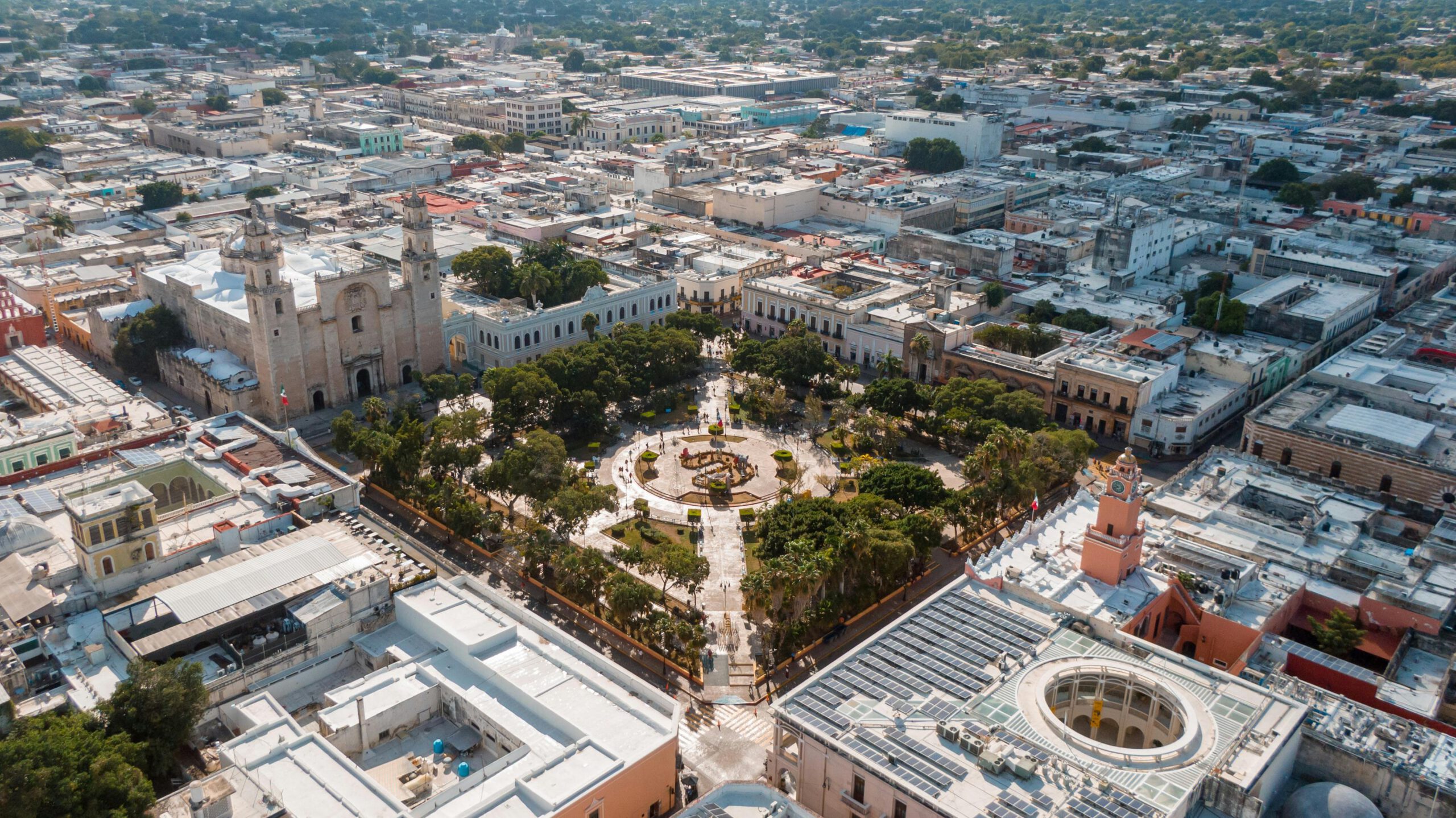
Mérida’s central square is a theater without walls: shoe shiners, balloon sellers, couples on iron “kissing chairs,” and the Catedral de San Ildefonso, one of the oldest cathedrals in the Americas. Step inside to feel the cool stone and a different tempo.
Do it best: Arrive before sunset; stroll the arcades; grab a sorbet; listen for marimba and watch the sky turn coral.
2) Paseo de Montejo promenade
The city’s most glamorous boulevard—wide sidewalks shaded by laurels, punctuated by Porfirian-era mansions that recall a henequén-fueled belle époque. Drop into Palacio Cantón (anthropology museum) for context on the region’s Maya heritage and later expansions.
Do it best: Morning walks or golden hour; café stops; Sunday bici-ruta when cyclists own the street.
3) Museum circuit (choose a couple!)
- MACAY (contemporary art) just off the cathedral—rotating exhibits, a meditative cool-down on hot days.
- Gran Museo del Mundo Maya (north of the center)—a modern, ambitious take on Maya history and living culture.
- Casa Montejo (historic house) for colonial-era furnishings and a peek into the city’s old elite.
Do it best: Late morning into midday heat; pick one or two and linger rather than “collecting” them all.
4) Markets: Lucas de Gálvez & Santa Ana
Markets are Mérida’s heartbeat. Lucas de Gálvez sprawls—produce pyramids, spice mounds, aguas frescas, and food counters where breakfast is loud and perfect. Santa Ana is your friendlier, smaller-door version with classic panuchos and salbutes.
Do it best: Early. Bring cash, curiosity, and an appetite. Order simple: “Un panucho de cochinita, por favor.”
5) Cantina culture (old-school meets modern)
Traditional cantinas are social clubs—swinging doors, cold beer, and complimentary botanas (snacks) with each round. You’ll find vintage rooms with tile floors and a few polished newcomers that keep the ritual alive.
Do it best: Late afternoon into early evening. Pace yourself; the snacks arrive quickly and deliciously.
6) Santa Lucía nights (Serenata & dining)
On certain nights the plaza stage fills with Yucatecan music—boleros, trios, dancers in embroidered ternos. Surrounding streets offer candlelit restaurants and easy-to-love menus.
Do it best: Book dinner after checking the schedule; arrive 20 minutes early to grab a bench.
7) Sunday in Mérida: Bici-Ruta + street life
Sundays are for bicycles, families, and languid lunches. Ride part of the route, park the bike for a cold agua de chaya, then continue to Paseo de Montejo for a long stroll.
Do it best: Bike first thing (cooler), then swap to café-hopping when the sun climbs.
8) House-turned-hotel courtyards (the pool pause)
Many restored casonas hide shady courtyards and small pools. Book a midday pause into your day—read, nap, cool off—then reemerge for golden hour.
Do it best: 1–4 pm, the city’s heat siesta.
9) Cooking classes & food tours
Learn to press tortillas, toast chiles properly, and balance recados in Yucatecan salsas. Market-to-kitchen classes and evening cantina crawls are fun even for seasoned cooks.
Do it best: Morning classes after a light breakfast; evening tours for social butterflies.
10) Day trips (close, varied, unforgettable)
- Uxmal (Ruta Puuc): Elegant Puuc architecture, fewer crowds than Chichén, lush setting. Pair with a chocolate museum or a cave stop if you’re ambitious.
- Celestún: Flamingos in a biosphere reserve, boat trips through mangrove tunnels, and a seafood lunch on the beach.
- Izamal: The “Yellow City”—convent, cobblestones, and mellow small-town strolling.
- Dzibilchaltún & Cenote Xlacah: Ruins just north of the city with a cenote you can swim in when conditions allow.
- Progreso & the coast: Malecón walks, sea breezes, and cold coconuts; better for strolling and snacking than high-drama beaches.
- Homún (and Santa Bárbara cenotes): A circuit of sapphire sinkholes for swimming and photography—rinse before entering!
Do it best: Leave early, pack water and snacks, and build in one anchor stop + one wildcard so you don’t turn a day trip into a marathon.
11) Nightfall rituals: música, helado, paseo
Mérida comes alive in the cooler air. Join the paseo (evening stroll), sample marquesitas (crispy crepes with edam cheese), and let your plans soften—music has a way of finding you here.
Eat & Drink in Mérida (What to Order + Where)
Mérida eats with both memory and flair—ancestral recados (spice pastes) simmering in home kitchens, market breakfasts that start at dawn, and chefs who reinterpret Yucatecan flavors in restored mansions. Plan your days around early markets, a long lunch in the shade, and golden-hour snacks before dinner.
What to order (the short list)
- Cochinita pibil – Pork marinated with recado rojo and sour orange, slow-roasted in banana leaf. Try on panuchos (fried tortillas stuffed with black beans) or salbutes (puffed tortillas).
- Lechón al horno – Crisp-roasted pork with that perfect skin; glorious in tortas with pickled onion.
- Relleno negro – Deep, smoky turkey or pork stew made with recado negro (charred chiles and spices). Comfort in a bowl.
- Papadzules – Soft tortillas bathed in pumpkin-seed sauce, topped with tomato and crumbled egg. Ancient, earthy, satisfying.
- Sopa de lima – Lime-scented chicken soup with crispy tortillas; bright and restorative.
- Queso relleno – A Yucatecan fever dream: Edam cheese stuffed with picadillo, bathed in white sauce and tomato.
- Longaniza de Valladolid – Smoky sausage, often grilled and served with chaya (leafy green) and tortillas.
- Agua de chaya con limón – Yucatán’s chlorophyll lemonade; refreshment in a glass.
- Marquesitas – Street dessert: wafer-thin crepe rolled around queso de bola (Edam) and sweet fillings.
How to eat the day (rhythm that works)
- Early market breakfast (7–10 am) – Hit Lucas de Gálvez for panuchos, salbutes, and juices that taste like sunlight.
- Long lunch (1–3:30 pm) – Traditional fonda or a modern Yucatecan menu in a shady courtyard; this is your big meal.
- Golden hour snack (5–6 pm) – Sorbet, marquesita, or a cold beer with botanas in a cantina.
- Dinner (7:30–10 pm) – Casual to elegant; make time for a post-dinner plaza stroll.
Classic experiences
- Market counters – Order simply and watch the choreography—tortillas puffing, pork pulled, pickled onions tossed. Cash is king; small bills help.
- Traditional cantinas – Order a round and watch the botanas arrive: sikil pak (pumpkin-seed dip), beans, mini panuchos. Not every cantina serves food; ask.
- Loncherías – Humble lunchrooms with short menus and big flavors. Look for handwritten specials.
- Paletas & heladerías – Fruit-forward popsicles and sorbets; mango, guanábana, or mamey on hot afternoons.
Modern Yucatecan (what to expect)
- Reverent, not fussy – Chefs are sourcing local corn, cacao, honey, and line-caught fish; portions tend to be shareable.
- Menus that move – Expect seasonal riffs (mangoes in May, citrus in winter), clever uses of chaya, and recados in dress clothes.
- Ambience – Restored casonas with tiled floors, leafy courtyards, and candlelight; book ahead in the cooler months.
Coffee & daytime fuel
- Third-wave cafés dot Centro and Montejo; you’ll find pour-overs, cortados, and good Wi-Fi.
- Panaderías (bakeries) do early croissants, conchas, and savory tortas for bike-day mornings.
- Hydration – Rotate water, aguas frescas, and electrolytes; the city rewards the well-hydrated.
Food etiquette & tips
- Salsas on the side – Start small; habanero salsas can sneak up on you.
- Pickled red onion (escabeche) is a default—ask to skip if you’re sensitive to vinegar.
- Allergies – Staff are kind; clarify “sin [ingredient]” and verify dishes with recados (they may contain nuts or seeds).
- Reservations – Essential for prime-time dinners during the cool season and festival weekends.
- Tipping – 10–15% at sit-downs is standard; a few coins for market counters is appreciated.
Save this move: Do papadzules at lunch, cantina botanas at dusk, and cochinita panuchos as a late snack. You’ll hit the spectrum without overthinking it.
Day Trips & Easy Excursions
Mérida sits at the center of a wheel whose spokes reach ruins, mangroves, cenotes, and pastel towns. Pick one anchor per day, leave early, and avoid stacking too many stops—Yucatán rewards unhurried days.
Uxmal & the Ruta Puuc (architecture, jungle, quiet)
Why go: Graceful Puuc-style pyramids and palaces with mosaic fretwork; fewer crowds than the peninsula’s headline site and a lusher setting.
How to do it: Leave after sunrise; wander the Governor’s Palace and Nunnery Quadrangle while the stone is still cool. Consider adding one nearby cave stop or a small Puuc site—no more.
Good to know: There’s limited shade; bring water and a hat. The site’s elegance is in details—slow down and look up.
Celestún Biosphere (flamingos & mangroves)
Why go: Boat through mangrove tunnels, watch flamingo flocks paint the water pink, and finish with a barefoot seafood lunch.
How to do it: Arrive in the morning for boat tours; the light is softer and wildlife often more active.
Good to know: Sunscreen before the boat, then rinse off; follow your captain’s instructions to keep a respectful distance from birds.
Izamal (the Yellow City)
Why go: Convent arches, yellow-washed streets, and town-square serenity. Climb a small ruin for town views and wander between artisan workshops.
How to do it: Pair with a leisurely lunch and a stroll through quiet neighborhoods—this one is about atmosphere more than checklists.
Dzibilchaltún & Cenote Xlacah (ruins + swim, when open)
Why go: Close to Mérida, with the small thrill of cooling off in a cenote after temple time (when swimming is permitted). The Temple of the Seven Dolls makes for moody photos.
How to do it: Morning visit; check current swimming rules on arrival and respect closures after heavy rains or maintenance.
Progreso & the Northern Coast (breezes & botanas)
Why go: Malecón strolls, sea air, fried fish, and hammocks; easygoing beach day that’s more about snacks and breezes than dramatic surf.
How to do it: Go weekday mornings for calmer vibes; rent chairs and let time slow down.
Good to know: Wind picks up in the afternoon; bring a light layer and secure hats.
Homún & the Cenote Circuit (blue rooms of light)
Why go: A loop of sapphire sinkholes—some cavernous, some open to the sky. They’re refreshing, photogenic, and spiritually quiet in the early hours.
How to do it: Arrive early and pick two or three cenotes; shower before entering, don’t use sunscreen or oils in the water, and step carefully on wet stairs.
Good to know: Cash for entrances; bring water shoes if you have tender feet.
Hacienda stops (history with courtyards)
Why go: Glimpses of the henequén era—arched naves, chimneys, and gardens. Some haciendas operate as hotels or museums; they make a handsome lunch stop en route to Puuc or cenotes.
How to do it: Choose one to avoid rushing and call ahead if you plan to dine.
Day-trip playbook
- Leave by sunrise. Yucatán is a morning place; you beat heat and buses.
- Anchor + wildcard. Example: Uxmal + one cave; Celestún + beach lunch.
- Pack a small kit. Refillable bottle, electrolytes, hat, quick-dry towel, light layer, cash.
- Watch the sky. In rainy months, storms pass quickly—seek a café, then resume.
- Drive calmly. Look for topes (speed humps), livestock, and cyclists; add buffer time so you never need to rush.
Culture & Etiquette
Mérida is gracious. You’ll feel it in a shopkeeper’s buenos días, a family squeezing over on a park bench, and a waiter insisting you take your time. Lean into that warmth and you’ll fit right in.
Greetings & rhythm
- Say hello first. A simple “buenos días / buenas tardes / buenas noches” opens every interaction. Follow with “por favor” and “gracias.”
- Unhurried service is normal. Meals are time with friends and family; ask for the bill when you’re ready (“la cuenta, por favor”).
- Sunday is sacred to family. Expect long lunches, busy plazas, and lighter business hours.
Dress & visiting sacred spaces
- Cool + modest wins. Linen, cotton, and breathable layers keep you comfortable; bring a shawl for cooler churches and evening breezes.
- Church etiquette. Shoulders and knees covered is considerate; speak softly, skip flash photography, and avoid eating inside atriums.
Money, tipping & small courtesies
- Tipping: 10–15% at restaurants; a few coins for market counters; round up for helpful porters and drivers.
- Cash & cards: Cards are common; small shops and colectivos prefer cash. Keep change for markets, cenotes, and parking lots.
- Bargaining: Gentle and friendly in markets; accept prices with a smile if there’s no wiggle room.
Language & useful phrases
- Spanish helps a lot. A few phrases go far:
- “¿Me recomienda algo típico?” (What local dish do you recommend?)
- “¿Dónde pasa la bici-ruta el domingo?” (Where does the Sunday bike route pass?)
- “¿Hay sombra cerca?” (Is there shade nearby?)
- “Con poco picante, por favor.” (Just a little spicy, please.)
- Yucatec Maya words pop up—pib (earth oven), ceiba (sacred tree), x’keken/dzonot (cenote). You’ll see them on menus and signs.
Heat, health & kindness to yourself
- Hydrate on purpose. Drink before you’re thirsty; carry electrolytes in hot months.
- Shade is strategy. Plan indoor culture at midday and walks at golden hour.
- Mosquitos: Light repellent near mangroves and gardens at dusk; ask hotels about coils or fans for patios.
Cenotes & nature etiquette
- Rinse before swimming. Sunscreens and oils harm fragile ecosystems; many cenotes require a shower.
- No touching formations. Stalactites and roots are living structures.
- Quiet voices. Sound carries in caverns; share the space.
- Life jackets for kids. Currents vary; follow posted rules and staff guidance.
- Leave no trace. Pack out everything; skip glass at water sites.
Getting around gracefully
- Share the sidewalk. Centro’s walkways narrow without warning; single file when needed.
- Cross with care. Use corners and zebra crossings when you can; make eye contact with drivers.
- Ride-hailing etiquette. Confirm your plate, greet your driver, and close doors gently—small kindnesses are remembered.
Safety common sense (the real talk)
- Centro is calm. Keep normal city awareness—phone away while walking, bags zipped, ATM choices deliberate (use indoor machines when possible).
- Heat is the hazard. Plan water, hats, and shade like you plan meals.
- Night walks. Stick to lit, populated streets or take a quick rideshare after late dinners.
Photography & people
- Ask first for portraits. A nod and “¿Puedo tomar una foto?” goes a long way, especially in markets and near altars.
- Tip artisans for time. If someone poses with craft or costume, buy something or offer a small propina.
Cultural north star: Mérida is about presence—plazas at twilight, a slow coffee in a cool arcade, a conversation with your fruit seller. If you move at the city’s pace, doors (and smiles) open.
Safety & Common Scams (What Locals Actually See)
Mérida is famed for its calm—walkable streets, friendly shopkeepers, and a city rhythm that prizes courtesy. Keep normal city awareness and focus more on heat management than high drama.
The real risks (and easy fixes)
- Heat & dehydration: The number-one trip wrecker. Hydrate on purpose, wear a hat, and plan shade at midday. Electrolytes help more than you think.
- Traffic moments: Intersections can be assertive; cross at corners, make eye contact, and don’t assume drivers see you at dusk.
- Uneven sidewalks: Colonial charm means patchwork paving. Watch curb cuts, loose tiles, and post-rain slicks.
Money & valuables
- ATMs: Prefer indoor machines (supermarkets/malls). Withdraw what you need; keep a small cash roll separate from cards.
- Cards & contactless: Widely accepted in restaurants and boutiques; markets and colectivos usually cash-only.
- Pickpockets: Rare but possible in crowds. Zipped daypack, phone put away while walking, and you’re golden.
Transport sense
- Rideshares: Verify the plate and driver name. Share your trip if you like; sit in the back at night.
- Taxis: If flagging on the street, agree on price before you roll.
- Rental cars: Photograph the exterior at pickup/return; watch for topes (speed bumps) on urban and rural roads.
Common annoyances (not “scams,” just life)
- Over-eager tour sellers: A polite “no, gracias” works. Book reputable tours via your hotel or trusted platforms.
- Add-on fees confusion: Parking lots and some attractions have small extra charges; confirm before entering.
- Street hawkers: Friendly but persistent near the main squares. Smile, decline, keep walking.
Health & food safety
- Water: Drink purified; it’s everywhere.
- Food stalls: Follow your nose and the line. Hot & fresh wins.
- Mosquitos: Dusk repellant near gardens/mangroves. If you react strongly, pack antihistamine cream.
Bottom line: Keep your cool (literally), use common sense with cash and crossings, and you’ll find Mérida one of the easiest cities in Mexico to relax into.
Money, SIMs & Practicalities
A little prep streamlines everything—cash for markets, eSIM for maps, and a shortlist of everyday solutions.
Cash & cards
- Currency: Mexican peso (MXN).
- How much cash? Carry small bills for markets, colectivos, cenotes, and tips; cards for restaurants/shops.
- ATMs: Use indoor bank machines or those inside supermarkets/malls; decline dynamic currency conversion (always pay in MXN).
- Tipping norms: 10–15% at sit-down restaurants; a few coins at market counters and for bag handlers; tip guides/drivers for great service.
Phones & data
- eSIMs: Easiest. Activate before landing or on Wi-Fi; you’ll be online the moment you step out of MID.
- Local carriers: Telcel, AT&T, and Movistar work well in the city; coverage varies in rural areas (Telcel tends to lead).
- Wi-Fi: Common in cafés, hotels, and many rentals; speeds vary by neighborhood and router age.
Getting around, the quick menu
- Walk + rideshare: The winning combo for Centro and evening dining.
- Bus/ADO: Intercity buses are comfortable and reliable for Valladolid/Cancún/Campeche links.
- Colectivos: Handy for short hops to nearby towns; cash only, basic comfort.
- Car rental: Worth it for day-trip flexibility (Uxmal/Celestún/cenote loops). Park thoughtfully and look for posted signs.
Pharmacies & health
- Farmacias: Ubiquitous; many offer basic consultations.
- Clinics/hospitals: Private clinics provide quick, competent care; keep travel insurance details handy.
- Heat plan: Electrolytes, hat, breathable layers, and a pool or siesta built into midday.
Shopping & hours
- Markets: Early mornings are best for produce and breakfast stalls.
- Boutiques/galerías: Late morning to evening; some close for a midafternoon pause.
- Sundays: Family-first—expect lively plazas and relaxed shop hours.
Useful phrases that actually help
- “¿Aceptan tarjeta?” (Do you take card?)
- “¿Tienen agua fría/electrolitos?” (Do you have cold water/electrolytes?)
- “¿Dónde tomo el colectivo a…?” (Where do I catch the colectivo to…?)
- “¿Hay cajero adentro?” (Is there an ATM inside?)
Pro tip: Screenshot key addresses and your lodging details. If data hiccups, you can still show a driver exactly where you’re headed.
3-Day Sample Itinerary
Here’s a balanced, heat-smart plan that front-loads mornings, gives you culture without rushing, and leaves room for serendipity. Use it as a flavor preview, then jump to our full post for maps, dining picks, and booking links: 3 Days in Mérida.
Day 1 — Centro Soul & Santa Lucía Nights
Morning (8:00–11:30)
- Plaza Grande warm-up: cathedral interior, arcades, and a sorbet on the square.
- Casa Montejo or MACAY for an air-conditioned culture stop.
- Market brunch at Lucas de Gálvez: panuchos/salbutes + aguas frescas.
Midday (12:00–15:30)
- Check into your casona or take a pool pause.
- Long lunch in a shaded courtyard; keep the afternoon slow.
Golden Hour & Evening (17:00–21:30)
- Historic streets loop: wander toward Parque Santa Lucía via narrow, shady blocks.
- Serenata (on scheduled nights) and dinner on or near the plaza—candlelit and unhurried.
- Cantina nightcap (optional): one round + botanas, then a stroll home.
Why it works: You’ll get your bearings, eat like a local, and feel Mérida’s musical pulse without overexerting on day one.
Day 2 — Paseo de Montejo, Museums & Cantinas
Morning (7:30–11:30)
- Paseo de Montejo at dawn: wide sidewalks, mansions in soft light.
- Pop into Palacio Cantón (anthropology) or a house museum.
- Coffee and light breakfast along the boulevard.
Midday (12:00–15:00)
- Santa Ana market stop for classic plates; browse nearby galleries and boutiques.
- Pool/siesta window—this is your heat shield.
Golden Hour & Evening (17:00–22:00)
- Bici-ruta if it’s Sunday; otherwise a guided cantina crawl or a cooking class finale.
- Modern Yucatecan dinner in a restored mansion—share plates and pace yourselves.
Why it works: A culture-forward day that glides between shade and AC, with an evening that feels celebratory rather than exhausting.
Day 3 — Choose Your Adventure (Day Trip)
Pick one anchor and one wildcard—leave at sunrise, return with stories.
Option A: Uxmal (Puuc elegance)
- Anchor: Uxmal ruins (arrive early).
- Wildcard: A nearby cave or a single hacienda lunch stop.
- Back in town: Easy dinner near your hotel.
Option B: Celestún (flamingos & mangroves)
- Anchor: Morning boat through the Biosphere Reserve.
- Wildcard: Beach lunch and a malecón stroll.
- Back in town: Marquesitas on the plaza.
Option C: Izamal (yellow calm)
- Anchor: Convent and town ramble.
- Wildcard: Artisan workshop visit + rooftop lunch.
- Back in town: Twilight paseo down Montejo.
Option D: Cenote Circuit (Homún/Santa Bárbara)
- Anchor: Two cenotes (not three).
- Wildcard: A third only if crowds are light.
- Back in town: Early dinner; you’ll be sun-soft and happy.
Packing list for the day: Hat, refillable bottle + electrolytes, quick-dry towel, cash, light layer for bus AC, water shoes (cenotes), and a patient timeline.
Next step: For maps, directions, dining reservations, bike rental details, and tour booking links, jump to the full 3 Days in Mérida itinerary. This pillar keeps you oriented; the itinerary dials in the hour-by-hour play.
FAQ: Mérida, Answered
Is Mérida safe for travelers?
Yes—Mérida is known for its calm vibe and community-minded culture. Use normal city awareness (zipped bag, indoor ATMs, lit streets at night) and plan for the real risk: heat. Hydrate, take midday shade, and you’ll feel at ease exploring on foot.
How many days do I need in Mérida?
Three to five nights is the sweet spot: two full city days (Centro, Paseo de Montejo, markets, cantinas) plus one or two day trips (Uxmal, Celestún, Izamal, Dzibilchaltún, or a cenote loop). Add time if you want beach days on the northern coast.
What’s the best area to stay?
First-timers love Centro Histórico, Santa Lucía, or Santa Ana for walkability and dining. For quieter, elegant nights, look to the Paseo de Montejo corridor, Itzimná, or García Ginerés. (See our Where to Stay section for who-fits-where.)
Can I drink the tap water?
No—stick to purified/filtered water, which is ubiquitous in hotels and rentals. Bring a refillable bottle and top up before outings; add electrolytes in hot months.
Do I need a car?
Not in the city. Walk + Uber/inDrive works perfectly. Rent a car if you’re planning multiple day trips (Uxmal/cenotes/coast) and want dawn starts and flexible returns. For single outings, tours or ADO/colectivos are easy.
When’s the best time to visit?
Dec–Mar has the friendliest weather; Apr–May is very hot but quieter; Jun–Oct brings quick rains, lush greens, and value; Nov is a cultural sweet spot as the heat eases. Plan mornings/evenings year-round.
What should I wear?
Breathable linen/cotton by day; a light shawl for churches and evening breezes. Mérida dresses casually but neat—guayaberas and sundresses feel right. Modest dress in sacred spaces is appreciated.
Are mosquitos a big problem?
Mostly at dusk and on day trips (mangroves, cenotes, gardens). Pack light repellent and consider long sleeves in the evening. In town centers, they’re more of a nuisance than a trip-stopper.
Which cenotes are near Mérida?
Great options include Dzibilchaltún (Cenote Xlacah) (when open for swimming), the Homún circuit, and Santa Bárbara near Homún. Always rinse before entering, avoid sunscreen/oils in the water, and wear water shoes if rocks bother your feet. (See our Cenote Etiquette box and link to the Homún Cenotes guide.)
Is English widely spoken?
You’ll get by in tourism areas, but a little Spanish opens doors. Start every interaction with buenos días/tardes/noches and you’ll feel the warmth. We’ve listed helpful phrases in Culture & Etiquette.
How much cash should I carry?
Bring small bills for markets, colectivos, cenotes, and tips; use cards at restaurants and boutiques. Prefer indoor ATMs, pay in MXN (decline dynamic currency conversion), and keep a small backup stash at your hotel.
Are Sundays different?
Yes—family day. Expect bici-ruta (car-free streets), lively plazas, and relaxed store hours. Plan bikes and brunch early, then a long lunch and plaza time.
Can I swim at Dzibilchaltún?
Sometimes. Swimming at Cenote Xlacah opens/closes depending on conditions and maintenance. Check at the entrance; if closed, pivot to Homún or another nearby cenote.
What are can’t-miss experiences in the city?
A golden-hour Paseo de Montejo walk, Serenata in Santa Lucía (on scheduled nights), a market breakfast (panuchos/salbutes), and a cantina round with botanas. Add one day trip—Uxmal or Celestún—to round out your story.
Do I need reservations for dinner?
In the cool season and on event weekends, yes for popular spots—especially around Santa Lucía and Montejo. Otherwise, arrive early or have a backup nearby.
What’s the best souvenir to bring home?
Look for henequén goods, guayaberas, hammocks, melipona honey, and artisan ceramics/textiles. Buy from workshops and cooperatives when you can—your pesos go further for makers.
Mérida Travel Guide: Colonial Heart of Yucatán
In This Guide
Regions
Why Mérida?
By late afternoon the city turns the color of guava—pink skies above white limestone façades, the plaza humming with marimba and gossip. Grand old casonas line Paseo de Montejo, while tiny tortillerías perfume the side streets. Locals greet you with a warm ¡buenas! and an invitation to slow down. Mérida is the safest big city in Mexico, a cultural capital with Mayan roots and colonial bones, where dinner might be cochinita pibil on a plastic stool or a chef’s tasting menu in a restored mansion. Come for the elegance; stay for the rhythm—serenatas in Santa Lucía, Sunday bici-ruta, markets that start at dawn, and day trips that swing from Uxmal’s Puuc temples to flamingos in Celestún. This is your landing pad for Yucatán: graceful, grounded, and deeply alive.
In a nutshell:
-
Architecture & ambiance: walkable Centro Histórico, leafy plazas, Belle Époque mansions.
-
Food culture: market breakfasts, Yucatecan classics (papadzules, panuchos), modern kitchens.
-
Easy logistics: international airport (MID), ADO bus network, Uber/inDrive in town.
-
Day trips galore: ruins, cenotes, biospheres, and breezy beach towns within 45–90 minutes.
-
Travel style fit: culture-forward travelers, design lovers, families, and curious eaters.
At a Glance
Nicknames: “La Ciudad Blanca” (The White City) — think bright limestone, tidy streets, and a polished historic center.
Region: Northwest Yucatán Peninsula (Mexico) — a springboard to cenotes, ruins, lagoons, and the northern coast.
Population: ~1 million in the metro area; a genuine city with a small-town soul.
Language: Spanish and Yucatec Maya are common; English is widely understood in hospitality.
Time Zone: Central Standard Time (no daylight savings).
Currency: Mexican peso (MXN). ATMs and card acceptance are widespread; markets and street stalls are cash-friendly.
Electricity & Plugs: 127V/60Hz; Type A/B (US-style flat pins). Most travelers don’t need a converter; a surge protector is smart.
Mobile & Data: eSIMs work well; Telcel/AT&T/Movistar have solid city coverage. Wi-Fi is common in cafés, hotels, and many rentals.
Getting Around (city): Walkable Centro; Uber/inDrive for cross-town hops; bikes on Sunday bici-ruta; rental car only if you’re day-tripping a lot.
Best For: Culture/history travelers, design-forward families, food lovers, photographers, winter sun seekers.
Ideal Stay: 3–5 nights in the city (plus day trips). Add nights if you’re splitting time between Mérida and coast or ruin circuits.
Tap Water: Not potable. Drink purified/filtered water (ubiquitous in hotels and rentals).
Tipping Norms: 10–15% at sit-down restaurants; small coins for markets; tip drivers/guides for great service.
Safety Snapshot: Calm city vibe; standard big-city awareness. The real hazard is the heat—hydrate and plan midday shade.
Sunday Traditions: Streets close for bici-ruta, families fill plazas, and long lunches reign.
Good to Know:
-
Afternoon heat is real; plan early mornings and dusky evenings for walking tours.
-
Many churches and cultural venues encourage modest dress.
-
Sunscreen is welcome, but rinse before cenotes (eco rule of thumb).
When to Visit Mérida
Mérida is a year-round city, but the feel of your trip changes with the thermometer and calendar. The guiding principle: chase mornings and evenings when it’s warm; embrace shade, siestas, and museums when it’s hot. Here’s the insider breakdown by season and what’s on.
Seasons at a glance
December–March (Cooler, Dry, Festive) — Prime time
Expect the softest weather of the year: sun-splashed days, pleasant nights, low-ish humidity by Mérida standards. It’s lively—many cultural events, travelers in town, and restaurants buzzing. Book stays and tours ahead.
Pros: Best walking weather; busy events calendar; photogenic skies.
Cons: Higher demand; reservations advised; coastal breezes can be cooler at night.
April–May (Very Hot, Before the Rains) — For heat-tolerant culture seekers
Locals will tell you: this is hot-hot. The city still functions with aplomb—markets in the morning, long lunches, slower afternoons, golden-hour strolls. If you’re prepared (light clothes, hat, water), you’ll have thinner crowds and easy reservations.
Pros: Fewer lines; value on accommodations; mango season at markets.
Cons: Midday outdoors can be punishing—plan shade and indoor museums mid-day.
June–October (Rainy Season, Lush Landscapes) — Green and steamy
Afternoon cloudbursts roll through—quick and theatrical—leaving glossy streets and cooler evenings. It’s humid but manageable with smart pacing. Great time for cenotes (refreshing!), markets, and slow city days punctuated by café stops.
Pros: Lower prices; vibrant greenery; dramatic skies; cenotes feel extra-rewarding.
Cons: Humidity; occasional storms; plan buffers for day trips.
November (Transition, Cultural High) — Color and remembrance
Skies clear, heat eases, and tradition takes center stage. You’ll feel the city inhale after the rains and gear up for the winter season.
Pros: Comfort returns; cultural events; good balance of crowds and calm.
Cons: Growing demand toward late month—book stays if dates are fixed.
Insider pacing: No matter the month, front-load your days: sunrise plazas, breakfast markets, a late-morning museum; siesta or pool time in the early afternoon; golden hour on Paseo de Montejo; dinner and music in Santa Lucía.
Festivals & cultural moments (highlights)
-
Hanal Pixán (late Oct–early Nov): Yucatecan Day of the Dead traditions—altars, foods, and processions honoring the departed.
-
Carnaval de Mérida (late winter): Parades, costumes, concerts; family-friendly and exuberant.
-
La Noche Blanca (select weekends, a few times per year): Museums and galleries open late with performances throughout the Centro—art meets street party.
-
Vaquería Yucateca (weekly): A folkloric dance tradition—colorful ternos and guayaberas, often in public squares.
-
Domingo en Mérida / Bici-Ruta (every Sunday): Streets close to cars in parts of the center—rent a bike, join the flow, and snack your way across town.
-
City Anniversary & Cultural Weeks (periodic): Pop-up concerts, theater, and street performances—watch municipal calendars.
(Exact dates vary each year; confirm details close to travel.)
Crowd & price dynamics
-
Peak demand: Late December–March and around major holidays/events. Book rooms and marquee tours early.
-
Shoulder wins: November and early December; late March–April (heat rising but fewer crowds).
-
Value windows: May–June and September–October often bring better hotel availability and rates.
What to pack (do this right and you’ll love the city)
-
Breathable layers: Linen/cotton tops, airy pants/skirts, a light shawl for churches or evening breezes.
-
Sun armor: Wide-brim hat, sunglasses, reef-safe sunscreen (rinse before cenotes), lip balm with SPF.
-
Hydration kit: Refillable bottle; electrolytes for hot days; tiny packable fan is a local-level power move.
-
Footwear: Cushioned walking shoes or leather sandals with grip; cobblestones can be uneven.
-
Bug plan: Light repellant for dusk, especially for day trips (mangroves, cenotes, coast).
-
Nice-casual outfit: Many restaurants and cantinas are relaxed but stylish; a guayabera never looks out of place.
Heat & humidity playbook (how locals cope)
-
Chop the day into thirds: Morning culture walk → midday shade (museum/lunch/siesta) → dusk paseo + dinner.
-
Pick shady streets: The Centro’s narrow corridors create pockets of shade; arcades around Plaza Grande are your friend.
-
Water > coffee (at least before noon): Then treat yourself to a late cortado once you’ve cooled off.
-
Don’t race the sun: Golden hour is Mérida’s magic hour—line up Paseo de Montejo or Santa Lucía then.
Getting There & Around
Mérida is easy to reach and even easier to move around in—think compact Centro for walkers, rideshares for cross-town hops, and a web of buses and highways radiating toward ruins, cenotes, and the coast.
Arriving by air (MID – Mérida International)
- MID sits on the southwest side of the city, about 15–25 minutes from Centro outside rush hour.
- Planes come and go steadily, but this is a human-scale airport—baggage and immigration are typically smooth.
- Once outside, you’ll find official taxis, rideshares (pick-up areas are clearly marked), and a few car-rental counters.
Insider tip: If you’re landing in the afternoon heat, book a hotel with a pool or courtyard—you’ll thank yourself at check-in.
Arriving by bus (ADO & friends)
- ADO coaches connect Mérida to Cancún, Valladolid, Campeche, and beyond.
- Buses typically arrive at CAME (Central de Autobuses Mérida) near Centro or other ADO terminals; from there, rideshares are effortless.
- For short hops or day trips, second-class lines and colectivos run to surrounding towns (Homún, Izamal, Progreso)—expect basic comfort but frequent departures.
Good to know: For any bus trip, bring a light layer for air-con and tap-to-pay cards for café snacks.
Renting a car (for day trips & freedom)
- In the city itself, you won’t need a car. For Uxmal, Celestún, Izamal, or cenote circuits, a car unlocks early starts and flexible returns.
- Parking in Centro is a mix of street spots and small paid lots. In residential neighborhoods (Itzimná, García Ginerés), street parking is common—be mindful of driveways and signage.
Driving style check: Yucatán drivers are patient; top hazards are speed bumps (topes), bicycles, and the occasional iguana sunning itself. Night driving on rural roads requires extra caution.
Rideshares, taxis & short hops
- Uber/inDrive cover most of Mérida. They’re inexpensive, fast, and ideal for hot afternoons or late-night returns.
- Taxis can be hailed or called; check the fare before you hop in if there’s no meter.
Two wheels & walking
- Walking: Centro Histórico is flat and gridded; shade appears and disappears block by block—aim for morning and golden hour.
- Sunday Bici-Ruta: A portion of the city goes car-free; rent a bike and cruise between plazas, coffee stops, and Paseo de Montejo.
- Scooters/bikes on weekdays: Fun for short errands; always lock up and avoid midday scorchers.
Accessibility note: Sidewalks can be narrow or uneven; step down carefully at driveway cuts, especially after rain.
Where to Stay (Neighborhood Guide)
Mérida’s neighborhoods are personalities more than postal codes—each with a rhythm, a look, and a “this is who I’m for” energy. Choose by vibe first, then by your daily plan (museums vs. pool time vs. day trips).
Centro Histórico (Plaza Grande & Cathedral orbit)
Vibe: Classic postcards—cathedral bells, colonnaded plazas, museums, and marimba at dusk.
Why stay here: Walk out the door and you’re in Mérida 101. Ideal for first-timers who want museums by day and music by night.
Sounds & feels: Busy by day, surprisingly calm after dinner beyond the main squares.
Stay style: Restored casonas with courtyards, boutique inns with small plunge pools, airy apartments tucked behind old doors.
Best for: Culture-first travelers, photographers, short stays.
Watch-outs: Occasional street noise; some blocks have narrow sidewalks.
Santa Lucía (Plaza Santa Lucía & live music core)
Vibe: Bohemian-leaning and polished—candlelit restaurants, Serenata Yucateca on stage, outdoor dining and people-watching.
Why stay here: Evenings bloom—music, cocktails, and polished dining scene; walkable to everything.
Stay style: Mid-to-upscale boutiques with pretty courtyards; apartments above cafés.
Best for: Food lovers, couples, design-conscious travelers.
Watch-outs: Nighttime buzz can drift into rooms near the plaza—ask about interior rooms if you’re a light sleeper.
Santa Ana (Market mornings, gallery afternoons)
Vibe: Creative, tasteful, a little scrappier around the edges—Parque Santa Ana anchors a micro-world of breakfast stalls, galleries, and artisan boutiques.
Why stay here: Central without being “on the nose.” Breezy to Paseo de Montejo and museums.
Stay style: Chic casitas with pools, small hotels with leafy patios.
Best for: Slow travelers, shoppers, café grazers.
Watch-outs: Some blocks are quiet at night—great for sleep, but plan rideshares after late dinners.
Paseo de Montejo Corridor (Boulevard & mansions)
Vibe: Belle Époque grandeur—wide sidewalks, Porfirian mansions, museums like Palacio Cantón, weekend stroll energy.
Why stay here: Space, elegance, and an easy axis for morning walks; still close to Centro with cooler evening breezes.
Stay style: Mansion hotels, modern apartments, upscale boutiques.
Best for: Design lovers, walkers, families wanting calmer nights.
Watch-outs: You’ll ride-share for late-night Centro returns; some properties sit right on the boulevard—ask about interior-facing rooms.
Itzimná (Residential charm, leafy streets)
Vibe: Old Mérida gentility—low-key cafés, pocket parks, guayabera-classic energy.
Why stay here: Local neighborhood feel, good for longer stays and quiet nights.
Stay style: Houses-turned-boutiques, casitas with full kitchens and small pools.
Best for: Families, remote workers, slow travelers.
Watch-outs: Fewer marquee sights at your doorstep—plan on rideshares for Centro nights.
García Ginerés (Art Deco, shady patios)
Vibe: 20th-century homes with modern renovations, calm streets, and Parque de las Américas nearby.
Why stay here: Space to spread out, excellent for groups or anyone craving a neighborhood rhythm.
Stay style: Larger rentals with gardens, occasional boutique houses with 2–4 bedrooms.
Best for: Groups, design-forward families, pool people.
Watch-outs: You’ll ride-share for almost everything; reward is peace and privacy.
Santiago (Local market & community heartbeat)
Vibe: Neighborhood-first—Mercado de Santiago for breakfast, quiet streets, humble charm with a dash of restoration.
Why stay here: A lived-in slice of Mérida with easy access to Centro’s west side.
Stay style: Renovated colonial homes, small B&Bs, friendly guesthouses.
Best for: Market lovers, early risers, low-key evenings.
Watch-outs: Blocks vary—some still in transition; scout street views if you’re picky about façades.
How to choose quickly:
- First time & foot-powered: Centro, Santa Lucía, Santa Ana
- Stylish quiet with space: Paseo de Montejo corridor, Itzimná, García Ginerés
- Market mornings, local rhythm: Santiago
Hotel search tip: Build your shortlists by neighborhood rather than citywide. Then compare courtyards/pools and walking distance to your evening plaza of choice.
Top Things to Do in Mérida
You could spend a week moving between plazas, museums, markets, and music nights and never once feel rushed. Start with the city’s free public culture, layer on museums and mansions, and add a day trip or two when the mood strikes.
1) Plaza Grande & the Cathedral (Centro’s living room)
Mérida’s central square is a theater without walls: shoe shiners, balloon sellers, couples on iron “kissing chairs,” and the Catedral de San Ildefonso, one of the oldest cathedrals in the Americas. Step inside to feel the cool stone and a different tempo.
Do it best: Arrive before sunset; stroll the arcades; grab a sorbet; listen for marimba and watch the sky turn coral.
2) Paseo de Montejo promenade
The city’s most glamorous boulevard—wide sidewalks shaded by laurels, punctuated by Porfirian-era mansions that recall a henequén-fueled belle époque. Drop into Palacio Cantón (anthropology museum) for context on the region’s Maya heritage and later expansions.
Do it best: Morning walks or golden hour; café stops; Sunday bici-ruta when cyclists own the street.
3) Museum circuit (choose a couple!)
- MACAY (contemporary art) just off the cathedral—rotating exhibits, a meditative cool-down on hot days.
- Gran Museo del Mundo Maya (north of the center)—a modern, ambitious take on Maya history and living culture.
- Casa Montejo (historic house) for colonial-era furnishings and a peek into the city’s old elite.
Do it best: Late morning into midday heat; pick one or two and linger rather than “collecting” them all.
4) Markets: Lucas de Gálvez & Santa Ana
Markets are Mérida’s heartbeat. Lucas de Gálvez sprawls—produce pyramids, spice mounds, aguas frescas, and food counters where breakfast is loud and perfect. Santa Ana is your friendlier, smaller-door version with classic panuchos and salbutes.
Do it best: Early. Bring cash, curiosity, and an appetite. Order simple: “Un panucho de cochinita, por favor.”
5) Cantina culture (old-school meets modern)
Traditional cantinas are social clubs—swinging doors, cold beer, and complimentary botanas (snacks) with each round. You’ll find vintage rooms with tile floors and a few polished newcomers that keep the ritual alive.
Do it best: Late afternoon into early evening. Pace yourself; the snacks arrive quickly and deliciously.
6) Santa Lucía nights (Serenata & dining)
On certain nights the plaza stage fills with Yucatecan music—boleros, trios, dancers in embroidered ternos. Surrounding streets offer candlelit restaurants and easy-to-love menus.
Do it best: Book dinner after checking the schedule; arrive 20 minutes early to grab a bench.
7) Sunday in Mérida: Bici-Ruta + street life
Sundays are for bicycles, families, and languid lunches. Ride part of the route, park the bike for a cold agua de chaya, then continue to Paseo de Montejo for a long stroll.
Do it best: Bike first thing (cooler), then swap to café-hopping when the sun climbs.
8) House-turned-hotel courtyards (the pool pause)
Many restored casonas hide shady courtyards and small pools. Book a midday pause into your day—read, nap, cool off—then reemerge for golden hour.
Do it best: 1–4 pm, the city’s heat siesta.
9) Cooking classes & food tours
Learn to press tortillas, toast chiles properly, and balance recados in Yucatecan salsas. Market-to-kitchen classes and evening cantina crawls are fun even for seasoned cooks.
Do it best: Morning classes after a light breakfast; evening tours for social butterflies.
10) Day trips (close, varied, unforgettable)
- Uxmal (Ruta Puuc): Elegant Puuc architecture, fewer crowds than Chichén, lush setting. Pair with a chocolate museum or a cave stop if you’re ambitious.
- Celestún: Flamingos in a biosphere reserve, boat trips through mangrove tunnels, and a seafood lunch on the beach.
- Izamal: The “Yellow City”—convent, cobblestones, and mellow small-town strolling.
- Dzibilchaltún & Cenote Xlacah: Ruins just north of the city with a cenote you can swim in when conditions allow.
- Progreso & the coast: Malecón walks, sea breezes, and cold coconuts; better for strolling and snacking than high-drama beaches.
- Homún (and Santa Bárbara cenotes): A circuit of sapphire sinkholes for swimming and photography—rinse before entering!
Do it best: Leave early, pack water and snacks, and build in one anchor stop + one wildcard so you don’t turn a day trip into a marathon.
11) Nightfall rituals: música, helado, paseo
Mérida comes alive in the cooler air. Join the paseo (evening stroll), sample marquesitas (crispy crepes with edam cheese), and let your plans soften—music has a way of finding you here.
Eat & Drink in Mérida (What to Order + Where)
Mérida eats with both memory and flair—ancestral recados (spice pastes) simmering in home kitchens, market breakfasts that start at dawn, and chefs who reinterpret Yucatecan flavors in restored mansions. Plan your days around early markets, a long lunch in the shade, and golden-hour snacks before dinner.
What to order (the short list)
- Cochinita pibil – Pork marinated with recado rojo and sour orange, slow-roasted in banana leaf. Try on panuchos (fried tortillas stuffed with black beans) or salbutes (puffed tortillas).
- Lechón al horno – Crisp-roasted pork with that perfect skin; glorious in tortas with pickled onion.
- Relleno negro – Deep, smoky turkey or pork stew made with recado negro (charred chiles and spices). Comfort in a bowl.
- Papadzules – Soft tortillas bathed in pumpkin-seed sauce, topped with tomato and crumbled egg. Ancient, earthy, satisfying.
- Sopa de lima – Lime-scented chicken soup with crispy tortillas; bright and restorative.
- Queso relleno – A Yucatecan fever dream: Edam cheese stuffed with picadillo, bathed in white sauce and tomato.
- Longaniza de Valladolid – Smoky sausage, often grilled and served with chaya (leafy green) and tortillas.
- Agua de chaya con limón – Yucatán’s chlorophyll lemonade; refreshment in a glass.
- Marquesitas – Street dessert: wafer-thin crepe rolled around queso de bola (Edam) and sweet fillings.
How to eat the day (rhythm that works)
- Early market breakfast (7–10 am) – Hit Lucas de Gálvez for panuchos, salbutes, and juices that taste like sunlight.
- Long lunch (1–3:30 pm) – Traditional fonda or a modern Yucatecan menu in a shady courtyard; this is your big meal.
- Golden hour snack (5–6 pm) – Sorbet, marquesita, or a cold beer with botanas in a cantina.
- Dinner (7:30–10 pm) – Casual to elegant; make time for a post-dinner plaza stroll.
Classic experiences
- Market counters – Order simply and watch the choreography—tortillas puffing, pork pulled, pickled onions tossed. Cash is king; small bills help.
- Traditional cantinas – Order a round and watch the botanas arrive: sikil pak (pumpkin-seed dip), beans, mini panuchos. Not every cantina serves food; ask.
- Loncherías – Humble lunchrooms with short menus and big flavors. Look for handwritten specials.
- Paletas & heladerías – Fruit-forward popsicles and sorbets; mango, guanábana, or mamey on hot afternoons.
Modern Yucatecan (what to expect)
- Reverent, not fussy – Chefs are sourcing local corn, cacao, honey, and line-caught fish; portions tend to be shareable.
- Menus that move – Expect seasonal riffs (mangoes in May, citrus in winter), clever uses of chaya, and recados in dress clothes.
- Ambience – Restored casonas with tiled floors, leafy courtyards, and candlelight; book ahead in the cooler months.
Coffee & daytime fuel
- Third-wave cafés dot Centro and Montejo; you’ll find pour-overs, cortados, and good Wi-Fi.
- Panaderías (bakeries) do early croissants, conchas, and savory tortas for bike-day mornings.
- Hydration – Rotate water, aguas frescas, and electrolytes; the city rewards the well-hydrated.
Food etiquette & tips
- Salsas on the side – Start small; habanero salsas can sneak up on you.
- Pickled red onion (escabeche) is a default—ask to skip if you’re sensitive to vinegar.
- Allergies – Staff are kind; clarify “sin [ingredient]” and verify dishes with recados (they may contain nuts or seeds).
- Reservations – Essential for prime-time dinners during the cool season and festival weekends.
- Tipping – 10–15% at sit-downs is standard; a few coins for market counters is appreciated.
Save this move: Do papadzules at lunch, cantina botanas at dusk, and cochinita panuchos as a late snack. You’ll hit the spectrum without overthinking it.
Day Trips & Easy Excursions
Mérida sits at the center of a wheel whose spokes reach ruins, mangroves, cenotes, and pastel towns. Pick one anchor per day, leave early, and avoid stacking too many stops—Yucatán rewards unhurried days.
Uxmal & the Ruta Puuc (architecture, jungle, quiet)
Why go: Graceful Puuc-style pyramids and palaces with mosaic fretwork; fewer crowds than the peninsula’s headline site and a lusher setting.
How to do it: Leave after sunrise; wander the Governor’s Palace and Nunnery Quadrangle while the stone is still cool. Consider adding one nearby cave stop or a small Puuc site—no more.
Good to know: There’s limited shade; bring water and a hat. The site’s elegance is in details—slow down and look up.
Celestún Biosphere (flamingos & mangroves)
Why go: Boat through mangrove tunnels, watch flamingo flocks paint the water pink, and finish with a barefoot seafood lunch.
How to do it: Arrive in the morning for boat tours; the light is softer and wildlife often more active.
Good to know: Sunscreen before the boat, then rinse off; follow your captain’s instructions to keep a respectful distance from birds.
Izamal (the Yellow City)
Why go: Convent arches, yellow-washed streets, and town-square serenity. Climb a small ruin for town views and wander between artisan workshops.
How to do it: Pair with a leisurely lunch and a stroll through quiet neighborhoods—this one is about atmosphere more than checklists.
Dzibilchaltún & Cenote Xlacah (ruins + swim, when open)
Why go: Close to Mérida, with the small thrill of cooling off in a cenote after temple time (when swimming is permitted). The Temple of the Seven Dolls makes for moody photos.
How to do it: Morning visit; check current swimming rules on arrival and respect closures after heavy rains or maintenance.
Progreso & the Northern Coast (breezes & botanas)
Why go: Malecón strolls, sea air, fried fish, and hammocks; easygoing beach day that’s more about snacks and breezes than dramatic surf.
How to do it: Go weekday mornings for calmer vibes; rent chairs and let time slow down.
Good to know: Wind picks up in the afternoon; bring a light layer and secure hats.
Homún & the Cenote Circuit (blue rooms of light)
Why go: A loop of sapphire sinkholes—some cavernous, some open to the sky. They’re refreshing, photogenic, and spiritually quiet in the early hours.
How to do it: Arrive early and pick two or three cenotes; shower before entering, don’t use sunscreen or oils in the water, and step carefully on wet stairs.
Good to know: Cash for entrances; bring water shoes if you have tender feet.
Hacienda stops (history with courtyards)
Why go: Glimpses of the henequén era—arched naves, chimneys, and gardens. Some haciendas operate as hotels or museums; they make a handsome lunch stop en route to Puuc or cenotes.
How to do it: Choose one to avoid rushing and call ahead if you plan to dine.
Day-trip playbook
- Leave by sunrise. Yucatán is a morning place; you beat heat and buses.
- Anchor + wildcard. Example: Uxmal + one cave; Celestún + beach lunch.
- Pack a small kit. Refillable bottle, electrolytes, hat, quick-dry towel, light layer, cash.
- Watch the sky. In rainy months, storms pass quickly—seek a café, then resume.
- Drive calmly. Look for topes (speed humps), livestock, and cyclists; add buffer time so you never need to rush.
Culture & Etiquette
Mérida is gracious. You’ll feel it in a shopkeeper’s buenos días, a family squeezing over on a park bench, and a waiter insisting you take your time. Lean into that warmth and you’ll fit right in.
Greetings & rhythm
- Say hello first. A simple “buenos días / buenas tardes / buenas noches” opens every interaction. Follow with “por favor” and “gracias.”
- Unhurried service is normal. Meals are time with friends and family; ask for the bill when you’re ready (“la cuenta, por favor”).
- Sunday is sacred to family. Expect long lunches, busy plazas, and lighter business hours.
Dress & visiting sacred spaces
- Cool + modest wins. Linen, cotton, and breathable layers keep you comfortable; bring a shawl for cooler churches and evening breezes.
- Church etiquette. Shoulders and knees covered is considerate; speak softly, skip flash photography, and avoid eating inside atriums.
Money, tipping & small courtesies
- Tipping: 10–15% at restaurants; a few coins for market counters; round up for helpful porters and drivers.
- Cash & cards: Cards are common; small shops and colectivos prefer cash. Keep change for markets, cenotes, and parking lots.
- Bargaining: Gentle and friendly in markets; accept prices with a smile if there’s no wiggle room.
Language & useful phrases
- Spanish helps a lot. A few phrases go far:
- “¿Me recomienda algo típico?” (What local dish do you recommend?)
- “¿Dónde pasa la bici-ruta el domingo?” (Where does the Sunday bike route pass?)
- “¿Hay sombra cerca?” (Is there shade nearby?)
- “Con poco picante, por favor.” (Just a little spicy, please.)
- Yucatec Maya words pop up—pib (earth oven), ceiba (sacred tree), x’keken/dzonot (cenote). You’ll see them on menus and signs.
Heat, health & kindness to yourself
- Hydrate on purpose. Drink before you’re thirsty; carry electrolytes in hot months.
- Shade is strategy. Plan indoor culture at midday and walks at golden hour.
- Mosquitos: Light repellent near mangroves and gardens at dusk; ask hotels about coils or fans for patios.
Cenotes & nature etiquette
- Rinse before swimming. Sunscreens and oils harm fragile ecosystems; many cenotes require a shower.
- No touching formations. Stalactites and roots are living structures.
- Quiet voices. Sound carries in caverns; share the space.
- Life jackets for kids. Currents vary; follow posted rules and staff guidance.
- Leave no trace. Pack out everything; skip glass at water sites.
Getting around gracefully
- Share the sidewalk. Centro’s walkways narrow without warning; single file when needed.
- Cross with care. Use corners and zebra crossings when you can; make eye contact with drivers.
- Ride-hailing etiquette. Confirm your plate, greet your driver, and close doors gently—small kindnesses are remembered.
Safety common sense (the real talk)
- Centro is calm. Keep normal city awareness—phone away while walking, bags zipped, ATM choices deliberate (use indoor machines when possible).
- Heat is the hazard. Plan water, hats, and shade like you plan meals.
- Night walks. Stick to lit, populated streets or take a quick rideshare after late dinners.
Photography & people
- Ask first for portraits. A nod and “¿Puedo tomar una foto?” goes a long way, especially in markets and near altars.
- Tip artisans for time. If someone poses with craft or costume, buy something or offer a small propina.
Cultural north star: Mérida is about presence—plazas at twilight, a slow coffee in a cool arcade, a conversation with your fruit seller. If you move at the city’s pace, doors (and smiles) open.
Safety & Common Scams (What Locals Actually See)
Mérida is famed for its calm—walkable streets, friendly shopkeepers, and a city rhythm that prizes courtesy. Keep normal city awareness and focus more on heat management than high drama.
The real risks (and easy fixes)
- Heat & dehydration: The number-one trip wrecker. Hydrate on purpose, wear a hat, and plan shade at midday. Electrolytes help more than you think.
- Traffic moments: Intersections can be assertive; cross at corners, make eye contact, and don’t assume drivers see you at dusk.
- Uneven sidewalks: Colonial charm means patchwork paving. Watch curb cuts, loose tiles, and post-rain slicks.
Money & valuables
- ATMs: Prefer indoor machines (supermarkets/malls). Withdraw what you need; keep a small cash roll separate from cards.
- Cards & contactless: Widely accepted in restaurants and boutiques; markets and colectivos usually cash-only.
- Pickpockets: Rare but possible in crowds. Zipped daypack, phone put away while walking, and you’re golden.
Transport sense
- Rideshares: Verify the plate and driver name. Share your trip if you like; sit in the back at night.
- Taxis: If flagging on the street, agree on price before you roll.
- Rental cars: Photograph the exterior at pickup/return; watch for topes (speed bumps) on urban and rural roads.
Common annoyances (not “scams,” just life)
- Over-eager tour sellers: A polite “no, gracias” works. Book reputable tours via your hotel or trusted platforms.
- Add-on fees confusion: Parking lots and some attractions have small extra charges; confirm before entering.
- Street hawkers: Friendly but persistent near the main squares. Smile, decline, keep walking.
Health & food safety
- Water: Drink purified; it’s everywhere.
- Food stalls: Follow your nose and the line. Hot & fresh wins.
- Mosquitos: Dusk repellant near gardens/mangroves. If you react strongly, pack antihistamine cream.
Bottom line: Keep your cool (literally), use common sense with cash and crossings, and you’ll find Mérida one of the easiest cities in Mexico to relax into.
Money, SIMs & Practicalities
A little prep streamlines everything—cash for markets, eSIM for maps, and a shortlist of everyday solutions.
Cash & cards
- Currency: Mexican peso (MXN).
- How much cash? Carry small bills for markets, colectivos, cenotes, and tips; cards for restaurants/shops.
- ATMs: Use indoor bank machines or those inside supermarkets/malls; decline dynamic currency conversion (always pay in MXN).
- Tipping norms: 10–15% at sit-down restaurants; a few coins at market counters and for bag handlers; tip guides/drivers for great service.
Phones & data
- eSIMs: Easiest. Activate before landing or on Wi-Fi; you’ll be online the moment you step out of MID.
- Local carriers: Telcel, AT&T, and Movistar work well in the city; coverage varies in rural areas (Telcel tends to lead).
- Wi-Fi: Common in cafés, hotels, and many rentals; speeds vary by neighborhood and router age.
Getting around, the quick menu
- Walk + rideshare: The winning combo for Centro and evening dining.
- Bus/ADO: Intercity buses are comfortable and reliable for Valladolid/Cancún/Campeche links.
- Colectivos: Handy for short hops to nearby towns; cash only, basic comfort.
- Car rental: Worth it for day-trip flexibility (Uxmal/Celestún/cenote loops). Park thoughtfully and look for posted signs.
Pharmacies & health
- Farmacias: Ubiquitous; many offer basic consultations.
- Clinics/hospitals: Private clinics provide quick, competent care; keep travel insurance details handy.
- Heat plan: Electrolytes, hat, breathable layers, and a pool or siesta built into midday.
Shopping & hours
- Markets: Early mornings are best for produce and breakfast stalls.
- Boutiques/galerías: Late morning to evening; some close for a midafternoon pause.
- Sundays: Family-first—expect lively plazas and relaxed shop hours.
Useful phrases that actually help
- “¿Aceptan tarjeta?” (Do you take card?)
- “¿Tienen agua fría/electrolitos?” (Do you have cold water/electrolytes?)
- “¿Dónde tomo el colectivo a…?” (Where do I catch the colectivo to…?)
- “¿Hay cajero adentro?” (Is there an ATM inside?)
Pro tip: Screenshot key addresses and your lodging details. If data hiccups, you can still show a driver exactly where you’re headed.
3-Day Sample Itinerary
Here’s a balanced, heat-smart plan that front-loads mornings, gives you culture without rushing, and leaves room for serendipity. Use it as a flavor preview, then jump to our full post for maps, dining picks, and booking links: 3 Days in Mérida.
Day 1 — Centro Soul & Santa Lucía Nights
Morning (8:00–11:30)
- Plaza Grande warm-up: cathedral interior, arcades, and a sorbet on the square.
- Casa Montejo or MACAY for an air-conditioned culture stop.
- Market brunch at Lucas de Gálvez: panuchos/salbutes + aguas frescas.
Midday (12:00–15:30)
- Check into your casona or take a pool pause.
- Long lunch in a shaded courtyard; keep the afternoon slow.
Golden Hour & Evening (17:00–21:30)
- Historic streets loop: wander toward Parque Santa Lucía via narrow, shady blocks.
- Serenata (on scheduled nights) and dinner on or near the plaza—candlelit and unhurried.
- Cantina nightcap (optional): one round + botanas, then a stroll home.
Why it works: You’ll get your bearings, eat like a local, and feel Mérida’s musical pulse without overexerting on day one.
Day 2 — Paseo de Montejo, Museums & Cantinas
Morning (7:30–11:30)
- Paseo de Montejo at dawn: wide sidewalks, mansions in soft light.
- Pop into Palacio Cantón (anthropology) or a house museum.
- Coffee and light breakfast along the boulevard.
Midday (12:00–15:00)
- Santa Ana market stop for classic plates; browse nearby galleries and boutiques.
- Pool/siesta window—this is your heat shield.
Golden Hour & Evening (17:00–22:00)
- Bici-ruta if it’s Sunday; otherwise a guided cantina crawl or a cooking class finale.
- Modern Yucatecan dinner in a restored mansion—share plates and pace yourselves.
Why it works: A culture-forward day that glides between shade and AC, with an evening that feels celebratory rather than exhausting.
Day 3 — Choose Your Adventure (Day Trip)
Pick one anchor and one wildcard—leave at sunrise, return with stories.
Option A: Uxmal (Puuc elegance)
- Anchor: Uxmal ruins (arrive early).
- Wildcard: A nearby cave or a single hacienda lunch stop.
- Back in town: Easy dinner near your hotel.
Option B: Celestún (flamingos & mangroves)
- Anchor: Morning boat through the Biosphere Reserve.
- Wildcard: Beach lunch and a malecón stroll.
- Back in town: Marquesitas on the plaza.
Option C: Izamal (yellow calm)
- Anchor: Convent and town ramble.
- Wildcard: Artisan workshop visit + rooftop lunch.
- Back in town: Twilight paseo down Montejo.
Option D: Cenote Circuit (Homún/Santa Bárbara)
- Anchor: Two cenotes (not three).
- Wildcard: A third only if crowds are light.
- Back in town: Early dinner; you’ll be sun-soft and happy.
Packing list for the day: Hat, refillable bottle + electrolytes, quick-dry towel, cash, light layer for bus AC, water shoes (cenotes), and a patient timeline.
Next step: For maps, directions, dining reservations, bike rental details, and tour booking links, jump to the full 3 Days in Mérida itinerary. This pillar keeps you oriented; the itinerary dials in the hour-by-hour play.
FAQ: Mérida, Answered
Is Mérida safe for travelers?
Yes—Mérida is known for its calm vibe and community-minded culture. Use normal city awareness (zipped bag, indoor ATMs, lit streets at night) and plan for the real risk: heat. Hydrate, take midday shade, and you’ll feel at ease exploring on foot.
How many days do I need in Mérida?
Three to five nights is the sweet spot: two full city days (Centro, Paseo de Montejo, markets, cantinas) plus one or two day trips (Uxmal, Celestún, Izamal, Dzibilchaltún, or a cenote loop). Add time if you want beach days on the northern coast.
What’s the best area to stay?
First-timers love Centro Histórico, Santa Lucía, or Santa Ana for walkability and dining. For quieter, elegant nights, look to the Paseo de Montejo corridor, Itzimná, or García Ginerés. (See our Where to Stay section for who-fits-where.)
Can I drink the tap water?
No—stick to purified/filtered water, which is ubiquitous in hotels and rentals. Bring a refillable bottle and top up before outings; add electrolytes in hot months.
Do I need a car?
Not in the city. Walk + Uber/inDrive works perfectly. Rent a car if you’re planning multiple day trips (Uxmal/cenotes/coast) and want dawn starts and flexible returns. For single outings, tours or ADO/colectivos are easy.
When’s the best time to visit?
Dec–Mar has the friendliest weather; Apr–May is very hot but quieter; Jun–Oct brings quick rains, lush greens, and value; Nov is a cultural sweet spot as the heat eases. Plan mornings/evenings year-round.
What should I wear?
Breathable linen/cotton by day; a light shawl for churches and evening breezes. Mérida dresses casually but neat—guayaberas and sundresses feel right. Modest dress in sacred spaces is appreciated.
Are mosquitos a big problem?
Mostly at dusk and on day trips (mangroves, cenotes, gardens). Pack light repellent and consider long sleeves in the evening. In town centers, they’re more of a nuisance than a trip-stopper.
Which cenotes are near Mérida?
Great options include Dzibilchaltún (Cenote Xlacah) (when open for swimming), the Homún circuit, and Santa Bárbara near Homún. Always rinse before entering, avoid sunscreen/oils in the water, and wear water shoes if rocks bother your feet. (See our Cenote Etiquette box and link to the Homún Cenotes guide.)
Is English widely spoken?
You’ll get by in tourism areas, but a little Spanish opens doors. Start every interaction with buenos días/tardes/noches and you’ll feel the warmth. We’ve listed helpful phrases in Culture & Etiquette.
How much cash should I carry?
Bring small bills for markets, colectivos, cenotes, and tips; use cards at restaurants and boutiques. Prefer indoor ATMs, pay in MXN (decline dynamic currency conversion), and keep a small backup stash at your hotel.
Are Sundays different?
Yes—family day. Expect bici-ruta (car-free streets), lively plazas, and relaxed store hours. Plan bikes and brunch early, then a long lunch and plaza time.
Can I swim at Dzibilchaltún?
Sometimes. Swimming at Cenote Xlacah opens/closes depending on conditions and maintenance. Check at the entrance; if closed, pivot to Homún or another nearby cenote.
What are can’t-miss experiences in the city?
A golden-hour Paseo de Montejo walk, Serenata in Santa Lucía (on scheduled nights), a market breakfast (panuchos/salbutes), and a cantina round with botanas. Add one day trip—Uxmal or Celestún—to round out your story.
Do I need reservations for dinner?
In the cool season and on event weekends, yes for popular spots—especially around Santa Lucía and Montejo. Otherwise, arrive early or have a backup nearby.
What’s the best souvenir to bring home?
Look for henequén goods, guayaberas, hammocks, melipona honey, and artisan ceramics/textiles. Buy from workshops and cooperatives when you can—your pesos go further for makers.
Essentials
Expert Tip
Anchor yourself near Plaza Grande, time museum visits for free evening performances, plan Sundays around the Bici Ruta and slow street closures
Related Guides
Transportation Guide to Mérida, Yucatán (2026)
Welcome to Mérida, Yucatán – a city where modern convenience meets colonial charm. This comprehensive guide will help you navigate getting into Mérida and getting around the city and region, with tips for tourists, digital nomads, and retirees alike. We’ll cover everything from airport transfers and city buses to day-trip transportation for Yucatán’s famous beaches, cenotes, and ruins. Let’s dive in!
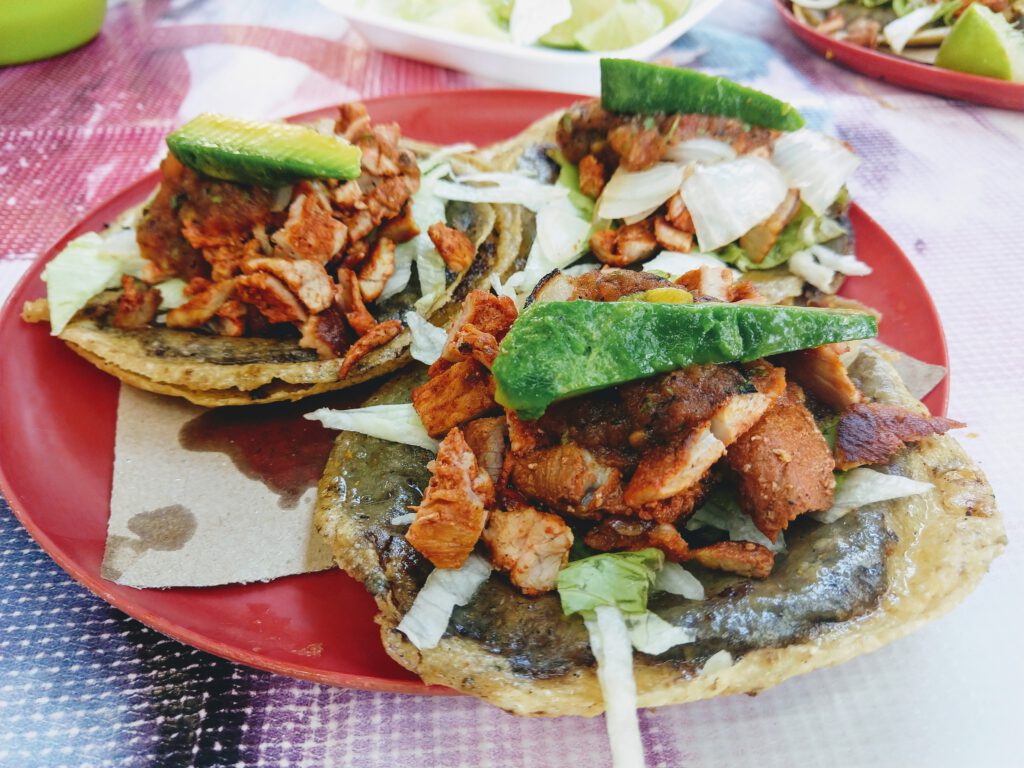
Best Restaurants in Mérida: Complete Dining Guide
In Mérida, every meal feels like a celebration – from dawn taco runs in bustling markets to gourmet dinners under colonial arches. Get ready to taste Yucatán’s vibrant flavors, one unforgettable bite at a time.
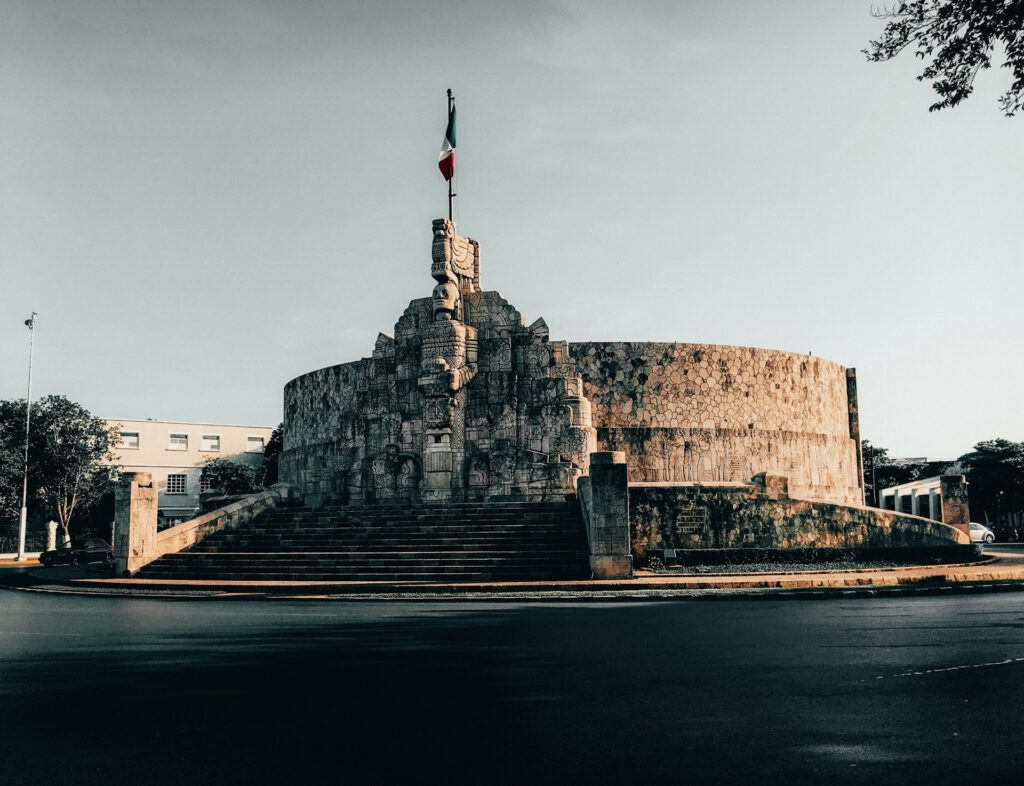
Mérida Neighborhoods Guide: Where to Stay & Explore
Mérida Neighborhoods Guide: Where to Stay & Explore Mérida Neighborhoods Guide: Where to Stay & Explore Introduction Mérida,...