

At the end of October, Yucatán begins to change.
Large public altars appear in Mérida. Markets fill with banana leaves, masa and ingredients for enormous seasonal tamales. Candles gather around graves. Families prepare food for relatives who are no longer physically present. In villages and city neighborhoods, tables are set not simply for the living, but for the return of the dead.
This is Hanal Pixán, the Yucatecan Maya tradition often described as the Maya Day of the Dead.
Its name is usually translated as “food for the souls” or “food of the souls.” You will also see it written Janal Pixan, Janal Pixán and Hanal Pixán. The Government of Yucatán currently uses Janal Pixan in official materials and in the 2024 decree that declared the tradition part of the state's intangible cultural heritage. Hanal Pixán remains a very common spelling in Spanish and English travel material, so we use both where useful in this guide.
For a visitor, the important distinction is not the spelling.
Hanal Pixán is much more than the processions, face paint and public events that are easiest to photograph. At its heart it remains a family tradition concerned with memory, food, prayer, deceased relatives and the continuing relationship between the living and the dead.
Mérida's Festival de las Ánimas has grown around that tradition into a large public cultural festival. It is one of the easiest ways for a visitor to experience the season respectfully, but it should not be mistaken for the whole tradition.
This guide covers both: the Hanal Pixán practiced across Yucatán and the public events travelers can actually attend.
Hanal Pixán at a glance
| Question | Practical answer |
|---|---|
| Traditional dates | October 31, November 1 and November 2 |
| Main public festival in Mérida | October 24–November 2, 2026 |
| Main Mérida event for first-time visitors | Paseo de las Ánimas |
| 2026 Paseo de las Ánimas | Friday, October 30 at 6 pm |
| 2026 Catrinas parade | Saturday, October 31 at 8 pm |
| Traditional food to try | Mucbipollo, commonly called pib |
| Do you need a car in Mérida? | No |
| Do you need a car for smaller towns? | Usually helpful |
| Best area to stay | Mérida Centro if the festival is a priority |
| Good trip length | 3–5 nights |
| Good 2026 travel window | October 29–November 3 |
| Is it suitable for children? | Yes, with some planning around crowds |
| Are private altars tourist attractions? | No; visit only when invited |
| Do schedules change? | Yes. Check the official program again before each event |
If Hanal Pixán is one of the reasons for your trip, October 29 to November 3, 2026 is the safest window. It includes Mérida's two main confirmed public processions and the three traditional days without requiring you to build an entire holiday around events that may still move.
Hanal Pixán 2026 in Mérida: confirmed dates and festival program
Last checked: August 28, 2026.
Mérida's Festival de las Ánimas 2026 runs from October 24 through November 2.
The city has already confirmed the festival period and its two biggest procession dates. Several other activities have been announced, but the complete day-by-day municipal program has not yet been published.
That distinction matters.
Older Mérida festival schedules circulate widely online, and several websites have already begun presenting previous years' times as though they were confirmed for 2026. Do not plan around those.
The official municipal program will be published at merida.gob.mx/animas.
 Paseo de las Ánimas procession in Mérida during Hanal Pixán
The Paseo de las Ánimas is the main public event for travelers who want to experience the season in Mérida.
GuideFestival del Libro del Sureste 2026 in Mérida: 3–9 August GuideA practical guide to Mérida's Festival del Libro del Sureste, with daily activities, independent bookshops, family events, venues and transport advice.Open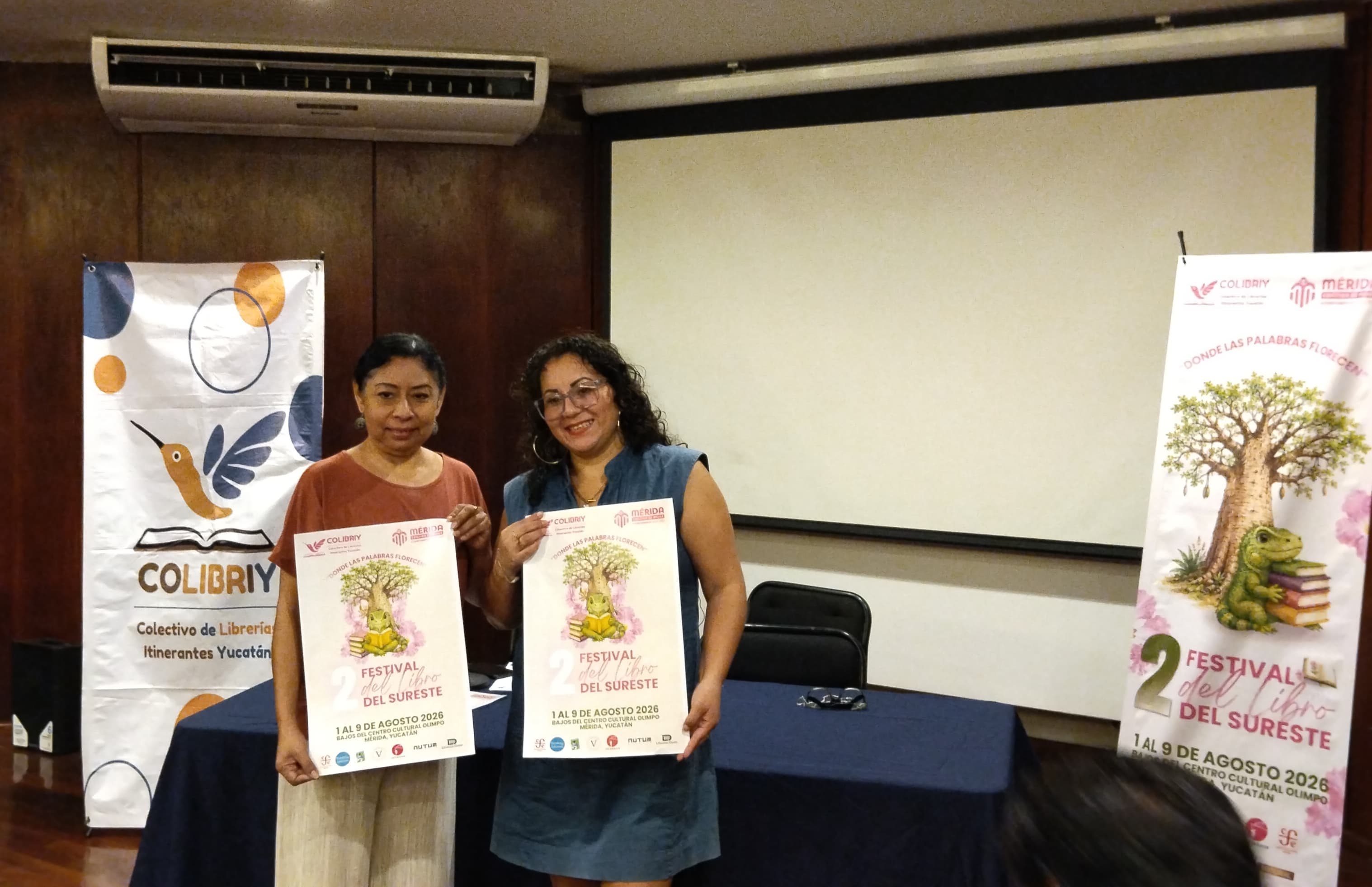
Mérida Festival de las Ánimas 2026 schedule so far
| Date | Event | Time | Location | 2026 status |
|---|---|---|---|---|
| Saturday, October 24 | Festival de las Ánimas begins | Time pending | Mérida | Festival dates confirmed |
| October 24 | Opening and illumination of monumental figures | Time pending | Parque de San Juan | Announced as an opening feature |
| From October 25 | Monumental Hanal Pixán altar | Hours pending | Plaza Grande | Announced for 2026 |
| Friday, October 30 | Paseo de las Ánimas | 6 pm | Cementerio General to Parque de San Juan | Confirmed |
| Saturday, October 31 | Desfile de Catrinas / Desfile de Muertos | 8 pm | Starts at Plaza Grande | Confirmed |
| Saturday, October 31 | U Janal Palal — traditional day for deceased children | Family observance | Across Yucatán | Traditional date |
| Sunday, November 1 | U Janal Nucuch Uinicoob — traditional day for deceased adults | Family observance | Across Yucatán | Traditional date |
| Monday, November 2 | U Janal Pixanoob / Misa Pixán and festival closing day | Varies | Across Yucatán | Traditional date and confirmed festival end |
Other Mérida events already announced for 2026
The municipality and current 2026 festival previews have also announced the return of several familiar parts of the Festival de las Ánimas:
- Feria del Mucbipollo in the traditional barrio of San Sebastián
- the Monumental Altar in Plaza Grande
- Rodada de las Ánimas, the themed bicycle ride
- guided or cultural activities associated with the Cementerio General
- Pixán Pee'k, programming connected with remembering pets
- Pixán Paalal, programming aimed at children
- seasonal videomapping at La Ermita
- illuminated installations associated with the cemetery and festival route
- mojigangas and other large-scale street figures
- music, exhibitions, cultural presentations and activities involving local students
Dates and times for most of these were still pending when this guide was updated.
In particular, do not assume the Mucbipollo Fair will fall on the same date as in 2025. Wait for the 2026 cartelera.
If you are interested in Mérida's projection shows more generally, see our Mérida videomapping guide.
What we would prioritize in Mérida
If you only have one festival evening, choose Friday, October 30 for the Paseo de las Ánimas.
If you have two, add the Catrinas parade on Saturday, October 31.
If you have three or four days, leave some unstructured time for the Plaza Grande altar, seasonal food, San Sebastián and whatever smaller events appear in the final program.
Trying to attend every listed event normally produces a worse trip. The center becomes busy, roads close and some activities overlap.
Other Yucatán towns with 2026 Hanal Pixán dates
Mérida publishes its program earlier and more extensively than most municipalities.
Smaller towns often wait until September or October before releasing their Hanal Pixán schedules. Yucatán's state tourism authorities also tend to publish a much broader statewide program closer to the celebration.
As of August 28, 2026, Sisal is the main destination outside Mérida where useful 2026 dates have already been announced.
GuideFestivals in Yucatán This Summer 2026: Confirmed Dates and Travel GuideA practical guide to Yucatán’s confirmed summer festivals in July and August 2026, including Feria Tunich, Progreso’s kite festival, El Cuyo, Tekit, Ticul, Tahmek and the Black Christ pilgrimage in Sisal.Open
Sisal Festival de las Ánimas 2026
Organizers in Sisal have announced the second Festival de las Ánimas for October 30 and 31, 2026.
The early program outline includes:
- contests
- cultural activities
- dances
- recreational activities
- community participation around Hanal Pixán and Día de Muertos
A local Sisal events calendar is also advertising a Festival de las Ánimas on October 31 involving decorated chalanas, or small boats, in the wetlands, followed by a cemetery-focused Día de Muertos event on November 1 at 6 pm.
Those more detailed local listings should still be treated as provisional until the organizing committee publishes the finished timetable.
Sisal's first festival in 2025 included decorated boats moving through the ciénega with participants characterized as pixanes. It gives the port a very different setting from Mérida's city procession.
For the destination itself, use our complete Sisal guide.
Should you choose Sisal or Mérida on October 30?
Choose.
Trying to attend an evening festival in Sisal and then return to Mérida for the Paseo de las Ánimas is poor planning.
Sisal is roughly an hour to an hour and a half from Mérida depending on your starting point and traffic. Festival traffic and late-night transport make the combination even less practical.
Choose Mérida if this is your first Hanal Pixán and you want the largest public program.
Choose Sisal if you already know Mérida, prefer a smaller coastal setting and are comfortable accepting a less predictable local schedule.
A rental car or private driver makes Sisal considerably easier, especially after dark.
What about Valladolid, Izamal, Progreso, Tekax and other towns?
As of this update, we have not found a finished, verifiable 2026 municipal Hanal Pixán program for Valladolid, Izamal, Progreso, Tekax, Tizimín or most other towns in Yucatán.
That does not mean they will not celebrate.
They almost certainly will have family observances, altars and, in many cases, public cultural events. The problem is simply that their 2026 public schedules have not yet been published.
Do not use a 2024 or 2025 timetable to plan a 2026 trip.
We will update this section as those programs appear.
When should you visit Yucatán for Hanal Pixán?
The traditional core is always October 31 through November 2, but public festivals frequently start earlier.
For 2026, Mérida begins its municipal Festival de las Ánimas on October 24.
There are several sensible ways to plan the trip.
If the Paseo de las Ánimas is your priority
Stay in Mérida on October 29 and 30 at minimum.
Arrive by the afternoon of October 29 rather than trying to reach the city on the day of the procession.
If you want the full Hanal Pixán period
Stay from October 29 to November 3.
That gives you:
- October 30 for the Paseo de las Ánimas
- October 31 for the Catrinas parade and U Janal Palal
- November 1 for the adult Hanal Pixán observance and seasonal food
- November 2 for Misa Pixán, cemetery traditions and the end of the festival
It also gives you enough downtime to see Mérida without every day becoming an event schedule.
If you prefer smaller crowds
Arrive earlier in the festival.
Public altars and installations can be easier to appreciate before the biggest procession evenings.
The quieter parts of Hanal Pixán are often more revealing than the largest events.
What does Hanal Pixán mean?
The phrase is commonly translated as “food for the souls.”
Yucatán's official tourism material explains Janal as food and Pixán as soul or spirit.
That translation points directly toward the center of the tradition.
Food is prepared and placed on altars for deceased relatives. The family remembers the dead, addresses them, prays for them and prepares things associated with them. The offering recognizes a continuing relationship between those still physically present and those who have died.
In June 2024, the State of Yucatán formally declared Janal Pixan an Intangible Cultural Heritage of Yucatán.
The declaration describes it as a Maya-origin tradition through which people commemorate those who have died and maintain the belief in a bond between the living and the dead.
That is a more useful starting point than treating Hanal Pixán simply as Yucatán's version of a costume festival.
Is Hanal Pixán the same as Día de Muertos?
Yes and no.
Hanal Pixán belongs to the broader Mexican season of Día de Muertos, Todos los Santos and Día de los Fieles Difuntos, but it has a distinctly Yucatecan Maya character.
It is not useful to pretend the two traditions exist in completely separate worlds.
The Hanal Pixán practiced today developed over centuries in a Maya society that also incorporated Catholic beliefs, feast days, masses, crosses and other elements introduced after the Spanish conquest.
Yucatán's own tourism authorities explicitly describe the tradition as Maya while acknowledging its adaptation to the religious calendar and practices introduced by Spanish missionaries.
The result is a living regional tradition rather than a museum reconstruction of a pre-Hispanic ceremony.
That distinction also helps explain why travelers will see things that look familiar from Día de Muertos elsewhere in Mexico alongside things that feel specifically Yucatecan.
A Maya household altar, a Catholic cross, a bowl of atole, a photograph of a deceased relative and a large mucbipollo can all occupy the same ritual world.
The three traditional days of Hanal Pixán
The central observance lasts three days.
Names and spellings vary slightly between sources and Maya orthographies, but the structure is consistent.
| Date | Traditional name | Who is remembered |
|---|---|---|
| October 31 | U Janal Palal / U Hanal Palal | Deceased children |
| November 1 | U Janal Nucuch Uinicoob | Deceased adults |
| November 2 | U Janal Pixanoob / Misa Pixán | All souls |
October 31: the children
The first day is dedicated to children who have died.
Children's altars are traditionally more colorful. Sweets, toys and foods associated with the child may be included.
This is not a Yucatecan version of Halloween despite the date.
Modern Halloween activities certainly exist in Mérida, but they should not be confused with the purpose of U Janal Palal.
November 1: the adults
The second day is devoted to deceased adults.
The altar may carry a white cloth, photographs, foods the person enjoyed, candles, flowers and other objects associated with their memory.
This is one of the days when family practice matters more than public spectacle.
November 2: Misa Pixán
The third day is associated with the souls more generally and is often called Misa Pixán.
Masses and cemetery observances form an important part of this day in many communities.
For a visitor, November 2 can feel quieter than the public festival nights immediately before it.
That is part of the point.
And then there is Bix
Hanal Pixán does not necessarily finish in exactly the same way everywhere.
In some Yucatecan communities, families observe Bix, an additional remembrance roughly eight days later.
Practices vary by community and family.
Travelers should not assume there will be a public Bix festival wherever they are staying. It is better understood as another layer of the regional tradition than a fixed tourist event.
Understanding a traditional Hanal Pixán altar
 Traditional Hanal Pixán altar in Yucatán
Hanal Pixán altars vary considerably between families. There is no need for every altar to look identical.
Visitors familiar with Día de Muertos displays elsewhere in Mexico sometimes arrive expecting every altar to follow a precise number of levels or a standardized decorative formula.
That is the wrong way to look at it.
A family altar may be relatively simple. Its meaning comes from who it is for and what is placed on it.
Common elements include:
| Element | Meaning or use |
|---|---|
| Table | Physical base of the altar |
| White cloth | Traditionally associated with adult altars |
| Colored cloth | Often used for children's altars |
| Photograph | Identifies and remembers the deceased |
| Candles | Light and remembrance |
| Incense | Aroma associated with the offering and ritual space |
| Water | Purification and refreshment |
| Salt | Purification |
| Green cross | Described in official Yucatán tourism material as representing the tree of life or ceiba |
| Flowers | Decoration and remembrance |
| Food | The central offering |
| Drinks | Water, atole and sometimes things associated with the deceased |
| Toys and sweets | Common on children's altars |
| Personal objects | Items connected with the person being remembered |
There may also be fruit, sweet breads, tamales, seasonal sweets and foods particular to the family.
Yucatán's state cultural material mentions traditional offerings including atole nuevo, pibes or mucbipollos, jícama, mandarins, oranges, xec, tamales and sweets.
The precise arrangement is not something a visitor needs to police.
If someone explains an altar to you, listen to that family's explanation rather than correcting it with a checklist found online.
What not to do around an altar
The easiest rule is to remember that an altar is not a photography prop.
Do not:
- touch or rearrange offerings
- lean over the altar for a photograph
- remove food
- place your own object on a private altar without permission
- move photographs to get a clearer image
- enter a private home because you can see an altar inside
- ask a family to recreate a prayer or ritual for your camera
Public institutional altars are designed to be viewed.
Private altars belong to families.
The distinction is simple.
Pib and mucbipollo: the food at the center of Hanal Pixán
 Preparing pib for Día de Muertos in Yucatán
Preparing the seasonal pib is one of the strongest culinary traditions associated with Hanal Pixán.
For many travelers, Hanal Pixán will become understandable the moment someone puts a piece of mucbipollo in front of them.
It is large, substantial and deeply connected with this specific time of year.
The dish is also commonly called pib.
Strictly speaking, pib refers to the underground earth oven or cooking method, although in everyday Yucatecan conversation the name is widely used for the mucbipollo itself.
Mucbipollo is a large tamal wrapped in banana leaves.
Recipes vary between households, but common ingredients include:
- corn masa
- chicken
- pork in some versions
- achiote
- tomato
- onion
- chile or pepper
- lard
- espelón beans in some recipes
- k'ool, a thickened sauce made using masa and broth
The assembled tamal is wrapped in banana leaf and traditionally cooked underground.
Hot stones or embers create the heat inside the covered earth oven.
The result is very different from a small steamed tamal.
The exterior can develop a firmer, almost baked quality while the inside remains moist with meat, sauce and masa.
 Mucbipollo placed as part of a Hanal Pixán altar
Mucbipollo is food for the family, but also part of the offering made during Hanal Pixán.
Where can visitors try pib?
You do not need an invitation into someone's home.
During the Hanal Pixán season, pib appears at:
- traditional food stalls
- neighborhood cooks
- markets
- bakeries and takeaway kitchens
- local restaurants
- seasonal food fairs
- Mérida's Feria del Mucbipollo
The San Sebastián Mucbipollo Fair is one of the easiest places for a visitor to compare different preparations in one place. It has been announced for Mérida's 2026 festival, although the date and time were still pending at our last update.
Go earlier rather than later if the fair matters to you.
Popular vendors can sell through large quantities, and the middle of the day becomes busy.
Carry some cash. Small independent cooks are not the place to assume every payment method will work.
A whole pib is also substantial.
Two people do not necessarily need one each.
For other everyday food stops in the city, see our guide to Mérida's markets.
What does pib taste like?
Expect something richer and heavier than a normal snack-sized tamal.
The banana leaf contributes aroma. Achiote provides an earthy, gently spiced base. The masa absorbs meat juices, broth and k'ool. The underground cooking can give the exterior a firmer texture and a faint roasted quality.
Individual recipes vary a great deal.
That variation is part of the experience.
One family's pib is not supposed to taste exactly like another's.
If you want to understand Hanal Pixán through food, trying two different versions is more useful than looking for someone online to declare a single one the “best.”
The Paseo de las Ánimas in Mérida
 Hanal Pixán ritual at Mérida's General Cemetery
The Cementerio General is closely associated with Mérida's public Festival de las Ánimas as well as the city's own history of remembrance.
The Paseo de las Ánimas is the event we would prioritize for a first visit.
In 2026 it is confirmed for:
Friday, October 30 at 6 pm
The procession will begin at the Cementerio General and finish at Parque de San Juan.
Participants traditionally move through the streets dressed in white or regional clothing, carrying candles and representing the returning souls.
Around the main procession there are usually altars, food stalls and cultural activities.
The city expects a very large turnout.
GuideBest Hotels in Mérida: Centro, Paseo de Montejo & Boutique StaysThe guide lists the highest‑rated hotels for first‑time visitors to Mérida, Mexico, focusing on properties in the central districts of Centro, Santa Ana, Santa Lucía, Santiago and along Paseo de Montejo. The sample Booking.com search for a two‑night stay by two adults in June 2026 produced the following top picks: The Diplomat Boutique Hotel (9.8/185 reviews, adults‑only, quiet boutique luxury), Villa Orquídea Boutique Hotel (9.4/486 reviews, outdoor pool, garden, terrace, free Wi‑Fi), Casa Continental Hotel Boutique & Suites (9.1/508 reviews, adults‑only, rooftop pool, airport shuttle), El Palacito Secreto Luxury Boutique Hotel & Spa (9.1/214 reviews, courtyard, spa‑style atmosphere), and DECU DOWNTOWN (9.0/237 reviews, design‑led luxury with restaurant, bar, spa, outdoor pool). Mid‑range and budget options include Hotel Santa Ana (8.9/1,587 reviews, pool, central location), Gran Hotel Panamericana (8.8/831 reviews, historic feel), Casa Lucia Hotel Boutique (8.6/360 reviews, courtyard), and Hotel Santa María Mérida (8.3/4,186 reviews, high‑volume budget). All listed hotels provide air‑conditioning and a swimming pool; many add free Wi‑Fi, on‑site dining, spa or wellness facilities, and some offer airport shuttles or parking. The guide advises staying central, choosing a property with these amenities, and avoiding a rental car unless day trips are planned. Visitors can expect to walk to Plaza Grande, museums, restaurants and evening events from most of these locations, though noise can be an issue in the busiest streets. Checking recent reviews for room placement, street sound and air‑conditioning performance is recommended, as is confirming any adults‑only policies or elevator availability before booking.Open
How early should you arrive?
For a comfortable position, aim to be in the area 60 to 90 minutes before the 6 pm start.
Arriving at 5:55 pm because the procession starts at six is not a useful strategy.
Road closures, crowds and rideshare diversions make the final part of the journey slower than it looks on a map.
If photography matters, arrive earlier again.
Do you need a car?
No.
A rental car is more of a burden than a benefit on Paseo night.
If you stay in Centro, walk as far as practical and use a taxi or rideshare only if necessary.
If your hotel is farther north, have the car drop you outside the closed streets and walk the remainder.
Do not expect door-to-door vehicle access close to the procession.
Where should you watch?
The final 2026 street plan had not yet been published when this guide was updated.
The two confirmed anchors are:
- Cementerio General
- Parque de San Juan
Near the cemetery, the connection with the procession's symbolism is strongest, but crowds can be intense.
Farther toward San Juan, access from Centro is generally simpler.
The traditional festival corridor around La Ermita has been important in previous editions, but wait for the final 2026 route map before choosing a precise street corner.
Is the Paseo suitable for children?
Yes, but manage the evening.
The event itself is family-oriented. The main problem for young children is the size of the crowd.
A stroller can become awkward in dense sections.
Families may prefer:
- a fixed viewing position
- the edge of the crowd rather than its center
- an earlier arrival
- a position closer to San Juan
- leaving before the largest post-procession crowds move at once
Bring water and avoid making a child spend the entire afternoon walking Centro before a long festival evening.
The Catrinas parade in Mérida
 Catrín and Catrina in Yucatecan regional clothing during Mérida's parade
The Catrinas parade belongs to the larger public Festival de las Ánimas and draws on Día de Muertos traditions from across Mexico.
The second major confirmed event for 2026 is the Desfile de Catrinas, also being described in municipal coverage as a parade of costumes of the dead.
It is scheduled for:
Saturday, October 31 at 8 pm
The parade is confirmed to start at Plaza Grande.
The finished 2026 route had not yet been published at the time of writing.
This event feels different from the Paseo de las Ánimas.
Expect a more overtly festive public spectacle, with costumes, elaborate makeup, performers and a broader range of Mexican Día de Muertos imagery.
That difference is worth understanding.
La Catrina is a wider Mexican Día de Muertos symbol. The Catrinas parade is part of Mérida's modern public Festival de las Ánimas, but it is not the same thing as a family's Hanal Pixán altar or cemetery observance.
Both belong in Mérida's current festival.
They simply occupy different spaces within it.
Can visitors dress as Catrinas?
At a public Catrinas event, tasteful face paint and costume are not unusual.
You do not need to dress up to participate.
If you do, keep the setting in mind.
Festival face paint is one thing. Treating a cemetery, mourning family or private altar as the background for a costume shoot is another.
The easiest rule is to keep elaborate photography within spaces where elaborate public photography is clearly already part of the event.
Visiting Mérida's General Cemetery during Hanal Pixán
The Cementerio General is historically important in its own right and becomes particularly significant during the Festival de las Ánimas.
Municipal festivals have included guided cemetery routes explaining notable tombs, mausoleums and funerary history.
If a 2026 guided cemetery route appears in the final program, it is a good choice for travelers who want more context than the procession alone provides.
Some cemetery activities have limited capacity in previous years, so do not assume everything is a walk-in event.
Outside an organized tour, remember that it remains a working cemetery.
People may be cleaning graves, bringing flowers, praying or spending time with deceased relatives.
Give them space.
Cemetery etiquette
Do not make people regret sharing their traditions with visitors.
A few rules are enough:
- keep your voice low around families and active graves
- ask before making a person the main subject of a photograph
- avoid flash during prayers
- do not step across graves to find a better camera angle
- do not move flowers or candles
- do not insert yourself into a family group
- do not expect someone to explain their grief to you
- follow cemetery staff instructions
- leave narrow paths clear
A busy public festival does not turn every moment inside the cemetery into public entertainment.
Hanal Pixán in smaller Maya communities
Smaller towns can offer a very different perspective from Mérida.
There may be:
- community altars
- school altar competitions
- local processions
- church services
- cemetery gatherings
- demonstrations of pib preparation
- traditional dance
- food fairs
- Maya-language elements
- local interpretations of Bix
These can be rewarding experiences, but a smaller event is not automatically more “authentic.”
It is simply smaller and closer to the community organizing it.
Do not arrive in an unadvertised village expecting residents to perform their private traditions for visitors.
Look for publicly announced events, go with a local guide, or attend because someone has genuinely invited you.
Mérida, Sisal or a smaller town?
| Destination | Best for | Car needed? | Crowd level | Main drawback |
|---|---|---|---|---|
| Mérida | First visit, major events, easy logistics | No | High on main nights | Large crowds |
| Sisal | Coastal setting, smaller festival | Recommended | Medium | 2026 timetable still developing |
| Valladolid | East Yucatán itinerary and regional culture | Helpful but not essential | Depends on event | 2026 program still pending |
| Izamal | Small-city atmosphere and easy day trip | Helpful | Usually lower than Mérida | 2026 program still pending |
| Smaller Maya towns | Community-focused experience | Usually | Low to medium | Public access and schedules vary |
Mérida remains the sensible choice for most first-time travelers.
You can attend public cultural events without a car, find accommodation at every budget and still use the daytime for normal sightseeing.
Is a Hanal Pixán tour worth booking?
You do not need a tour to attend Mérida's main street events.
The Paseo de las Ánimas and Catrinas parade can be visited independently.
A guide becomes more useful if you want:
- deeper cultural explanation
- interpretation of altar elements
- a visit to a smaller community
- a pib cooking experience
- transport between towns
- help distinguishing public events from private practices
- a driver waiting after a late event outside Mérida
For a straightforward Mérida stay, spend the money on a well-located hotel and good food instead.
For a rural Hanal Pixán day, a good local guide or private driver can materially improve the experience.
If the final festival program leaves you trying to fit several locations together, the free Yucatán Guide WhatsApp assistant can help with quick planning questions. Travelers who want someone to check the complete itinerary can also use Human Trip Support or the Trip Plan & Booking Portal.
Hanal Pixán with children
Hanal Pixán can work very well for families.
The tradition itself gives children a relatively gentle framework for talking about death, memory and ancestors. Public programming in Mérida also regularly includes activities specifically for younger visitors.
The difficulty is logistical rather than cultural.
Main festival nights can involve:
- long waits
- tightly packed crowds
- warm evenings
- loud music
- road closures
- late finishes
A child who has spent the morning at Uxmal and the afternoon swimming in a cenote may not appreciate being placed in a procession crowd until 10 pm.
Leave the festival day relatively light.
For young families, a simple plan is better:
morning breakfast, pool or quiet activity, long afternoon rest, early dinner, one evening event.
What should you wear?
There is no requirement for visitors to wear white, traditional Maya clothing or skull makeup.
Normal light clothing is fine.
Late October in Mérida can still feel warm and humid, especially inside a large crowd.
Wear:
- breathable clothing
- comfortable shoes
- something that tolerates light rain
- minimal valuables
If you are specifically participating in an organized procession, follow the organizer's clothing guidance.
Otherwise there is no reason to buy regional clothing simply to look the part.
What to bring
For the main festival evenings:
- water
- small cash
- comfortable walking shoes
- mosquito repellent
- compact umbrella or light rain protection
- phone power bank
- only the camera equipment you will actually carry
- a small bag rather than bulky luggage
Do not rely on finding a taxi immediately beside a closed festival street.
If you are traveling with a child, bring fewer things rather than more. Moving a large stroller and several bags through the busiest part of the Paseo is difficult.
Photography during Hanal Pixán
Hanal Pixán is extremely photogenic.
That makes good etiquette more important, not less.
Public performers at a Catrinas parade generally expect photography.
A family praying beside a grave does not necessarily have the same expectation.
Before photographing an identifiable person at close range, make eye contact and ask.
A simple “¿Puedo tomar una foto?” is usually enough.
If the answer is no, keep walking.
Avoid:
- placing a camera directly in front of a procession
- blocking narrow routes
- flash during solemn moments
- photographing grieving people from a few feet away with a long lens
- flying a drone over crowds without understanding the restrictions
- treating children in traditional clothing as anonymous props
The best festival photographs usually come from observing carefully rather than pushing closer.
Where to stay in Mérida for Hanal Pixán
Stay in or close to Centro Histórico if the festival is one of your main reasons for visiting.
It reduces your dependence on vehicles when roads begin to close.
Plaza Grande and central Centro
Best for maximum convenience.
You will be close to the Monumental Altar, Catrinas parade starting point and many regular cultural attractions.
The drawback is noise and heavy foot traffic.
Santa Ana and Santa Lucía
Good compromise between restaurants, walkability and festival access.
You may have a longer walk toward the southern procession corridor, but you remain well placed for Centro.
GuideSanta Ana, Mérida: Neighborhood & Park GuideA practical guide to Santa Ana in Mérida: the church, park, market, historic streets, nearby Paseo de Montejo, food, events, walking routes, transport, and where the neighborhood fits in a Yucatán trip.Open
Santiago
A little calmer while still keeping most central areas within reach.
Good if you want to be in Centro without sleeping directly beside its busiest squares.
GuideSantiago, Mérida: Neighborhood & Park GuideA practical guide to Santiago in Mérida: Parque de Santiago, the parish church, the neighborhood market, everyday food, walking routes, evening music, and where it fits in a Yucatán trip.Open
San Sebastián and La Ermita
These southern barrios put you closer to several places strongly associated with Festival de las Ánimas, including San Sebastián and the corridor toward the cemetery.
Hotel choice is thinner than around Santa Ana and Santa Lucía.
Before booking, read our full guide to where to stay in Mérida.
Do not stay in north Mérida just for a nicer hotel
North Mérida has plenty of good accommodation.
It is less convenient specifically for Hanal Pixán.
Every major evening becomes a taxi or rideshare journey toward road closures, followed by a walk.
That may be completely acceptable if you already want to stay in the north for other reasons.
It is unnecessary if the festival is the main purpose of your trip.
GuideBest Cheap & Budget Hotels in Mérida: Where to Stay for LessA practical guide to finding cheap and budget-friendly hotels in Mérida, with honest advice on Centro, Santa Ana, Santiago, transport, air conditioning, pools, and when a hostel or private room makes more sense.OpenA practical four-night Hanal Pixán itinerary for 2026
The following plan is intentionally loose because Mérida has not yet released every event time.
October 29: arrive and understand the city
Check into Centro.
Spend the late afternoon around Plaza Grande, San Juan and the southern side of the historic center.
Visit the Monumental Altar if open and get a sense of the distance between your hotel and the next evening's festival corridor.
Keep dinner simple.
Our Mérida Centro visiting guide is useful if this is your first time in the city.
October 30: Paseo de las Ánimas
Have a slow morning.
Do not schedule a full Ruta Puuc day or distant cenote excursion.
Eat lunch, return to the hotel and rest.
Leave for the procession area around 4:30–5 pm depending on where you want to stand.
Paseo de las Ánimas begins at 6 pm, traveling from the General Cemetery to Parque de San Juan.
Eat around the festival or return toward central Centro afterward.
October 31: U Janal Palal and the Catrinas parade
Use the daytime for a market, museum or food-focused activity.
Remember that October 31 is traditionally the Hanal Pixán day dedicated to deceased children.
The Catrinas parade starts at Plaza Grande at 8 pm.
Arrive early enough to avoid being trapped behind the densest part of the crowd.
November 1: food and the adult Hanal Pixán
This is the traditional day dedicated to deceased adults.
Use it as a slower day.
Look for seasonal pib, public altars and whatever cultural activities appear in the final municipal schedule.
If the 2026 Mucbipollo Fair is scheduled for this date or nearby, adjust the itinerary around it.
November 2: Misa Pixán and quieter observance
November 2 is associated with all souls and Misa Pixán.
This is a better day for understanding the quieter religious and cemetery side of the tradition than for seeking another enormous parade.
Stay through the night if possible and leave November 3.
Can you combine Hanal Pixán with normal sightseeing?
Yes, but reduce the pace.
A good festival trip still leaves room for:
- Mérida Centro
- museums
- markets
- local restaurants
- one cenote day
- Uxmal or another archaeological site
- a coastal day
You do not need five consecutive days of Día de Muertos activities.
If you have a week, a sensible rhythm is to place larger excursions before October 30 and keep October 30–November 2 relatively close to Mérida.
Hanal Pixán works better when you have enough time to notice ordinary things: market ingredients, household altars, seasonal menus and neighborhood preparations.
Should you make a day trip to Sisal during Hanal Pixán?
Not on the same day as Mérida's Paseo.
If Sisal's 2026 program appeals to you, consider spending one night in Sisal instead.
That removes the problem of finding late transport back to Mérida and gives the local event enough time to be worthwhile.
You could then add a mangrove or wetland excursion earlier in the day, have a slow lunch and attend the evening programming.
Do not stack a boat trip, beach afternoon, return drive and Mérida procession into the same schedule.
Hanal Pixán etiquette for visitors
Most of this comes down to recognizing when you are at a festival and when you are witnessing someone's family tradition.
Good places to participate freely
- municipal parades
- public food fairs
- public altar exhibitions
- organized workshops
- public performances
- advertised guided cemetery tours
- community events explicitly inviting visitors
Places where you should wait for an invitation
- private homes
- domestic altars
- family prayer gatherings
- private pib preparation
- intimate cemetery gatherings
- ceremonies not advertised as public events
Tourism can support communities and help traditions remain visible.
It becomes a problem when visitors assume visibility means unrestricted access.
Common mistakes to avoid
Calling it “Mexican Halloween”
Halloween exists alongside Hanal Pixán, particularly in cities, but the traditions are not interchangeable.
Expecting every altar to look like an altar from Oaxaca or Mexico City
Regional differences matter.
Treating the cemetery as a themed attraction
It is a cemetery first.
Touching offerings
Do not.
Assuming Catrina imagery represents the whole tradition
It represents one highly visible part of the modern public festival.
Planning from an old timetable
Festival dates move.
Check the year.
Driving into Centro immediately before a procession
Road closures make this unnecessarily difficult.
Trying to visit Mérida and Sisal's headline events on the same evening
Pick one.
Searching for the “most authentic village”
Communities are not authenticity attractions.
Look for publicly organized events instead.
Scheduling every hour
Leave room for the city itself.
Is Hanal Pixán worth planning a trip around?
Yes, particularly if food and living culture matter to you.
Late October and early November reveal a side of Yucatán that is difficult to reproduce during another season.
The strongest reasons to come are not only the large processions.
They are the combination of:
- public celebration
- family remembrance
- Maya cultural continuity
- Catholic religious practice
- seasonal cooking
- neighborhood identity
- cemeteries
- altars
- music
- regional dress
- the smell of pib being prepared
- the distinction between festive and quiet forms of remembrance
Mérida makes the celebration especially accessible to visitors because the city builds a large public program around it.
The trade-off is crowd size.
If you dislike major events, come for the traditional dates but spend more time around food, smaller public programs and towns outside Mérida.
If you enjoy street festivals, stay in Centro and prioritize October 30 and 31.
Frequently asked questions
When is Hanal Pixán in 2026?
The traditional Hanal Pixán dates remain October 31, November 1 and November 2.
Mérida's broader Festival de las Ánimas runs October 24–November 2, 2026.
When is the Paseo de las Ánimas in Mérida in 2026?
Friday, October 30, 2026 at 6 pm.
The confirmed route begins at the Cementerio General and ends at Parque de San Juan.
When is the Mérida Catrinas parade in 2026?
Saturday, October 31 at 8 pm.
It is confirmed to begin in Plaza Grande. Check the final municipal program for the complete route.
Is the complete Mérida 2026 program available?
Not yet.
The festival dates, Paseo and Catrinas parade are confirmed, and several other activities have been announced. The complete timetable is still pending.
Where will the official schedule be published?
Check it again shortly before your trip and on the day of major outdoor events.
Is Hanal Pixán free to attend?
The main municipal street celebrations are public events, and many Festival de las Ánimas activities have traditionally been free.
Some workshops, tours or limited-capacity activities may require registration.
Check each 2026 listing individually once the complete program is published.
Do I need tickets for the Paseo de las Ánimas?
The main street procession is a public event rather than a seated ticketed show.
Arriving early matters more than buying a ticket.
Do I need a rental car?
Not for Mérida.
A car or private driver becomes much more useful for Sisal, Izamal and smaller towns.
Is Hanal Pixán suitable for children?
Yes.
The main difficulty is late evenings and large crowds rather than the subject matter itself.
What is the traditional Hanal Pixán food?
Mucbipollo, commonly called pib, is the defining seasonal dish.
It is a large banana-leaf-wrapped tamal traditionally cooked in an underground earth oven.
What is the difference between pib and mucbipollo?
Mucbipollo refers to the large seasonal tamal.
Pib properly describes the underground cooking method or oven, although Yucatecans commonly use pib for the food as well.
Is Hanal Pixán the same as Day of the Dead?
It is Yucatán's Maya-rooted regional tradition within the wider Día de Muertos and Catholic All Saints/All Souls season.
It has its own foods, terminology and local practices while also sharing elements with other Mexican traditions.
Why is it sometimes spelled Janal Pixan?
The Government of Yucatán currently uses Janal Pixan in official material, including the decree declaring the tradition intangible cultural heritage.
Hanal Pixán remains a common spelling in Spanish and English.
Both forms will appear while researching a trip.
Can foreigners attend Hanal Pixán?
Visitors are welcome at public festivals, parades, food fairs, public altar displays and advertised cultural events.
Private household observances should only be attended when invited.
Can I photograph Hanal Pixán?
Yes at public events, but ask permission before taking close photographs of individuals outside obvious performance settings.
Be especially careful inside cemeteries.
Can I wear skull makeup?
It is common at public Catrinas celebrations and costume events.
It is not required and is less appropriate if your plan is simply to visit a cemetery or observe a quieter family tradition.
How many nights should I stay in Mérida?
Three nights is workable.
Four or five is better if Hanal Pixán is a major reason for your trip.
For 2026, October 29 to November 3 is an especially useful window.
What happens if it rains?
Outdoor events can be delayed, relocated or changed.
Late October is not a period when you should assume every evening will remain dry.
Check official announcements on the day.
Is there a 2026 Hanal Pixán program for Valladolid?
We have not yet found a finished, verifiable 2026 municipal program for Valladolid as of August 28.
Programs for many Yucatán towns are published much closer to the celebration.
Is there a 2026 program for Sisal?
Yes, partially.
Organizers have confirmed the second Festival de las Ánimas for October 30 and 31, 2026, with contests, dances and cultural and recreational activities.
More detailed local listings are beginning to appear, but travelers should wait for the final organizer timetable before arranging transport around individual events.
Practical recommendation for 2026
For a first Hanal Pixán trip, base yourself in Mérida Centro from October 29 through November 3.
Keep October 30 free for the Paseo de las Ánimas.
Attend the Catrinas parade on October 31 if you want the larger public festival atmosphere.
Spend at least one meal trying pib.
See the Plaza Grande altar, but also pay attention to smaller neighborhood altars and seasonal food.
Use November 1 and 2 more slowly.
If you want to add Sisal, give it its own day or overnight rather than treating it as an extension of a Mérida festival evening.
Most importantly, distinguish between the public festival created for collective participation and the family tradition underneath it.
That difference is where Hanal Pixán begins to make sense.
2026 program updates and cultural sources
The 2026 event section of this guide was checked on August 28, 2026. The complete Mérida cartelera had not yet been released.
Useful primary and current sources include:
- Ayuntamiento de Mérida — Festival de las Ánimas
- Government of Yucatán — Janal Pixan
- Yucatán Travel — Janal Pixán
- Decree 770/2024 declaring Janal Pixan Intangible Cultural Heritage of Yucatán
- Yucatán Travel — traditional mucbipollo
- Yucatán Today — Festival de las Ánimas 2026
- Sol Yucatán — Sisal Festival de las Ánimas 2026 announcement
Check the official Mérida festival page again 24–48 hours before major events. Weather, logistics and crowd management can still change routes or times.
Image credits
Hero image: “Altar de muertos en el Hanal Pixán” by Ivan Alexis Huerta Reyna, licensed under CC BY-SA 4.0 via Wikimedia Commons.
Paseo de las Ánimas: “El paseo de las ánimas” by Ivan Alexis Huerta Reyna, licensed under CC BY-SA 4.0 via Wikimedia Commons.
Traditional altar: “Altar de Hanal Pixán Común” by Juan Manuel Arana Ravell, licensed under CC BY-SA 4.0 via Wikimedia Commons.
Pib preparation: “Elaboración del Pib. Día de muertos. Yucatán, México. 12” by Marysol*, licensed under CC BY-SA 2.0 via Wikimedia Commons.
Mucbipollo altar image: “La Importancia del Mucbilpollo en el Altar” by Juan Manuel Arana Ravell, licensed under CC BY-SA 4.0 via Wikimedia Commons.
Cemetery ritual: “Ritual del Hanal Pixán en el Cementerio General de Mérida, Yucatán” by Ivan Alexis Huerta Reyna, licensed under CC BY-SA 4.0 via Wikimedia Commons.
Catrín and Catrina: “Catrín y Catrina con ropa regional yucateca en el Paseo de las Catrinas de Mérida, 2024 03” by Giovanny Gonzalez, licensed under CC BY-SA 4.0 via Wikimedia Commons.


