

El Cuyo and Río Lagartos make a good three-day route when you want a quieter side of Yucatán: a broad Gulf beach, a working fishing town, mangrove wetlands, flamingos and the salt ponds at Las Coloradas. The two destinations are close on the map, but they are not interchangeable. El Cuyo is the place to slow down by the sea. Río Lagartos is the place to get on a boat and look carefully at a protected wetland.
This itinerary is designed for travelers using a rental car or private driver. It can be done with public transportation, but the connections through Tizimín require more patience and make the Las Coloradas portion less flexible. The route works best from Valladolid or Mérida, and it can continue toward Cancún, Valladolid or the eastern Yucatán coast afterward.
The most important planning decision is where to sleep. Spend two nights in El Cuyo if the beach and kitesurfing are your priority. Spend the first night in El Cuyo and the second in Río Lagartos if you want an early boat trip on the final morning. That second arrangement is the version described here because it avoids a long return drive after wildlife activities.
 The shoreline and pier at El Cuyo
The route at a glance
| Day | Sleep | Main plan | Best for |
|---|---|---|---|
| Day 1 | El Cuyo | Travel in, beach, village walk and sunset | Beach time and a gentle start |
| Day 2 | Río Lagartos | El Cuyo morning, coastal drive, Las Coloradas and Río Lagartos | Salt ponds, landscapes and a short transfer |
| Day 3 | Río Lagartos or onward | Early boat trip, wildlife, slow breakfast and departure | Flamingos, birds and mangroves |
The route is intentionally not packed with a cenote, ruin and museum on the same days. Northeastern Yucatán is more rewarding when you leave room for weather, road delays, a late boat departure or a beach walk that takes longer than expected. If you have only two nights, keep the same structure and make Day 3 your departure day.
Before you go: choose the right version of the route
Choose this itinerary if you want nature rather than a checklist
El Cuyo and Río Lagartos are best for travelers who enjoy landscapes, birds, water and small communities. There is no large colonial center to tour and no single monument that carries the trip. The appeal comes from contrasts: pale sand and lagoon water, mangrove shade and open salt flats, a very quiet beach and a lively boat dock.
The route suits couples, photographers, families with older children and travelers adding a coastal section to a Yucatán road trip. It is less suitable for anyone who wants predictable resort facilities, nightlife or a guaranteed close-up encounter with wildlife. Flamingos are wild. Their location changes with water, food and season, and responsible boat guides should not chase them.
Decide whether to start in El Cuyo or Río Lagartos
Starting in El Cuyo makes sense when you are coming from Tizimín or the eastern side of the peninsula and want the calmest possible first afternoon. Starting in Río Lagartos can be better if you are coming from Valladolid and your main goal is an early boat trip. In that case, reverse the itinerary: sleep in Río Lagartos, take the boat on the first morning, visit Las Coloradas, then drive to El Cuyo for the second and third nights.
For a first visit, the El Cuyo-first route has a useful rhythm. Day 1 is simple. Day 2 connects the two places while adding Las Coloradas. Day 3 begins with the most time-sensitive activity before the heat builds.
GuideRío Lagartos Travel Guide: Flamingos, Boat Tours, Las Coloradas and Where to StayRío Lagartos is a tranquil fishing town on Yucatán’s north coast that serves as the main gateway to the Ría Lagartos Biosphere Reserve, a UNESCO‑recognized wetland famous for flamingo colonies, mangrove estuaries and crocodiles. There is no entry fee to the town; reserve access is usually included in boat tours, though some operators charge a small conservation fee of about 54 MXN on site. Shared or small‑group wildlife and Las Coloradas boat tours cost roughly $70–$95 USD per person, while private boats are priced per vessel for 2–4 hours. Boat tours run from 6:00 to 17:00 for daytime wildlife viewing, with night mangrove/crocodile tours offered around 19:30–21:30 for 1.5–2 hours. Cash in pesos is essential, as ATMs are unreliable and most businesses prefer cash. From Mérida the drive is 205–230 km and takes about 2.5–3 hours via Tizimín; from Cancún it is 225–255 km, roughly 3–3.5 hours; from Valladolid it is 105 km, about 1.5–2 hours. Buses go to Tizimín, then a local bus or colectivo reaches Río Lagartos. The pink salt ponds of Las Coloradas lie 24 km away, a 20–25 minute drive. A typical day includes a 2–4 hour boat safari through mangrove channels to see flamingos, herons, spoonbills, ospreys and, with luck, crocodiles, often with a beach stop and optional Mayan‑clay mud mask. Night tours let visitors watch crocodile eyeshine and nocturnal birds. Visitors should bring cash, sun protection, insect repellent, binoculars, a dry bag and a dark swimsuit for mud baths. Keep noise low, respect nesting zones, use life jackets, and avoid drones. Mid‑day is best for the pinkest hues at Las Coloradas, while early morning and late afternoon are optimal for wildlife. The dry season (December–April) offers comfortable weather; November nortes can bring wind and rougher water, so book morning departures when possible.Open
Leave margin for the coast
Distances in this part of Yucatán can look modest on a map, but the last roads to small ports take time. Do not plan an airport departure immediately after a morning boat trip. Do not assume that a bus or shared van will depart exactly when you want. Check road and transport conditions locally, especially in the rainy season, and keep pesos available for small operators and local transport.
Day 1 — Arrive in El Cuyo and settle into the coast
Morning or early afternoon: travel to El Cuyo
El Cuyo is a small port in the municipality of Tizimín, on the edge of the Ría Lagartos Biosphere Reserve and close to the Yucatán–Quintana Roo boundary. By car, the final approach is part of the experience: the road becomes quieter, buildings thin out and the coast feels more open.
From Mérida, the practical public-transport pattern is to travel toward Tizimín and then continue by bus, shared van or taxi. From Valladolid, you also normally connect through Tizimín. Services and departure times can change, so ask at the local terminal rather than relying on an old online timetable. If you are carrying kite equipment, large luggage or traveling with children, a car or pre-arranged transfer is much easier.
Do not schedule a long list of stops before arriving. The point of the first day is to reach the coast in daylight, check in, buy water and understand where the beach access is. Many El Cuyo properties are small guesthouses, apartments or villas rather than large hotels, so arrival instructions can be more personal than a standard resort check-in.
Check current El Cuyo stays on Booking.com · Compare El Cuyo accommodation on Trip.com
Afternoon: walk the beach before deciding what to do
El Cuyo is a place where a walk is an actual activity, not just the gap between activities. The beach is broad and open, with stretches that feel quiet even when the town has visitors. Wind can be a major part of the landscape. On stronger days you may see kites offshore or along the designated riding area, while on calmer days the beach is more suitable for swimming, reading and a long walk.
Ask your accommodation about current swimming conditions. Wind, sea conditions, currents and beach work can change the safest place to enter the water. Keep children close, use shade and treat the tropical sun seriously. There may be long stretches without services, so carry water and take anything you bring back with you.
The best first-day plan is usually to walk in both directions from town, then return before the strongest afternoon heat. Look inland as well as toward the sea. El Cuyo sits between the Gulf beach and the lagoon-side ecosystems of the reserve, so the landscape is not only a beach scene. Bird calls, palms, low scrub and fishing activity are part of the setting.
Optional activity: kitesurfing or a lagoon outing
If you already kitesurf, El Cuyo is a natural place to bring the sport into the itinerary. If you are a beginner, arrange a lesson with a local school rather than trying to launch independently in an unfamiliar area. Wind conditions and riding areas matter, and beach users need space from equipment.
A lesson is best booked for the day and time recommended by the instructor. Do not build the rest of the itinerary around a fixed wind forecast several weeks in advance. A calm day is not a failed El Cuyo day; it can be the best day for swimming, cycling or a lagoon-side walk.
Boat and mangrove outings may also be available through local guides. Ask what ecosystem the trip visits and whether the operator follows reserve rules. Avoid any experience that promises to corner wildlife, handle animals or guarantee a particular number of flamingos.
Compare current El Cuyo and Ría Lagartos activities on GetYourGuide · See Río Lagartos-area activities on Viator
Evening: sunset, an early dinner and a quiet night
El Cuyo’s evenings are strongest when you keep them uncomplicated. Watch the light change over the Gulf, walk back through the small streets and eat near your accommodation. Restaurant availability varies by season and by day, so do not assume every kitchen will be open late. If you have dietary needs, tell your host early and carry a simple backup snack.
The town can be quiet enough that sound travels. Respect residential streets, keep music low and use a red or dim light if you walk near the beach at night. During sea-turtle nesting periods, never use bright lights toward the sand, touch tracks or approach nesting animals. Follow local signs and conservation instructions.
Sleep early if you want to use the cooler morning. Day 2 includes a transfer and a destination where the strongest colors are often easiest to appreciate in good daylight.
Day 2 — El Cuyo morning, Las Coloradas and Río Lagartos
GuideRío Lagartos Travel Guide: Flamingos, Boat Tours, Las Coloradas and Where to StayRío Lagartos is a tranquil fishing town on Yucatán’s north coast that serves as the main gateway to the Ría Lagartos Biosphere Reserve, a UNESCO‑recognized wetland famous for flamingo colonies, mangrove estuaries and crocodiles. There is no entry fee to the town; reserve access is usually included in boat tours, though some operators charge a small conservation fee of about 54 MXN on site. Shared or small‑group wildlife and Las Coloradas boat tours cost roughly $70–$95 USD per person, while private boats are priced per vessel for 2–4 hours. Boat tours run from 6:00 to 17:00 for daytime wildlife viewing, with night mangrove/crocodile tours offered around 19:30–21:30 for 1.5–2 hours. Cash in pesos is essential, as ATMs are unreliable and most businesses prefer cash. From Mérida the drive is 205–230 km and takes about 2.5–3 hours via Tizimín; from Cancún it is 225–255 km, roughly 3–3.5 hours; from Valladolid it is 105 km, about 1.5–2 hours. Buses go to Tizimín, then a local bus or colectivo reaches Río Lagartos. The pink salt ponds of Las Coloradas lie 24 km away, a 20–25 minute drive. A typical day includes a 2–4 hour boat safari through mangrove channels to see flamingos, herons, spoonbills, ospreys and, with luck, crocodiles, often with a beach stop and optional Mayan‑clay mud mask. Night tours let visitors watch crocodile eyeshine and nocturnal birds. Visitors should bring cash, sun protection, insect repellent, binoculars, a dry bag and a dark swimsuit for mud baths. Keep noise low, respect nesting zones, use life jackets, and avoid drones. Mid‑day is best for the pinkest hues at Las Coloradas, while early morning and late afternoon are optimal for wildlife. The dry season (December–April) offers comfortable weather; November nortes can bring wind and rougher water, so book morning departures when possible.OpenEarly morning: one last El Cuyo beach walk
Start with the beach before breakfast if the tide and conditions are suitable. Morning light is softer for photographs, the sand is cooler and the town is often at its most peaceful. This is also a good moment to decide whether you want another swim or whether you would rather leave before the day becomes hot.
Pack a small day bag before checking out. Keep your larger luggage in the vehicle or at your accommodation according to local advice, and do not leave valuables visible in a parked car. Bring a hat, water, sun protection, swimwear, a dry change of clothes and a light layer for the boat. A dry bag is useful if you carry a camera or phone.
If you are traveling without a car, ask your host the night before about the best connection to Río Lagartos. The route may involve returning toward Tizimín and changing transport. That is possible, but it is not a seamless coastal shuttle, and Las Coloradas becomes harder to fit in independently.
Late morning: drive toward Las Coloradas
With a rental car or driver, the road between El Cuyo and the Río Lagartos area is manageable as part of a half-day transfer. Allow extra time for stops and local conditions. Las Coloradas is associated with industrial salt production as well as the famous pink ponds. The color is produced by microorganisms in highly saline water and changes with sunlight, water conditions and the stage of evaporation.
Treat Las Coloradas as a managed attraction, not as an unregulated swimming hole. Stay on marked paths or viewing areas, follow the current instructions and do not enter the ponds. Salt works are working landscapes, and barriers or access rules can change. The most vivid color in photographs is often produced by strong sun, so a cloudy morning may look different from the images you saw while planning.
 Las Coloradas salt ponds
How much time to spend at Las Coloradas
Allow enough time to understand the site without turning it into an all-day stop. A visit of roughly one to two hours is a useful planning assumption, but the actual experience depends on access, walking distance, heat and how much you want to photograph. Carry water and cover your shoulders. There is limited natural shade around open salt ponds.
Do not judge the entire reserve by the color of one pond. Las Coloradas is a salt-production landscape with several pools, white salt piles, low vegetation and wide sky. It is visually different from the mangroves at Río Lagartos and gives the itinerary a strong change of texture.
Some excursions combine Las Coloradas with a boat trip, but the order varies. If you are arranging a private route, ask whether the boat departs from Río Lagartos or another dock, how long the ride is expected to take and whether reserve fees are included. Avoid paying for a vague promise of a “private beach” or “mud bath” unless you understand precisely what is included and whether it is permitted at the time of your visit.
Lunch: keep the timing flexible
After Las Coloradas, continue to Río Lagartos or stop for food according to the day’s schedule. The town is a small fishing port rather than a large resort center. You will find local seafood and regional food, but opening hours and payment methods can vary. Ask your accommodation or boat operator which places are serving that day rather than depending on a copied list.
A late lunch can be pleasant after the heat of the salt ponds, but do not let it make you miss the only sensible boat departure. If you have already reserved a boat, work backward from the dock and allow time to park, find the meeting point and use the restroom.
Afternoon: arrive in Río Lagartos
Río Lagartos sits beside the estuary and is the main practical base for exploring the northern part of the Ría Lagartos Biosphere Reserve. Its waterfront is oriented toward the water and local fishing activity. The town is compact enough to explore on foot, but the wildlife experience begins on the water, not from a single overlook.
Check in and ask your accommodation about the next morning’s boat options. Some operators organize departures at the dock; others work through a guide or local contact. Ask about the expected route, boat size, life jackets, reserve rules, weather policy and whether the trip is shared or private. Confirm the meeting time in writing if possible.
Check current Río Lagartos stays on Booking.com · Compare Río Lagartos hotels on Trip.com
Evening: waterfront light and preparation for the boat
Río Lagartos is worth seeing at a slower pace after the road. Walk by the water, watch the fishing boats and notice how the estuary changes color before sunset. You may see birds near the shore, but keep expectations modest. A small shore walk is not a substitute for the reserve boat trip and does not need to become a wildlife chase.
Prepare for the morning by charging batteries, packing water and laying out a hat and long-sleeved shirt. If you are prone to motion sickness, take advice from a pharmacist before the trip and avoid a heavy meal immediately beforehand. Bring binoculars if you have them, but do not bring speakers, drones or anything that could disturb birds or other visitors.
Browse Río Lagartos boat and nature tours on GetYourGuide · Compare Río Lagartos tours on Viator
Day 3 — Early boat trip through the Ría Lagartos wetlands
Before sunrise or early morning: meet your guide
The exact best departure time depends on the operator, weather, season and wildlife conditions. Early morning is generally the most comfortable choice because the heat is lower, light is good for photography and birds are often active. It is not a guarantee of flamingos. Ask the guide where the birds have recently been feeding and accept that the route may change.
The Ría Lagartos Biosphere Reserve protects mangroves, estuary, wetlands, dunes and coastal habitats. CONANP identifies the area as habitat for American flamingos, crocodiles, sea turtles and many other species. A boat trip is not just a sightseeing ride: it is a visit to a living protected area with rules designed to limit disturbance.
 Flamingoes in Río Lagartos Biosphere Reserve
On the water: what the route may include
A typical outing moves from the port into narrow channels and wider shallow areas. Mangrove roots form dense edges, and the guide may point out herons, egrets, pelicans, cormorants, frigatebirds, ospreys, crocodiles or other wetland species. The exact list changes every day. Birding is a practice of attention rather than a guaranteed performance.
Flamingos may be close to the boat or far across a shallow lagoon. Watch the guide’s behavior. A responsible operator slows down, keeps a respectful distance and leaves when birds show signs of disturbance. Do not ask the guide to cut through a flock or approach a nesting area for a better photograph.
The famous pink color of flamingos comes from their diet, which includes small crustaceans and other organisms found in saline wetlands. Their behavior can look static from far away, but a flock may be feeding, resting, preening or preparing to fly. A telephoto lens is more useful than trying to get close.
Crocodiles are also part of the reserve’s ecology. Do not lean over the boat, throw food or request a close approach. Wildlife feeding changes natural behavior and creates risks for both animals and people.
What to wear and carry
Wear clothes that can handle spray and mud. A long-sleeved shirt, hat, sunglasses, sunscreen and water are more useful than elaborate outfits. Waterproof your phone even if the water looks calm. Bring binoculars, but avoid changing lenses constantly while the boat is moving. If you have children, explain before departure that quiet voices and staying seated help the guide find wildlife safely.
Some tours include a stop near a beach or a clay area, while others focus strictly on the estuary and birds. Do not assume that a mud bath is part of every route or that a swimming stop is appropriate on every day. Ask what is included before boarding, and follow the guide’s instructions about where it is safe to step ashore.
Late morning: return to town and eat slowly
After the boat, return to the waterfront, drink water and allow yourself time to cool down. This is not the moment to drive immediately if you are tired or sun-exposed. A simple meal and a short rest make the onward journey safer.
If you have a late departure, walk the town again in daylight. Río Lagartos is a working community, so be considerate around boats, docks and private homes. Buy local products when you can, ask before photographing people and do not block loading areas for a picture.
Choose your onward route
From Río Lagartos, you can continue toward Valladolid, Tizimín, Mérida or the eastern side of the peninsula. Valladolid is the most natural continuation if you want cenotes, colonial streets and nearby Maya sites. Tizimín works as a transport connection and a practical regional stop. Mérida is possible by road, but it is a longer travel day than the map may suggest.
If you are returning to Cancún or the Riviera Maya, confirm the route and vehicle arrangement in advance. There is no reason to add a late cenote or ruin simply to say you did it. The three-day route works because the final morning has a clear purpose and the rest of the day remains flexible.
How to organize the itinerary without a rental car
Public transportation is possible, but it changes the trip from a simple coastal loop into a connection-based journey. El Cuyo is generally reached through Tizimín or the Colonia Yucatán area, while Río Lagartos is reached from Tizimín or Valladolid. Schedules can be limited, especially later in the day, and shared vans may wait for enough passengers.
Travel early. Check the current departure at the terminal or with your accommodation, and do not schedule a boat immediately after a connection that has only one departure. A taxi between small towns can make the final leg easier, but agree on the destination and fare before leaving. Carry cash in smaller notes.
The simplest no-car version is often to base yourself in Río Lagartos and visit El Cuyo as a day trip only if you can arrange reliable transport. The best version depends on current local services, so ask locally rather than treating an old timetable as permanent.
Organized tours from Valladolid can cover Río Lagartos and Las Coloradas, but they usually do not provide the slow beach time that makes El Cuyo worthwhile. If El Cuyo is central to your plan, use a private transfer or rent a car for the three days. If wildlife is the only priority, a day tour from Valladolid may be more efficient.
Where to sleep: El Cuyo, Río Lagartos or both?
Two nights in El Cuyo
Choose two nights in El Cuyo if you want a beach break, kitesurfing lessons or a quieter stay with fewer changes. You can visit Río Lagartos and Las Coloradas on Day 2, but you will need to plan the boat carefully and accept a longer return. This option is best for travelers who value the beach more than an early wildlife departure.
One night in each town
This is the most balanced arrangement. El Cuyo gives you an unhurried arrival and a real beach morning. Río Lagartos gives you a convenient base for the boat and avoids driving after the activity. It does require packing and checking in twice, so keep luggage organized.
Two nights in Río Lagartos
Choose this if you are traveling from Valladolid, mainly want flamingos and wetlands, or have only a short coastal window. El Cuyo can be added as a stop if transport and weather cooperate, but do not let it weaken the boat day. Río Lagartos is also the better base for Las Coloradas.
Accommodation in both places is more limited than in Mérida or Valladolid. Book ahead around holidays, school breaks and busy wildlife periods. Confirm parking, air conditioning, breakfast timing, late arrival instructions and cancellation terms directly through the listing or property. The most attractive room is not useful if you cannot reach it before dark or if breakfast starts after your boat departure.
Best time to take this route
There is no single perfect month for every part of the itinerary. El Cuyo’s beach conditions, kitesurfing wind, flamingo distribution, rainfall and salt-pond color do not peak at exactly the same time.
The cooler dry-season months are comfortable for road travel and beach walks, while the transition into spring and early summer can be productive for wildlife in the reserve. Flamingos are present in the wider ecosystem throughout the year, but numbers and locations change. If flamingos are your main reason for going, ask a current local guide about recent sightings rather than relying on a fixed calendar.
The rainy season can bring hot, humid conditions and sudden showers. It can also produce dramatic skies and fewer visitors. Pack for sun and rain, and avoid making the trip dependent on a single outdoor photograph.
For Las Coloradas, strong daylight generally makes the pink ponds easier to see, but color intensity varies. The ponds are not a natural swimming attraction and should be treated as part of a working salt landscape. For kitesurfing, local instructors can tell you whether wind conditions are suitable on the day.
Holiday weekends and Easter periods may make small accommodations and transport busier. Reserve rooms early and expect more local visitors on the beach. A quieter weekday can improve the experience more than chasing a particular month.
Responsible wildlife and coastal travel
The reserve is the reason this route is special, so protect the conditions that make it worth visiting.
- Keep distance from flamingos, crocodiles, nesting birds and sea turtles.
- Never feed wildlife or use bait to create a photograph.
- Follow boat speed, route and landing instructions from the guide.
- Keep voices low near birds and do not play music on the water.
- Avoid drones unless you have confirmed that they are permitted in the exact area.
- Stay on marked paths at Las Coloradas and do not enter salt ponds.
- Take plastic, fishing line and food packaging with you.
- Do not collect feathers, shells, eggs or other natural material.
- Use reef-safe or low-impact sun protection where appropriate and rinse before swimming if local guidance recommends it.
- Respect private property, fishing work and neighborhood streets.
Responsible travel is not an extra activity added after the boat. It is the way the boat trip works. A guide who does not promise a close approach may be giving you a more trustworthy experience.
GuideSea Turtles of the Yucatán Coast: Where to See Them, Nesting Season & Responsible Wildlife GuideDiscover the sea turtles of the Yucatán Peninsula, where to see them responsibly, nesting season, conservation projects, and the best beaches for wildlife experiences.Open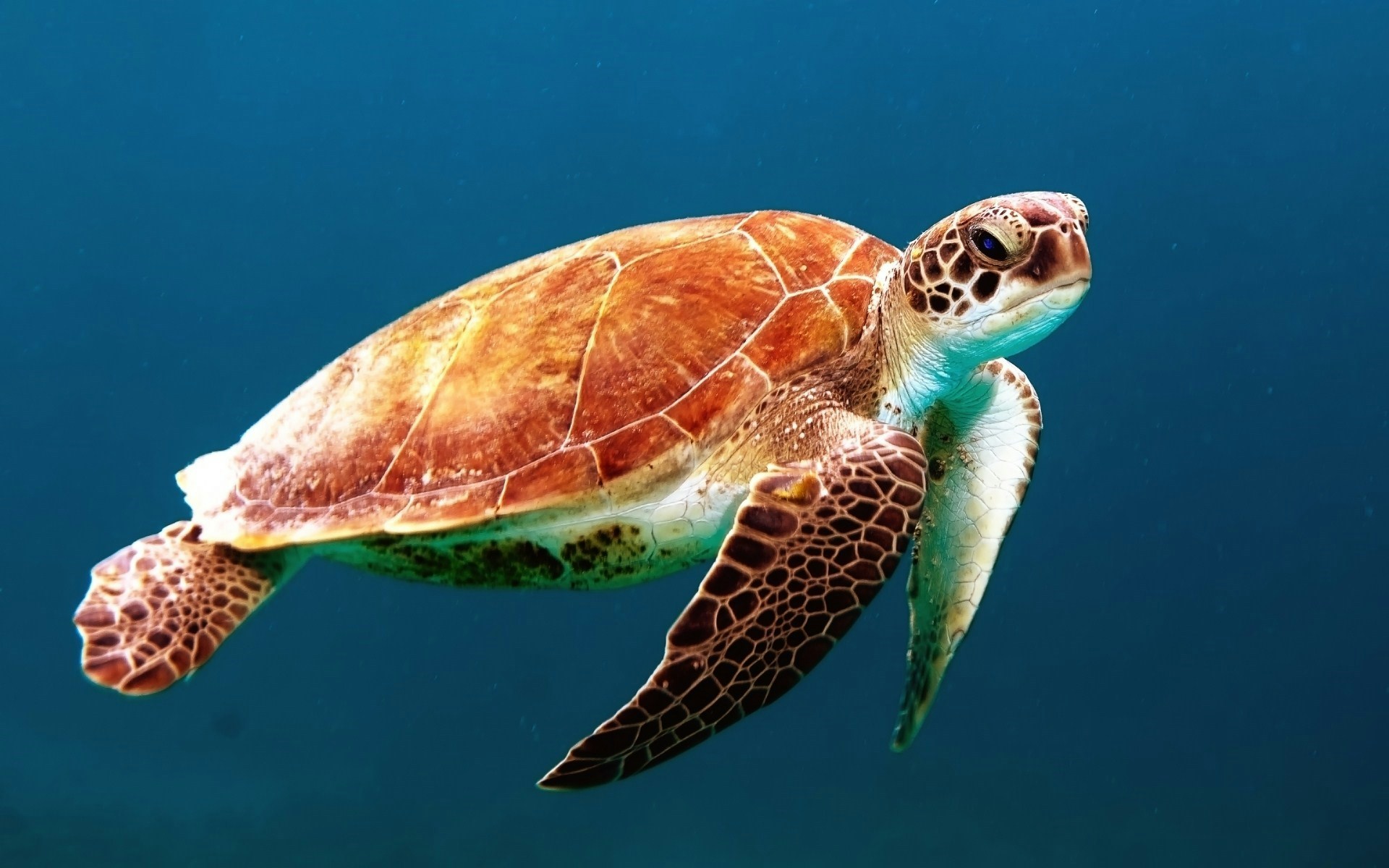
What to pack for three days
Pack light but prepare for heat and water. A small backpack should hold water, sunscreen, insect repellent, a hat, sunglasses, a light long-sleeved shirt, swimwear, sandals that can get wet, a dry change of clothes, a waterproof phone pouch and cash. Add binoculars and a camera if you already use them.
Bring a reusable bottle if your accommodation provides safe refill water. A compact rain shell is useful in humid months. For children, pack snacks that do not melt and a spare shirt after the boat. If you are traveling with mobility limitations, ask in advance about dock access, boat steps, toilets and the walking surface at Las Coloradas; conditions vary and a standard boat may not be accessible.
Do not overpack beach equipment. El Cuyo is not a place to leave expensive items unattended, and a large amount of gear makes the transfer between accommodations harder.
Common mistakes on this route
Treating El Cuyo and Río Lagartos as one identical destination
They are connected by the reserve but offer different experiences. Plan beach time in El Cuyo and boat time in Río Lagartos. If you expect a large resort beach in Río Lagartos or a full wildlife dock in El Cuyo, the route may feel mismatched.
Trying to see Las Coloradas in poor light and blaming the place
Pink ponds are sensitive to weather, sunlight and evaporation conditions. Plan daylight, but accept that photographs and reality vary. Follow current access rules instead of searching for an unmarked viewpoint.
Booking the boat after a tight transport connection
A delayed bus, taxi or road stop can make you miss a fixed departure. Sleep in Río Lagartos before the boat or leave a generous buffer. The extra night is often worth more than a rushed transfer.
Expecting guaranteed flamingos
The reserve is wild. A good operator explains what is currently possible and changes the route when necessary. Do not choose a provider only because a listing promises a specific number of birds.
Driving back after too much sun
Boat trips and salt flats expose you to heat. Rest, drink water and share driving when possible. If you are tired, shorten the onward plan rather than adding another attraction.
A slower alternative: add a fourth day
If you can add one day, use it in the town that matches your priority rather than adding another distant destination. A fourth day in El Cuyo allows a kitesurfing lesson, a second beach morning or a lagoon outing without sacrificing the transfer. A fourth day in Río Lagartos allows a longer birding route, a second boat departure under different conditions or a relaxed visit to Las Coloradas.
Another good extension is to continue to Valladolid. This creates a strong contrast between the low coastal wetlands and the inland colonial city. You can then add a cenote or Maya site on a separate day. Keep the coast and inland sightseeing as separate chapters of the trip instead of compressing both into one exhausting afternoon.
Final recommendation
For most travelers, book one night in El Cuyo and one or two nights in Río Lagartos, drive or arrange a private transfer, and reserve the Río Lagartos boat before you arrive. Use Day 1 for the beach, Day 2 for the move through Las Coloradas, and Day 3 for the wetlands while the morning is cool. That sequence gives each place enough space to be itself: El Cuyo as a quiet Gulf beach, Las Coloradas as a bright salt landscape and Río Lagartos as a protected wetland best understood from a respectful distance on the water.
The route is not about collecting every northeastern Yucatán attraction. It is about giving the coast time to change pace. If the weather shifts, the flamingos are far away or the wind drops, the itinerary still works because the beach, village, salt ponds and wetland are valuable for different reasons.

