
Hacienda Sotuta de Peón is one of the clearest places near Mérida to understand how henequen shaped modern Yucatán.
The visit is structured around a restored working hacienda rather than an empty historic building. You see the main house, henequen fields, fibre-processing machinery, rope-making equipment, workers’ housing, a traditional Maya home, and the narrow rail system once used to move material around the estate. The standard tour finishes with time to swim in Cenote Dzul Ha.
It is a polished, organised experience. That makes it easy for first-time visitors, families, and travellers who prefer a guided day over exploring independently. It also means the visit feels more managed than some smaller community-run haciendas and cenotes.
From Mérida, allow around 40 to 50 minutes each way. The tour itself lasts approximately three hours, but lunch, changing clothes, swimming, and waiting between activities can turn it into a five- or six-hour outing.
Go early if you want cooler weather and enough time to enjoy the cenote without rushing.
 The restored main house at Hacienda Sotuta de Peón
The restored hacienda complex. Photo: Gildardo Sánchez, licensed under CC BY 2.0.
Is Hacienda Sotuta de Peón worth visiting?
Hacienda Sotuta de Peón is worth visiting when you want more than a quick photograph of a colonial building.
The main strength is the combination of history, machinery, agriculture, architecture, and swimming. Instead of presenting the henequen period only through signs and preserved rooms, the tour demonstrates how leaves were cut, scraped, dried, spun, and turned into rope.
It works particularly well for:
- first-time visitors interested in Yucatán’s history
- families with school-age children
- travellers who want a structured day trip from Mérida
- visitors who enjoy industrial or agricultural history
- people choosing between a hacienda and a cenote excursion
- couples considering an overnight stay outside the city
- small groups using a private driver
It may not be the right choice when:
- you want several hours of uninterrupted cenote swimming
- you dislike organised group tours
- you are short on time in Mérida
- you mainly want grand architecture or formal gardens
- you need a completely step-free attraction
- you are travelling on a very tight budget
- you have already visited several henequen haciendas
For travellers with only two or three days in Mérida, the decision depends on priorities. Choose Sotuta de Peón when regional history matters to you. Choose a dedicated cenote day when swimming is the main purpose of the trip.
Hacienda Sotuta de Peón at a glance
| Detail | Practical information |
|---|---|
| Location | Municipality of Tecoh, south of Mérida |
| Driving time from Mérida | Usually around 40–50 minutes |
| Standard tour duration | Approximately 3 hours |
| Realistic total outing | Around 5–6 hours from Mérida |
| Main experience | Henequen hacienda tour and cenote swim |
| Standard tour times | 9:00 a.m., 11:00 a.m., and 1:00 p.m. |
| Best tour for most visitors | 9:00 a.m. |
| Advance booking | Strongly recommended |
| Best transport | Rental car or private driver |
| Public transport | Possible only with extra transfers; inconvenient |
| Swimming | Cenote Dzul Ha |
| Food | Restaurant available; not included in the standard tour |
| Overnight accommodation | Yes |
| Family suitability | Good for patient school-age children |
| Accessibility | Uneven ground, vehicles, steps, and cenote access require planning |
| Recommended footwear | Closed shoes or secure sandals |
| What to bring | Swimwear, towel, water, cash, sun protection, dry clothes |
Tour schedules, prices, meals, and access arrangements can change. Confirm the current programme directly with the hacienda before leaving Mérida.
Current tour times and ticket prices
The following information was checked against Hacienda Sotuta de Peón’s official visitor information in July 2026.
Shared hacienda tour
| Ticket | Listed price |
|---|---|
| Adult | MXN 875 |
| Child aged 4–12 | MXN 550 |
| Child under 4 | Confirm directly |
| Duration | Approximately 3 hours |
| Scheduled departures | 9:00 a.m., 11:00 a.m., and 1:00 p.m. |
| Days | Daily |
| Languages offered | Spanish, English, and French |
| Food and drinks | Not included |
The shared tour is the sensible choice for most independent visitors. It covers the essential parts of the hacienda and includes approximately one hour at Cenote Dzul Ha.
Private hacienda tour
The official listed price is MXN 1,275 per adult or child, with a minimum booking equivalent to six participants.
A private tour can make sense for:
- families with young children
- multigenerational groups
- travellers who need a slower pace
- photographers
- larger private parties
- visitors coordinating the hacienda with another stop
Ask exactly what “private” means when booking. Confirm the language, starting time, number of guests, cenote time, and whether the guide remains exclusively with your party throughout the experience.
Sunset tour
A sunset option is listed at 5:30 p.m., subject to reservation and a minimum of six participants. The official listed price is MXN 1,740 per person and includes a four-course dinner. Drinks are not included.
This is better treated as a private group experience than a normal day trip. It is worth considering for a celebration, family gathering, or small wedding party, but it is unlikely to be the most economical option for a couple.
Before paying
Confirm all of the following:
- the date and starting time
- the language of the tour
- the final price including taxes
- whether children require tickets
- the cancellation and rain policy
- whether cenote access is operating normally
- whether towels or lockers are available
- the restaurant opening time
- any mobility or medical requirements
- the accepted payment methods
Do not arrive without checking availability. The hacienda specifically warns that places on tours and in the restaurant can be limited.
Which tour time should you choose?
For most visitors, the 9:00 a.m. tour is the best option.
You will need an early start from Mérida, but the grounds are cooler, the light is softer, and you can finish before the heaviest afternoon heat. It also leaves room for lunch and a second stop without driving after dark.
The 11:00 a.m. departure is easier after breakfast in Mérida. However, much of the outdoor portion then falls around midday. Bring more water than you think you need.
The 1:00 p.m. departure can work on a travel day or after a slow morning, but it occupies most of the afternoon. Confirm the restaurant schedule and calculate your return before choosing it.
A reasonable plan is:
- leave central Mérida around 7:50–8:05 a.m.
- arrive by approximately 8:40 a.m.
- check in without rushing
- join the 9:00 a.m. tour
- finish around midday
- eat lunch at the hacienda or nearby
- return to Mérida during the afternoon
Build in extra time when leaving from northern Mérida. Crossing the city can add considerably more time than the open-road section of the journey.
What the Hacienda Sotuta de Peón tour includes
The exact order can vary, but the standard visit is built around six main elements.
The main house
The tour normally begins around the restored principal buildings.
The main house represents the estate’s administrative and domestic centre. Its arcades, high ceilings, tiled surfaces, heavy doors, and shaded corridors show how hacienda architecture responded to Yucatán’s heat.
This is the most photogenic part of the visit, but it is not the whole reason to come. The stronger sections begin when the tour moves from architecture into the production process.
 Arched corridor at Hacienda Sotuta de Peón
The shaded arcades of the main house. Photo: Gildardo Sánchez, licensed under CC BY 2.0.
The henequen fields
Henequen is a species of agave cultivated for its strong fibre.
Its long, rigid leaves supplied material for rope, sacks, cordage, and agricultural binder twine. During the late nineteenth and early twentieth centuries, international demand turned henequen into one of Yucatán’s most important exports.
The fields help explain the scale of the industry. Henequen is not harvested like grain or fruit. Mature leaves are cut individually and transported for processing, while the plant remains in the ground.
Seeing the plant before entering the machine house makes the rest of the tour easier to understand.
 Henequen growing in the fields at Sotuta de Peón
Henequen fields surrounding the hacienda. Photo: Gildardo Sánchez, licensed under CC BY 2.0.
Scraping and extracting the fibre
The leaves must be crushed and scraped to separate usable fibre from the fleshy plant material.
Tour demonstrations show how this was done and why mechanisation mattered. A fresh henequen leaf is heavy and moist. The finished fibre is comparatively light, pale, dry, and strong.
This section can be noisy. Children who are sensitive to machinery may benefit from ear protection.
The machinery is one of Sotuta de Peón’s strongest features. Even visitors with limited interest in architecture often find the production system more engaging than expected.
 Restored henequen-processing machinery
Machinery used to process henequen leaves. Photo: Gildardo Sánchez, licensed under CC BY 2.0.
Rope making
Once dried and prepared, fibres can be twisted into cord and rope.
The tour includes demonstrations of handmade and mechanical production. This is a useful point to look closely at how individual strands become a durable finished material.
Small henequen products may be sold on site. Treat these as souvenirs rather than guaranteed artisan purchases unless the origin and maker are clearly identified.
Good questions to ask include:
- Was this item made at the hacienda?
- Is the fibre locally grown?
- Was the product made by hand or machine?
- Who receives the income from the sale?
- How should the fibre be cleaned or stored?
 Finished henequen ropes
Henequen rope at the hacienda. Photo: Gildardo Sánchez, licensed under CC BY 2.0.
The mule-drawn truk
The estate retains narrow Decauville-style rails originally used to move henequen, equipment, and people around the property.
Visitors ride wooden platforms commonly called truks, traditionally pulled by mules.
The ride is memorable, but it is not a smooth theme-park vehicle. Expect vibration, sun, basic seating, and some climbing on and off. Secure hats, phones, cameras, and loose belongings.
Travellers with back problems, limited balance, or mobility concerns should contact the hacienda before booking. Ask whether an alternative vehicle is available and whether every section of the tour requires the truk.
The use of working animals may not appeal to everyone. Travellers concerned about animal welfare should ask the hacienda directly about working hours, rest, water, veterinary care, and the possibility of completing the route without the mule-drawn portion.
 A henequen cart and narrow-gauge rails at Sotuta de Peón
Henequen transport equipment and rails. Photo: pichul12, licensed under CC BY-SA 2.0.
The Casa Maya
The tour includes a traditional Maya house intended to explain domestic life connected to the hacienda.
A typical regional dwelling uses an oval or rounded plan, timber supports, earth or masonry walls, and a palm-thatched roof. Its form encourages air movement and provides shade in a hot climate.
This section deserves some care. Maya domestic architecture is not simply a relic of the past. Related building forms remain part of living communities across the peninsula.
Listen for whether the guide presents Maya culture as contemporary as well as historical. A good interpretation should explain continuity, adaptation, language, family life, and skilled construction rather than reducing the house to a decorative exhibit.
 Traditional Maya house at Hacienda Sotuta de Peón
The Casa Maya section of the tour. Photo: Gildardo Sánchez, licensed under CC BY 2.0.
Cenote Dzul Ha
The final part of the standard tour includes approximately one hour at Cenote Dzul Ha.
Dzul Ha is an enclosed or cave-like cenote reached by descending below ground. The setting is cooler and darker than an open cenote, with clear freshwater and artificial access infrastructure.
The swim is refreshing after the outdoor sections of the tour. However, one hour includes changing, receiving instructions, entering the water, swimming, drying off, and regrouping. It is enough for a good swim, but not a slow afternoon beside the water.
 Inside Cenote Dzul Ha at Hacienda Sotuta de Peón
Inside the cenote at Hacienda Sotuta de Peón. Photo: eileenmak, licensed under CC BY 4.0.
What to expect at the cenote
Expect:
- stone or constructed steps
- reduced natural light
- cooler water
- wet and potentially slippery surfaces
- other members of your tour group
- a fixed swimming period
- limited space for elaborate photography
- instructions from staff before entering
Ask whether life jackets are mandatory and whether they are included. Rules can change according to water conditions and operational policy.
Do not assume that lockers, towels, toiletries, or changing-room amenities are included. Confirm in advance or bring your own.
Cenote etiquette
Help protect the water by following the local rules.
- Shower before entering.
- Do not apply sunscreen, perfume, oil, or insect repellent immediately before swimming.
- Do not leave litter.
- Do not touch formations.
- Keep food and drinks away from the water.
- Follow life-jacket and access instructions.
- Do not jump unless staff explicitly permits it.
Read our guide to visiting cenotes in Yucatán and our explanation of cenote safety before planning a longer swimming day.
The history of Hacienda Sotuta de Peón
Hacienda Sotuta de Peón began operating in 1858 and grew during Yucatán’s henequen boom.
By the late nineteenth century, henequen fibre had become essential to international agriculture and shipping. It was used to make rope, sacks, and binder twine at a time when mechanised grain harvesting was expanding rapidly.
Haciendas accumulated land, machinery, rail systems, processing plants, houses, chapels, stores, and workers’ settlements. Their owners could become extremely wealthy, while Mérida acquired some of the grand houses and civic architecture associated with the period.
Sotuta de Peón reportedly enjoyed around a century of activity before decline and abandonment. The estate was later restored as a living museum, hotel, restaurant, and visitor attraction.
Henequen and the people who produced it
The architecture and machinery are worth seeing, but the henequen period should not be understood only as a prosperous chapter of elegant houses and export wealth.
Large estates expanded through the acquisition of land previously used by Maya communities. Many labourers became tied to haciendas through debt, restricted mobility, company stores, coercive working arrangements, and the loss of independent access to land.
Conditions differed between places and changed over time, but the wider system was deeply unequal. Wealth and political influence were concentrated among a relatively small group of landowners and merchants.
This context matters because a hacienda was not only a large country house. It was an economic and social system containing fields, industrial equipment, transport, housing, accounts, discipline, and labour relations.
When listening to the tour, distinguish between:
- the engineering of henequen production
- the wealth generated by export markets
- the lives of owners and administrators
- the experiences of Maya labourers
- modern restoration and tourism
- the continuing cultural life of nearby communities
A thoughtful visit can appreciate the restoration without romanticising the system that produced the original wealth.
Why the henequen industry declined
Several forces weakened the henequen economy.
International buyers developed alternative suppliers. Synthetic fibres eventually replaced many natural-fibre products. Agricultural technology changed, reducing demand for the type of binder twine that had supported Yucatán’s export boom.
The Mexican Revolution and subsequent land reforms also altered land ownership and labour relations.
Formerly powerful haciendas declined, changed use, or were abandoned. Some became villages, farms, private homes, hotels, restaurants, event venues, or museums. Others survive only as ruins hidden by vegetation.
Sotuta de Peón is unusual because so many connected parts of the production system have been restored and interpreted together.
How to get to Hacienda Sotuta de Peón from Mérida
The hacienda is located in the municipality of Tecoh, south of Mérida.
The official estimate is approximately 45 minutes from the city. In practice, allow 40 to 50 minutes from central Mérida and longer from northern neighbourhoods.
There is no simple direct public-transport route suited to most tourists.
By rental car
A rental car is the easiest independent option.
It gives you control over the departure time, lets you stay for lunch, and makes it possible to add Tecoh, Acanceh, or another stop without negotiating separate fares.
Before leaving Mérida:
- download the route for offline use
- check that the hacienda name and entrance are correctly pinned
- leave with enough fuel
- avoid relying on mobile signal for every turn
- keep the booking confirmation available
- allow time for city traffic
- avoid planning your first unfamiliar rural drive after dark
The main approach is manageable for normal cars. Weather, roadworks, and local conditions can still change, particularly during the rainy season.
By private driver
A private driver is the easiest option when nobody in the group wants to drive.
It is particularly useful for:
- families with children
- groups of four or more
- travellers staying in northern Mérida
- visitors combining several stops
- anyone planning lunch or drinks
- travellers unfamiliar with rural roads
- guests staying overnight at the hacienda
Agree in writing on:
- pickup point
- pickup time
- waiting time
- additional stops
- total price
- parking and tolls
- overtime charges
- return time
- child-seat requirements
Do not assume the driver will remain throughout the tour unless waiting time is included.
For the next step, compare the Stay guides with the relevant destination guide.
By taxi or rideshare
A taxi or app-based ride may be able to take you from Mérida to the hacienda. The return is less predictable.
Vehicle availability outside the city can be limited, and a driver accepting the outward journey is not a guarantee that another car will be available when the tour ends.
A safer arrangement is to:
- book a round trip
- ask the same driver to wait
- arrange a fixed collection time
- confirm the fare before departure
- exchange contact details
- keep enough cash for an alternative
Do not rely entirely on requesting a new ride from the hacienda at the end of the visit.
GuideMérida to Dzibilchaltún: How to Get There by Taxi, Bus, Car or TourDzibilchaltún is a Maya archaeological site located about 17–20 km north of Mérida, on the road toward Progreso, and is best suited for a short cultural stop rather than a full‑day excursion. The drive from most central or northern Mérida locations takes 20–35 minutes; visitors usually spend 1.5–2.5 hours at the ruins, preferably in the early morning before the heat builds. A private ride, taxi with a round‑trip agreement, or rental car is recommended for most travelers, while a private van works well for groups of four or more. The cheapest option is the public bus, though it may require transfers, longer travel time and more walking. Prices are not listed in the article; however, when booking any private or shuttle service you should confirm whether the quoted amount includes waiting time (typically two hours), return transport, entrance fees and any extra stops such as Progreso or Chicxulub. A private ride includes pickup at your hotel, Airbnb or other address, direct drop‑off at the site entrance, waiting while you explore, and return transport. A private van offers similar service for larger parties and can accommodate multiple pickups. Taxis or ride‑app cars are viable for couples or solo travelers but require you to negotiate a round‑trip price and carry cash for the return. Rental cars give full flexibility to combine the ruins with coastal visits, while the public bus is best for budget travelers comfortable with Spanish and uncertain schedules. Visitors should arrive early, bring water and cash for entrance fees, and note that Cenote Xlacah and the Museo del Pueblo Maya are currently closed, so a swim should not be planned. If you want historical context, arrange a licensed guide separately, as drivers are not automatically guides. Confirm all details—pickup address, number of passengers, waiting time, continuation to other sites, car seat needs, language support and payment method—before confirming any transport booking.Open
By public transport
Public transport is not the best option for this particular attraction.
Regional buses and colectivos serve towns south of Mérida, but reaching the hacienda generally requires an additional taxi or local arrangement for the final section. Timetables may not align with the fixed tour departure.
It can be done by a determined, Spanish-speaking traveller with time and flexibility. It is not the practical choice for a family, a first-time visitor, or anyone with a confirmed morning booking.
Spend the extra money on a driver when missing the tour would damage the day.
When to visit
Hacienda Sotuta de Peón operates throughout the year, but the experience changes with the season.
November to February
This is generally the most comfortable period for outdoor touring.
Mornings can feel pleasantly mild, especially in shaded areas and on moving vehicles. It is also a popular travel season, so reserve ahead.
Bring swimwear even when the morning feels cool. The cenote water temperature changes less than the air outside.
March to May
These are often the hottest months.
Choose the earliest departure available. Carry water, wear breathable clothing, and reduce additional afternoon plans.
The machinery buildings and shaded corridors provide some relief, but the fields and transport sections can be exposed.
June to October
This is the wetter period.
Rain can arrive suddenly, usually without making the whole day impossible. The landscape becomes greener, humidity rises, and mosquitoes may be more noticeable.
Bring:
- a compact rain jacket
- a waterproof bag for electronics
- dry clothes
- secure shoes
- an umbrella for moving between buildings
Ask the hacienda how severe weather affects the tour, the truk ride, and cenote access.
Weekdays, weekends, and holidays
Weekdays are usually easier for travellers seeking a quieter experience.
Weekends and Mexican holiday periods can bring more families, tour groups, weddings, or private events. The property also functions as a hotel and event venue, so the atmosphere can vary even when the public tour continues normally.
Confirm whether a large event is scheduled on your intended date.
How much time should you allow?
Allow a minimum of five hours from central Mérida.
A comfortable schedule is closer to six hours:
- 45–60 minutes to reach the hacienda
- 20 minutes for parking and check-in
- 3 hours for the tour
- 60–90 minutes for lunch or a relaxed departure
- 45–60 minutes back to Mérida
Do not schedule a tightly timed airport transfer, long-distance bus, or formal evening commitment immediately afterwards.
For a second attraction, choose something modest and close to the route. Trying to combine the hacienda with Uxmal, several cenotes, and a large town produces more driving than enjoyment.
Eating at Hacienda Sotuta de Peón
The hacienda operates two dining spaces.
Kih Restaurant
Kih is located in the historic area near the main house and serves regional Yucatecan food.
The official schedule lists:
- breakfast from 8:00 a.m. to 12:00 p.m.
- lunch from 12:00 p.m. to 5:00 p.m.
The standard tour does not include food or drinks.
Kih is the logical lunch choice when you do not want to leave immediately after the tour. It also removes the need to find an open restaurant in a smaller town at an awkward hour.
Expect the restaurant to be priced as part of a visitor attraction rather than as a village cocina económica.
Ask about:
- the current menu
- vegetarian options
- children’s portions
- food allergies
- reservation requirements
- service charge
- card acceptance
Muum Restaurant
Muum is located within the hotel area near the pool and is used for evening dining.
The official dinner schedule is 7:00 p.m. to 9:00 p.m. This is mainly relevant to overnight guests, private groups, and people taking an evening experience.
Vegetarian alternatives are advertised, but specific dietary needs should be discussed in advance.
Should you eat at the hacienda?
Eat there when:
- you are taking the morning tour
- you value convenience
- you are travelling with children
- you do not want another drive before lunch
- you are interested in a complete hacienda experience
Consider eating elsewhere when:
- local village food is a major part of your trip
- you are travelling on a strict budget
- you want more flexibility
- the restaurant requires a long wait
- you are continuing towards Acanceh or Homún
Reserve lunch when visiting on a weekend or holiday.
Staying overnight at Hacienda Sotuta de Peón
The hotel contains 30 cabins inspired by regional Maya and colonial architecture.
This is not a conventional urban hotel. The appeal is the setting: gardens, henequen fields, quiet evenings, paths, hammocks, and the sense of staying within the restored estate.
The official room categories include Deluxe and Superior accommodation.
Amenities listed across the rooms include:
- air conditioning
- Wi-Fi
- coffee maker
- safe
- telephone
- ceiling fan
- hair dryer
- desk
- wardrobe
- private terrace or balcony in relevant categories
Some Deluxe cabins are advertised with private pools. Confirm the exact room configuration before booking, as photographs and amenities can differ between units.
Guests may also have access to the main pool, gardens, trails, organic garden, and cenote according to the hotel’s schedules and restrictions.
 Swimming pool in the grounds of Hacienda Sotuta de Peón
The main swimming pool. Photo: Gildardo Sánchez, licensed under CC BY 2.0.
Is an overnight stay worth it?
Staying overnight is worthwhile when the property itself is part of the trip rather than simply a place to sleep.
It suits:
- couples wanting one quiet night outside Mérida
- families who prefer not to rush back after the tour
- wedding guests
- small private groups
- travellers beginning a longer route through southern Yucatán
- people interested in gardens and rural surroundings
- visitors who want dinner and a slower morning
It is less useful when:
- your priority is exploring Mérida at night
- you are travelling without a car or driver
- you need a large choice of nearby restaurants
- you want to visit several urban attractions
- you are sensitive to insects or rural sounds
- you expect a large full-service resort
Confirm whether the room rate includes breakfast, the hacienda tour, cenote access, taxes, and any resort or service fees. Never assume the tour is included simply because you are staying at the hotel.
One night or two?
One night is enough for most travellers.
A practical sequence is:
- Leave Mérida during the late morning.
- Check in and have lunch.
- Enjoy the pool or grounds.
- Eat dinner at the hotel.
- Take the early hacienda tour the following morning.
- Continue to your next destination after lunch.
Two nights may suit a wedding group, a retreat, or travellers deliberately building rest into a longer itinerary. For an ordinary sightseeing trip, the second night can feel isolated unless you have a car and additional plans.
Other activities
The hacienda advertises additional activities and wellness experiences that may operate by reservation.
These can include:
- horseback riding
- spa treatments
- temazcal experiences
- garden walks
- private events
- wedding services
- special meals
Do not assume these are available every day. Ask for the current activity list and prices before choosing the hotel specifically for one of them.
A temazcal should be treated as a heat-intensive wellness activity. Travellers who are pregnant, have cardiovascular conditions, are sensitive to heat, or take relevant medication should seek appropriate medical advice before participating.
Is Hacienda Sotuta de Peón good for families?
The hacienda can be a strong family day trip, especially for children old enough to follow a guide and engage with machinery, plants, transport, and swimming.
It offers more variety than a conventional house museum. The movement between buildings helps prevent the tour from becoming too static.
The main challenges are:
- a three-hour structured programme
- heat
- limited freedom to leave the group
- machinery noise
- waiting during explanations
- getting on and off the truk
- stairs at the cenote
- changing wet children afterwards
For younger children, bring snacks, water, a hat, dry clothes, and a small towel. Do not assume a stroller can be used comfortably across every section.
Ask whether car seats are available when booking private transport. Bring your own when safety and fit are important.
Visiting while pregnant
Pregnant visitors should consider the heat, uneven surfaces, truk ride, cenote stairs, and distance from central Mérida.
The main house and demonstrations may be manageable, but the complete route may not suit everyone at every stage of pregnancy.
Contact the hacienda and ask:
- how much walking is involved
- whether the truk ride is bumpy
- whether a section can be skipped
- whether an alternative vehicle is available
- how many steps lead to the cenote
- where toilets and shaded seating are located
- whether a companion can remain outside the cenote
A private driver is usually more comfortable than coordinating public transport.
Accessibility and mobility
Hacienda Sotuta de Peón is a restored agricultural and industrial site rather than a purpose-built modern museum.
Potential obstacles include:
- uneven ground
- gravel or earth paths
- high vehicle steps
- narrow access points
- machinery areas
- limited handrails
- wet cenote stairs
- low light underground
- distances between sections
- heat and humidity
Do not rely on a general statement that the property is accessible. Explain your exact requirements before booking.
Ask about:
- wheelchair access to the main house
- accessible toilets
- step-free routes
- vehicle transfers
- seating during explanations
- access to the restaurant
- hotel-room configuration
- shower and bathroom grab rails
- cenote viewing without swimming
A traveller may be able to enjoy the main house and restaurant even when the complete tour or cenote is unsuitable.
What to wear
Dress for heat, machinery, transport, and swimming rather than for a formal hacienda photograph.
Wear:
- breathable clothing
- closed shoes or secure sandals
- a hat
- sunglasses
- swimwear under your clothes when practical
- clothing that can tolerate dust or plant material
Avoid:
- loose flip-flops for the full tour
- long trailing clothing near machinery
- expensive white clothing
- heavy denim in hot weather
- unsecured wide-brim hats on the truk
- jewellery you would worry about losing
A light long-sleeved shirt provides useful protection from sun and insects.
What to bring
Pack a small day bag with:
- booking confirmation
- swimwear
- towel
- dry underwear
- reusable water bottle
- hat
- sunglasses
- compact rain jacket in wet season
- waterproof pouch for electronics
- cash in pesos
- payment card
- medication
- child supplies where required
- a bag for wet clothing
Apply sun protection for the outdoor tour, but shower thoroughly before entering the cenote and follow the site’s product rules.
Cash and card payments
Do not assume every part of the visit can be handled by card.
The main ticket office or hotel may accept cards while smaller purchases, tips, local taxis, or incidental expenses are easier with cash.
Carry enough pesos for:
- food
- drinks
- tips
- souvenirs
- transport changes
- emergency taxi arrangements
Avoid carrying only large banknotes. Smaller denominations are more useful outside central Mérida.
Photography
Photography is one of the strengths of Sotuta de Peón.
Good subjects include:
- the arcades of the main house
- henequen rows
- fibres drying in the light
- industrial machinery
- rope textures
- rail lines and vehicles
- the Casa Maya
- the entrance to the cenote
The morning tour usually provides better outdoor light and less severe contrast.
Be considerate when photographing workers, guides, local residents, or demonstrations. Ask permission before making a person the main subject of an image.
Drones should never be assumed permissible. The property is private, contains guests, animals, machinery, and event spaces. Request written permission in advance.
Tips and gratuities
A tip for a good guide is customary but should reflect the quality and personal attention of the tour.
There is no need to tip repeatedly at every station unless separate staff members have provided substantial individual service.
Carry small notes and ask whether a shared tip is divided among the team.
Restaurant service should be handled separately according to the bill and local practice.
What to avoid
A little planning prevents the common problems.
Do not arrive without a reservation
The property limits tour and restaurant spaces. A long drive does not guarantee entry.
Do not schedule the day too tightly
The tour is approximately three hours, not including check-in, lunch, changing, and transport.
Do not treat it only as a cenote visit
The cenote is one component of a larger historical tour. Choose another destination when swimming is your sole priority.
Do not rely on an on-demand return ride
Arrange the journey back to Mérida before beginning the tour.
Do not underestimate the heat
Even visitors accustomed to warm weather can struggle during exposed midday sections.
Do not romanticise the hacienda era
The restored buildings tell only part of the history. Pay attention to labour, land, debt, and Maya community life.
Do not build the day around Mayapán without checking
The Mayapán archaeological zone has experienced an extended closure. Confirm its official reopening status on the day rather than assuming it can be added to the route.
What to combine with Hacienda Sotuta de Peón
The hacienda already provides a substantial half-day. Add only one meaningful stop unless you have a driver and are comfortable with a long day.
Tecoh
Tecoh is the simplest local addition.
The town is known for its large church and convent complex, built in part with stone associated with the pre-Hispanic settlement. A short walk around the centre adds local context without creating a major detour.
This is a good option when you want a complete day but do not want another paid attraction.
Allow time for ordinary town rhythms. Services may be limited during the hottest hours, and the church may not always be open to casual visitors.
Acanceh
Acanceh can add a small-town centre and visible Maya archaeology to the route.
Its appeal is the close relationship between the modern town and pre-Hispanic remains. It is more useful as a short contextual stop than as a full archaeological day.
Check current access before travelling specifically for an individual structure.
GuideAcanceh Ruins Guide: The Pyramid of the Masks in a Living Maya TownAcanceh is a compact Maya archaeological site set inside a working Yucatecan town, famous for its monumental stucco masks and Teotihuacán-influenced frieze. Here is what to see, how to get there, and how to combine it with nearby cenotes and ruins.Open
Homún
Homún works for travellers who want considerably more swimming.
The area contains many independently operated and community-run cenotes. Combining one or two with the hacienda creates a long but coherent day built around henequen history and underground water.
This is easier with a rental car or private driver.
Do not attempt too many cenotes after a three-hour tour. One carefully chosen site is usually enough.
GuideHomún Cenotes Guide: Best Cenotes, Map, Prices & How to VisitThe article is a guide to exploring the underground cenotes of Homún, a small town in the Yucatán Peninsula of Mexico. From Mérida you can reach Homún by taking a colectivo or by renting a bicycle; once there you may hire a local guide, although the guide is optional. Entrance fees are paid in cash at each cenote, and the cost varies by site, but the article does not give exact prices. No specific opening hours are mentioned, so visitors should assume the cenotes are accessible during daylight. A typical visit to a cenote lasts a few hours, depending on the activities chosen, such as swimming, diving or simply admiring the scenery. The guide notes that swimwear, water shoes, biodegradable sunscreen and a waterproof camera are useful items to bring, and that cash is needed for the entrance fees. Visitors can expect an underground, often dimly lit environment that differs from open‑air cenotes. Early morning visits are recommended to avoid crowds, and interacting with locals can provide insight into the history and legends of each site. Some cenotes permit diving, but safety guidelines must be checked in advance; shallow areas are available for non‑swimmers, though life jackets are advisable. The article stresses respecting the ecosystem by not leaving waste, avoiding contact with underwater formations, and using sun protection despite the shade.Open
Mérida
Returning to Mérida for a late lunch, rest, and evening walk is often the better plan.
The hacienda provides enough content for one day. You do not need to force an additional major attraction into the itinerary.
Use our Mérida travel guide to plan an evening around the historic centre, dinner, or a cultural event.
GuideMérida Travel Guide: What to Do, Where to Stay and How to Plan Your TripMérida is the capital of the Mexican state of Yucatán, located in the northwest part of the peninsula and known as “La Ciudad Blanca” for its bright limestone architecture. The city is served by Mérida International Airport (MID), a 15‑25 minute drive to the historic centre, and by ADO bus terminals that connect to Cancún, Valladolid, Campeche and other destinations; rideshare services such as Uber and inDrive operate throughout town, while a car is only needed for longer day trips to sites like Uxmal or Celestún. The guide suggests an ideal stay of three to five nights in the city, with day trips ranging from 45 to 90 minutes. No specific entry fees are listed, but visitors should budget for accommodation, meals, transport and optional tours. The article notes that tap water is not potable, so purified water should be purchased, and that most restaurants expect a 10‑15 % tip. Travelers can expect a walkable historic centre, Sunday “bici‑ruta” streets closed to cars, lively plazas with marimba music, and a culinary scene that ranges from market breakfasts to fine‑dining in restored mansions. The climate varies: December‑March offers the mildest weather, April‑May is very hot, June‑October brings rain and humidity, and November is a transition period. Recommended packing includes breathable clothing, a wide‑brim hat, reef‑safe sunscreen (to be rinsed before entering cenotes), comfortable walking shoes and insect repellent. Tips include planning activities for early mornings and evenings to avoid midday heat, using shaded arcades in the centre, staying hydrated, and bringing a reusable water bottle with electrolytes. Modest dress is advised for churches and cultural venues, and a small fan or portable cooler can make the hot season more comfortable.Open
Mayapán
Geographically, Mayapán appears to be a natural combination. Operationally, it should not be treated as reliable until its reopening has been officially confirmed.
The archaeological zone has remained closed to normal public visits during an extended dispute and access interruption.
Read our Mayapán closure and visiting update before building it into your route.
GuideMayapán Ruins Guide: Is It Open, How to Visit from Mérida & What to SeeMayapán is a compact Postclassic Maya archaeological zone located a short drive southeast of Mérida, but it is not currently open to normal public visits. The site should be treated as closed, and travelers should not plan a dedicated trip there unless they obtain same‑day confirmation from the Centro INAH Yucatán, a trusted local guide, driver, or Mérida‑based operator that access has resumed. Because the article gives no ticket price, opening hours or official schedule, none of those details can be provided. The only practical guidance is that, if the site does reopen, a visit would typically last about one to one and a half hours and would include seeing the main Temple of Kukulcán, the central plaza, the distinctive round buildings, colonnaded halls, and the surrounding wall. No specific services or amenities are listed as included. Visitors should verify the site’s status on the day of travel and, if it remains closed, redirect the day to confirmed‑open alternatives such as Uxmal, Chichén Itzá, Dzibilchaltún, Acanceh, Tecoh, or nearby cenote trips in Homún or Cuzamá. When using a driver or tour, ask them to confirm access before departure; if self‑driving, do not rely solely on map apps or outdated blogs. Should Mayapán be open, arriving early is advisable to make the most of the brief, quieter experience.Open
Suggested itineraries
Simple half-day from Mérida
7:50 a.m. — Leave central Mérida
8:40 a.m. — Arrive and check in
9:00 a.m. — Hacienda tour
12:00 p.m. — Finish tour and change
12:15 p.m. — Lunch at Kih
1:45 p.m. — Return to Mérida
2:30–3:00 p.m. — Arrive in the city
This is the best arrangement for most first-time visitors.
Hacienda and Tecoh day
Morning — Early shared tour
Lunch — Eat at the hacienda
Afternoon — Drive into Tecoh for the church and central streets
Late afternoon — Return to Mérida
This adds a sense of place without making the day exhausting.
Hacienda and Homún cenote day
Morning — 9:00 a.m. hacienda tour
Midday — Light lunch
Afternoon — One additional cenote near Homún
Early evening — Return to Mérida
Choose this only when swimming is a major priority. Remember that the hacienda tour already includes Cenote Dzul Ha.
GuideCenote Hool Kosom Guide: Swimming, Prices and the Homún Cenote RouteA practical guide to Cenote Hool Kosom near Mérida, including swimming, current price guidance, opening hours, transport and nearby Homún cenotes.Open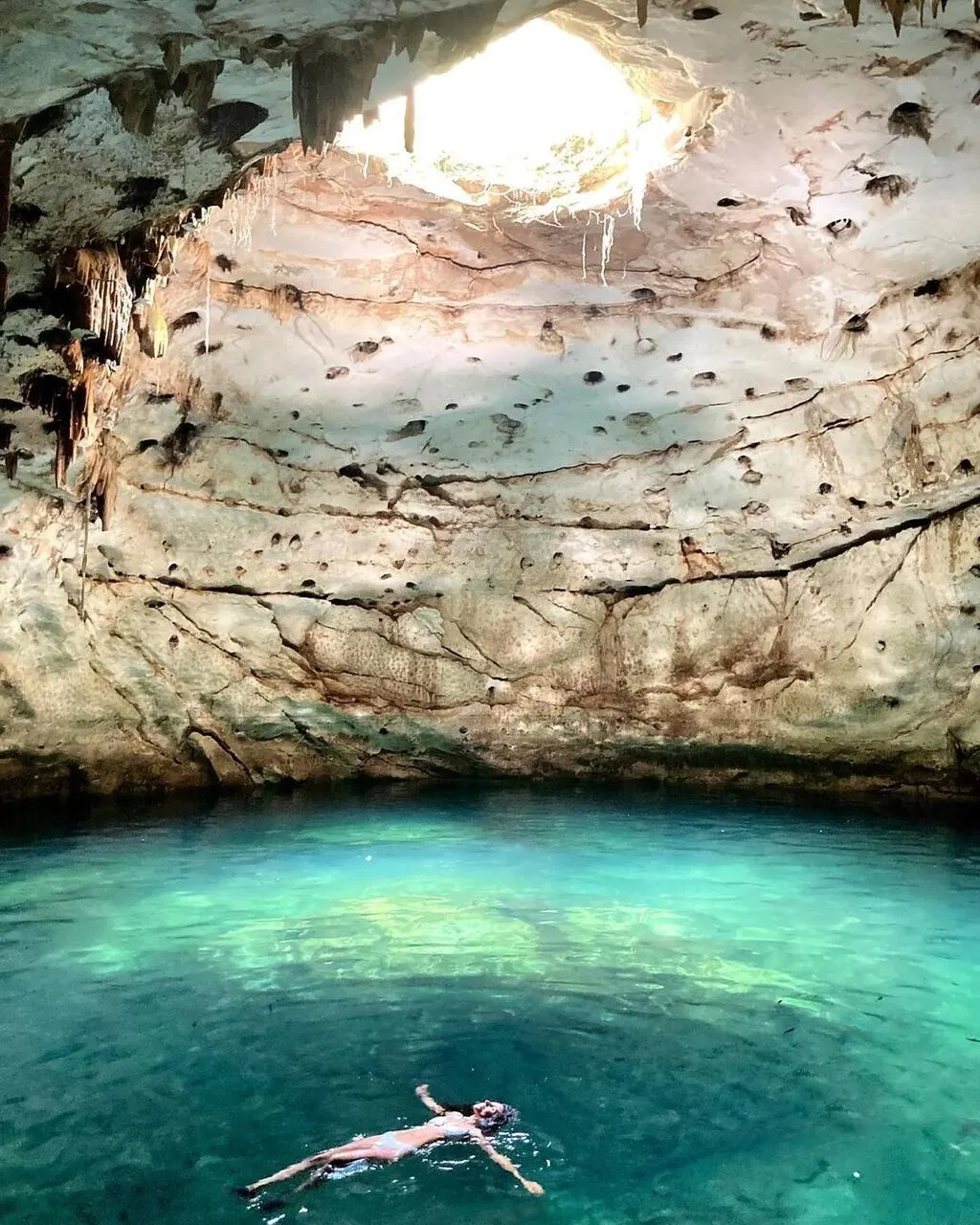
Slow overnight stay
Day one afternoon — Arrive and check in
Late afternoon — Pool and gardens
Evening — Dinner at Muum
Day two morning — Early hacienda tour
Day two midday — Lunch and departure
This is the better sequence for couples and families who want the estate to feel like a retreat rather than a rushed excursion.
Hacienda Sotuta de Peón or Hacienda Mucuyché?
Both are restored hacienda experiences south of Mérida, but they suit different priorities.
| Choose Sotuta de Peón when… | Choose Mucuyché when… |
|---|---|
| Henequen history is your main interest | Swimming is your main interest |
| You want machinery and production demonstrations | You want a more water-centred route |
| You enjoy agricultural and industrial history | You want cenotes connected by landscaped facilities |
| A traditional rail ride appeals to you | You prefer a more compact visitor circuit |
| You want the option to stay overnight | You are planning a straightforward day trip |
| You want a living-museum format | You want a polished hacienda-and-cenote experience |
Sotuta de Peón provides the stronger explanation of the henequen economy. Mucuyché is usually the better choice for travellers placing the greatest emphasis on swimming and visual atmosphere.
Read our complete Hacienda Mucuyché guide before deciding.
Visiting both can make sense on a longer trip, but they should not normally be scheduled on the same day.
Is the experience authentic?
“Authentic” is not a particularly useful yes-or-no label for a restored tourist attraction.
Sotuta de Peón is a real historic hacienda complex with restored machinery, agricultural land, rail infrastructure, and documented connections to the henequen industry. At the same time, the current visitor route is curated, scheduled, commercial, and designed for tourism.
It is best understood as an interpreted historic site rather than an untouched working estate.
The value lies in seeing connected parts of the henequen system in one place. The responsibility lies in recognising that restoration, performance, memory, and commercial tourism all shape what visitors see.
Booking checklist
Before confirming the visit, ask:
- Is the hacienda tour operating on my date?
- Which starting times remain available?
- Which language will my guide use?
- Is the cenote included and open?
- Are life jackets provided?
- Are towels included or rented?
- Is lunch available after my tour?
- Does the restaurant require a reservation?
- Can I pay by card?
- What is the cancellation policy?
- What happens during heavy rain?
- Are private tours subject to a six-person minimum?
- Is an alternative available for guests who cannot use the truk?
- Is the tour suitable for my mobility requirements?
- Is the tour included in my hotel rate?
- Can the hacienda arrange transport from Mérida?
The official site lists the following direct contact channels:
- Email: ventas@haciendaviva.com
- Telephone: +52 999 941 6431
- Telephone: +52 999 941 6441
- WhatsApp: +52 999 175 9923
- Website: Hacienda Viva
Frequently asked questions
How far is Hacienda Sotuta de Peón from Mérida?
The hacienda is approximately 45 minutes from Mérida under normal conditions. Allow longer when starting in the north of the city or travelling during busy periods.
Do I need to book in advance?
Yes. The hacienda advises visitors to check availability because tour and restaurant capacity is limited.
How long is the tour?
The standard guided tour lasts approximately three hours. Allow five to six hours for the complete outing from Mérida.
Is Cenote Dzul Ha included?
The standard tour includes approximately one hour at Cenote Dzul Ha. Confirm that the cenote is operating normally on your date.
Can I visit only the cenote?
The principal product is a combined hacienda tour. Ask directly whether any separate cenote access is offered, but do not assume it is available.
Is lunch included?
Food and drinks are not included in the normal shared tour. The on-site Kih restaurant serves breakfast and lunch according to its operating schedule.
Can children join?
Yes. The official child rate applies to ages four through twelve. The tour is generally better for children able to manage a three-hour guided activity.
Can babies attend?
Ask the hacienda directly. Consider heat, vehicle access, uneven paths, machinery noise, and cenote stairs before booking.
Is the hacienda wheelchair accessible?
Some areas may be manageable, but the full route includes terrain, vehicles, and underground access that require individual assessment. Contact the property with specific mobility questions.
Do I need a car?
A car is not strictly required, but it makes the visit considerably easier. A private driver is the best alternative.
Can I use Uber or another rideshare service?
A driver may accept the outward trip from Mérida, but return availability is uncertain. Arrange a round trip or fixed pickup in advance.
Is there parking?
The property receives tour visitors, hotel guests, and event groups by road. Confirm current parking arrangements when booking, particularly for large vehicles.
Can I stay overnight?
Yes. The property operates a 30-cabin hotel with a pool, restaurants, gardens, and additional activities.
Is the hotel tour included?
Do not assume so. Confirm exactly what the room rate includes before paying.
Is the water in the cenote cold?
Cenote water generally feels cool compared with the outdoor air. Many visitors find it refreshing after the tour.
Can I wear sunscreen?
Use sun protection during the outdoor portion, but shower before entering the cenote and follow the property’s rules concerning creams, oils, perfume, and insect repellent.
Are there mosquitoes?
Mosquitoes can be present, especially during the rainy season and near vegetation. Use protective clothing and apply repellent in a way that does not contaminate the cenote.
Is it suitable for a wedding or private group?
The hacienda operates as an event and wedding venue. Private groups should ask about exclusivity, accommodation blocks, transport, catering, weather contingencies, accessibility, and noise restrictions.
For the next step, use the Plan hub to compare itineraries, transport and practical resources already available.
Final advice
Hacienda Sotuta de Peón is one of the more complete hacienda visits available within easy reach of Mérida.
Come for the henequen story rather than only the building or cenote. The strongest part of the experience is seeing the plant, machinery, fibre, rope, transport system, domestic spaces, and landscape as parts of one historical economy.
Reserve the early tour, arrange your return transport before leaving Mérida, carry swimwear and water, and leave enough room in the day for lunch.
The visit is educational and accessible in the sense that it is organised for travellers, but the physical site still involves heat, uneven surfaces, moving vehicles, and steps. Families and travellers with mobility concerns should ask detailed questions before booking.
For the next step, compare the Stay guides with the relevant destination guide.


