
Summer changes the tempo of Yucatán.
The afternoons become slower, the coast fills with families escaping the inland heat and the most rewarding hours move toward the edges of the day. Mornings belong to market breakfasts, archaeological sites and wildlife trips. Afternoons are for a cenote, a museum or the shade of a hotel courtyard. After sunset, plazas come alive with jarana, trova, food stalls, video mappings and town fairs that can continue well into the night.
July and August 2026 bring an unusually varied calendar. Giant kites will rise above Progreso, long-distance walkers will follow the Camino del Mayab, Dzityá will host Yucatán’s largest craft fair and the fishing community of Sisal will carry the Black Christ out to sea. Around them are village fiestas, birdwatching walks, weekly cultural performances in Mérida and Valladolid, outdoor cinema, beach markets and the ordinary pleasures of swimming, eating and travelling slowly through the peninsula.
The dates below reflect programmes published at the time of writing. Summer weather and local scheduling can still shift an outdoor performance, procession or boat trip, so check the latest organiser or municipal announcement before travelling a long distance for a single event.
Summer 2026 events at a glance
| Date | Event | Location | Best for |
|---|---|---|---|
| Throughout July | Valladolid in History video mapping | Valladolid | Evening culture and families |
| Throughout July | Museum exhibitions and summer activities | Mérida | Rainy afternoons and culture |
| 3–26 July | Fiesta de Julio | Motul | Traditional Yucatecan festivities |
| 7–19 July | Patronal fiesta | Colonia Yucatán | Eastern Yucatán and local culture |
| 12–31 July | Outdoor cinema and salsa programme | La Plancha, Mérida | Easy evening plans |
| 13–31 July | Mérida English Library Summer Camp | Mérida | Families with children |
| 17 July | Yumtsil birdwatching event | South Mérida | Nature and birdwatching |
| 17 July | Cheumán patronal celebration | Municipality of Mérida | Traditional town culture |
| 18–19 July | Yucatán Kite Festival | Progreso | Families and beach weekends |
| 19 July | Pet Power Run | Mérida | Runners and travellers with dogs |
| Through 20 July | Saint Bonaventure fiesta | Sinanché | Emerald Coast routes |
| 20 and 27 July | Nights of the Heroic Valladolid | Valladolid | Weekly evening video mapping |
| 23–26 July | Camino del Mayab Gran Caminata | Mérida to Tecoh | Experienced walkers |
| 24 July | Symphonic Queen tribute | Mérida | Ticketed evening music |
| 24 July–2 August | Feria Artesanal Tunich | Dzityá | Crafts, food and families |
| 25 July | Toh Festival wetland walk | Cuxtal Reserve | Plants, wetlands and nature |
| 25–26 July | Short Camino del Mayab challenge | Cacao to Tecoh | Fit walkers with limited time |
| 26 July | Toh birdwatching outing | West Mérida | Beginner and local birdwatching |
| 26 July | Santa Ana neighbourhood feast | Valladolid | Local religious and barrio culture |
| 28 July | Juan Amaro: Insoportable | Mérida | Spanish-language comedy |
| 31 July–5 August | Oxkutzcab traditional fair | Oxkutzcab | Southern Yucatán |
| 1 August | Monthly night bike ride | Mérida | Cycling and evening activity |
| Mondays in August | Nights of the Heroic Valladolid | Valladolid | Evening video mapping |
| Wednesdays | Crocodile’s Market | Progreso | Coastal stays and local shopping |
| 23 August | Black Christ maritime pilgrimage | Sisal | Faith, fishing culture and photography |
The Yucatán Kite Festival in Progreso
Dates: Saturday 18 and Sunday 19 July 2026
Hours: 1:00 PM to 9:00 PM
Location: Pink Poseidón court, Malecón Internacional de Progreso
Admission: Free
For one weekend in July, the sky above Progreso becomes part of the programme.
The fourth Yucatán Kite Festival brings large decorative kites to the Malecón Internacional, accompanied by workshops, talks, a kite competition, a bazaar and a mascot race. It is bright, informal and easy to fold into an ordinary beach day, which makes it one of the most approachable family events of the summer.
 The Gulf coast at Progreso
Go to Progreso in the morning, swim before the waterfront becomes busiest and have lunch before moving toward the festival in the afternoon. The Malecón is exposed, and even a Gulf breeze does not remove the force of the July sun. Bring water, a hat, sunscreen, a light rain layer and cash for food or market stalls.
Summer weekends are busy along the coast, so drivers should allow extra time for traffic and parking. Regular buses make the festival possible as a day trip from Mérida; families carrying beach equipment may prefer a taxi, rideshare or private driver.
Wind is part of the spectacle, but lightning and severe rain are not. Check the festival’s morning update if the forecast looks unsettled.
GuideFestival de la Torta de Kibi 2026 in Progreso: What Travelers Should KnowPlan a simple food-focused day trip to Progreso for the Festival de la Torta de Kibi 2026, with practical notes on what to eat, how to get there, what to combine nearby and what to confirm before you go.Open
Camino del Mayab Gran Caminata
Full challenge: 23–26 July 2026
Short challenge: 25–26 July 2026
Route: Mérida to Tecoh
Distances: 110 km or approximately 60 km
La Gran Caminata is the most adventurous event on Yucatán’s summer calendar: a four-day journey from Mérida into the countryside south of the city, following old railway alignments, rural roads and community trails.
The published stages are:
| Date | Route | Distance |
|---|---|---|
| 23 July | Parque de la Ermita to San Antonio Tzacalá | 31 km |
| 24 July | San Antonio Tzacalá to Cacao | 21 km |
| 25 July | Cacao to Mucuyché | 31 km |
| 26 July | Mucuyché to Tecoh | 27 km |
The shorter challenge covers the final two stages, from Cacao to Tecoh, on 25 and 26 July.
 Walkers on the Camino del Mayab
This is not a gentle sightseeing walk. Participants must be comfortable covering 25 to 30 kilometres in heat and humidity, then waking to do it again. Yucatán’s flat landscape can be deceptive: the challenge comes from distance, exposed stretches, summer rain, camping and the cumulative fatigue of consecutive days on foot.
Registration includes route support, hydration and control points, first aid, limited baggage transfer, camping spaces and return transport from Tecoh to Mérida. Food can be bought in participating communities but is not included.
The walk is best suited to experienced distance walkers who are already trained and properly equipped. Travellers more interested in haciendas, cenotes and village life than endurance should choose a shorter guided section of the Camino instead.
Read our complete Camino del Mayab Gran Caminata guide before registering.
GuideCamino del Mayab 2026: How to Join La Gran Caminata from MéridaLa Gran Caminata brings a new 110 km walking challenge to the Camino del Mayab in July 2026. Here is the route, registration process, preparation advice and easier ways to experience the trail.OpenFeria Artesanal Tunich in Dzityá
Dates: 24 July to 2 August 2026
Location: Dzityá, north of Mérida
Admission: Free
Weekday hours: Noon to 10:00 PM
Weekend hours: 11:00 AM to 11:00 PM
Feria Tunich is the great craft gathering of the Yucatecan summer.
Dzityá has long been associated with stone carving and woodworking. During the fair, its local workshops are joined by hammock weavers, textile makers, potters, jewellers, food producers and invited artisans from elsewhere in Mexico. The 2026 edition marks the fair’s 25th anniversary, with an expanded programme of music, dance, comedy and children’s performances.
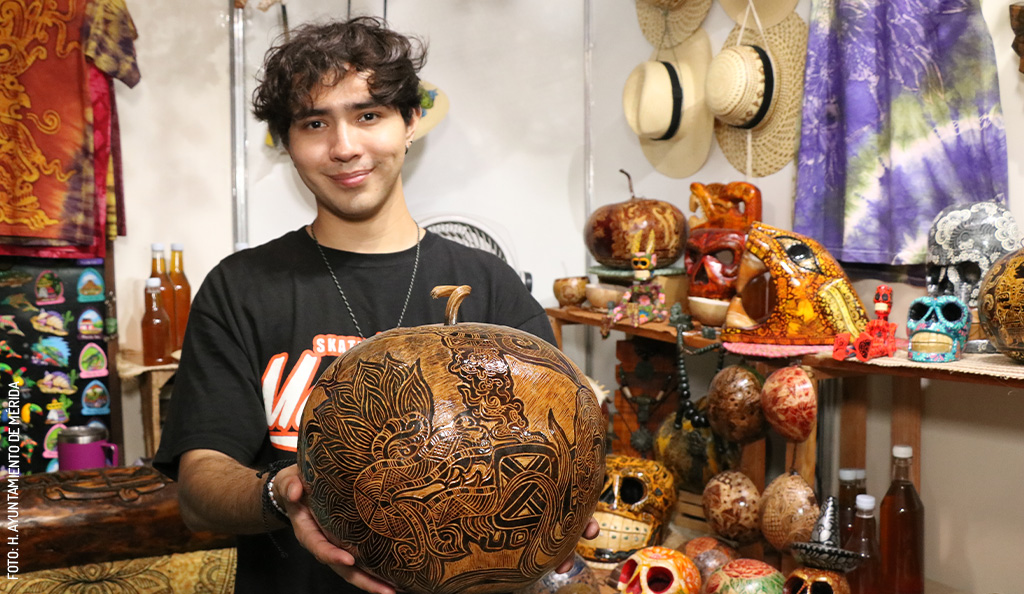 Craftwork at Feria Tunich in Dzityá
The fair is at its best in the late afternoon and evening. Go on a weekday between roughly 4:00 PM and 7:00 PM for calmer browsing and more time to speak with craftspeople. Choose Friday or the weekend for the fullest atmosphere and the larger stage programme.
Free buses are scheduled to depart hourly from Plaza Grande in Mérida. Eight public parking areas are planned around Dzityá, although weekend evenings will still be busy. Carry pesos: some established sellers accept cards, but mobile signal and payment terminals are not reliable enough to make cash unnecessary.
Read our Feria Tunich 2026 visitor guide for the programme, transport details and advice on buying local craftwork.
The Toh Bird Festival’s summer programme
Season: April to November 2026
July locations: Mérida, Tunkás, Cuxtal and metropolitan ecological parks
The Toh Bird Festival is not a single weekend but a season of guided walks, birdwatching outings, wetland visits, workshops and environmental education across Yucatán.
Its summer programme gives nature travellers a reason to look beyond the peninsula’s headline flamingo trips. The focus changes from one event to the next, moving between city parks, protected wetlands and rural landscapes.
17 July: Yumtsil birdwatching
This outing takes place at Parque Ecológico Metropolitano del Sur in Mérida. It is one of the easiest festival activities for travellers staying in the city because it avoids a long rural transfer.
25 July: Plants and wetlands in Cuxtal
The walk explores the Cuxtal Reserve nursery around San Marcos Sustentable, south of Mérida. Confirm the meeting point and transport arrangement beforehand, as reaching the reserve is less straightforward than crossing Centro.
26 July: Parque Ecológico del Poniente
A second accessible metropolitan outing takes place in western Mérida, suitable for visitors who want an introduction to local birdlife without building an entire day around it.
Birding begins early for good reason. Wear closed shoes, carry water and use mosquito repellent. Ask whether binoculars are available and whether the guide will speak English; neither should be assumed.
Town fairs: the local pulse of summer
Yucatán’s village fiestas are not staged as tourist attractions. They are community celebrations shaped by patron saints, gremios, processions, vaquerías, food stalls, fairground rides, fireworks and popular dances. Residents return home, families gather around the plaza and the normal rhythm of the town gives way to several days—or sometimes several weeks—of celebration.
That informality is part of their appeal. It also means roads may close, parking can be improvised and a programme may circulate locally before it appears on an official tourism calendar. Some fairs include bull-related traditions; travellers wishing to avoid them should look at the day’s programme before attending.
A rental car or private driver makes most village fiestas easier, particularly when music runs late. Rideshare coverage should not be relied upon for a return journey from a small town after midnight.
Motul’s Fiesta de Julio
Dates: 3–26 July 2026
Dedication: Our Lady of Mount Carmel
Approximate drive from Mérida: 45 minutes to one hour
Motul hosts one of the longest inland celebrations of the season. The programme grows around the feast of Our Lady of Mount Carmel and traditionally includes religious observances, gremios, vaquería and popular entertainment.
The town is an easy cultural day trip even before the evening programme begins. Arrive for breakfast or lunch in the market, visit the Felipe Carrillo Puerto museum and walk through the centre. If the fiesta itself is the priority, check the municipality’s latest schedule and return for the particular procession, dance or concert that interests you.
Colonia Yucatán patronal fiesta
Dates: 7–19 July 2026
Municipality: Tizimín
Dedication: Our Lady of Mount Carmel
Colonia Yucatán lies inland from El Cuyo and works naturally within an eastern-Yucatán itinerary. Its celebration can include religious events, dances, food and fairground attractions.
It is a rewarding detour for travellers already staying around Tizimín, Río Lagartos or El Cuyo, but too far from Mérida to treat casually as an evening outing. Combine it with the region rather than racing across the state for a few hours.
Homún and Saint Bonaventure
Principal date: 15 July
Homún’s patronal celebration is a reminder that the town is a living community, not simply a collection of cenote entrances. Around the feast, roads in the centre can close, music continues late and local transport may move more slowly than usual.
The principal 2026 date has passed, but the celebration is worth remembering for future July trips. A morning cenote and an evening in town make a better combination than trying to hurry through five or six swimming sites before the fiesta begins.
GuideHomún Cenotes Guide: Best Cenotes, Map, Prices & How to VisitThe article is a guide to exploring the underground cenotes of Homún, a small town in the Yucatán Peninsula of Mexico. From Mérida you can reach Homún by taking a colectivo or by renting a bicycle; once there you may hire a local guide, although the guide is optional. Entrance fees are paid in cash at each cenote, and the cost varies by site, but the article does not give exact prices. No specific opening hours are mentioned, so visitors should assume the cenotes are accessible during daylight. A typical visit to a cenote lasts a few hours, depending on the activities chosen, such as swimming, diving or simply admiring the scenery. The guide notes that swimwear, water shoes, biodegradable sunscreen and a waterproof camera are useful items to bring, and that cash is needed for the entrance fees. Visitors can expect an underground, often dimly lit environment that differs from open‑air cenotes. Early morning visits are recommended to avoid crowds, and interacting with locals can provide insight into the history and legends of each site. Some cenotes permit diving, but safety guidelines must be checked in advance; shallow areas are available for non‑swimmers, though life jackets are advisable. The article stresses respecting the ecosystem by not leaving waste, avoiding contact with underwater formations, and using sun protection despite the shade.Open
Cheumán patronal celebration
Date: 17 July 2026
Municipality: Mérida
Dedication: Our Lady of Mount Carmel
Cheumán is administratively part of the municipality of Mérida but retains the atmosphere of a separate community. Its patronal celebration is intimate and local rather than a major visitor event.
It will appeal most to travellers with a particular interest in Yucatecan religious culture—or a local contact who can help interpret the programme. First-time visitors looking for a larger, easier summer event will find Feria Tunich more accessible.
Sinanché fiesta
Runs through: 20 July 2026
Dedication: Saint Bonaventure
Sinanché sits naturally on an Emerald Coast route toward San Crisanto or Dzilam de Bravo. Its fiesta can add a cultural stop to a day otherwise built around mangroves, coastline and small-town food.
Detailed activities may be announced informally, so the town is best approached as part of a wider road trip rather than the sole purpose of a long drive. Finish unfamiliar rural driving before late night, particularly after heavy rain.
Oxkutzcab traditional fair
Dates: 31 July to 5 August 2026
Dedication: Our Lady of the Assumption
Approximate drive from Mérida: 1.5 to 2 hours
Oxkutzcab brings the summer calendar deep into southern Yucatán.
The town is an agricultural and commercial centre with one of the region’s liveliest markets. During the fair, religious observances, community entertainment and food stalls spill into the normal energy of the town, creating a celebration that feels distinct from events in Mérida or along the coast.
Make it part of a southern itinerary with Tekax, Ticul, Maní or the Ruta Puuc. An overnight stay is more satisfying than a late return to Mérida after a full day on the road.
The Black Christ maritime pilgrimage in Sisal
Date: Sunday 23 August 2026
Location: Sisal
Main mass: Around 7:00 AM at the pier
Procession duration: Approximately two and a half hours
Few summer events reveal the relationship between faith and the Gulf coast as vividly as Sisal’s maritime pilgrimage of the Black Christ.
The image normally resides in Hunucmá. At the beginning of August it is brought to Sisal, where a month of festivities builds toward the fishermen’s celebration in the final week. On the main Sunday, the community gathers before sunrise for mass near the pier. The Black Christ is then placed aboard a boat and followed out to sea by a procession of local vessels.
 Flamingos in the Celestún Biosphere Reserve
A limited number of visitors may find places with local boatmen, usually on a first-come basis, but access is never guaranteed. Boats are small, the procession belongs first to the faithful and no captain should be pressed to sail overloaded or in unsuitable weather.
Staying in Sisal on Saturday night is the simplest plan. Driving from Mérida before dawn is possible, but parking becomes difficult and the return follows an early start, strong sun and several hours beside the water.
Dress respectfully, avoid blocking the procession and ask before photographing people at prayer. This is a living religious tradition, not a performance created for visitors.
GuideBlack Christ Pilgrimage in Sisal 2026: Sea Procession & Visitor GuideThe Cristo Negro pilgrimage returns to Sisal on August 23, 2026. Learn what happens during the maritime procession, when to arrive, how to join respectfully, and how to plan the trip from Mérida.Open
August fiestas to keep on the calendar
Several towns hold established August celebrations whose detailed programmes often appear only shortly before the feast. These are worth watching as your travel dates approach:
| Town | Celebration | Usual period |
|---|---|---|
| Izamal | Assumption and Marian observances | Around 15 August |
| Maní | Our Lady of the Assumption | Around 20 August |
| Dzidzantún | Santa Clara festivities | Early to mid-August |
| Uayma | Santo Domingo celebration | Around 4 August |
| Tetiz | Marian festivities | Around 15 August |
| Sanahcat | Assumption celebration | Around 16 August |
| Xcuyún | Local patronal programme | Early August |
| Tekantó | San Agustín celebration | Late August |
| Espita | San Bartolomé festivities | Around 24 August |
| Río Lagartos | Santiago Apóstol programme | Late July or summer period |
| Hunucmá | Santiago Apóstol and summer festivities | Late July |
| Halachó | Tak’an Maya food festival | Date to be announced |
The saint’s day provides a useful clue, but the municipal poster tells you which evening contains the vaquería, procession, concert or food event worth travelling for.
Valladolid after sunset
Valladolid is made for summer evenings. The heat softens, the streets around the main square fill again and the city reveals a side that day-trippers rushing between Mérida and Chichén Itzá rarely see.
 The former Convent of San Bernardino de Siena
Mondays: Nights of the Heroic Valladolid
Summer dates: 20 and 27 July; 3, 10, 17, 24 and 31 August
The regular Monday video mapping uses light, images and narration to tell episodes from Valladolid’s history and civic identity. It is one of the best reasons to stay overnight, especially after an early cenote visit and a long afternoon rest.
Arrive early enough to find the viewing area and confirm the start time. The presentation may be primarily in Spanish, but the projection remains visually accessible. A little background reading on the Maya town of Zací, the colonial foundation, the Maya Social War and Valladolid’s role in the Mexican Revolution will add depth.
Valladolid in History
Current listing: 12–31 July 2026
A second video-mapping programme is listed across the latter half of July. The exact performance night and start time should be confirmed locally, as schedules can shift around rain, fiestas and public events. Ask at your hotel, the municipal tourism office, Palacio Municipal or the entrance to San Bernardino.
Santa Ana neighbourhood celebration
Date: 26 July 2026
Location: Barrio de Santa Ana
The feast of Santa Ana draws visitors beyond the main square and Calzada de los Frailes. Neighbourhood celebrations may include mass, a procession, food, music and family gatherings. Observe with the same courtesy you would bring to any local religious occasion.
A good summer evening in Valladolid begins with Calzada de los Frailes before sunset, continues at San Bernardino and returns to the plaza for dinner, public music or the scheduled projection. No car is needed in the centre; save it for Ek Balam, Uayma, Temozón or rural cenotes the following morning.
Read our Valladolid Travel Guide when deciding how long to stay.
A week of summer evenings in Mérida
Mérida’s weekly cultural calendar becomes especially valuable in summer. Most events begin after the fiercest heat, transforming an otherwise quiet evening into an introduction to Yucatecan music, dance and public life.
Times and venues can change, but the weekly rhythm is remarkably dependable.
Monday: the Yucatecan vaquería
Jarana dancers and a regional orchestra perform beneath the arches of the Palacio Municipal. It is one of the easiest free introductions to Yucatecan dance. Arrive early for a seat or a clear view.
Tuesday: trova and musical memories
Tuesday programming often turns toward Yucatecan trova, dance and nostalgic popular music. It is a quieter evening than the weekend and a good choice for travellers more interested in local culture than nightlife.
Wednesday: video mapping and public programmes
Midweek listings may include video mapping, community activities and museum events. Kukulkán Nights at Chichén Itzá is also commonly scheduled on Wednesdays, although it requires tickets, separate transport and a late journey back.
Read our Noches de Kukulkán guide before planning it as an evening trip.
Thursday: the Serenata de Santa Lucía
The Serenata de Santa Lucía is one of Mérida’s longest-running weekly traditions. Trova, poetry and regional music fill the small square, while the surrounding restaurants turn their terraces toward the stage. The performance is free; tables with the best views fill early.
Friday: mappings, markets and music
Friday can bring the Mérida: Origin and Memory video mapping, Lights Island 360-degree mapping, markets around Distrito Mejorada, guided museum visits and live music along Paseo de Montejo. Choose one part of the city rather than trying to cross Centro repeatedly between events.
Saturday: Noche Mexicana and Pok Ta Pok
Noche Mexicana gathers folk music, dance, food and families around the Remate de Paseo de Montejo. Pok Ta Pok offers a public representation of the ancient Maya ball game. It is a cultural performance rather than a complete archaeological reconstruction, but it provides a vivid introduction to the ritual importance of the game.
The first Saturday of August also brings the monthly night bike ride, currently listed for 1 August 2026. Arrange a suitable bicycle in advance, particularly if you need a child seat or a specific frame size.
Sunday: Biciruta and Mérida en Domingo
Sunday starts early with cycling, walking and family activity along sections of Paseo de Montejo. In Centro, Mérida en Domingo fills the streets with food, crafts and performances. Go before midday, when the combination of heat and crowds becomes more demanding.
Read our Mérida Travel Guide for the wider city.
La Plancha after dark
Parque La Plancha adds outdoor cinema and salsa classes to the second half of July. The programme is useful for a relaxed, low-cost evening away from the busiest parts of Centro.
The park is large, so confirm the exact screening or meeting point. Outdoor cinema and dance classes may be interrupted by thunderstorms even when the afternoon begins clear.
A Wednesday market in Progreso
Crocodile’s Market is listed on Wednesdays through July and August, including 15, 22 and 29 July and 5, 12, 19 and 26 August.
It is a modest coastal market rather than a destination festival, best enjoyed by travellers already staying in Progreso. Combine it with an early swim, breakfast or dinner rather than making a special return journey from Mérida. Confirm its current location and hours during your stay.
Echoes of Uxmal
Echoes of Uxmal is the archaeological zone’s evening video-mapping programme, with summer Tuesday dates including 21 and 28 July and weekly August performances in the current calendar.
 Uxmal in southern Yucatán
The experience works best when staying near Uxmal, Santa Elena or Muna. A late drive to Mérida is possible, but rural roads are darker and more difficult after rain. Confirm the ticket arrangement, entry requirements, language, projection time and weather policy before setting out.
Use our Ruta Puuc visiting guide to build a fuller southern-Yucatán journey.
Other July dates in Mérida
Pet Power Run
Date: 19 July 2026
Location: Parque de las Américas
Distances: 3 km, 5 km and 10 km
Registration: MXN $350
The run is designed for people participating with dogs and will be most relevant to residents and longer-stay visitors. Summer heat deserves serious consideration: confirm water arrangements and only enter a dog already accustomed to running in humid conditions.
Symphonic Queen tribute
Date: 24 July 2026
Time: 9:00 PM
Location: Teatro Armando Manzanero
Tickets: From MXN $300
This is not a regional tradition, but it offers something summer travellers sometimes need: a dependable, ticketed evening in air conditioning. Book ahead if it matters to your plans.
Juan Amaro: Insoportable
Date: 28 July 2026
Time: 8:00 PM
Location: Lennon Bar Mérida
Tickets: From MXN $550
Audience: Adults only
The Spanish-language stand-up performance will be recorded live and is best suited to visitors comfortable following rapid Mexican Spanish and local humour.
Museums and indoor culture for hot afternoons
Not every day should revolve around a festival. Between noon and late afternoon, Mérida’s museums and galleries offer both shelter from the heat and a deeper understanding of the city.
Current July options include temporary watercolour, sculpture and contemporary exhibitions at the Museum of the City of Mérida; Cachorros de Tigre, a travelling survey of more than a century of Mexican drawing at the Centro de Artes Visuales; and an exhibition at the Railway Museum exploring Maya memories of the henequén economy.
The Gran Museo del Mundo Maya has thematic Saturday tours within its permanent collection, currently listed at 1:00 PM—almost perfectly timed for the hottest part of the day.
The Mérida English Library Summer Camp runs from 13 to 31 July for children aged 6 to 12, using games, crafts, movement and stories to practise English as a second language. It will be most useful to local families and visitors staying for several weeks.
A summer tradition to remember for next year
The Virgin of Celestún’s maritime procession takes place on the second Sunday of July. In 2026 that fell on 12 July, so the event has already passed.
The annual tradition carries the image through town before a procession of decorated boats goes out to sea. Keep it in mind for a future July visit and approach it, like the Black Christ pilgrimage, as a religious event rather than a spectacle organised for tourism.
The best things to do between events
The secret to a good summer trip is resisting the urge to fill every hour. One substantial daytime experience and one evening event are usually enough.
Swim in a cenote
Cenotes are among inland Yucatán’s great summer pleasures. Homún, Cuzamá, San Antonio Mulix, Mucuyché, Valladolid and Temozón all offer strong possibilities, as does the countryside south of Mérida.
Arrive early for quieter water and cooler conditions. Bring cash, a towel, water shoes and dry clothes. Where a cenote requires a shower before swimming, avoid applying fresh sunscreen or insect repellent immediately before entering.
Read our guide to visiting cenotes and our practical answer to whether cenotes are safe before choosing a site.
Spend a day on the Gulf coast
July and August are the heart of the domestic summer season. Progreso, Chicxulub, Chelem, Chuburná, Telchac and San Crisanto become livelier as families move toward the sea.
Choose Progreso for the simplest transport and the widest range of facilities; Chicxulub for a beach-house stay close to Mérida; Chelem or Chuburná for a less urban coast; Sisal for history and mangroves; San Crisanto for community-based nature tourism; and El Cuyo for a slower stay on the eastern edge of the state.
Check sea conditions and port restrictions before booking a boat. Our guide to Yucatán’s beaches will help you choose a base.
Look for wildlife around Río Lagartos
Summer brings expansive wetland scenery and abundant birdlife to Río Lagartos. Morning boat trips are cooler and often calmer.
Flamingos and other wildlife move with water levels, food and seasonal conditions; no responsible operator should promise a particular flock in a fixed place. Río Lagartos is much easier from Valladolid, Tizimín or El Cuyo than from Mérida.
Leave room in the day. A boat trip, Las Coloradas, Ek Balam, several cenotes and a late Valladolid programme do not belong in one sensible itinerary.
Travel carefully during turtle season
Summer overlaps with sea-turtle nesting along parts of the Yucatán coast. Keep lights low near the beach at night, avoid flash photography, stay clear of marked nests, keep dogs controlled and never touch eggs or hatchlings. Follow authorised conservation staff and avoid any operator selling a staged handling experience.
Public releases are conservation activities, not guaranteed entertainment. Read our guide to sea turtles on the Yucatán coast before planning around them.
Visit archaeological sites at opening time
Uxmal, Chichén Itzá and Ek Balam all contain exposed areas with limited shade. The difference between entering at opening and arriving at noon can define the whole experience.
Carry water, wear a proper hat and stable shoes, and keep a light rain layer in your bag. The strongest summer pattern is an early archaeological visit, a long lunch, an afternoon rest and an evening event.
The rhythm of a good summer day
July temperatures regularly climb into the low or mid-30s Celsius, with humidity making the apparent heat feel higher. Rain often arrives as an intense afternoon shower rather than a day of steady drizzle, although tropical systems can bring longer disruption, port closures and cancelled outdoor events.
A comfortable daily rhythm looks like this:
- 7:00 AM–11:30 AM: ruins, wildlife, markets, historic streets or longer drives.
- 11:30 AM–3:30 PM: lunch, a cenote, a museum or a return to the hotel.
- 4:00 PM–7:00 PM: keep plans flexible while showers pass and the heat begins to fall.
- After 7:00 PM: vaquería, video mapping, fair, concert or dinner in the plaza.
This approach works particularly well in Mérida and Valladolid, where the evening calendar is strongest.
Check conditions before boat trips, coastal events, long rural drives, archaeological visits and outdoor performances. Never drive through deep standing water; road edges, drains and potholes can disappear beneath it.
Getting around
A car is unnecessary for central Mérida, central Valladolid, Progreso by bus, Feria Tunich using the free shuttle, city museums and organised tours.
It becomes valuable for Homún, Río Lagartos, the Ruta Puuc, Emerald Coast communities, Oxkutzcab, village fiestas and events that finish late outside Mérida. A private driver is especially useful for Sisal before dawn or for families who want the freedom to leave when children are tired or weather changes.
A driver is not automatically a licensed guide. Ask separately when historical interpretation matters.
GuideBook Transport in Yucatán: Your Guide to Getting AroundLearn how to book and use every major transport option in Yucatán State, from ADO buses and colectivos to private transfers, rental cars, taxis, Uber, and the Tren Maya. Find current prices, booking methods, safety tips, and advice on choosing the right mode for your trip.OpenSummer with children
The easiest choices for families are the Kite Festival, Feria Tunich, Mérida en Domingo, Sunday Biciruta, Valladolid’s video mappings, selected Toh Bird Festival outings, outdoor cinema at La Plancha and town fairs in the early evening.
Avoid keeping young children on an exposed fairground through the middle of the afternoon. Carry water, snacks, a change of clothes and an easy exit plan. Village fireworks, toritos and powerful sound systems can be overwhelming for small children.
Accessibility
Accessibility varies considerably from one venue to another. A central plaza may be flat while the surrounding pavements are narrow, broken or interrupted by high kerbs. Temporary fairgrounds can become muddy after rain and may have gravel, uneven ramps, limited accessible toilets or a long distance between parking and the main stalls.
Ask about the exact site rather than relying on a general promise that an event is accessible. A private driver can make a substantial difference for older travellers and visitors with limited mobility.
What to carry
Pack for heat, rain and the possibility that a short evening becomes a long one. Useful items include breathable clothing, a wide-brimmed hat, refillable water bottle, electrolyte sachets, light rain jacket, compact umbrella, mosquito repellent, sunscreen, a dry phone pouch, portable battery and pesos in small denominations.
Closed shoes are better for rural walks, archaeological zones and muddy fairgrounds; sandals or water shoes belong in the cenote bag. Mobile signal can weaken at crowded events and in rural areas, so do not depend on bank transfer or card payment for village food, parking, craft purchases, admission and local transport.
A seven-day summer itinerary
Day one: Mérida’s weekly culture
Explore Centro in the morning, retreat from the afternoon heat and attend whichever vaquería, serenade, mapping or public programme falls that evening.
Day two: Progreso
Spend the morning beside the sea. On 18 or 19 July, stay for the Kite Festival; on a Wednesday, look for Crocodile’s Market.
Day three: cenote country
Choose Homún, Mucuyché or another route south of Mérida. During 23–26 July, Camino del Mayab participants will be moving through the wider region.
Day four: Valladolid
Travel east, rest during the hottest hours and walk Calzada de los Frailes as the light softens. Stay for the video mapping and sleep in Valladolid rather than returning late to Mérida.
Day five: eastern Yucatán
Build the day around Ek Balam, Uayma, Temozón or a rural cenote, then return to Valladolid for dinner.
Day six: Feria Tunich or a town fiesta
Between 24 July and 2 August, go to Dzityá. At other times, choose a town with a published programme that fits the region you are already exploring.
Day seven: a slow Sunday
Join the Biciruta, browse Mérida en Domingo or spend a quiet morning on the coast. After six active days, there is no need to end with another cross-state journey.
Summer in Yucatán FAQ
GuideSummer in Yucatán 2026: How to Enjoy the Quiet SeasonSummer in Yucatán runs roughly from June through September and is characterised by hot, humid weather, frequent afternoon rain showers and a quieter atmosphere than the winter high season. The season is not closed; most attractions such as cenotes, archaeological sites, museums, markets and coastal towns remain open, but many small businesses may take short midday breaks. Costs are not listed, but the article advises booking hotels, rental cars, restaurants and tours in advance, especially during Mexican school holidays and summer weekends, and to bring small bills for cenote fees, parking, tolls, markets, taxis and beach palapas. Getting around is easiest with a rental car, which offers the flexibility to start early, visit sites before the heat peaks and return before afternoon storms. Drives from Mérida to Progreso, Homún, Uxmal, Izamal and Valladolid range from about 35 minutes to two hours; longer rural roads may have potholes and limited lighting, so aim to finish longer trips before dark. Public buses, colectivos, taxis, ride‑hailing and the Tren Maya are alternatives, though less convenient with families or gear. A typical day starts at 7–8 am with ruins, beaches, markets or drives, shifts to indoor activities, pools or cenotes around noon, and resumes outdoor evening strolls after the sun sets. Visitors should carry plenty of water, a hat, mineral sunscreen, cash, a swimsuit, towel and water shoes for cenotes, and be prepared for flexible plans due to rain. Early visits to cenotes and sites, especially on weekdays, are recommended; Uxmal is a good summer choice from Mérida. Packing light, breathable clothing, a refillable bottle, and a small umbrella or rain jacket will help manage the heat and humidity.Open
What are the standout events in July 2026?
The Yucatán Kite Festival, Camino del Mayab Gran Caminata, Feria Tunich and the July outings of the Toh Bird Festival are the strongest visitor-facing events. Motul’s Fiesta de Julio and several smaller patronal celebrations add a more local dimension.
What is the main August event?
The Black Christ maritime pilgrimage in Sisal on 23 August is the most distinctive dated tradition. Oxkutzcab’s fair also continues from 31 July to 5 August, while several towns hold patronal celebrations later in the month.
Does Valladolid have weekly events?
Yes. Nights of the Heroic Valladolid is listed on Mondays through the summer, while Valladolid in History appears in the second half of July. Confirm the exact time locally because outdoor projections can change in poor weather.
Is Feria Tunich easy without a car?
Yes. Free hourly buses are scheduled from Plaza Grande in Mérida during the fair.
Can visitors join the Camino del Mayab walk?
Yes, but registration and serious physical preparation are required. It is an endurance event rather than a casual drop-in walk.
Is the Progreso Kite Festival free?
Yes. The 2026 festival is listed as free and runs from 1:00 PM to 9:00 PM on 18 and 19 July.
Can I attend a village fiesta without speaking Spanish?
Yes, although some Spanish makes transport, food purchases and understanding the programme much easier. Most village fiestas are not bilingual.
What happens when it rains?
Light rain does not necessarily stop a fair or fiesta. Heavy rain, wind and lightning can delay or cancel video mappings, outdoor cinema, boat processions and open-air performances.
Is summer a good time to stay in Valladolid?
Yes. The city combines easy access to cenotes with a strong evening atmosphere. Choose accommodation with reliable air conditioning and, ideally, a usable pool.
Is a private driver worth it?
It can be, particularly for village fiestas, Sisal before sunrise, southern-Yucatán routes, families and events ending after public transport becomes limited.
A season best enjoyed slowly
Summer in Yucatán is not a season to conquer by racing from one attraction to the next. It rewards a more measured itinerary: one region each day, early starts, generous afternoons and evenings left open for whatever is happening in the plaza.
The Kite Festival, Camino del Mayab, Feria Tunich, Valladolid’s Monday projections, Oxkutzcab’s fair and the Black Christ pilgrimage provide clear anchors for a 2026 journey. Around them are the experiences that give the season its texture—the first swim in a cool cenote, thunder gathering beyond the city, families returning to the coast and jarana beginning after dark.
For the next step, compare the Stay guides with the relevant destination guide.

